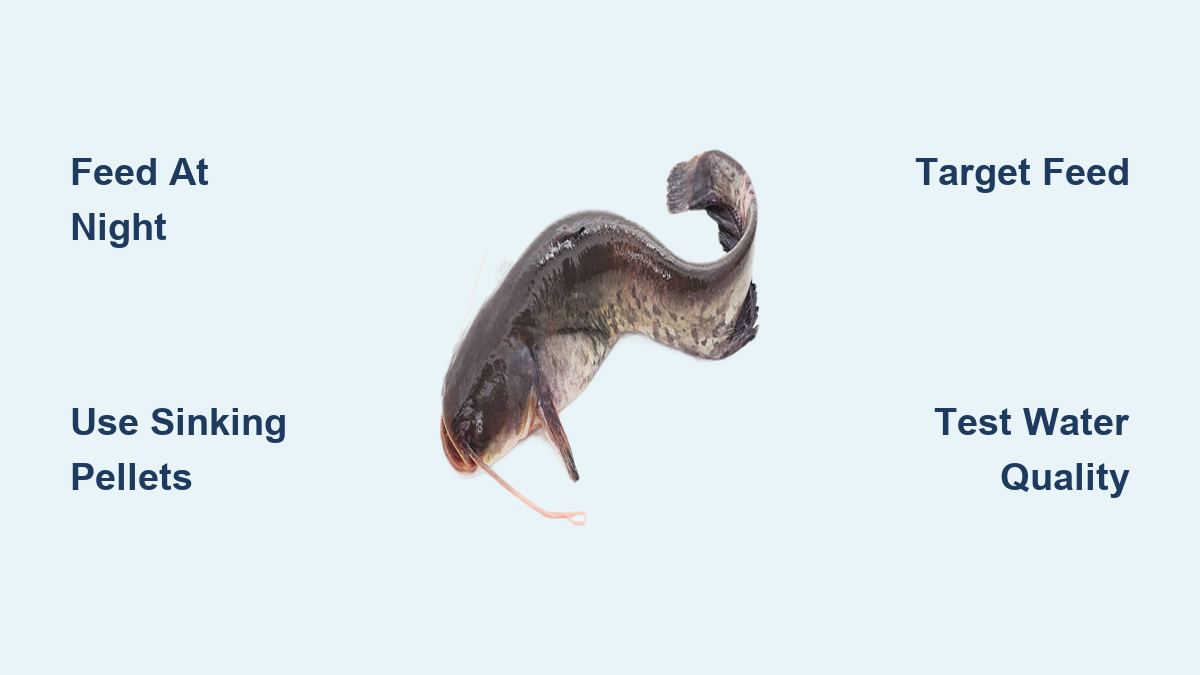
How to Feed Catfish in Aquarium: Easy Tips
You’re watching your vibrant tetras and barbs swarm the surface during feeding time, but where are your catfish? While your top-dwelling fish eagerly devour flakes, your bottom-dwelling Corydoras, plecos, and other catfish often miss out entirely. This common community tank dilemma leaves catfish malnourished and thin while water quality suffers from uneaten food. Without a targeted strategy, your peaceful bottom-feeders become invisible victims of feeding time. This guide reveals exactly how to feed catfish in aquariums where faster fish dominate—ensuring your catfish thrive with proper nutrition while maintaining crystal-clear water.
Most aquarium owners don’t realize that standard feeding routines actively starve bottom-dwellers. Catfish like Corydoras and Otocinclus are naturally crepuscular or nocturnal, meaning they’re least active when you feed during daylight hours. Meanwhile, aggressive mid-water fish like danios or rainbowfish consume 90% of floating food before it even reaches the substrate. The consequences? Hollow bellies, lethargic behavior, and eventually starvation—even in well-maintained tanks. By implementing these species-specific feeding techniques, you’ll transform your catfish from overlooked tank mates into active, healthy contributors to your aquarium’s ecosystem.
Why Your Catfish Starve During Standard Feedings
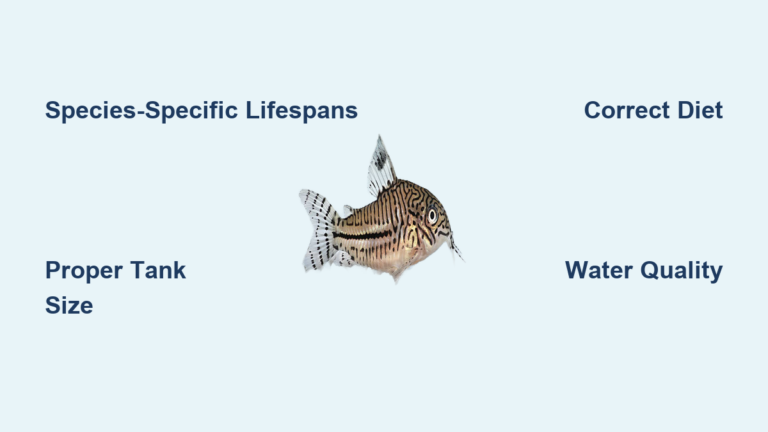
Your catfish aren’t lazy—they’re strategically outmatched. In community tanks with active mid-water species, catfish face three critical disadvantages during typical daytime feedings. First, their natural foraging behavior involves slow, deliberate searching along the substrate rather than frantic surface feeding. Second, many popular catfish like Bronze Corydoras have downward-facing mouths designed for sifting sand, not snatching falling flakes. Third, their nocturnal instincts mean they’re often resting when you feed.
Warning: If your catfish appear thin with visible spine ridges or hide constantly after lights-on feedings, they’re likely starving despite seeming “fine.” This isn’t normal behavior—it’s a silent emergency. The solution requires rethinking your entire feeding schedule to match their biological rhythms rather than human convenience.
How Fast Fish Hijack Catfish Meals
During standard feedings, tetras and barbs create a feeding frenzy that blocks all access to sinking food. By the time pellets reach the bottom, they’re either:
– Already consumed by mid-water fish diving down
– Waterlogged and disintegrating into waste
– Buried under sand where catfish can’t locate them
Observe your next feeding: Set a timer and note how many seconds it takes for food to disappear from the surface. If it’s under 15 seconds, your catfish have virtually zero chance of competing. This isn’t just about hunger—it leads to chronic malnutrition that weakens immune systems and shortens lifespans.
Choosing Catfish-Specific Foods That Survive the Descent

Generic flakes won’t work—they either float too long or disintegrate before reaching the bottom. You need foods engineered to withstand the journey while meeting species-specific dietary needs.
Sinking Pellets That Stay Intact for 2+ Hours
Forget bargain-bin sinking pellets that dissolve in 10 minutes. Look for high-density formulas with binders like wheat germ that maintain structure. For Corydoras, select 1-2mm pellets (larger than their eye size) to prevent choking. Plecos need algae-rich wafers with spirulina as the first ingredient—avoid generic “bottom feeder” tabs with filler-heavy formulas. Pro tip: Drop a test pellet in a glass of tank water; quality food should sink within 5 seconds and hold shape for 2+ hours.
Gel Foods That Stick to Rocks and Glass
Repashy Soilent Green (for herbivores) or Meat Pie (for omnivores) solves two problems: it sinks instantly and adheres to surfaces. Prepare batches by mixing powder with boiling water, then freeze in ice cube trays. At feeding time, drop a thawed cube near catfish hideouts—it stays put even in moderate currents. This mimics natural grazing behavior while preventing food scatter. For homemade versions, blend blanched zucchini with gelatin powder and freeze in portions.
Protein-Rich Treats Without Polluting the Water
Bloodworms and brine shrimp are essential for carnivorous catfish like Raphael species, but improper feeding causes ammonia spikes. Always thaw frozen cubes in a separate container of tank water first. Then use a pipette to deliver portions directly to the substrate—never dump containers into the tank. Feed protein-rich foods only 2-3 times weekly; overfeeding causes bloat in species like Synodontis.
Nighttime Feeding: Your Secret Weapon Against Food Competition
Daytime feedings guarantee catfish starvation. The only reliable solution is feeding after lights out when top-dwellers are resting. This leverages catfish’s natural activity peaks at dusk and dawn.
Perfect Timing: When to Feed After Lights Out
Wait 60-90 minutes after your main tank lights shut off—not immediately. This allows:
– Top-dwelling fish to enter deep rest (reducing movement by 80%)
– Catfish to become fully active (Corydoras start foraging within 30 minutes of darkness)
– Water currents to stabilize (preventing food scatter)
Use a dim red aquarium light if you need visibility—it doesn’t disrupt fish circadian rhythms. Feed just enough for consumption within 90 minutes; any longer risks water quality issues.
Creating a Dedicated Catfish Feeding Zone
Designate a specific “dinner plate” area using smooth river rocks or a ceramic dish. Always place food in this exact spot—catfish develop conditioned feeding responses within 3-5 nights. Ideal locations include:
– Behind driftwood roots
– Under overhanging rocks
– Near filter outflow (gentle current carries scent)
This trains catfish to congregate there nightly, making target feeding effortless. For tanks with multiple catfish species, create separate zones (e.g., algae wafers for plecos near glass, pellets for Corydoras in sand).
Daytime Competition Hacks for Emergency Feedings
Sometimes you need to feed during daylight—like when treating sick fish. These techniques give catfish fighting chances:
The Surface Distraction Tactic
While feeding community fish floating foods at the front of the tank, simultaneously drop sinking pellets at the back. The visual barrier of active fish creates a “feeding curtain” that blocks line-of-sight for competitors. Works best with 3+ top-dwellers creating a frenzy.
Target Feeding with Precision Tools
Keep these in your feeding kit:
– Aquarium tweezers: Place pellets directly into Corydoras’ path
– Turkey baster: Gently deposit thawed bloodworms under rocks
– Feeding tube: Guide food into tight crevices (ideal for shy Otocinclus)
Aim food 2-3 inches ahead of moving catfish—their barbels detect food scent trails. Never shove tools toward fish; this causes stress.
Troubleshooting: Catfish Still Not Eating? 3 Fixes
If catfish ignore properly delivered food, don’t assume they’re “full.” These critical issues require immediate action:
Step 1: Test Water Parameters Immediately
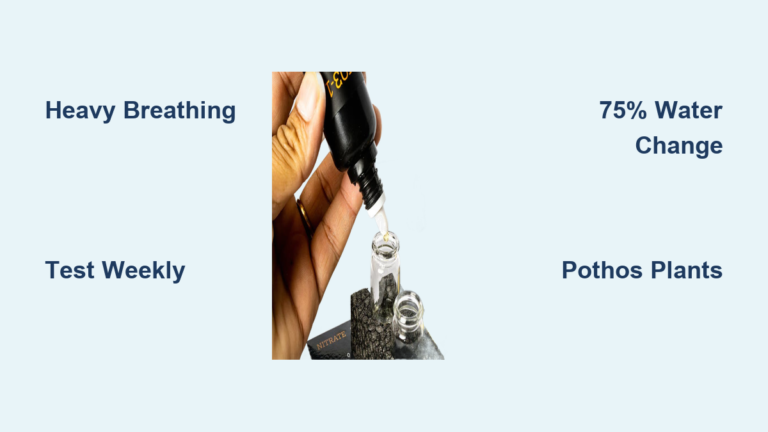
Ammonia or nitrite above 0.25 ppm causes appetite loss. Test strips often miss low-level spikes—use liquid test kits. If parameters are off:
– Perform 50% water change
– Add Seachem Prime to neutralize toxins
– Suspend feeding for 24 hours
Critical: Never medicate or change food before fixing water quality—this is the root cause 90% of the time.
Step 2: Swap Food Types in 24-Hour Cycles
Try this sequence if food is ignored:
1. Night 1: Algae wafer (for plecos)
2. Night 2: Blanched zucchini cube
3. Night 3: Gel food with garlic additive (appetite stimulant)
If all three fail, isolate the catfish in a breeder box with direct feeding for 2 nights. Persistent refusal indicates illness requiring veterinary care.
Daily Routine: Your 90-Second Catfish Feeding Protocol
Follow this exact sequence every evening:
7:00 PM: Feed community fish floating foods at surface. Wait until all food disappears (usually <30 seconds).
7:30 PM: Turn off main tank lights. Wait 60 minutes.
8:30 PM: Using red light, drop:
– 1 algae wafer for plecos
– 3-5 sinking pellets for Corydoras
– 1 gel cube near substrate
10:00 PM: Siphon any uneaten food with gravel vacuum.
Morning Check: Confirm no food remnants during water testing.
This routine takes under 90 seconds but ensures catfish receive 100% of their nutritional needs. Adjust portions if food remains after 2 hours—overfeeding causes more problems than underfeeding.
Signs Your Catfish Are Properly Fed (Not Just Surviving)
Well-nourished catfish show visible changes within 2 weeks:
– Corydoras: Rounded bellies (not pinched) with active sand-sifting
– Plecos: Consistent algae grazing plus wafer consumption
– Otocinclus: Visible fat deposits behind gills
Warning: If catfish still hide during night feedings after 5 nights, check for bullying from nocturnal species like kuhli loaches. Add extra hiding spots with PVC pipes.
By implementing these targeted feeding strategies, you’ll transform your catfish from invisible tank cleaners to vibrant, active members of your aquarium community. Remember: successful catfish feeding isn’t about more food—it’s about smarter delivery timed to their biological rhythms. Start tonight with the lights-out method, and within a week you’ll see your bottom-dwellers confidently emerging for meals. For ongoing success, test water weekly and adjust food types based on visible body condition—your catfish’s health depends on it.