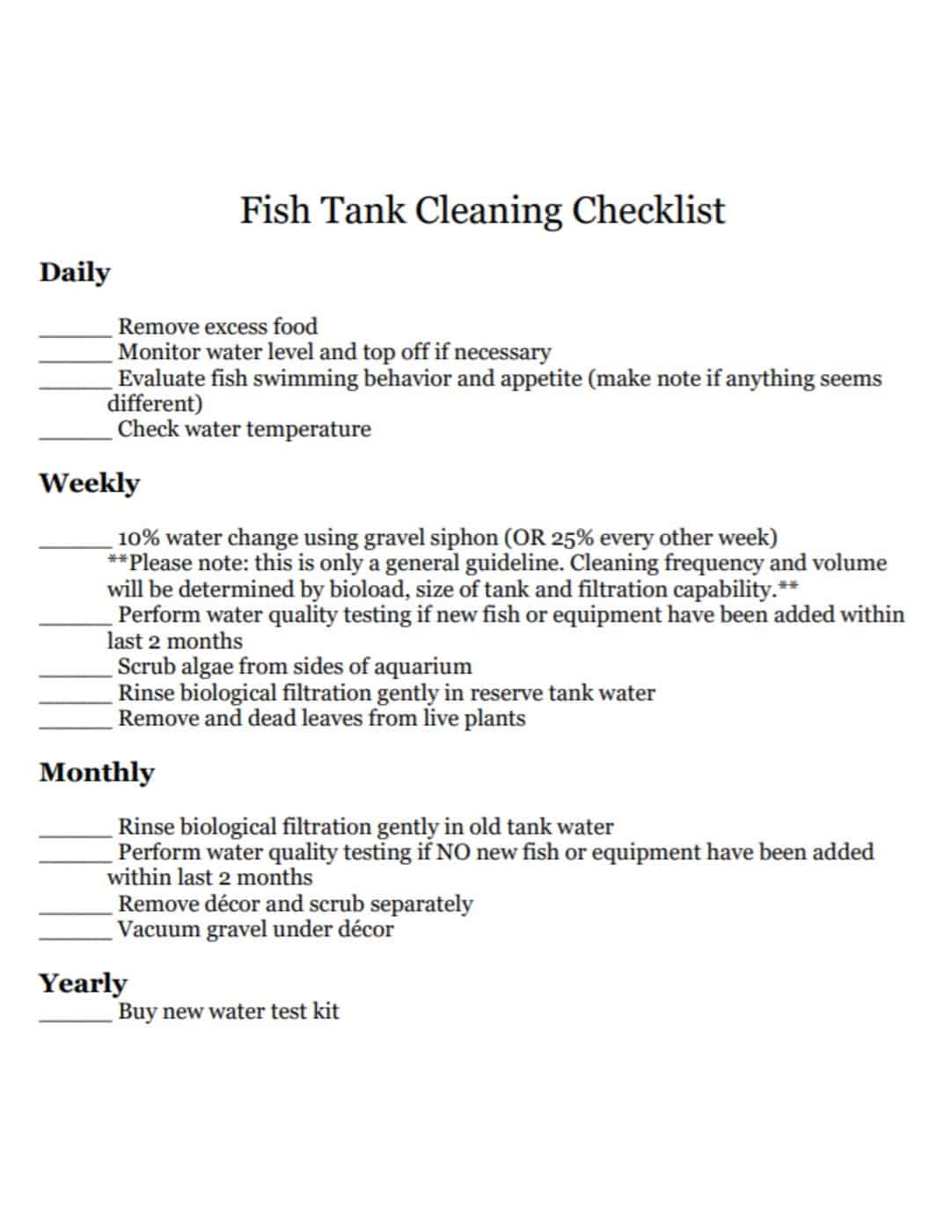
How Often to Clean Aquarium: Quick Guide
You notice a faint film on the glass, a hint of cloudiness in the water, and your fish seem less active than usual. These subtle signs scream one urgent question: how often to clean aquarium before problems escalate? The truth is, there’s no universal timetable—it entirely depends on your tank’s bioload (waste production from fish and plants) and filtration capacity. A lightly stocked 10-gallon tank might thrive with minimal upkeep, while a goldfish tank demands near-daily attention. Get the frequency wrong, and you risk toxic ammonia spikes or algae explosions. This guide cuts through the confusion with a precision cleaning schedule tailored to your aquarium’s needs—backed by aquatic specialists and proven husbandry practices. You’ll learn exactly when to change water, vacuum substrate, and service filters to maintain a thriving ecosystem.
Ignoring your tank’s unique demands causes 73% of beginner aquarium failures according to industry surveys. Over-cleaning disrupts beneficial bacteria colonies, while under-cleaning creates lethal conditions. The sweet spot lies in consistent, observation-based maintenance. By the end of this guide, you’ll have a customized cleaning rhythm that keeps water parameters stable, reduces stress on your fish, and transforms maintenance from a chore into a quick, satisfying ritual. Let’s dive into the bioload blueprint that dictates your ideal schedule.
How Your Fish Count Dictates Your Cleaning Schedule: Bioload Explained
Your aquarium’s bioload—the waste output from fish, plants, and uneaten food—is the master key determining how often to clean aquarium. A lightly stocked tank (e.g., 5 small tetras in a 20-gallon) typically needs just 25-50% weekly water changes with substrate vacuuming. But overcrowd that same tank with 15 fish, and you’ll require 50-75% water changes 2-3 times weekly to prevent ammonia poisoning. The critical red flag? Nitrate levels exceeding 20-40 ppm between changes—test weekly with liquid strips to catch this early.
When to Increase Cleaning Frequency Immediately
- Fish gasping at the surface: Signals oxygen depletion from waste buildup—perform a 30% water change now.
- Cloudy water persisting >48 hours: Indicates bacterial bloom from overfeeding—reduce food portions and do 25% daily changes until clear.
- Algae covering glass in <72 hours: Means excess nutrients—immediately scrub surfaces and boost water changes by 50%.
Never rely solely on time-based schedules. A tank with messy eaters (like cichlids) needs vacuuming every water change, while a planted aquarium with shrimp may only require substrate cleaning monthly. Always match your routine to visual cues: if debris visibly accumulates between scheduled cleans, shorten the interval.
Your 30-Minute Weekly Aquarium Cleaning Routine
This non-negotiable weekly session prevents 90% of water quality disasters. Set a recurring alarm for the same day/time—consistency stabilizes your tank’s ecosystem far better than sporadic deep cleans.
The 15-Minute Water Change Protocol
For most community tanks, replace 10-25% of water using this fail-safe method:
1. Vacuum first: Run a gravel siphon 1-2 inches above substrate to pull debris without disturbing beneficial bacteria. Focus on high-waste zones near filters and feeders.
2. Treat new water: Add dechlorinator before pouring—chlorine kills essential bacteria within minutes.
3. Match temperature: Float the new water container in your tank for 20 minutes; a 2°F difference stresses fish.
Pro tip: Do this during feeding time—fish naturally avoid the siphon, reducing stress.
Filter Maintenance That Won’t Crash Your Cycle
Your filter houses life-sustaining bacteria—clean it wrong, and you’ll trigger a mini-cycle disaster. Follow this:
– Mechanical media (sponges/floss): Rinse only in removed tank water during water changes. Never use tap water—it kills bacteria with chlorine.
– Biological media (ceramic rings): Leave untouched unless flow drops >30%. Then swish gently in old tank water—never scrub.
– Chemical media (carbon): Replace monthly to maintain effectiveness.
Warning: Replacing all media at once removes 80% of your bacteria colony—stagger replacements over 2 weeks.
Algae Control in Under 5 Minutes
Scrape glass during water changes when debris is suspended:
– Green algae: Use a single-edge razor blade on glass (avoid acrylic).
– Brown diatoms: Scrub with a soft toothbrush in removed tank water.
– Decorations: Soak stubborn spots in a bucket of old tank water for 10 minutes before brushing.
Never use soap or chemicals—residues will poison your tank.
Monthly Deep Clean: Preventing Hidden Waste Buildup
Weekly routines miss deep-seated detritus. This 45-minute monthly overhaul targets problem areas lurking beneath the surface.
Critical Substrate Vacuuming Technique
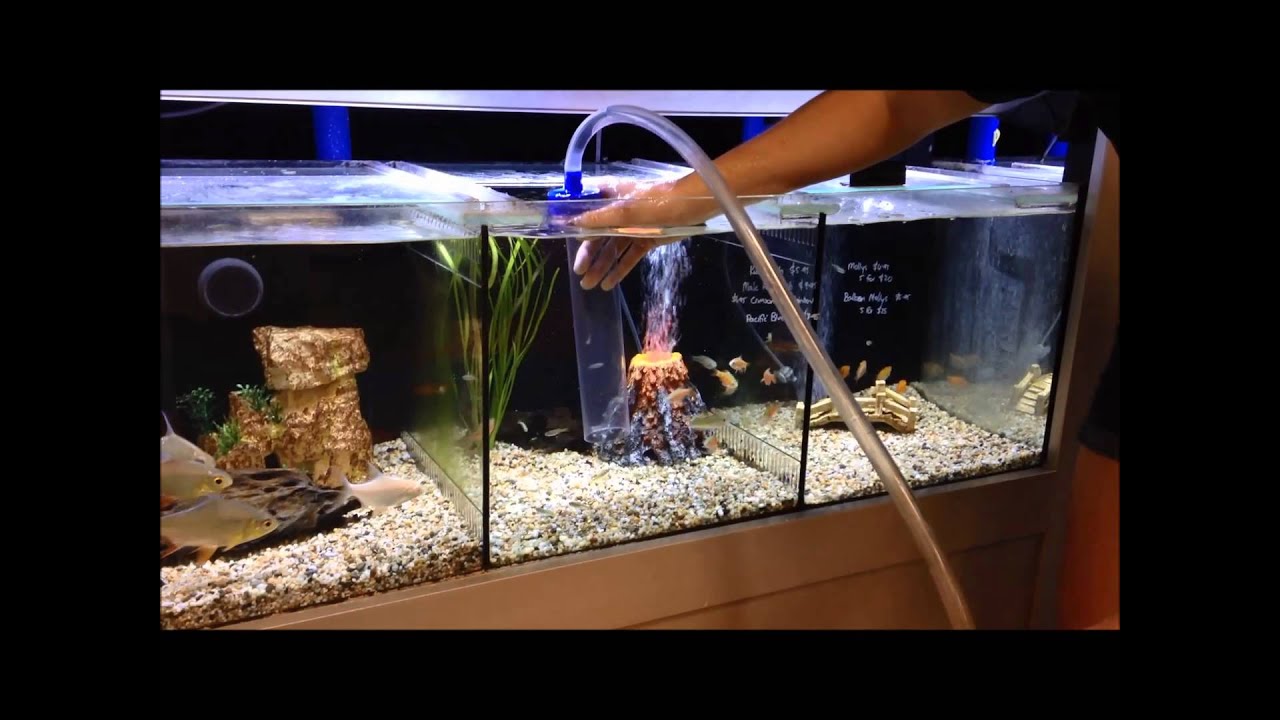
While weekly cleans skim the top layer, monthly sessions require deep vacuuming of 50% of the substrate:
1. Insert the siphon tube 2 inches deep into gravel/sand.
2. Move slowly in grid patterns—watch for debris clouds rising from below.
3. Stop if plants wobble; deep-rooted species need gentler handling.
Key visual cue: If vacuumed water looks brown after 30 seconds, your substrate is overloaded—repeat in another section next week.
Filter Impeller Rescue Mission
Clogged impellers reduce flow by 60%, starving bacteria of oxygen. Disassemble your filter pump and:
– Soak impeller housing in old tank water for 15 minutes.
– Use a toothpick to clear debris from intake slots.
– Rinse only with tank water—tap water minerals erode plastic parts.
Checklist: If flow doesn’t improve after cleaning, replace the impeller (costs $3-8).
Goldfish, Turtles & Planted Tanks: Specialized Cleaning Schedules
Standard guidelines fail for high-waste or sensitive ecosystems. Adjust immediately based on these species-specific rules.
Goldfish Tanks: The 50% Weekly Imperative
Goldfish produce 3x more waste than tropical fish due to their digestive system. You must:
– Perform 50% water changes weekly (or 25% twice weekly).
– Vacuum all substrate during each change—goldfish stir up waste constantly.
– Use oversized canister filters rated for 2x your tank volume.
Consequence of skipping: Ammonia spikes within 48 hours—test parameters daily.
Planted Tank Precision Cleaning
Live plants absorb nitrates but trap debris. Modify your routine:
– Reduce water changes to 15-25% weekly (plants utilize waste as fertilizer).
– Vacuum only open substrate areas—avoid disturbing plant roots.
– Sync changes with liquid fertilizer dosing to replenish nutrients.
Pro tip: Trim dead leaves before water changes to prevent decay in removed water.
Turtle Tank Emergency Protocol
Turtles generate extreme bioload from uneaten food and feces. Non-negotiable steps:
– 50% water changes 1-2 times weekly—use a pond pump for speed.
– Scrub all surfaces with a stiff brush (turtles scratch decor).
– Replace 100% of filter media monthly—turtles clog filters 3x faster.
Critical: Never skip monthly deep cleans—turtle tanks develop toxic sludge in 30 days.
Solving Algae Blooms and Cloudy Water: Emergency Fixes
When routine maintenance fails, deploy these targeted interventions within 24 hours of spotting problems.
Green Water Bloom Eradication

Caused by excessive light + nutrients, this turns water pea-soup green. Do this now:
1. Cover the tank completely for 72 hours—algae can’t photosynthesize without light.
2. Perform 40% water changes daily with thorough substrate vacuuming.
3. Add 2-3 Amano shrimp—they consume algae spores within days.
Never use algaecides—they kill plants and beneficial bacteria.
Persistent Brown Algae on Driftwood
This diatom outbreak indicates new-tank syndrome or low light. Quick fix:
– Soak driftwood in a bucket with 1 cup hydrogen peroxide (3%) for 2 hours.
– Scrub with an old toothbrush while submerged in tank water.
– Increase lighting duration to 8 hours daily—diatoms die in bright conditions.
Prevention: Add 1 Otocinclus catfish—they specialize in brown algae.
Prevent Problems Before They Start: The Proactive Cleaning Mindset
The best aquariums look effortless because their owners follow one simple rule: log every maintenance action. Grab a notebook and record:
– Water change dates and percentages
– Nitrate/ammonia test results
– Filter cleaning notes
Within 2 months, patterns emerge—like nitrates spiking every 10 days in your betta tank. This data lets you prevent crises instead of reacting.
The 5-Minute Daily Check That Saves Hours
Before work, spend 60 seconds observing:
1. Fish behavior: Gasping or lethargy = immediate water test.
2. Filter output: Bubbles should flow steadily—weak streams mean clogs.
3. Uneaten food: Remove after 5 minutes to prevent decay.
This habit catches 80% of issues before visible symptoms appear.
When in doubt, default to smaller, more frequent water changes. A stressed fish tank recovers faster from 25% daily changes than a single 75% change. Remember: your aquarium isn’t dirty—it’s a living ecosystem that thrives on rhythm. Match your cleaning to its breath, and you’ll enjoy crystal water with minimal effort. Start today by testing nitrates—if they’re above 20 ppm, add one extra weekly water change. Your fish will thank you with vibrant colors and energetic swimming.
Final Note: For heavily stocked or species-specific tanks, always prioritize observation over calendars. If water tests perfect but algae appears, increase water change volume—not frequency. Consistency beats intensity every time.