How to Prevent Algae in Planted Aquariums
You’ve carefully arranged your driftwood, planted lush carpets of Monte Carlo, and watched your fish glide through emerald green stems—only to wake up to a murky film smothering your masterpiece. Algae invasion strikes 9 out of 10 new planted aquariums, turning vibrant underwater gardens into slimy nightmares within weeks. But here’s the truth: algae isn’t your enemy; it’s your tank’s alarm system screaming that something’s unbalanced. The good news? You can stop algae before it starts by mastering six critical ecosystem factors. This guide reveals exactly how to maintain crystal-clear water while growing thriving aquatic plants—without chemical warfare or constant scrubbing.
Algae flourishes when light, nutrients, and stability collide in perfect imbalance. Most beginners overfeed, oversaturate with light, and skip maintenance, creating an algae paradise. But experienced aquarists know the secret: a planted tank shouldn’t fight algae—it should prevent it through strategic ecosystem design. By implementing these science-backed protocols, you’ll transform your aquarium into a self-regulating environment where plants outcompete algae naturally. Let’s dive into the exact steps that keep professional aquascapers’ tanks pristine for years.
How to Set Your Planted Tank Lighting Schedule to Starve Algae (6-8 Hours Max)
Light fuels both plants and algae—but too much creates an all-you-can-eat buffet for invaders. The critical mistake? Leaving lights on for “just a few extra hours.” Successful aquascapers strictly limit photoperiods to 6-8 hours daily using automatic timers. This consistency prevents the light spikes that trigger explosive algae growth. For stubborn outbreaks, implement a “siesta period”: 4 hours on, 4 hours off, then 4 hours on to disrupt algae’s photosynthetic cycle. Always match intensity to your plant needs—high-light tanks require CO2 injection and precise nutrient dosing, while low-tech setups thrive under moderate light. Never place tanks in direct sunlight; even 30 minutes of sun exposure can trigger green water blooms within days.
Why Blue Spectrum Light Accelerates Algae Growth
Blue light wavelengths penetrate deeper and stimulate algae reproduction more than other spectrums. If your LED fixture allows spectrum adjustment, reduce blue channels by 20-30% while maintaining adequate red for plant growth. During initial tank cycling (first 4-6 weeks), keep lights at 50% intensity to let beneficial bacteria establish before algae gains foothold. Always turn off lights when adding fish or performing maintenance—sudden light changes stress plants and create temporary nutrient imbalances algae exploit.
Balance Nutrients Like a Pro: The Exact Nitrate and Phosphate Levels to Avoid Algae
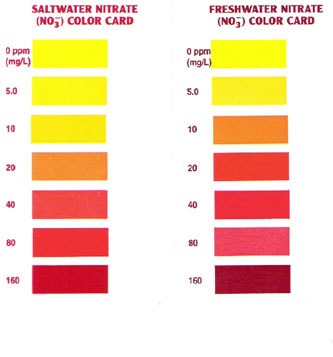
Nutrient imbalance is algae’s golden ticket. Your goal isn’t elimination—it’s precision balance. Test water weekly to maintain nitrates between 5-20 ppm and phosphates at 0.5-2 ppm. Exceeding these ranges? Immediately reduce feeding and perform 25% water changes. Under these levels? Plants weaken, allowing algae to dominate. The #1 nutrient culprit? Overfeeding. Measure food portions with a medicine dropper—fish should consume everything in 2-3 minutes, 2-3 times weekly. Any uneaten food becomes algae fertilizer within hours. For planted tanks, dose liquid fertilizer lightly but consistently; the Estimative Index method (7-10 ppm nitrates, 1 ppm phosphate weekly) prevents the spikes that trigger outbreaks.
How to Fix the Nitrate-Phosphate Imbalance Causing Green Spot Algae
Green spot algae signals critically low phosphates (<0.5 ppm) while nitrates remain high. This imbalance starves plants of essential nutrients, leaving excess nitrates for algae. Immediately test both parameters. If phosphates are near zero, dose liquid phosphate to reach 1-2 ppm while manually scraping spots off glass. Within 3 days, plants will resume healthy growth and outcompete algae. Never skip phosphate dosing in low-tech tanks—plants need this “plant food” to utilize nitrates effectively. For high-tech CO2-injected tanks, maintain phosphate at 1 ppm to support accelerated plant growth.
Build Your Algae Defense Squad: Top Snails, Shrimp, and Fish for Clean Glass

Nature’s cleanup crew works 24/7 where manual cleaning fails. Deploy these specialists before algae appears: Nerite snails devour hard green spots on glass and hardscape (add 1 per 5 gallons). Amano shrimp are hair algae assassins—stock 5+ per 20 gallons to consume up to 20x their body weight daily. Otocinclus catfish (6+ per tank) constantly graze soft films on leaves. For larger tanks, true Siamese Algae Eaters (Crossocheilus oblongus) eliminate black beard algae. Never add cleanup crew to new tanks—they need established biofilm to survive the first month. Pro tip: Quarantine all new critters for 2 weeks to prevent introducing pest snails or diseases.
Why Bristlenose Plecos Backfire in Small Planted Tanks
While effective algae eaters, bristlenose plecos produce massive waste that fuels new outbreaks in tanks under 30 gallons. Their constant digging also uproots delicate carpet plants. Opt for dwarf varieties like Bristlenose Pleco Ancistrus sp. (max 3 inches) in nano tanks, or stick with shrimp/snails. Always verify Siamese Algae Eater species—common lookalikes like flying foxes ignore most algae. Request scientific names when purchasing to avoid wasting money on ineffective cleaners.
Why Weekly 30% Water Changes Are Non-Negotiable for Algae Prevention
This single habit solves 80% of potential algae outbreaks. Weekly 25-30% water changes physically remove excess nutrients before algae colonizes. Use a gravel vacuum to extract fish waste and decaying matter trapped in substrate—this “invisible algae fuel” tests won’t detect. Never skip more than 7 days; nutrient buildup becomes exponential. During outbreaks, increase to 30% every 3 days until clear. Crucial: Always match new water temperature within 1°F of tank water and dechlorinate to avoid shocking plants. Replace filter media rinsed in old tank water (never tap water) to preserve beneficial bacteria.
The 2-Hour Nutrient Test That Exposes Hidden Problems
After your water change, test nitrates and phosphates immediately. High readings? You have substrate nutrient buildup—perform a 50% water change while gently stirring the top substrate layer with your vacuum. Low readings? Your maintenance routine is perfect. If levels spike within 48 hours, reduce feeding by 30% and add fast-growing stem plants like Hornwort to absorb excess. This test catches problems before visible algae appears.
Outcompete Algae with Fast-Growing Plants: Hornwort, Anacharis, and Floaters
Dense plant coverage is your primary defense—aim for 70%+ tank coverage within the first month. Fast growers like Water Wisteria and Anacharis absorb nutrients so aggressively that algae starves. Anchor floating plants (Frogbit, Water Lettuce) to shade the water column—this blocks light algae needs while providing surface cover fish love. In low-tech tanks without CO2, prioritize these nutrient hogs: Hornwort (grows 2 inches/week), Rotala rotundifolia, and Ludwigia repens. Trim stems every 2 weeks to stimulate new growth that outcompetes algae. Never leave bare substrate—algae establishes fastest on empty surfaces.
How Floating Plants Solve Green Water Blooms in 72 Hours
Green water (pea-soup murkiness) indicates suspended algae fed by excess light and nutrients. Immediately cover 50% of the water surface with floating plants—they absorb nutrients directly from the water column while blocking light penetration. Within 3 days, water clarity improves dramatically. For severe cases, combine with a 4-day blackout (cover tank completely) and UV sterilizer (4 watts per 10 gallons). Never add floating plants to tanks with aggressive cichlids that eat them—use Water Sprite instead.
Troubleshoot Green Water, BBA, and Green Spot Algae in 48 Hours

When prevention fails, act fast with targeted solutions. For Black Beard Algae (BBA) on driftwood: turn off filters, inject 3% hydrogen peroxide (1mL per gallon) directly onto colonies with a syringe, wait 15 minutes, then restart filters. Repeat daily for 3 days. Green water? Install a UV sterilizer immediately and block all ambient light for 72 hours. Green spot algae? Manually scrape spots while dosing phosphate to 1.5 ppm. Never use algaecides—they damage plants and beneficial bacteria. Instead, boost plant competition: add fast growers and reduce light intensity by 25% for 1 week.
The Critical First 48 Hours That Determine Algae Outbreak Severity
When you spot algae, your immediate actions dictate whether it becomes a minor nuisance or full-blown crisis. Day 1: Remove 50% visible algae manually and perform 30% water change. Day 2: Test nitrates/phosphates, adjust feeding, and add nutrient-hungry plants. Day 3: Introduce cleanup crew if not already present. Ignoring early signs for more than 72 hours allows algae to establish root-like holdfasts that become exponentially harder to eradicate. Act decisively—you have a 48-hour window to contain most outbreaks.
Your Step-by-Step Weekly Algae Prevention Checklist (Printable)
Daily: Feed fish only what vanishes in 2 minutes. Remove uneaten food immediately. Check light timer settings.
Weekly: Perform 30% water change with gravel vacuum. Test nitrates (target 10-20 ppm) and phosphates (1-2 ppm). Clean glass with algae magnet. Trim overgrown plants.
Monthly: Rinse filter media in removed tank water (not tap!). Dose liquid fertilizer after water change. Prune dead leaves from slow-growers like Anubias.
Quarterly: Replace filter sponges in stages (never all at once). Calibrate CO2 systems if used. Deep-clean substrate in neglected corners.
Stick this checklist to your tank hood—the aquarists who avoid algae aren’t luckier; they’re more consistent. Missed maintenance is the #1 cause of recurring outbreaks, yet takes less than 20 minutes weekly to prevent.
The Stability Secret: Why Patience Beats Panic in Algae Control
Algae appears when you disrupt tank equilibrium—like suddenly increasing light after 2 months or overdosing fertilizer “to jumpstart plants.” Every change should take 2-3 weeks to assess; rapid fixes often backfire. When algae strikes, adjust only one variable at a time: reduce light or feeding or add plants—not all simultaneously. Within 3 weeks, you’ll see results. Remember: new tanks experience 4-6 weeks of “algae season” as ecosystems stabilize. Resist overcleaning—some algae is normal and feeds your cleanup crew. True prevention comes from consistent, patient stewardship where plants thrive so vigorously that algae simply can’t compete. Your crystal-clear tank isn’t a miracle—it’s engineered balance.