Reef Aquarium Aquascape Ideas 2026
Creating a breathtaking reef aquarium is an art form that blends marine biology with creative design. A stunning reef aquarium aquascape transforms your tank from a simple fish habitat into a living masterpiece that draws viewers in and holds their attention. The difference between an ordinary tank and an extraordinary one lies in understanding key principles like composition, negative space, and color theory. This guide reveals exactly how to build a reef aquarium aquascape that looks professionally designed, from the foundational rock structure to the strategic coral placement that makes your underwater world come alive.
Most reef hobbyists approach aquascaping with little planning, resulting in tanks that lack visual impact despite healthy corals. When you scroll through social media or forums, the most captivating reef aquarium aquascapes share common elements: intentional composition, balanced negative space, and thoughtful color placement. The good news? You don’t need artistic training to achieve this. By applying these proven techniques, you’ll create a reef that becomes the centerpiece of any room while supporting optimal coral health and growth.
Position Your Main Rock Structure at Rule of Thirds Intersections for Maximum Visual Impact
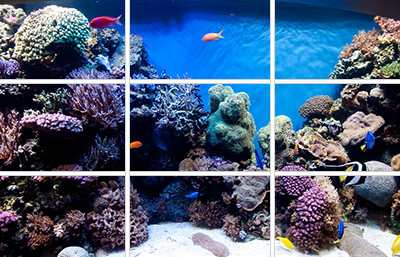
Your rock foundation determines whether your reef aquarium aquascape looks intentional or accidental. Instead of centering your primary rock structure—which creates a static, uninteresting composition—apply the professional photographer’s technique known as the rule of thirds. Visualize your tank divided into a 3×3 grid with four intersecting points. These intersections represent the most visually powerful locations for focal points.
Place your tallest “hero rock” at one upper intersection point, then position a smaller secondary structure at the opposite lower intersection point. This off-center arrangement creates dynamic tension that guides viewers’ eyes through your entire tank rather than locking them on a central point. Avoid placing significant structures at all four points, which can create visual competition and confusion. When executed properly, this technique makes your reef aquarium aquascape feel professionally designed rather than haphazardly assembled.
How to Implement the Rule of Thirds in Different Tank Sizes
For standard rectangular tanks, the rule of thirds works perfectly with two main structures as described. In cube tanks with limited length, focus on a single structure positioned at one intersection point rather than attempting multiple focal areas. Long tanks (6’x2′ or larger) can accommodate three structures, but ensure they align closely with the grid intersections to maintain visual harmony. The key principle remains consistent across all sizes: intentional placement creates visual interest while random placement creates visual noise.
Create Natural Depth with Strategic Foreground, Midground, and Background Placement
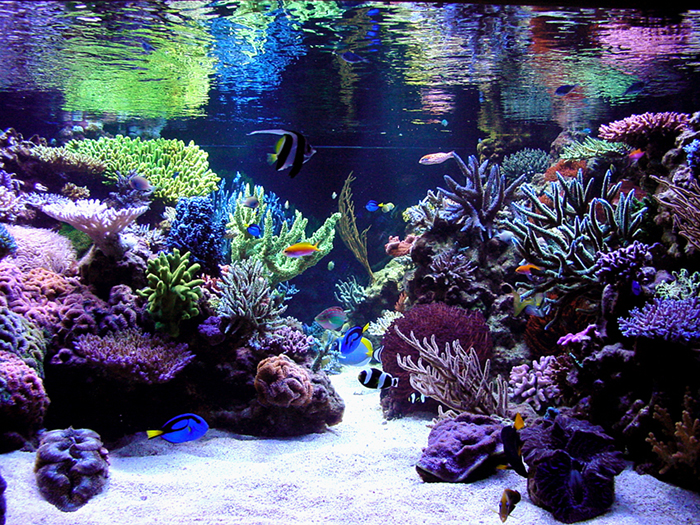
A flat, one-dimensional reef aquarium aquascape appears unnatural and fails to engage viewers. Professional designers create the illusion of depth through three distinct zones that mimic natural reef environments. Your background should feature the tallest rock formations positioned toward the rear of the tank, establishing the foundational silhouette of your scape. The midground contains your primary focal point—typically the hero rock structure placed according to the rule of thirds. Your foreground needs subtle elements like small rocks or low-growing corals that don’t obstruct the view into the tank.
Avoid These Common Depth-Building Mistakes
Many reef builders create a straight-line progression from back to front, which looks artificial. Instead, build with slight curves that draw the eye through the scape. Position some foreground elements almost touching the glass while keeping midground structures elevated. Never place tall structures in the front—they block views and disrupt the perception of depth. Think of your reef aquarium aquascape as a landscape painting where distant mountains appear smaller and less detailed than foreground elements. This technique makes even smaller tanks appear larger and more immersive.
Leave 35-60% Negative Space for Balanced Reef Aquarium Aquascapes
Negative space—the open water and sand areas—plays a crucial role in professional reef aquarium aquascapes. Overcrowding your tank with rock and coral creates visual chaos and practical problems. Aim for 35-60% negative space depending on your preferred style: minimalist scapes lean toward 60% open space, while denser designs stay around 35%.
Strategic Open Areas Enhance Both Aesthetics and Functionality
Intentional gaps between rock structures serve multiple purposes: they create visual breathing room, allow fish to swim naturally through the scape, improve water circulation to prevent dead spots, and provide sightlines to the back of the tank. These open “swimming alleys” should curve naturally through your structure rather than running straight across. When planning your reef aquarium aquascape, remember that what you leave out is as important as what you include—the most captivating designs balance positive and negative elements to create visual rhythm.
Design Rock Structures with Water Flow Channels to Prevent Dead Spots
Your reef aquarium aquascape must function as well as it looks. Rock structures that block water flow create dead spots where detritus accumulates and corals struggle to thrive. Professional builders design with flow in mind, creating intentional channels and gaps throughout the structure.
Three Critical Flow Considerations for Your Aquascape
First, never push your main rock structure flush against the back glass—leave at least 1.5 times your largest powerhead’s diameter as a gap for cleaning and circulation. Second, incorporate multiple through-holes, caves, and arches that allow water to move through the rockwork rather than just around it. Third, position your main rock structure to work with your flow pumps, not against them. Corals placed behind solid rock walls often fail due to poor flow, so design your reef aquarium aquascape with circulation as a primary concern rather than an afterthought.
Secure Dry-Scape Your Reef Foundation Before Adding Water
Building rock structures in a filled tank is risky and limits your design options. Professional reef builders always dry-scape first—constructing the entire rock foundation outside the tank when everything is dry and stable. This approach eliminates time pressure, prevents accidental rock collapses that could damage equipment, and allows you to critique your design from all angles before committing.
Step-by-Step Dry-Scape Construction Process
- Lay out all your rock pieces on a flat surface
- Build interlocking structures using reef-safe epoxy putty for permanent bonds
- Create natural-looking shelves, overhangs, and caves at varying heights
- Take photos from multiple angles to evaluate your design
- Make adjustments until the silhouette looks interesting from your primary viewing position
- Carefully transfer the structure to your tank, adding sand after placement
Using cyanoacrylate gel (Super Glue Gel) for temporary holds during construction works well, but remember it’s not waterproof long-term—use proper underwater epoxy for permanent bonds. This method ensures your reef aquarium aquascape remains stable for years without shifting or collapsing.
Apply Color Theory Principles for Stunning Coral Placement
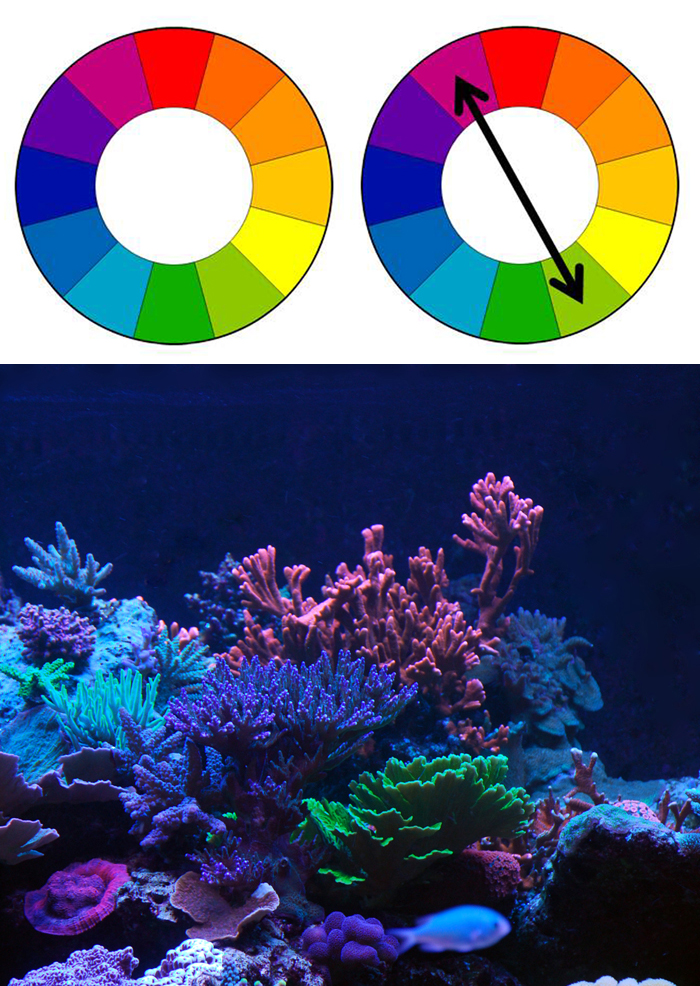
Coral placement transforms your rock foundation into a living work of art. Professional reef aquarium aquascapes use color theory to create visual harmony and highlight standout specimens. The most common mistake? Grouping all corals of the same color together, which creates visual “clumps” that disrupt the flow of your design.
Complementary Color Pairings That Make Corals Pop
Place contrasting colors adjacent to each other for maximum impact: position green corals near red or purple varieties, blue corals next to orange specimens, and yellow corals against purple backgrounds. Scatter similar colors throughout your scape rather than clustering them—place one red coral in the upper left and another in the lower right to create visual connections across the tank. The goal is to guide viewers’ eyes through your entire reef rather than having them fixate on isolated color groups.
Complete This 5-Point Reef Aquarium Aquascape Final Inspection Checklist
Before adding water to your newly constructed reef aquarium aquascape, conduct this professional inspection to ensure both visual appeal and functionality:
- Stability Test: Gently shake your rock structure—no wobbling or shifting should occur
- Flow Verification: Confirm multiple water channels run through your structure, not just around it
- Sightline Assessment: From your primary viewing angle, verify clear sightlines to the back of the tank
- Coral Real Estate Check: Ensure varied platforms for different coral types (flat areas for SPS, shaded overhangs for LPS)
- Maintenance Access: Confirm you can reach all glass surfaces with algae scrapers and all sand areas with siphons
A professional reef aquarium aquascape balances artistic vision with practical considerations. By applying these techniques—strategic rock placement using the rule of thirds, intentional depth creation, balanced negative space, flow-conscious design, careful dry-scaping, and thoughtful coral color placement—you’ll create a living masterpiece that captivates viewers while supporting optimal coral health. Remember that the most stunning reef aquarium aquascapes evolve over time as corals grow, so build your foundation with future growth in mind. Start with these principles, and you’ll transform your tank from a simple fish habitat into a breathtaking underwater ecosystem that becomes the focal point of any space.