How to Remove Copepods from Aquariums Naturally
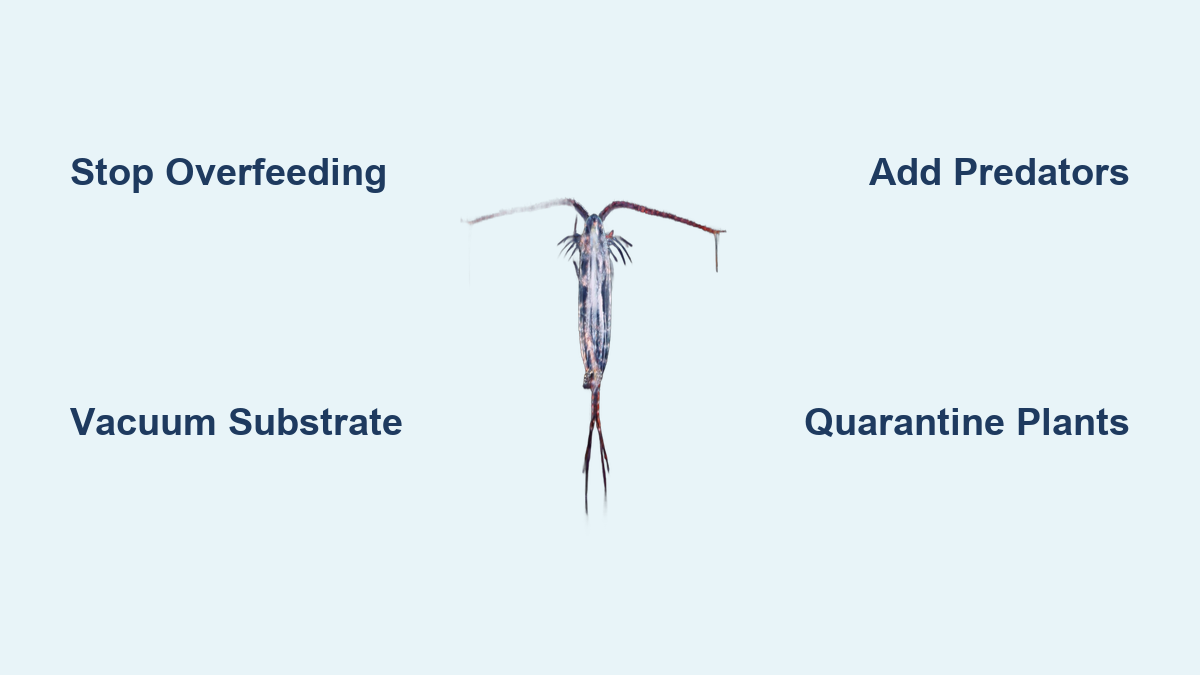
You’re not imagining things—that swarm of tiny white specks covering your aquarium glass isn’t debris but a copepod explosion. These micro-crustaceans, typically 1-2mm long, often hitchhike into tanks on plants or with new livestock. While they’re beneficial “clean-up crew” members in moderation, an overpopulation signals excess nutrients and creates an unsightly infestation. The good news? You can safely reduce these pests in 2-4 weeks without nuking your entire ecosystem. This guide reveals proven methods that target copepods while protecting shrimp, fish, and water quality.
Why Your Aquarium Has a Copepod Explosion (and How to Confirm)
Copepods thrive when excess nutrients flood your tank—usually from overfeeding or poor maintenance. Spot them as white/tan specks darting along glass, crawling on plants, or swarming in the water column during lights-out. These aren’t parasites; they’re natural detritus-eaters that reproduce rapidly when food is abundant. Critical confirmation step: Shine a flashlight sideways across the tank at night. If you see dozens of tiny organisms swimming in the beam, you’ve got a bloom requiring action. Ignoring this invites water quality degradation as their waste accumulates.
Stop Overfeeding: The #1 Fix for Copepod Blooms
Copepod populations directly correlate with your feeding habits. Immediate action: Reduce feedings to once daily with portions consumed in 90 seconds. Any leftover food becomes copepod buffet fuel. For example, if you feed flakes, switch to sinking pellets that won’t cloud the water. Within 7 days of strict rationing, you’ll see visible population drops as their food source vanishes. Pro tip: Fast your fish for 24 hours weekly—this starves copepods without harming healthy fish. Track progress by counting visible copepods on the front glass each morning; expect 30-50% reduction in 10 days.
Vacuum Substrate to Break the Copepod Life Cycle
Copepod eggs and larvae nest deep in substrate, surviving surface cleaning. Effective technique: During water changes, plunge your gravel vacuum 1-2 inches into the sand/gravel. Move slowly in 6-inch sections to suck up eggs without disturbing plant roots. Focus on corners and under decorations where detritus accumulates. Critical detail: Vacuum 25% of the substrate per week—never all at once—to avoid crashing beneficial bacteria. You’ll remove 60-70% of the next generation within three sessions. Pair this with 15% weekly water changes to physically flush free-swimming adults.
Choose Shrimp-Safe Fish Predators for Nano Tanks
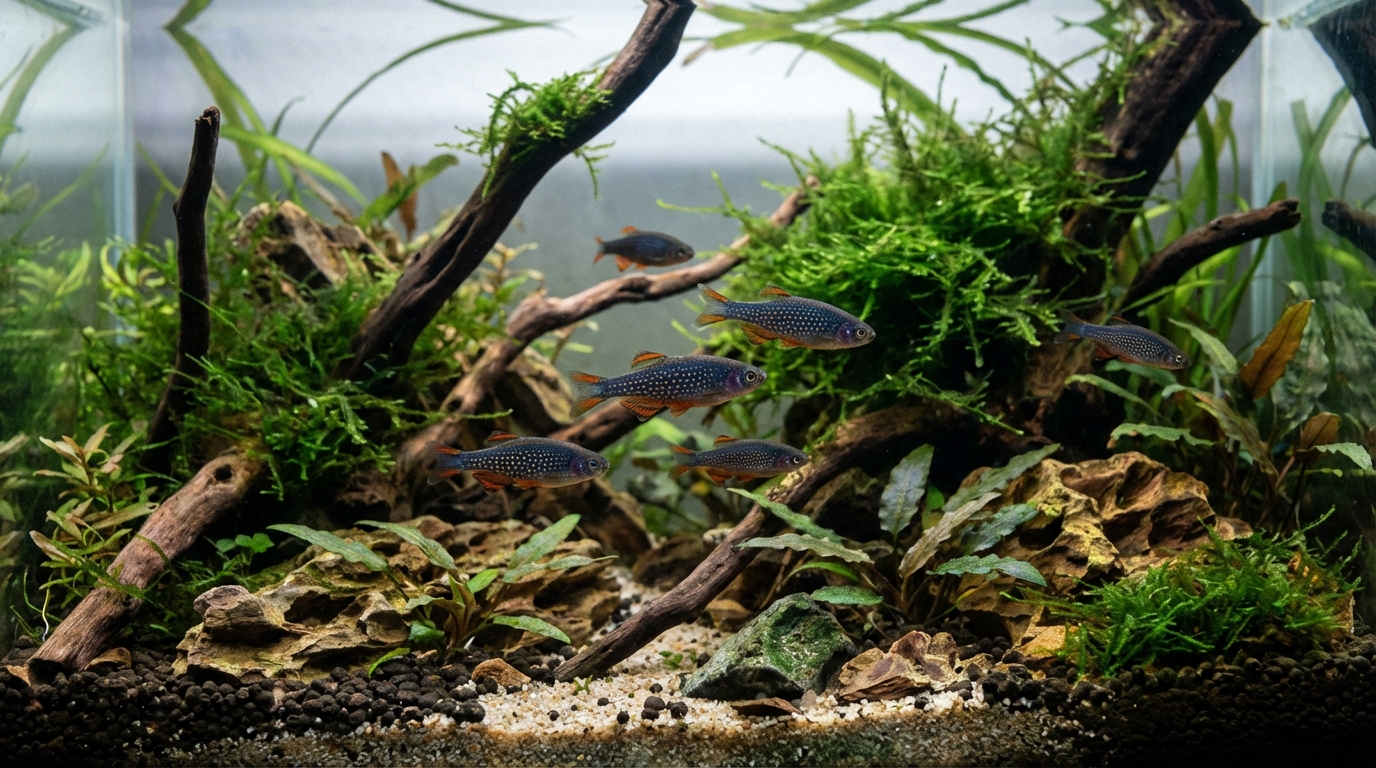
For tanks under 10 gallons housing shrimp, these copepod hunters won’t decimate your colony:
– Chili Rasboras: Add 6-8 to a 10-gallon planted tank. Their tiny mouths target copepods but ignore adult shrimp (though they may eat fry).
– Celestial Pearl Danios: Stock 8-10 in soft-water setups. Their constant foraging reduces copepods by 70% in 3 weeks.
– Sparkling Gouramis: One per 10 gallons works wonders—they hunt copepods at all tank levels but avoid adult shrimp.
Avoid Pea Puffers in shrimp tanks; they’ll relentlessly hunt even adult Neocaridina shrimp. Introduce predators gradually over 2 weeks to monitor tankmate reactions.
Deploy Larger Tank Predators Without Risking Tankmates
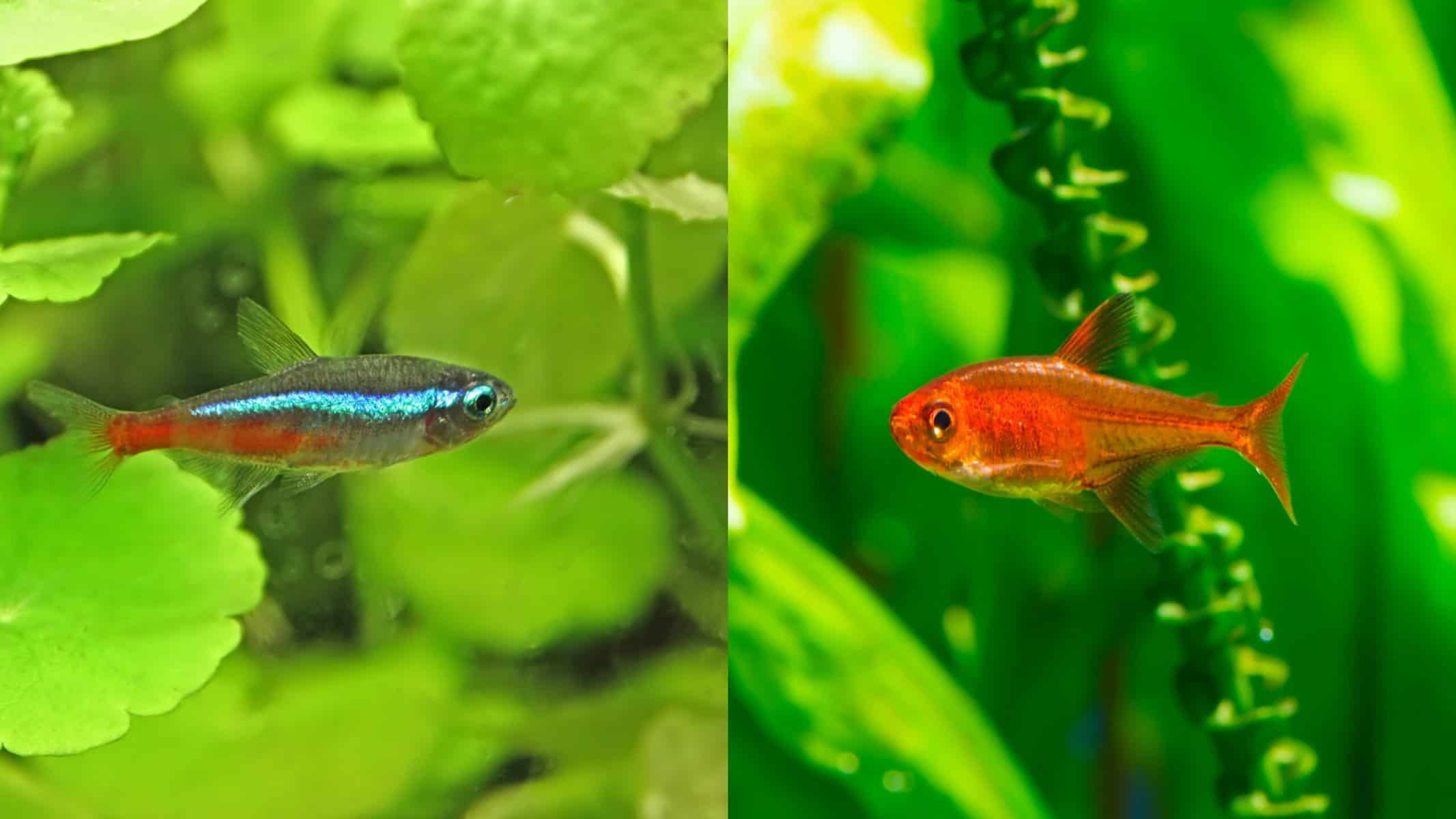
In 20+ gallon community tanks, these fish efficiently hunt copepods while coexisting with common species:
– Neon Tetras: Add a school of 15+ to consume copepods without bothering tetras or Corydoras.
– Ember Tetras: Ideal for blackwater tanks; their subtle hunting won’t stress timid fish.
– Guppies: Use males only (females breed rapidly) to avoid population explosions. Expect 50% copepod reduction in 14 days.
Warning: Dwarf Cichlids like Apistogramma may harass small fish—research compatibility first. Never add multiple predator species simultaneously; introduce one type and wait 10 days before assessing results.
Use Assassin Snails and Filter Feeders for Invertebrate Control

When fish aren’t an option, these invertebrate predators deliver:
– Assassin Snails (1 per 5 gallons): Place them near copepod hotspots. They hunt at night, consuming 2-3 copepods nightly while ignoring shrimp.
– Freshwater Clams: Add 2-3 small Corbicula clams to tanks with moderate flow. Their filter-feeding removes free-swimming copepods within hours.
Key insight: Assassin snails also solve pest snail issues—kill two problems with one solution. Avoid mussels in low-flow tanks; they’ll suffocate without strong currents.
Manual Removal Tactics for Immediate Population Reduction
For quick visual relief during severe blooms:
1. Siphon Vacuuming: Attach a fine-mesh aquarium net to your vacuum hose. Run it slowly over glass and decor to trap adults.
2. Turkey Baster Blast: At night when copepods are active, blast clusters with a baster into a container (discard water outside the tank).
3. Diatom Filter Boost: Run a diatom filter for 4-6 hours to physically remove free-swimming copepods—ideal before photography.
Realistic expectation: Manual methods reduce populations by 40% per session but require weekly repetition. Best combined with environmental fixes.
Why Chemical Treatments Usually Cause More Harm Than Good
Copper-based treatments kill copepods but also destroy all invertebrates—shrimp, snails, and beneficial crustaceans—within 48 hours. Even trace copper residues absorb into decorations, causing long-term toxicity. Critical red flags:
– Never use in planted tanks (copper stunts growth)
– Requires Poly-Filter media and 50% daily water changes for 2 weeks post-treatment
– Only consider in fish-only quarantine tanks with no invertebrates
99% of copepod issues resolve without chemicals—reserve this nuclear option for extreme cases where all biological methods failed after 8 weeks.
Quarantine New Plants to Prevent Future Copepod Invasions
Stop outbreaks before they start with this plant-dipping protocol:
1. Mix 1 part bleach with 19 parts water (or 2 ppm potassium permanganate)
2. Submerge plants for 2-3 minutes
3. Rinse thoroughly under running water for 5 minutes
4. Quarantine in bare tank for 14 days
Proven results: This kills copepod eggs 95% of the time. Always rinse new gravel/sand before adding to your tank—copepods hide in packaging.
Maintain a Balanced Tank to Keep Copepods at Healthy Levels
A sustainable copepod population (5-10 visible on glass) indicates tank health. Achieve this balance by:
– Feeding discipline: Measure food with 1/8 tsp spoons
– Weekly maintenance: Vacuum substrate edges during 15% water changes
– Filter upkeep: Replace 30% of filter floss monthly to trap free-swimmers
– Population checks: Count copepods every Sunday—if numbers rise, reduce feeding immediately
Within 4 weeks of consistent habits, copepods become invisible except during nightly observations. Remember: they’re part of your tank’s natural cleanup crew—your goal is control, not eradication. A balanced tank with occasional copepods actually has better water quality than sterile setups, as they consume detritus before it decays. When you see just a few specks dancing in your flashlight beam, you’ve achieved the sweet spot between sterile and infested—a thriving ecosystem where copepods work for you, not against you.