How to Fix Ammonia Spike in Aquarium
Your fish gasping at the surface or lying listless on the tank floor signals a silent killer: an ammonia spike. This toxic emergency can wipe out your entire aquarium within hours. Ammonia levels above 0.25 ppm cause immediate gill damage, while readings over 2.0 ppm become lethal within days. As an aquarist who’s faced this crisis, I know the panic—but this guide delivers proven emergency protocols to neutralize ammonia fast. You’ll learn exactly how to perform life-saving water changes, use detoxifiers correctly, and fix the root cause before fish die. Most importantly, you’ll gain the confidence to handle this five-alarm emergency like a pro.
Confirming Your Ammonia Crisis: Test Results and Fish Symptoms
:strip_icc()/ammonia-poisoning-1378479_final-00cbf688364e410bb3572444b9c0d926.png)
Never guess when ammonia threatens your tank. Immediate testing reveals the true danger level and guides your emergency response.
How to Accurately Test for Ammonia Spikes (Liquid Kit vs. Strips)
Liquid test kits like API Freshwater Master are non-negotiable for accuracy—test strips often misread critical ammonia levels. Dip the test tube in tank water, add reagents precisely, and compare the color to the chart within 30 seconds. Any reading above 0.25 ppm demands immediate action, but remember: fish suffer at just 0.02 ppm. Never skip testing even if fish seem fine—ammonia poisoning progresses silently until it’s too late. Store test kits away from light and replace reagents annually for reliable results.
Recognizing Ammonia Poisoning in Fish Before It’s Too Late
Watch for these urgent warning signs while waiting for test results:
– Gasping at the surface (damaged gills can’t extract oxygen)
– Red or purple-streaked gills (inflammation from chemical burns)
– Lethargic hovering near filter outlets (seeking oxygen-rich water)
– Clamped fins and loss of appetite (early stress indicators)
If you spot these symptoms, stop feeding immediately. Uneaten food decomposes into more ammonia, worsening the crisis. Remove any visible food remnants with a net before proceeding.
Emergency Water Change Protocol for Ammonia Spikes
Diluting toxic water is your fastest defense. A single 50% water change can slash ammonia levels by half—but only if done correctly.
Why 50% Water Changes Are Critical for Ammonia Dilution
Small water changes (under 25%) barely dent dangerous ammonia concentrations. At 0.5 ppm ammonia, a 50% change drops levels to 0.25 ppm—moving from “lethal” to “manageable.” Crucially, always vacuum the substrate during changes. Decaying waste buried in gravel continuously releases ammonia, undoing your efforts. Use a gravel vacuum to siphon debris without disturbing beneficial bacteria colonies in deeper layers.
Step-by-Step: Performing a Safe Emergency Water Change
- Prepare replacement water 24 hours ahead: Match tank temperature (±2°F) and treat with dechlorinator
- Remove 50% of tank water slowly to avoid stressing fish
- Vacuum substrate in high-waste areas (under decorations, near feeding zones)
- Add treated water gradually over 30 minutes to prevent pH shock
- Re-test ammonia immediately after completion
Critical mistake to avoid: Changing more than 50% at once. Sudden parameter shifts can kill fish already weakened by ammonia.
Ammonia Detoxifiers: How to Use Prime and Other Binders Correctly
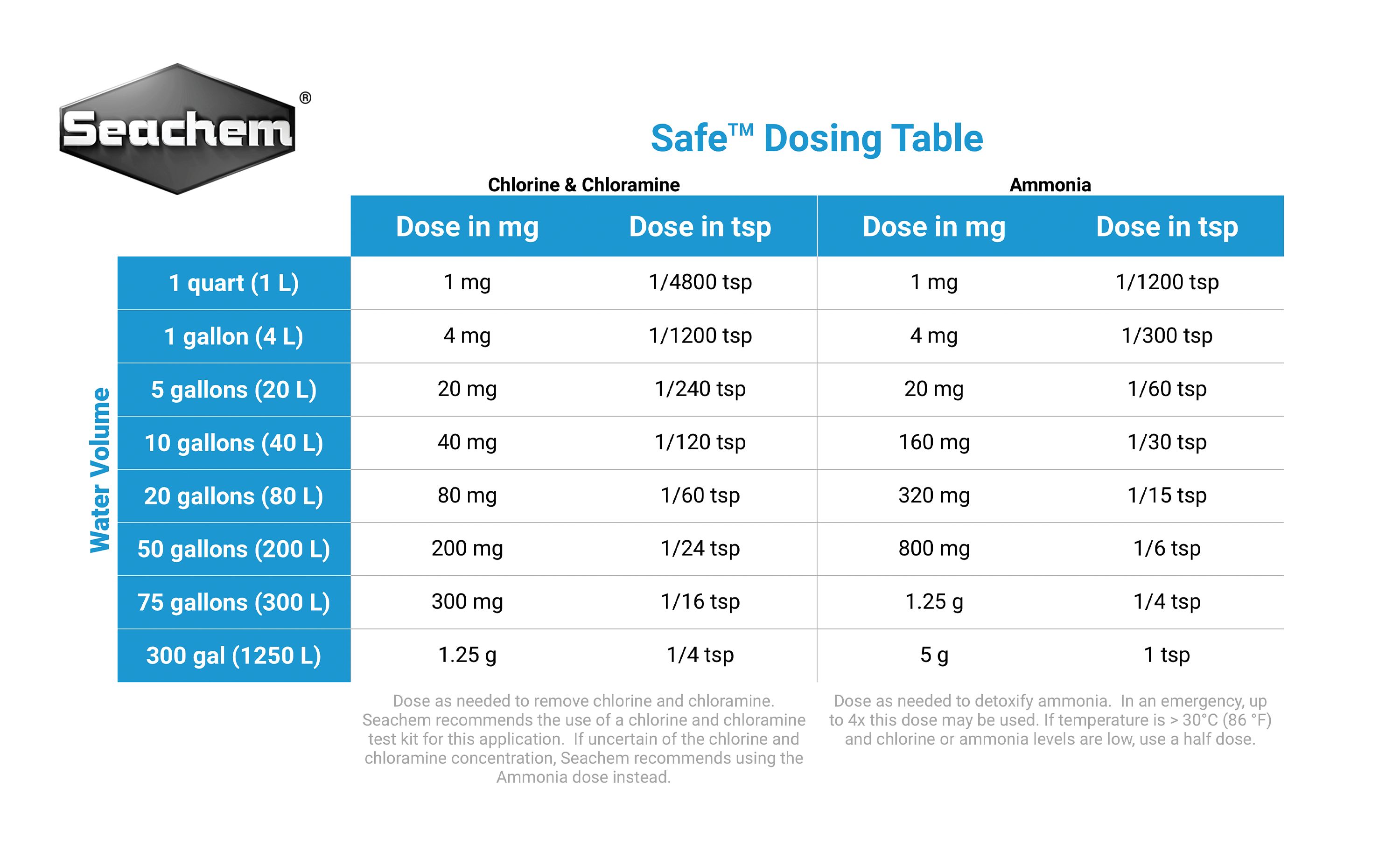
Detoxifiers like Seachem Prime buy crucial time by converting toxic NH₃ into harmless ammonium (NH₄⁺) for 24-48 hours—enough for bacteria to process it. But improper use wastes this lifeline.
The 24-Hour Safety Window: How Detoxifiers Buy Time
Prime doesn’t remove ammonia—it temporarily neutralizes toxicity while your biological filter catches up. Dose precisely based on your tank’s actual ammonia reading:
– For 0.5 ppm: Use full dose (5ml per 50 gallons)
– For 1.0+ ppm: Double dose immediately, then re-dose after 24 hours
– Never exceed triple dose—it stresses fish and reduces effectiveness
Detoxifiers work within 5 minutes but require reapplication as ammonia rebounds. Always test before re-dosing.
Common Mistakes When Dosing Ammonia Neutralizers
- Dosing into dry filter media: Add directly to tank water, not dry filter sponges (causes uneven distribution)
- Ignoring pH impact: In high-pH tanks (>8.0), more toxic NH₃ forms—dose 25% more frequently
- Skipping aeration: Detoxifiers consume oxygen—always add extra air stones during treatment
Boosting Oxygen to Counteract Ammonia Toxicity

Ammonia paralyzes fish gills, making oxygen absorption impossible. Increasing dissolved oxygen is as vital as reducing ammonia.
Why Aeration Is Non-Negotiable During Ammonia Emergencies
High ammonia reduces blood’s oxygen-carrying capacity by 50%—even well-oxygenated water becomes “suffocating.” Triple your aeration immediately:
– Add battery-powered air stones (critical during power outages)
– Point filter outlets toward the surface to maximize gas exchange
– Never turn off filters—they house your nitrifying bacteria
Quick Aeration Hacks for Immediate Oxygen Increase
- Clip an airstone to your filter intake tube for turbulent surface agitation
- Lower water level by 2 inches to increase surface ripple effect
- Place a fan blowing across the tank surface (reduces temperature by 2-3°F but boosts O₂ by 30%)
The 4 Root Causes of Ammonia Spikes (and How to Fix Each)
Treating symptoms without fixing the source guarantees repeat emergencies. Diagnose your specific cause within 24 hours.
Solving New Tank Syndrome Without Restarting the Cycle
If your tank is under 8 weeks old, insufficient bacteria cause the spike. Accelerate cycling:
1. Add 1 cup of established filter media from a healthy tank
2. Dose bacterial supplements (Tetra SafeStart) twice daily
3. Do not add new fish until ammonia and nitrite read zero for 72 hours
Correcting Overfeeding Damage in 48 Hours
Excess food causes 70% of ammonia spikes in established tanks. Emergency protocol:
– Skip all feeding for 72 hours
– Vacuum every uneaten pellet—even tiny leftovers
– Add 1 tablespoon of pure vinegar per 10 gallons to lower pH (converts NH₃ to safer NH₄⁺)
Fixing Filter Disruption After Overcleaning
Rinsing media in tap water kills bacteria. Recover safely:
1. Replace only 30% of filter media with new biomedia
2. Swirl old media in removed tank water (not tap water!) to clean gently
3. Add bacterial supplement directly into filter intake
Removing Hidden Ammonia Sources Like Dead Fish
A single decaying guppy releases enough ammonia to spike a 20-gallon tank. Daily checks prevent this:
– Shine a flashlight into caves and under plants at night
– Smell the water—rotting flesh has a distinct sulfurous odor
– Remove dead fish within 2 hours using a net (never hands)
Long-Term Prevention: Your Weekly Ammonia Prevention Checklist
Prevention beats emergency fixes. Implement these non-negotiable habits:
The 20% Water Change Rule That Stops 90% of Spikes
- Change 20-25% of water weekly (not monthly!) with a gravel vacuum
- Critical: Test parameters before and after each change
- Keep a logbook—spikes often follow missed maintenance
Filter Maintenance Mistakes That Cause Silent Ammonia Buildup
- Never replace all media at once—stagger changes over 3 weeks
- Rinse sponges in tank water only during water changes
- Replace carbon monthly but leave biomedia undisturbed for 6+ months
Pro Tip: Place a spare filter running on your tank. If ammonia spikes, instantly swap it in—no bacteria loss.
When to Call an Aquarium Professional for Persistent Ammonia
If ammonia exceeds 0.5 ppm after 48 hours of treatment, seek help. Call a pro immediately if:
– Fish show severe gill burns (white gill edges)
– Ammonia persists despite daily 50% water changes
– Your tank has rare or expensive species
Local fish stores often offer free water testing—bring a sample in a sealed container.
An ammonia spike terrifies every aquarist, but now you wield the exact steps to neutralize it. Remember: test first, act fast, fix the cause. By performing precise water changes, dosing detoxifiers correctly, and implementing weekly 20% water changes, you’ll transform from crisis responder to confident tank guardian. Most importantly, stop feeding during emergencies and never skip substrate vacuuming—these two actions save more fish than any chemical fix. Your aquarium’s stability starts today with one simple habit: testing ammonia weekly, not just when fish gasp. That single change prevents 95% of ammonia disasters before they begin.