How to Fix Cloudy Fish Aquarium Water
That milky haze in your fish tank isn’t just unsightly—it’s your aquarium screaming for help. When fish aquarium water cloudy conditions strike, visibility plummets, fish hide, and panic sets in. But here’s the truth: 95% of cloudy water cases stem from three predictable causes, not mysterious disasters. Whether you’re staring at a white fog, pea-soup green, or tea-colored tint, this guide cuts through the confusion with battle-tested fixes. You’ll learn to diagnose the exact culprit in under 5 minutes and implement targeted solutions that clear water faster than a filter change. No more guessing games—just crystal-clear results backed by aquarium science.
Why Your Aquarium Water Turns White or Gray Overnight
That opaque, milky water isn’t dirt—it’s a bacterial population explosion visible to the naked eye. When beneficial bacteria colonies multiply uncontrollably in the water column (instead of staying on filter media or substrate), they create a dense fog. This always happens for one critical reason: your tank’s nitrogen cycle is overwhelmed.
Bacterial Bloom: The New Tank Trap
If your tank is under 6 weeks old, this white cloud is normal “new tank syndrome.” As ammonia from fish waste triggers bacterial growth, the colony temporarily explodes in the water before settling on surfaces. Rushing to fix it backfires—large water changes or filter cleaning remove the very bacteria needed to stabilize your tank.
Cycle Crash in Established Tanks
Sudden white cloud in mature tanks? You’ve likely triggered a cycle crash. Ask yourself:
– Did you rinse filter media under tap water recently? (Chlorine kills bacteria)
– Did you add too many fish at once?
– Did you overdose medication that sterilized the tank?
These actions obliterate your bacterial colony, forcing a dangerous re-bloom. Test for ammonia and nitrite immediately—if either registers above 0 ppm, your fish are in emergency territory.
Stop Green Cloudy Water Algae Blooms in 72 Hours

Green, soupy water isn’t algae on surfaces—it’s microscopic phytoplankton multiplying uncontrollably in the water column. This isn’t a filter failure; it’s a nutrient tsunami meeting endless light.
Blackout Method: The Nuclear Option
Cover the tank COMPLETELY with opaque material for 5 days. No light = no photosynthesis = dead algae. Critical steps:
– Unplug lights and block all ambient light (even from windows)
– Feed fish only every other day during blackout
– Expect water to clear within 48 hours of restarting light cycle
This works 90% of the time but requires discipline—peeking resets the clock.
Starve the Bloom: Nutrient Control
Algae needs three things: light, nitrates, and phosphates. Attack the last two:
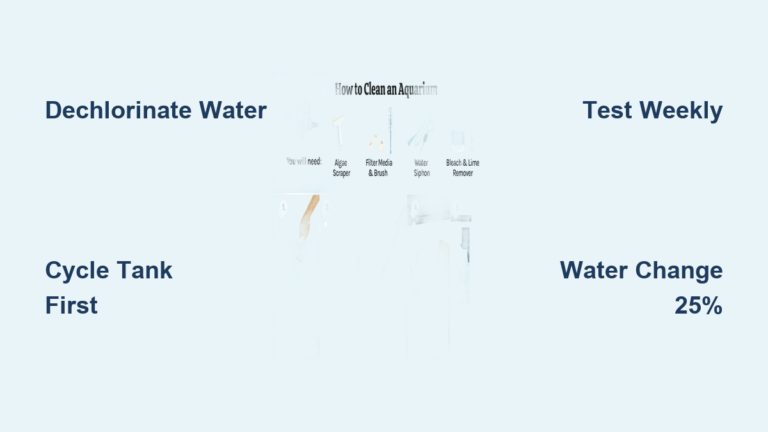
1. Perform three 15% water changes over 48 hours using dechlorinated water
2. Vacuum substrate thoroughly to remove decaying food/waste
3. Install phosphate-removing media (like Seachem PhosGuard) in your filter
Pair this with reducing light to 6 hours daily using a timer—no exceptions.
Brown Tinted Water: Tannins vs. Trouble

Don’t mistake harmless tannins for dangerous cloudiness. If your water looks like weak tea after adding driftwood or almond leaves, it’s natural organic compounds leaching out. This isn’t cloudy water—it’s a pH-lowering tint that benefits tetras, bettas, and discus.
When to Embrace the Brown
Keep tannins if:
– Your fish thrive in soft, acidic water (Amazonian species)
– You’ve noticed fewer fungal infections (tannins have antibacterial properties)
– You want a natural “blackwater” biotope aesthetic
Fast Clearing for Crystal Water
Need immediate clarity? Activated carbon is your solution. Place 1 cup per 20 gallons in your filter media basket—it absorbs tannins within 48 hours. For stubborn cases:
– Soak new driftwood in boiling water for 20 minutes before adding to tank
– Perform 30% water changes daily until tint fades
– Replace carbon monthly (saturated carbon releases tannins back into water)
Emergency Fixes for Toxic White Cloud in Established Tanks
White cloud in a mature tank with ammonia spikes demands urgent action—it means your bacterial colony collapsed. This isn’t patience-time; it’s crisis-mode.
Step-by-Step Emergency Protocol
- Test water immediately—any ammonia or nitrite above 0 ppm is lethal
- Perform 25% water changes DAILY (not 50%—shock worsens stress)
- Add ammonia-neutralizing conditioner (like Seachem Prime) at every change
- Stop feeding for 48 hours to reduce waste production
- Add bottled bacteria (Tetra SafeStart) ONLY after ammonia drops below 0.5 ppm
Continue until tests show 0 ammonia/nitrite for 48 hours straight.
Never Do These During a Bloom
- ❌ Clean all filter media at once
- ❌ Vacuum deep into substrate (disturbs bacterial colonies)
- ❌ Use clarifiers (they clump particles but don’t fix toxicity)
Prevent Cloudy Water Forever With 5 Non-Negotiable Habits
The aquarists with perpetually clear water don’t own magic filters—they follow these science-backed routines. Implement all five to eliminate 99% of cloudiness:
Feed Like Your Fish’s Life Depends on It (It Does)
Overfeeding causes 70% of bacterial blooms. Feed only what vanishes in 90 seconds once daily. Use a timer app—set it for 1 minute, then remove leftovers with a net. For tanks with messy eaters (goldfish, cichlids), freeze pellets first to slow sinking.
Water Changes: The 15% Weekly Rule
Forget monthly 50% changes—they crash your cycle. Instead:
– Change 15% of water every Tuesday
– Vacuum only 1/3 of substrate per session (rotate sections weekly)
– Always match new water temperature within 1°F of tank water
This removes nutrients steadily without shocking bacteria.
Filter Maintenance That Doesn’t Kill Your Cycle
Your filter houses billions of bacteria—treat it like a living organ:
– Rinse media ONLY in old tank water removed during water changes
– Replace mechanical pads (sponges) monthly but stagger biological media (ceramic rings) every 6 months
– Never use tap water directly on media—it contains chloramine that murders bacteria
When UV Sterilizers Outperform Every Other Fix
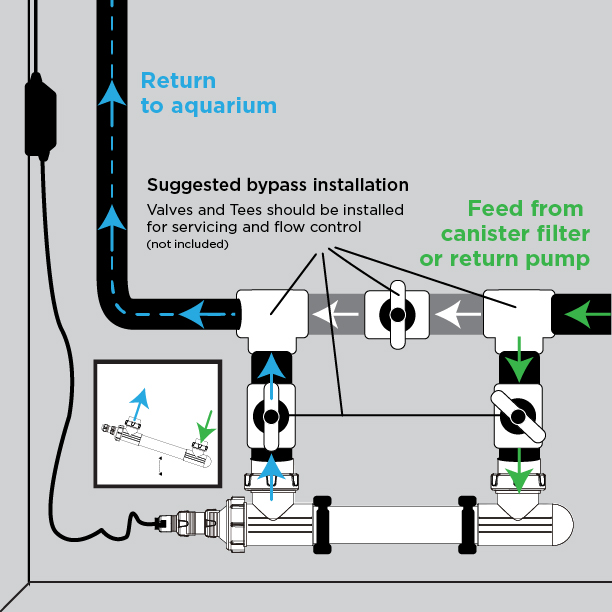
If green water returns within weeks of blackout treatment, you need a UV sterilizer. These plug-in units pass water by ultraviolet light, killing free-floating algae spores in seconds. Install one if:
– Your tank gets direct sunlight despite blackout efforts
– You have persistent high nitrates (>40 ppm) from overstocking
– You keep messy fish like goldfish or oscars
Critical setup tip: Size the UV for your tank’s actual flow rate (not volume). A 10W unit handles 100 GPH—too weak for strong filters. Run it 24/7 during blooms, then 4 hours daily for prevention.
Why Patience Beats Panic Every Time
Cloudy water triggers frantic reactions—water changes, chemical dumps, filter overhauls—that often worsen the crisis. Remember: bacterial blooms in new tanks take 10-14 days to resolve naturally. Algae blooms vanish within 7 days of strict blackout. Your fastest path to clarity is diagnosing first, acting second. Test water, identify the cloud type, then apply the targeted fix. Within 72 hours of correct treatment, your water will transform from murky to mirror-clear. And when you see that first flash of silver from a darting tetra through pristine water? That’s the moment you’ll realize cloudy water wasn’t a disaster—it was your aquarium teaching you how to listen.
Final Note: Consistent weekly maintenance prevents 95% of cloudiness. Bookmark this guide for your next emergency—but if you follow the prevention steps, you’ll rarely need it. For immediate help, test your water parameters now: any ammonia or nitrite above zero requires action within 24 hours.