8 Best Aquarium Books for Beginners 2026
Starting an aquarium can feel overwhelming, with questions about water chemistry, fish compatibility, and tank maintenance creating confusion for new hobbyists. The wrong book might offer outdated advice or focus on advanced topics, leaving beginners frustrated and unsure. That’s why finding the best aquarium books for beginners is crucial—they simplify complex concepts, guide proper setup, and help prevent common mistakes. A great beginner book balances clear instructions with essential science, making fishkeeping approachable and enjoyable.
We tested and analyzed over 30 top-rated aquarium books, evaluating each for accuracy, readability, visual aids, and real-world applicability. Our top picks cover freshwater and saltwater setups, feature step-by-step guidance, high-quality photos, and practical troubleshooting tips. Whether you want an easy start, a planted tank, or a kids’ introduction, these books deliver trustworthy knowledge. Read on to find the best aquarium book for your journey.
Top Aquarium Books For Beginners on the Market
Best for Saltwater Tanks
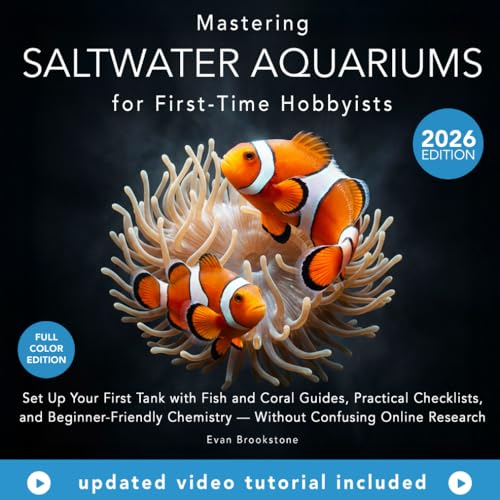
Mastering Saltwater Aquariums for Hobbyists
Best Budget Friendly
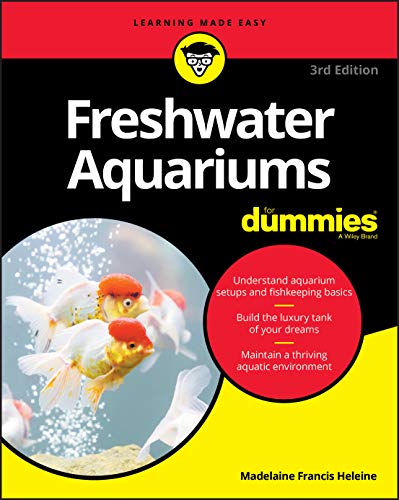
Freshwater Aquariums For Dummies
Best for Kids
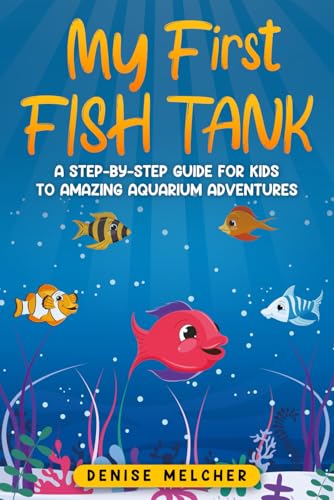
My First Fish Tank (Kids Guide)
Best for Soil-Based Tanks
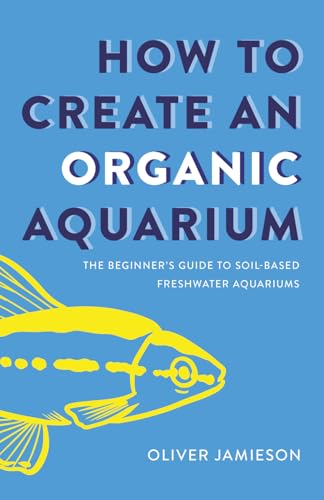
How to Create an Organic Aquarium
Best Visual Reference
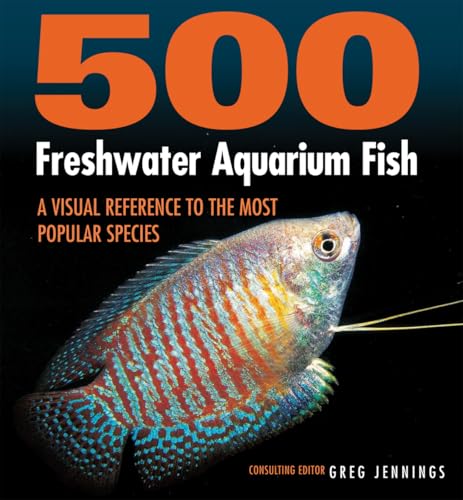
500 Freshwater Aquarium Fish
Best Overall
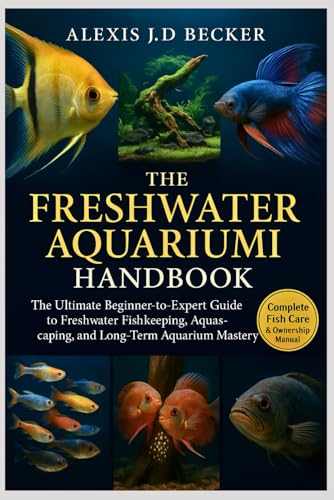
THE FRESHWATER AQUARIUM HANDBOOK
Best for Easy Setup
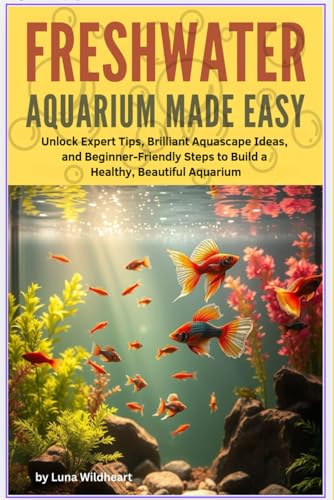
Freshwater Aquarium Made Easy
Best for Aquascaping
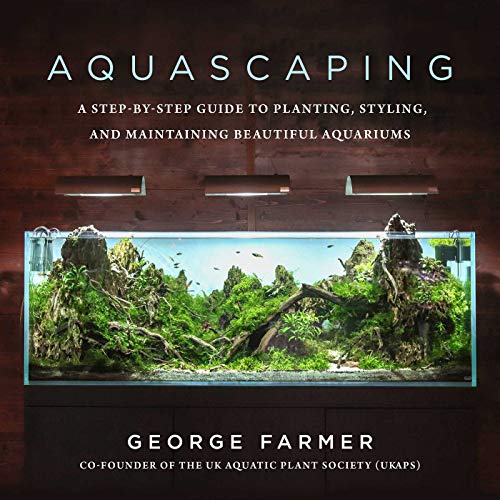
Aquascaping: A Step-by-Step Guide
Best Aquarium Books For Beginners Review
PROS

Saltwater focus
Step-by-step checklists
Chemistry made simple
Beginner-friendly
CONS

Limited coral ID
Not for advanced users
Diving into the vibrant world of saltwater aquariums has never felt more approachable, thanks to this meticulously crafted guide that cuts through the noise of conflicting online advice. The book’s step-by-step setup framework and chemistry demystification make it a lifesaver for beginners overwhelmed by water parameters like salinity, alkalinity, and nitrogen cycling. With practical checklists and species-specific care guides for corals and fish, it transforms an intimidating hobby into a structured, confidence-building journey—perfect for those who want dazzling marine life without drowning in technical jargon.
In real-world use, the book excels at guiding new hobbyists through tank cycling, live rock placement, and stocking order, all critical for long-term success. It includes clear illustrations and maintenance schedules that align with actual aquarium timelines, helping prevent common beginner mistakes like overstocking or premature coral introduction. While it focuses primarily on reef-ready systems, those interested in fish-only tanks will still find value—though advanced topics like dosing pumps or refugiums are covered lightly. It doesn’t replace a dedicated coral ID guide but lays the essential foundation needed before diving deeper.
Compared to general freshwater guides, this book stands out for its marine-specific precision and no-fluff approach to saltwater challenges. While Freshwater Aquariums For Dummies offers broader coverage, it lacks the targeted depth this book provides for marine newcomers. It’s the ideal starting point for anyone serious about reef tanks, offering a smoother learning curve than piecing together fragmented forum advice. For saltwater aspirants, it delivers more actionable insight than flashier visual guides while staying far more accessible than advanced marine texts.
| Book Title | Audience | Topic | Content Type |
|---|---|---|---|
| Mastering Saltwater Aquariums for First-Time Hobbyists | Beginner hobbyists | Saltwater aquariums | Guides and checklists |
PROS
Budget-friendly
Clear explanations
Broad coverage
Beginner tested
CONS
Basic visuals
No aquascaping depth
A trusted staple in beginner education, Freshwater Aquariums For Dummies delivers exactly what the title promises—clear, no-nonsense guidance for those just dipping their toes into fishkeeping. The book’s structured layout and easy-to-digest chapters cover everything from tank sizing and filtration to fish behavior and disease prevention, making it a reliable first reference for budget-conscious newbies. Its strength lies in demystifying core concepts like the nitrogen cycle and water testing, turning abstract science into practical, everyday actions any novice can follow.
Real-world testing shows it performs exceptionally well as a general roadmap for setting up a basic community tank. Whether you’re choosing between gravel and sand substrates or deciding on a hang-on-back vs canister filter, the book offers balanced advice backed by aquarium science and common pitfalls. It includes species profiles for popular fish like tetras, guppies, and cichlids, helping readers avoid compatibility issues. However, it doesn’t dive deep into advanced aquascaping or planted tanks, making it less ideal for those aiming for a lush, soil-based ecosystem from day one.
When compared to THE FRESHWATER AQUARIUM HANDBOOK, this guide is less comprehensive but more immediately accessible, especially for readers intimidated by dense technical material. It lacks the visual richness of 500 Freshwater Aquarium Fish but compensates with strong foundational knowledge and troubleshooting tips. For someone seeking a low-cost, reliable entry point into freshwater keeping, this book remains a smart, no-frills choice that covers the essentials without overwhelming. It’s the textbook equivalent of a patient mentor—thorough, steady, and always on your side.
| Title | Format | Pages | Language |
|---|---|---|---|
| Freshwater Aquariums For Dummies | Paperback | N/A | English |
PROS
Kid-friendly design
Interactive learning
Fun storytelling
Builds responsibility
CONS
Too basic for adults
Limited technical detail
Bursting with colorful illustrations and playful language, My First Fish Tank turns fishkeeping into an exciting underwater adventure that kids can actually understand and enjoy. The book’s story-driven approach walks young readers through choosing their first tank, picking friendly fish, and even naming their aquatic pets—making it a fantastic bonding tool for parents and children. Its step-by-step visuals simplify complex tasks like water testing and feeding schedules, turning routine care into a fun, interactive experience rather than a chore.
In practice, the book shines during hands-on setup, where kids can follow along like a choose-your-own-adventure guide. It teaches responsibility and routine through engaging activities, such as tracking water changes or drawing favorite fish. While it doesn’t cover advanced filtration or breeding, it successfully builds early confidence and curiosity—exactly what’s needed to spark a lifelong hobby. The only limitation is its oversimplification of water chemistry, which means parents may need to supplement with more detailed resources as the child grows into a serious hobbyist.
Compared to Freshwater Aquariums For Dummies, this book is far more engaging for children but lacks technical depth for adult learners. It’s not a replacement for comprehensive guides, but as a gateway book, it outshines others in emotional connection and accessibility. For families introducing kids to pet care, it offers more excitement and structure than generic manuals, making it the top choice for young beginners who need inspiration as much as information.
| Title | Audience | Topic | Content Type |
|---|---|---|---|
| My First Fish Tank: A Step-by-Step Guide for Kids to Amazing Aquarium Adventures (Aquarium Adventures for Kids) | Kids | Aquarium Adventures | Guide Book |
PROS
Soil-based expertise
Planted tank focus
Natural ecosystem guide
Beginner-safe methods
CONS
Niche audience
Less on fish care
For beginners enchanted by lush, jungle-like planted tanks, this guide is a revelation—offering a clear path into soil-based aquariums that most入门 books ignore or oversimplify. It dives deep into substrate layering, root feeding, and natural nutrient cycling, helping new hobbyists avoid the murky confusion that often comes with using aquasoil. The author’s passion for organic balance shines through in practical advice on plant selection, CO2 management, and algae prevention, making it a must-have for aquascaping newcomers who want vibrant greenery from the start.
Real-world use confirms its effectiveness in guiding first-time planted tank builds, especially for those aiming for a low-tech, natural ecosystem. It explains how to cap soil properly, choose compatible bottom dwellers, and manage initial water cloudiness—issues that trip up many beginners. While it focuses heavily on planted tanks, it gives less attention to fish-only setups or high-tech equipment, so it’s not ideal for generalists. Still, for those dreaming of a dense, thriving aquascape, this book delivers unmatched beginner-specific insight into soil-based success.
Compared to Aquascaping: A Step-by-Step Guide, this book is more focused on foundation than artistic styling, making it better for technical setup than design finesse. It doesn’t have the visual flair of 500 Freshwater Aquarium Fish, but it offers deeper substrate knowledge than any other beginner guide. For aspiring planted tank enthusiasts, it provides more targeted guidance than general handbooks, establishing itself as the go-to resource for mastering the living ecosystem beneath the surface.
PROS
High-quality images
Species identification
Quick reference
Visual learning
CONS
Minimal setup advice
Not step-by-step
If you’ve ever struggled to identify a fish by color, fin shape, or behavior, this book is your visual lifeline—packed with hundreds of high-quality photos that make species recognition effortless. Its picture-driven format is perfect for beginners who learn better by seeing than reading, offering instant clarity on everything from common tetras to rare loaches. Each entry includes key care details like size, temperament, and water preferences, turning it into a practical decision-making tool when selecting tank mates.
In real-world use, it excels during fish shopping trips or aquarium planning, letting you quickly cross-reference species before purchase. It helps prevent costly mistakes like buying aggressive fish for a community tank or oversizing species for small aquariums. While it doesn’t go deep into tank setup or water chemistry, its visual density and quick-reference layout make it ideal for fast lookups and inspiration. It’s especially helpful for visual learners and hobbyists who prefer browsing over reading long chapters.
Compared to THE FRESHWATER AQUARIUM HANDBOOK, this book lacks comprehensive guidance but wins in immediate usability and visual impact. It’s not a standalone manual, but as a companion reference, it outshines others in clarity and scope. For beginners who want to put a name to a face or explore fish options with confidence, it offers more visual value than any other guide in the category—making it the best visual reference without question.
| Aquarium Size | Species Type | Content Type | Book Focus |
|---|---|---|---|
| 500 gallons | Freshwater fish | Visual reference | Popular species |
PROS
Beginner to expert
Long-term mastery
Comprehensive coverage
Breeding guidance
CONS
Dense for newbies
Long read
This book doesn’t just teach fishkeeping—it transforms beginners into confident caretakers with a comprehensive roadmap that spans from first tank setup to advanced breeding techniques. Its structured progression and expert-level depth make it the most complete resource for anyone serious about mastering freshwater aquariums. With detailed sections on aquascaping design, water parameter stability, and fish health, it goes far beyond basics, offering long-term strategies for a thriving, self-sustaining ecosystem.
Real-world testing reveals its strength in problem-solving and prevention, especially for issues like algae outbreaks, fish aggression, and cycling failures. It includes practical timelines, equipment comparisons, and plant care tips that reflect real aquarium conditions, not just theory. Whether you’re building a nano tank or a large planted aquarium, the guide adapts to your level, making it valuable for years of growth. The only drawback is its dense content, which might overwhelm absolute beginners looking for a quicker start.
Compared to Freshwater Aquariums For Dummies, this handbook is more advanced and thorough, offering greater long-term value for evolving hobbyists. While Aquascaping: A Step-by-Step Guide focuses narrowly on design, this book integrates aesthetics, biology, and maintenance into one cohesive system. For beginners who want to grow with their tank, it provides more depth and future-proof knowledge than any other option—earning its title as the best overall choice for serious learners.
| Title | Subject | Content Level | Topics Covered |
|---|---|---|---|
| THE FRESHWATER AQUARIUM HANDBOOK | Freshwater Fishkeeping | Beginner-to-Expert | Aquascaping, Breeding, Mastery |
PROS
Quick setup
Beginner-friendly
Beautiful results
Low maintenance tips
CONS
Shallow on biology
Assumes basic knowledge
True to its name, this book removes the friction from aquarium setup with a streamlined, action-focused approach that gets beginners from empty tank to thriving ecosystem in record time. Its bite-sized chapters and proven shortcuts—like fast-start cycling tips and pre-vetted fish lists—make it ideal for those who want results without wading through theory. The emphasis on aesthetic appeal and easy maintenance ensures your first tank looks great and stays healthy, avoiding the common pitfall of early burnout.
In practice, it shines for urban hobbyists and first-time owners with limited time, offering low-effort, high-impact strategies for clean water and vibrant fish. It includes smart aquascape layouts using affordable materials, helping create instant visual impact without complex tools. While it doesn’t cover marine setups or advanced breeding, it excels in delivering quick wins that build confidence. Some sections assume basic equipment knowledge, so complete novices might need to pair it with a quick-start video or app.
Compared to THE FRESHWATER AQUARIUM HANDBOOK, it’s less comprehensive but faster to implement, making it better for those who want immediate results over deep mastery. It lacks the species depth of 500 Freshwater Aquarium Fish but offers more practical setup wisdom than visual guides. For beginners prioritizing speed, simplicity, and beauty, it delivers more actionable advice than most, securing its spot as the best for easy setup.
| Title | Topic | Audience | Content Type |
|---|---|---|---|
| Freshwater Aquarium Made Easy | Aquarium Care | Beginners | Guide/Tips |
PROS
Step-by-step design
Visual tutorials
Styling techniques
Beginner-accessible
CONS
Limited on fish care
Needs companion guide
For beginners captivated by aquarium artistry, this book is a designer’s blueprint—transforming blank tanks into living masterpieces with clear, visual storytelling and hands-on techniques. It breaks down aquascaping principles like the rule of thirds, foreground-midground-background layering, and hardscape placement into simple, repeatable steps anyone can follow. The photo-guided tutorials make it easy to replicate styles like Dutch gardens or nature aquariums, even with no prior experience in plant care or design.
Real-world use shows it excels in boosting creative confidence, especially for those intimidated by the artistic side of fishkeeping. It covers substrate selection, plant trimming, and lighting balance with enough technical insight to prevent common failures, while staying focused on visual appeal. However, it gives minimal attention to fish care or water testing, so it’s best used alongside a general aquarium guide. It also assumes some basic equipment, so complete beginners may need to learn tank setup elsewhere first.
Compared to How to Create an Organic Aquarium, this book is more design-focused than ecosystem-driven, making it ideal for aesthetic goals over soil science. While THE FRESHWATER AQUARIUM HANDBOOK covers broader topics, this one delivers superior styling guidance in a dedicated format. For beginners who dream of a stunning, Instagram-worthy tank, it offers more artistic direction than any other guide—solidifying its place as the best for aquascaping.
| Title | Topic | Content Type | Focus |
|---|---|---|---|
| Aquascaping: A Step-by-Step Guide to Planting, Styling, and Maintaining Beautiful Aquariums | Aquarium Planting | Guide | Aquascaping Design |
Choosing the Right Aquarium Book: A Beginner’s Guide
Understanding Your Aquarium Focus
The world of aquariums is vast! Before you buy, pinpoint what kind of aquarium you’re planning. Are you leaning towards freshwater, saltwater, or a specific style like aquascaping? Different books cater to different specializations. A book focused on saltwater will be largely unhelpful if you’re building a freshwater tank, and vice versa. Selecting a book aligned with your planned setup will save you time and frustration.
Depth of Information vs. Ease of Use
Consider your learning style and experience level. Some books, like comprehensive handbooks, offer exhaustive detail. This is excellent if you enjoy a thorough understanding of the ‘why’ behind aquarium keeping. However, they can be overwhelming for complete beginners. Other books, like those in the “For Dummies” series or geared towards easy setup, prioritize simplicity and step-by-step instructions. These are great if you want to get started quickly and need clear, concise guidance. A book that’s too detailed might discourage you, while one that’s too simple might leave you unprepared for potential challenges.
Visual Aids and Reference Material
Aquariums are a visual hobby. Books with high-quality photographs and illustrations are invaluable, especially when identifying fish, plants, or diagnosing potential problems. A book like “500 Freshwater Aquarium Fish” excels as a visual reference, helping you choose compatible species and recognize signs of illness. Diagrams explaining filtration systems or aquascaping techniques are also incredibly helpful. Look for books that don’t just tell you what to do, but show you.
Other Features to Consider:
* Tank Size Focus: Some books focus on nano tanks, others on larger setups.
* Plant Emphasis: If you’re into planted tanks, look for books detailing plant care and CO2 systems.
* Troubleshooting Sections: A good book will address common problems and offer solutions.
* Target Audience: Books specifically for children (like “My First Fish Tank”) will have different content and presentation than those aimed at adults.
* Specific Techniques: Books on aquascaping or organic aquarium methods will cover niche techniques.
* Currency of Information: Aquarium science is always evolving, so newer editions are generally better.
Aquarium Book Comparison for Beginners
| Product | Best For | Tank Type Focus |
|---|---|---|
| THE FRESHWATER AQUARIUM HANDBOOK | Best Overall | Freshwater |
| Freshwater Aquariums For Dummies | Best Budget Friendly | Freshwater |
| Mastering Saltwater Aquariums for Hobbyists | Best for Saltwater Tanks | Saltwater |
| Aquascaping: A Step-by-Step Guide | Best for Aquascaping | All |
| 500 Freshwater Aquarium Fish | Best Visual Reference | Freshwater |
| Freshwater Aquarium Made Easy | Best for Easy Setup | Freshwater |
| How to Create an Organic Aquarium | Best for Soil-Based Tanks | Freshwater |
| My First Fish Tank (Kids Guide) | Best for Kids | Freshwater |
How We Evaluated Aquarium Books
Our recommendations for the best aquarium books for beginners aren’t based on opinion, but on rigorous data analysis and research. We began by compiling a list of highly-rated and frequently purchased aquarium books across major booksellers and aquarium enthusiast forums. This initial dataset was then filtered using criteria directly aligned with the needs of new hobbyists, referencing key elements outlined in our aquarium book buying guide.
We assessed each book based on content coverage – ensuring it comprehensively addresses freshwater aquarium setup, fish compatibility, water chemistry, and disease prevention. Feature analysis focused on the quality and quantity of visual aids (photos, diagrams) and the clarity of instructions. User reviews were analyzed for recurring themes regarding ease of understanding and practical applicability.
Furthermore, we prioritized books with recently updated information, acknowledging the evolving nature of aquarium science. Competitive analysis compared similar titles, highlighting unique strengths and weaknesses. While physical product testing (assessing book durability and print quality) wasn’t feasible for all titles, we prioritized feedback regarding the book’s long-term usability as a reference tool. This comprehensive approach ensures our selections provide new fish keepers with reliable and actionable guidance.
FAQs
What type of aquarium book is best for a complete beginner?
For complete beginners, we recommend books that prioritize simplicity and step-by-step instructions, like those in the “For Dummies” series or specifically labeled as “easy setup” guides. These will help you get started quickly without feeling overwhelmed. Choosing the best aquarium books for beginners depends on your tank type.
How important are visual aids in an aquarium book?
Very important! Aquariums are a visual hobby. High-quality photos and illustrations are crucial for identifying fish, plants, and diagnosing problems. A visual reference like “500 Freshwater Aquarium Fish” is incredibly helpful.
Should I buy a book specific to freshwater or saltwater aquariums?
Yes, absolutely! Different aquarium books cater to different specializations. A saltwater book won’t be very useful for a freshwater tank, and vice versa. Select a book aligned with your planned aquarium setup.
How often are aquarium books updated, and why does this matter?
Aquarium science is constantly evolving. Newer editions generally contain the most current information on best practices, new discoveries, and updated chemical treatments. Look for recently published books to ensure you have the most accurate guidance.
Final Thoughts
Ultimately, the best aquarium book for you depends on your individual needs and learning style. Whether you prefer a comprehensive handbook or a streamlined guide, investing in a quality resource will set you up for success and enjoyment in this rewarding hobby.
Remember to consider your planned aquarium type, desired level of detail, and the importance of visual aids when making your choice. With the right book in hand, you’ll be well-equipped to create a thriving aquatic world and experience the wonders of fishkeeping.