How to Set Up a Tropical Aquarium: Easy Guide
You’ve bought the tank, filled it with water, and now you’re itching to add vibrant fish—only to discover your impatience could poison them within days. Most beginners make the fatal error of thinking a tropical aquarium is ready for fish in “a couple of days,” but without establishing the nitrogen cycle first, your tank becomes a death trap. Toxic ammonia from fish waste will spike within hours, causing gill damage, suffocation, and a phenomenon called “New Tank Syndrome.” This guide cuts through the confusion with a proven fishless cycling method that takes 4-8 weeks but saves your fish from unnecessary suffering. You’ll learn exactly how to build a stable ecosystem where fish thrive for years, not days.
Ignoring the nitrogen cycle is why 70% of beginner aquariums fail within the first month. When PatSHIELD shared their new setup online, experienced hobbyists urgently warned: “You require much much more than a few days to make a tank safe for fish.” Without beneficial bacteria to convert deadly ammonia into harmless nitrate, even a single fish can turn your tank into a toxic soup. This isn’t just theory—it’s chemistry. But by following the fishless cycle process we’ll detail, you’ll create a living filter that protects your fish from day one. Skip this, and you’re gambling with lives. Do it right, and you’ll enjoy a thriving underwater world for years.
Why Your Tropical Aquarium Must Cycle for 4-8 Weeks (Not Days)
Rushing your tropical aquarium setup by adding fish immediately causes catastrophic ammonia spikes that burn fish gills and destroy their immune systems. The nitrogen cycle isn’t optional—it’s the biological engine that converts lethal fish waste into safe compounds. When you skip this phase, you’re essentially dropping fish into poison.
How Ammonia, Nitrite, and Nitrate Poison Fish in Uncycled Tanks
Ammonia (NH3) is the silent killer in new tanks. Even at 0.25 ppm—undetectable without testing—it causes gasping at the surface, red streaks on fins, and rapid gill damage. As Nitrosomonas bacteria slowly colonize your filter, they convert ammonia to nitrite (NO2-), which cuts off oxygen transport in fish blood. Finally, Nitrobacter bacteria transform nitrite into nitrate (NO3-), which is only dangerous above 40 ppm. Never add fish until both ammonia and nitrite read 0 ppm—this is non-negotiable for survival.
Step 1: Start the Fishless Cycle With Pure Ammonia or Shrimp
On day one of your tropical aquarium setup, add your ammonia source to jumpstart bacteria growth:
– Option A: 3–5 drops of pure unscented household ammonia (no surfactants) per 10 gallons
– Option B: A dime-sized piece of raw, unseasoned shrimp (replaced weekly)
Critical: Use a liquid test kit (API Freshwater Master Test Kit) to dose ammonia to 2–4 ppm. If levels drop below 0.5 ppm, add more ammonia. Strips are unreliable for cycling—don’t gamble with inaccurate readings.
Step 2: Monitor Water Parameters Every 1-2 Days for 4-8 Weeks
Track progress with this exact sequence:
1. Weeks 1–2: Ammonia spikes (2–4 ppm), then crashes as Nitrosomonas bacteria multiply
2. Weeks 2–4: Nitrite surges (5+ ppm)—do not panic—this means the first bacteria colony is working
3. Weeks 4–8: Nitrite drops to 0 ppm while nitrate rises (10–40 ppm)—your tank is now cycled!
Pro tip: Keep your heater at 78–80°F and run the filter 24/7—bacteria grow 40% faster in warm, oxygenated water. Never do water changes during cycling; they reset your progress by removing ammonia “food.” Only top off evaporation with dechlorinated water.
Essential Equipment Checklist for a Stable Tropical Tank

A 10-gallon tank might seem affordable, but unstable water parameters will kill fish faster. Invest in these non-negotiable items before filling your tank:
Why a 20-Gallon Tank Is the Minimum for Beginners
Smaller volumes (under 20 gallons) experience rapid temperature swings and toxin spikes. A 20-gallon long tank provides 30% more surface area for gas exchange and dilutes waste effectively. Never buy the smallest tank you can afford—buy the largest you can fit. Your fish’s survival depends on water stability.
Filter Sizing: Why Oversizing Prevents Water Quality Crashes
Use a filter rated for double your tank size (e.g., a 40-gallon filter for a 20-gallon tank). This ensures:
– 8–10x hourly water turnover for optimal oxygenation
– Ample surface area for bacterial colonies in the media
– Reduced maintenance (clean only 25% of media monthly in old tank water)
Critical mistake: Replacing all filter media at once wipes out 90% of your bacteria. Always rinse media in a bucket of tank water during water changes—never tap water (chlorine kills bacteria).
How to Decorate and Plant Your Tank Before Cycling
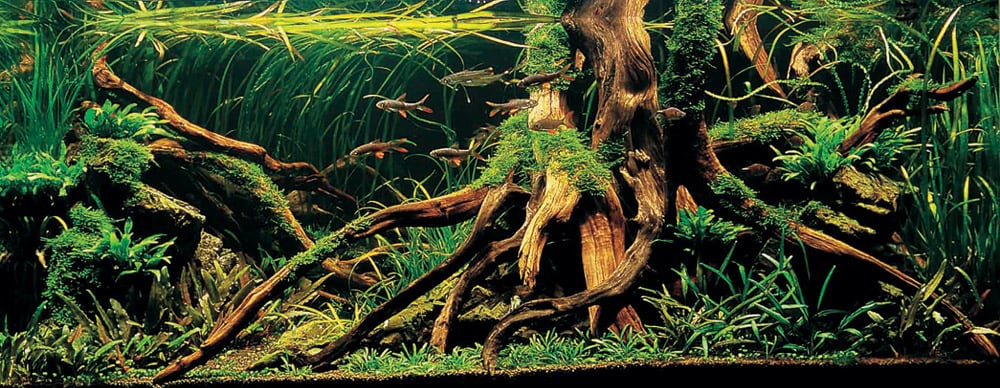
Live plants aren’t just decorative—they absorb nitrates and provide bacterial colonization sites. Set up your tank before adding water to avoid disturbing layouts:
Rinse Gravel Thoroughly to Avoid Cloudy Water
Place substrate in a clean bucket and rinse under running water until clear. Skipping this coats fish gills in dust, causing respiratory distress. Use 2–3 inches of gravel for plant roots or sand for bottom dwellers like corydoras.
Add Plants Like Anubias and Java Fern Before Filling
Attach low-light plants to driftwood or rocks with fishing line:
– Anubias: Grows in low light, won’t be eaten by fish
– Java Fern: Thrives when rhizome is tied (not buried)
– Amazon Sword: Planted in substrate for dense background
Pro tip: Float duckweed or water lettuce—they accelerate cycling by absorbing ammonia directly. Fill the tank to 1 inch below the rim to prevent splashes but allow space for surface agitation.
How to Safely Introduce Fish After Cycling Completes
Your tank is cycled when tests show 0 ppm ammonia, 0 ppm nitrite, and 5–40 ppm nitrate. Now introduce fish strategically:
Stock Slowly: Add Only 2–3 Hardy Fish in the First Week
Start with these beginner-safe species:
– Zebra Danios: Tolerate parameter swings, active swimmers
– Corydoras Panda: Scour substrate, peaceful bottom dwellers
– White Cloud Minnows: Cold-water tolerant if heater fails
Never add a betta first—as one hobbyist warned: “Male bettas become territorial if added to an empty tank.” Always add community fish first, then bettas after 2 weeks so they don’t claim the tank as territory.
Acclimate Fish Properly to Prevent Shock
- Float the sealed bag for 15 minutes to match tank temperature
- Add 1 cup of tank water to the bag every 5 minutes for 15 minutes
- Use a net to transfer fish—never pour store water into your tank
- Feed sparingly for 24 hours to reduce waste
Critical: Quarantine new fish for 2–4 weeks in a separate tank. PatSHIELD learned this the hard way—adding fish too soon caused crashes until they implemented quarantine.
Weekly Maintenance to Keep Your Tropical Aquarium Thriving
Skipping water changes causes nitrate buildup that stunts fish growth and triggers algae blooms. Stick to this non-negotiable routine:
Siphon 25% of Water Weekly With a Gravel Vacuum
Vacuum the substrate to remove decaying food and waste. Replace with dechlorinated water matched to tank temperature (±2°F). Over 50% water changes shock bacteria—never exceed 25% weekly.
Test Ammonia and Nitrite Every 3 Days After Adding New Fish
New fish stress the cycle. If ammonia appears:
– Stop feeding for 24 hours
– Add bacteria supplement (e.g., Seachem Stability)
– Perform 20% water change
Pro tip: Live plants like Java Moss reduce nitrate spikes by 30%—they’re your first line of defense.
Critical Mistakes That Kill New Tropical Aquariums
:strip_icc()/common-new-aquarium-mistakes-1380712_FINAL-e4b82ab20a254a5b8d7b9ca09a56d665.png)
Avoid these five errors that cause 90% of beginner failures:
Skipping the Cycle: The #1 Cause of New Tank Syndrome
As one commenter stressed: “Without cycling, there are no beneficial bacteria to make the water safe.” Fish-in cycling causes chronic stress, disease, and death. The 4–8 week fishless cycle is the only ethical start.
Overfeeding: How Excess Food Creates Deadly Ammonia Spikes
Feed only what fish eat in 2 minutes, once daily. Uneaten food decays into ammonia—this causes more crashes than any other mistake. Use a timer to avoid overfeeding.
Final Note: A properly cycled tropical aquarium requires patience upfront but rewards you with vibrant, healthy fish for years. By dedicating 4–8 weeks to the fishless cycle, you build an invisible army of bacteria that protects your fish daily. Start small with hardy species, maintain weekly water changes, and never rush the process—your fish’s lives depend on it. When PatSHIELD followed this method, their tank flourished with X-ray tetras, panda corys, and a peaceful betta. Yours can too.