How to Add Nitrates to Aquarium Water
Your aquatic plants are struggling to thrive despite perfect lighting and CO₂ levels. The culprit? Likely insufficient nitrates. While most aquarium guides focus on reducing nitrates, many planted tanks actually need more of this essential nutrient. Mastering how to add nitrates to aquarium environments properly transforms lackluster plant growth into a vibrant underwater garden. This guide delivers precise, safe methods to boost nitrate levels without endangering your fish, ensuring your aquatic ecosystem achieves perfect balance.
Why Your Planted Tank Needs Nitrate Boosting
Aquatic plants require nitrates as a primary nitrogen source for healthy growth, but heavily planted tanks often deplete these nutrients faster than fish waste can replenish them. When your nitrate levels consistently read zero, you’ll notice stunted growth, yellowing leaves, and poor coloration in demanding species like red Ludwigia or Rotala. Unlike fish-only tanks where nitrates are problematic, planted aquariums need 10-30 ppm for optimal plant development. The challenge lies in safely increasing nitrates without triggering algae blooms or stressing your aquatic inhabitants.
Critical Pre-Addition Testing Protocol
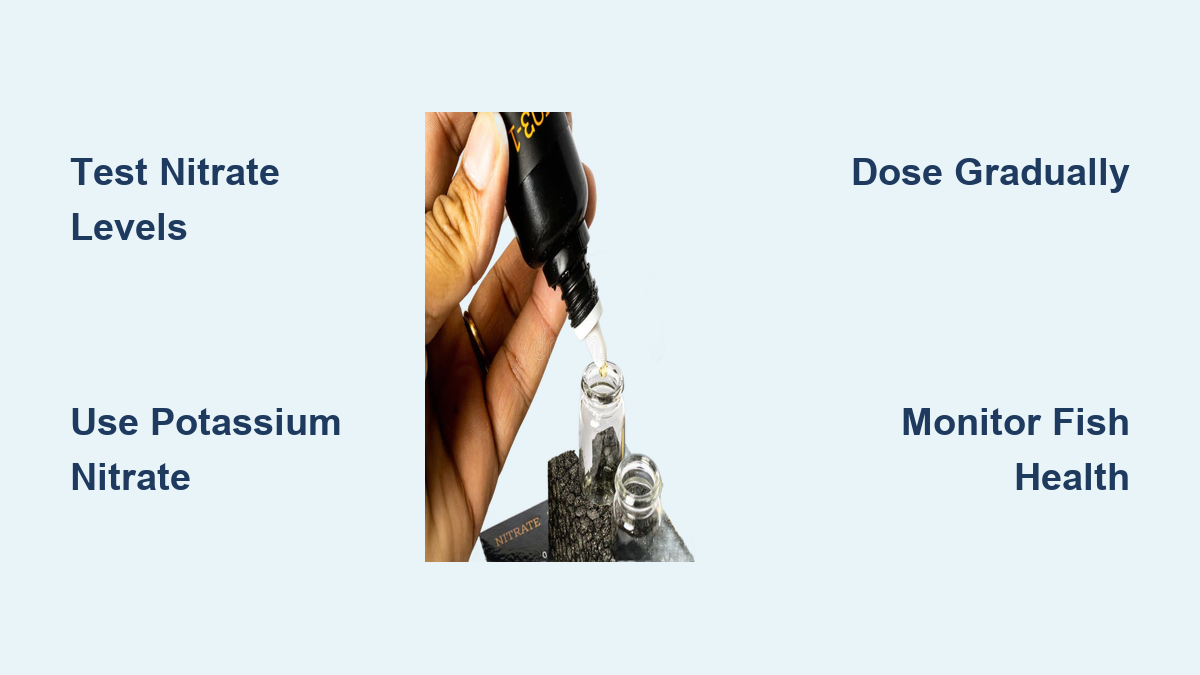
Before attempting how to add nitrates to aquarium systems, precise measurement is non-negotiable. Liquid test kits like API Freshwater Master or Salifert provide the accuracy strips lack, especially at low concentrations. Test your water three times over 24 hours to confirm consistently low readings below 5 ppm. For planted freshwater tanks, your target range is 10-25 ppm; exceeding 40 ppm risks fish health. Document your baseline measurements—you’ll need this data to calculate precise additions and track progress. Never proceed without confirmed low nitrate levels, as unnecessary supplementation creates dangerous water conditions.
How to Interpret Your Nitrate Test Results
Your test results determine the appropriate nitrate-boosting strategy. If readings fall between 5-10 ppm, natural methods may suffice. Below 5 ppm requires immediate intervention using either organic approaches or controlled dosing. Note that some test kits measure nitrate-nitrogen (NO₃-N), which requires multiplying by 4.4 to convert to standard nitrate (NO₃) values. Misinterpreting these results leads to dangerous overdosing—always verify which measurement your kit uses.
Natural Nitrate Boosting Without Chemicals
When learning how to add nitrates to aquarium environments safely, start with ecosystem-friendly approaches that work with your tank’s biology rather than against it. The most sustainable method involves strategically increasing organic decomposition within your system. Add Indian almond leaves or alder cones to your substrate—they release tannins and organic compounds that gradually convert to nitrates through the nitrogen cycle. For immediate impact, introduce nutrient-rich substrates like ADA Aqua Soil beneath your gravel layer, which slowly releases nitrogen compounds over months.
Strategic Fish Population Adjustments
Carefully increasing your bioload provides the most natural nitrate source but requires precision. Add one hardy fish like a corydoras catfish per 10 gallons weekly while monitoring ammonia levels. Alternatively, slightly increase feeding duration by 5-10 seconds per session, but never allow visible uneaten food to accumulate. Overfeeding causes dangerous ammonia spikes that harm fish more than low nitrates help plants. This method works best in mature tanks with established biological filtration capable of handling the increased waste.
Precise Artificial Dosing Techniques

When natural methods fail to maintain adequate levels, controlled dosing becomes essential for how to add nitrates to aquarium setups with high plant demands. Potassium nitrate (KNO₃) solutions offer the most precise control—dissolve 1 teaspoon in 500ml of RO water to create a stock solution. For a 20-gallon tank needing a 10 ppm boost, add 10ml of this solution daily while testing after each addition. Commercial products like Seachem Nitrogen provide pre-measured dosing convenience with lower overdose risk for beginners.
Commercial Fertilizer Comparison Guide

| Product | Best For | Nitrate Content | Dosage Frequency |
|---|---|---|---|
| Seachem Nitrogen | Precision dosing | High (KNO₃) | Daily |
| NilocG Thrive | Comprehensive nutrition | Moderate | 2-3x weekly |
| API Nitrate Booster | Emergency boosts | High | As needed |
| Tropica Premium | Low-tech tanks | Low | Weekly |
Choose liquid fertilizers for small tanks under 20 gallons where precise measurements matter most. Dry fertilizers like those used in EI (Estimative Index) dosing work better for larger systems. Always start with 25% of the recommended dosage to assess your tank’s response before increasing.
Step-by-Step Nitrate Addition Procedure
Follow this exact sequence when implementing how to add nitrates to aquarium water to prevent dangerous spikes. First, perform a 20% water change to establish a clean baseline. Next, prepare your nitrate solution according to product instructions—never add dry chemicals directly to the tank. During your next water change, add the solution to the new water before introducing it to your aquarium. This dilution method prevents localized high-concentration zones that stress fish. Wait 4 hours, then retest your water. If levels remain below target, repeat with half the initial dose the following day.
Critical Safety Checks During Dosing
Monitor your fish closely for signs of distress including lethargy, rapid gill movement, or loss of appetite. If you observe these symptoms, perform an immediate 30% water change with nitrate-free water. Never attempt to correct a perceived nitrate deficiency in a newly cycled tank—wait until your biological filtration is fully established (6+ weeks). Tanks under 10 gallons require extra caution as small volumes magnify dosage errors; use half-strength solutions and test after 1 hour instead of 4.
Troubleshooting Common Nitrate Issues
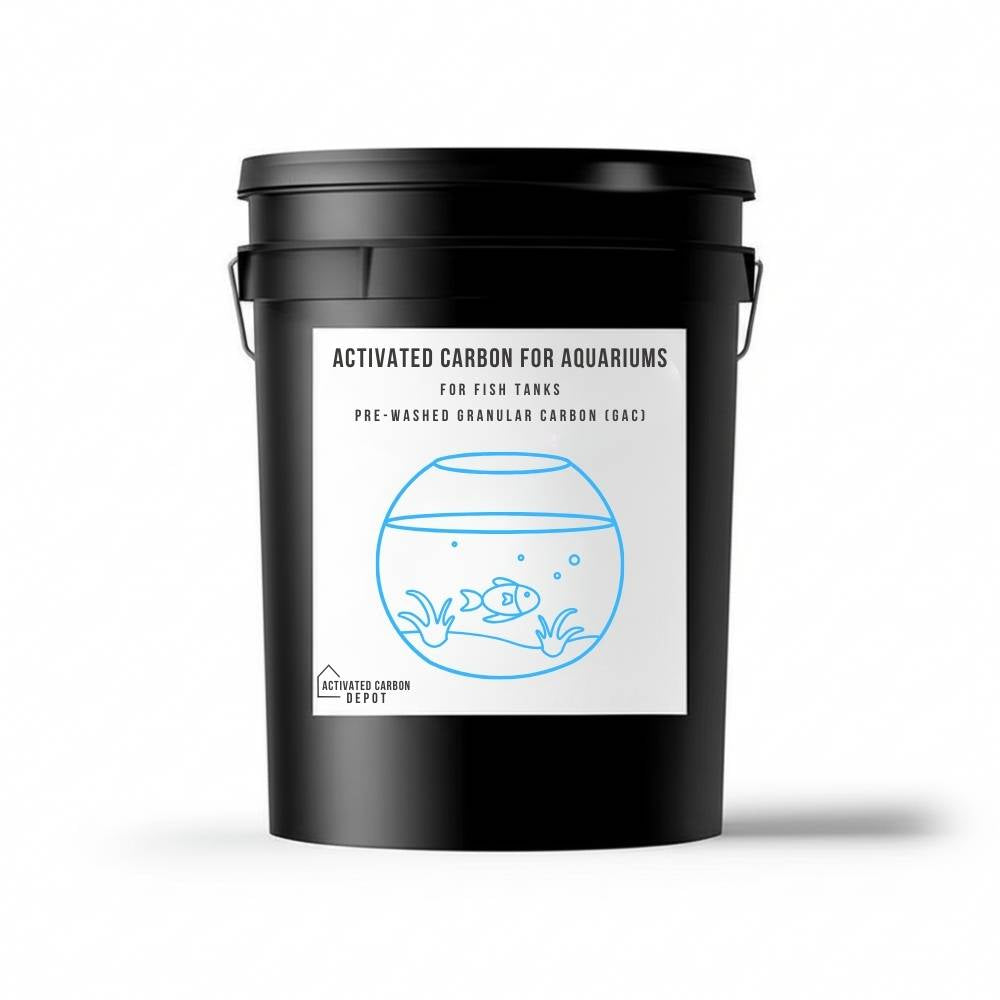
When your nitrate levels refuse to rise despite consistent efforts, diagnose these frequent problems. Over-filtration with excessive chemical media like activated carbon absorbs added nitrates—remove carbon for 48 hours before dosing. In heavily planted tanks with fast growers like hornwort or water sprite, your plants may consume nitrates faster than you can add them—reduce plant density or increase dosing frequency. If testing shows fluctuating levels, verify your test kit’s accuracy against a second brand, as expired reagents cause false readings.
Emergency Correction for Overdosing
Accidentally exceeding 40 ppm requires immediate action. Perform a 50% water change using pre-treated water with zero nitrates. Add Seachem Prime to detoxify any accompanying ammonia. For severe cases above 60 ppm, follow with a second 30% change after 4 hours. Never attempt to lower nitrates with chemical removers—they disrupt other water parameters. Monitor fish continuously for 24 hours and avoid further dosing until levels stabilize below 30 ppm.
Long-Term Nitrate Management Strategy
Mastering how to add nitrates to aquarium ecosystems sustainably requires establishing routines that maintain consistent levels. Implement weekly testing every Monday morning when your tank is most stable. For planted tanks, dose liquid fertilizers every other day rather than larger weekly doses to prevent spikes. Keep a maintenance log tracking nitrate levels alongside plant growth observations—this reveals patterns specific to your tank. Every three months, refresh 20% of your substrate to replenish depleted nutrients without disturbing root systems.
Pro Tips for Nitrate Stability
Place fast-growing floating plants like frogbit in tanks prone to nitrate fluctuations—these act as natural buffers by consuming excess nutrients. In high-tech CO₂-injected systems, match your nitrate dosing schedule to your lighting period, adding nutrients during the first half of the photoperiod when plants absorb them most efficiently. For community tanks with sensitive fish like discus, maintain nitrates at the lower end of the range (10-15 ppm) by using root tabs for heavy feeders like Amazon swords instead of water column dosing.
Achieving perfect nitrate balance transforms your aquarium from surviving to thriving. By following these precise methods for how to add nitrates to aquarium environments, you’ll create conditions where plants grow vigorously without compromising fish health. Remember that stability matters more than hitting an exact number—consistently 15 ppm is far better than fluctuating between 5-25 ppm. Maintain weekly testing discipline, adjust methods based on your tank’s unique response, and document your journey to refine your approach over time. Your underwater garden will reward your precision with explosive growth and vibrant colors that turn your aquarium into a living work of art.