How Long Is a 75 Gallon Aquarium?
You’ve decided to level up your fishkeeping hobby with a 75-gallon aquarium, but before you make that significant purchase, you need to know exactly how long is a 75 gallon aquarium and whether your space can handle it. This popular tank size offers the perfect balance between display potential and manageability, but its substantial dimensions and weight demand careful planning. Understanding the precise measurements—especially the critical length dimension—is essential for proper placement, stand selection, and overall safety in your home.
A 75-gallon aquarium represents a major commitment that can transform any room into a living aquatic masterpiece, but miscalculating its physical requirements could lead to disastrous consequences. Unlike smaller tanks that fit neatly on standard furniture, this size requires dedicated structural consideration due to its immense weight when filled. In the next few minutes, you’ll discover not just how long is a 75 gallon aquarium, but also why these measurements matter for your tank’s longevity and the safety of your home.
Exact Dimensions: How Long is a 75 Gallon Aquarium Really?
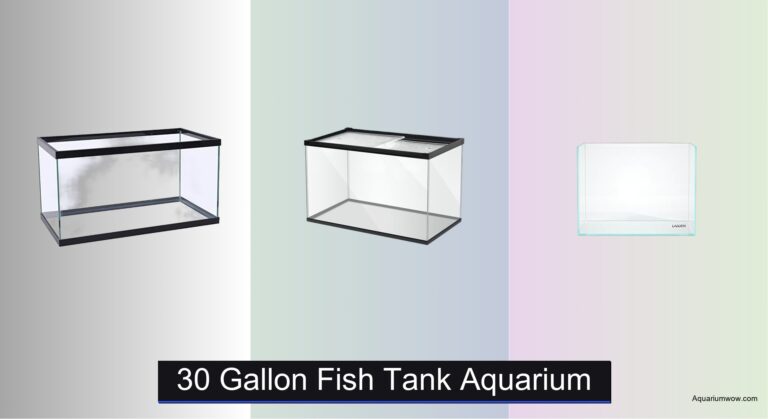
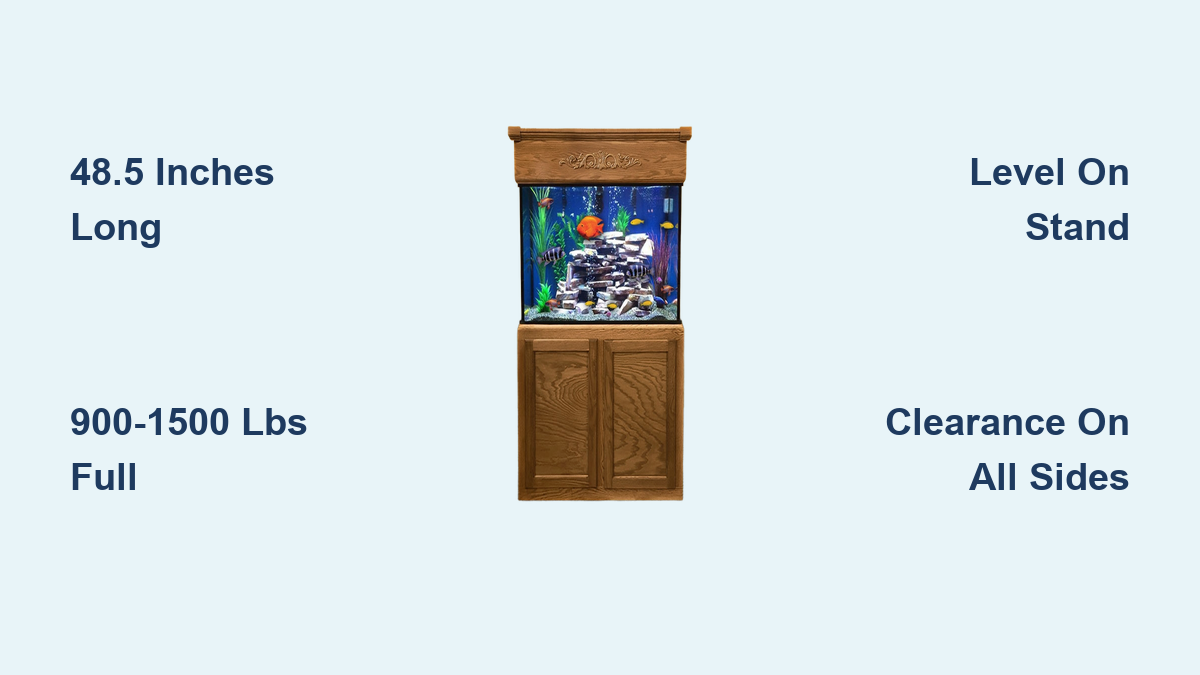
The standard 75-gallon aquarium measures precisely 48.5 inches long, 18.5 inches wide, and 21.5 inches tall (123 cm x 47 cm x 55 cm), though minor manufacturer variations of 1-2 inches in any dimension do exist. This rectangular “breeder” style represents the most common configuration you’ll encounter at pet stores and online retailers.
Why Tank Length Matters More Than You Think
- Swimming Space: The 48.5-inch length provides crucial horizontal territory for active fish species that need room to swim
- Aquascaping Potential: This generous length allows for proper application of design principles like the “rule of thirds” in planted tanks
- Equipment Placement: You’ll need this measurement to ensure adequate space for filters, heaters, and lighting systems along the back
Weight Considerations That Could Save Your Floor

Critical Safety Alert: Your 75-gallon system’s total weight far exceeds what most people anticipate. While the empty glass tank weighs 140-160 lbs, adding 75 gallons of water (625 lbs) creates an immediate 765-785 lb burden. With substrate, rocks, and equipment, your fully operational aquarium will likely weigh between 900-1,500 lbs—that’s the equivalent of a grand piano!
Structural Reality Check: This immense weight exerts approximately 166 lbs per square foot on your flooring. Since most residential floors are designed to handle only 40-50 lbs per square foot, improper placement could cause catastrophic failure. Always position your tank over load-bearing walls or on a concrete slab, and consult a structural engineer if installing on upper levels.
Perfect Placement: Where to Put Your 75-Gallon Tank
Space Requirements That Prevent Future Headaches
Before your new aquarium arrives, measure your intended location with precision. You’ll need:
* Minimum Floor Space: 49″ x 20″ to accommodate the tank plus essential clearance
* Critical Clearance Zones: At least 4-6 inches on all sides, especially the back, for maintenance access and equipment
* Electrical Planning: Multiple GFCI-protected outlets within 6 feet of the tank location
Location Danger Zones to Avoid
Never place your 75-gallon aquarium in these high-risk locations:
* Directly in front of windows where sunlight causes uncontrollable algae blooms
* Near heating vents or drafty doors that create dangerous temperature fluctuations
* In high-traffic hallways where accidental bumps could crack the glass
* On carpeted floors that hide potential leaks until significant damage occurs
Stand Selection: Don’t Risk Catastrophe With Improper Support

Choosing the Right Stand for Your 75-Gallon Tank
Your stand must be engineered specifically for aquarium weights, not repurposed household furniture. Look for these critical features:
* Weight Rating: Minimum 1,200 lb capacity (20% safety margin above expected load)
* Construction Material: Solid hardwood or steel-reinforced frames—avoid particle board or MDF
* Full Support Design: The stand must completely support the tank’s entire perimeter with no overhang
Leveling Process That Prevents Leaks and Breaks
- Pre-Level Check: Use a 4-foot carpenter’s level on the floor where the stand will sit
- Stand Adjustment: Place shims under stand feet until perfectly level in both directions
- Tank Cushioning: Add a 1/2″ to 1″ high-density foam pad between stand and tank
- Final Verification: Recheck level after placing the empty tank—adjust if necessary
Pro Tip: Even a 1/8-inch tilt across the tank’s length creates dangerous pressure points that can lead to seam failure within months. Take leveling seriously—it takes 20 minutes now to prevent a 1,000-pound disaster later.
75-Gallon vs. Other Tank Sizes: Where It Fits in Your Aquatic Journey
:strip_icc()/SPR_1380694-aquarium-sizes-and-weights-1bf7f0fbbfd44d6caca00657f70a33d3.png)
| Tank Size | Length | Width | Height | Best For | Why Choose 75 Over This |
|---|---|---|---|---|---|
| 55-Gallon | 48″ | 13″ | 21″ | Beginners, budget setups | Narrow width limits aquascaping and territorial fish |
| 75-Gallon | 48.5″ | 18.5″ | 21.5″ | Serious hobbyists, stable ecosystems | Optimal width for depth perception and fish behavior |
| 90-Gallon | 48″ | 18″ | 25″ | Tall displays, certain cichlids | Extra height requires more powerful lighting |
| 125-Gallon | 72″ | 18″ | 22″ | Large predators, showpiece tanks | Requires structural modifications most homes lack |
Why the 75-Gallon Represents the “Goldilocks Zone”
The 48.5-inch length of a standard 75-gallon aquarium creates the perfect swimming corridor for most community fish while providing enough width (18.5 inches) for proper aquascaping depth. This dimension avoids the cramped feeling of narrower tanks while remaining manageable for maintenance compared to larger 6-foot systems. For most dedicated hobbyists, this size offers the ideal balance between visual impact and practical care requirements.
Stocking Strategies for Your 75-Gallon Aquarium
Smart Stocking Based on Actual Dimensions
With 48.5 inches of swimming space, your 75-gallon tank can accommodate:
* Large Schooling Fish: 20-30 tetras or rasboras that utilize the full length
* Territorial Cichlids: 8-12 African cichlids with properly arranged rock structures
* Mixed Community: Multiple species with different swimming levels
Common Stocking Mistakes to Avoid
Overlooking Horizontal Space Needs: Many beginners stock based solely on gallon capacity without considering how the 48.5-inch length affects fish behavior. Active swimmers like rainbowfish need this full length to exhibit natural behaviors, while territorial species require adequate space between hiding spots.
Ignoring Vertical Dimensions: While you’re focused on how long is a 75 gallon aquarium, don’t neglect the 21.5-inch height. This allows for proper layering of fish species—surface dwellers, mid-water swimmers, and bottom feeders.
Essential Equipment Scaled to Your Tank’s Dimensions
Filtration Requirements for a 48.5-Inch Tank
Your filter must handle the entire water volume multiple times per hour. For a 75-gallon tank:
* Minimum Flow Rate: 300-400 GPH (gallons per hour)
* Recommended Filter Type: Canister filter rated for 100-150 gallons (e.g., Fluval FX6)
* Placement Strategy: Position intake and outflow at opposite ends to create circulation along the full 48.5-inch length
Lighting Considerations for the Tank’s Footprint
The 48.5″ x 18.5″ surface area requires adequate light coverage:
* Fish-Only Tanks: Standard LED hood with 1-2 watts per gallon
* Planted Tanks: Dedicated plant lights with even coverage across the entire footprint
* Critical Tip: For planted tanks, you may need two fixtures to ensure even light distribution across the full length
Maintenance Made Easier With Proper Dimension Planning
Weekly Water Change Strategy
With a 48.5-inch tank, you’ll need to perform 20-30% water changes weekly (15-22 gallons):
1. Start at one end and work systematically toward the other
2. Use a gravel vacuum with an extended tube to reach the full length
3. Focus on high-waste areas near feeding zones first
Algae Management Along the Full Length
The extended viewing area means more glass to maintain:
* Magnetic Cleaners: Use large pads that cover more surface area per pass
* Scraping Technique: Work in sections from top to bottom along the full 48.5-inch length
* Prevention Focus: Proper lighting duration (8-10 hours) prevents algae across the entire surface
Critical Mistakes That Turn Your 75-Gallon Dream Into a Disaster
The “It Fits Through the Door” Trap
Many beginners rejoice when their 48.5-inch tank fits through doorways, only to discover they haven’t measured the path to the final location. Measure doorways, hallways, and turns along the entire route before purchasing.
Ignoring Weight Distribution in Relation to Dimensions
The rectangular shape creates uneven weight distribution. Never place the tank near the edge of its stand—center it precisely to ensure even weight distribution across the full footprint.
Underestimating Evaporation Across the Large Surface Area
The 48.5″ x 18.5″ surface means significant evaporation. Check water levels daily and use an auto-top-off system to maintain consistent water parameters across the entire tank.
Final Setup Checklist Before Filling Your 75-Gallon Tank
Before adding water to your 48.5-inch aquarium, verify these critical points:
* Structural Integrity: Tank positioned over floor joists or concrete slab
* Perfect Leveling: Verified with 4-foot level in both directions
* Electrical Safety: GFCI outlets within reach, power strip mounted above splash zone
* Clearance Confirmation: Minimum 4 inches on all sides, especially back
* Emergency Plan: Bucket and towels nearby for potential leaks during initial setup
A 75-gallon aquarium with its standard 48.5-inch length represents the sweet spot between manageable maintenance and stunning visual impact. By understanding exactly how long is a 75 gallon aquarium and respecting its substantial physical requirements, you create the foundation for a thriving aquatic ecosystem that will provide years of enjoyment. Remember that proper planning around these dimensions isn’t just about aesthetics—it’s about safety, stability, and creating the optimal environment for your aquatic inhabitants. Take the time to measure twice, plan carefully, and your 75-gallon tank will become the breathtaking centerpiece of your home that you’ve envisioned.