How an Aquarium Overflow Box Works
Have you ever stared at a crystal-clear reef tank, wondering how it stays so pristine without visible filters cluttering the view? The secret lies in an unassuming component working tirelessly behind the scenes: the aquarium overflow box. If you’ve ever asked “how does an aquarium overflow box work,” you’re about to discover the physics-powered system that transforms chaotic water movement into a stable aquatic paradise. This ingenious device isn’t just a pipe—it’s the heartbeat of professional aquarium setups, silently regulating water levels while enabling advanced filtration that keeps your fish thriving.
Unlike basic hang-on filters, an overflow box creates a continuous water cycle using gravity and siphons alone. It solves two critical problems simultaneously: preventing tank overflows while maximizing surface skimming to remove harmful protein films. Understanding its operation is essential whether you’re setting up your first saltwater reef or upgrading a large freshwater system. By the end of this guide, you’ll know exactly how to harness this technology to create a healthier environment for your aquatic inhabitants—and avoid the nightmare scenario of waking up to a flooded living room.
Gravity and Siphons: The Physics Behind Continuous Water Flow
Your overflow box operates on beautifully simple physics principles that require zero electricity to function. As water fills your display tank, it naturally seeks equilibrium until reaching the overflow’s weir height—typically the top of the comb-like teeth along the box’s edge. The moment water rises above this precise level, gravity takes over, pulling it over the weir and into the overflow chamber. This automatic leveling action ensures your tank never overflows, even during top-offs or heavy rainfall in planted tanks.
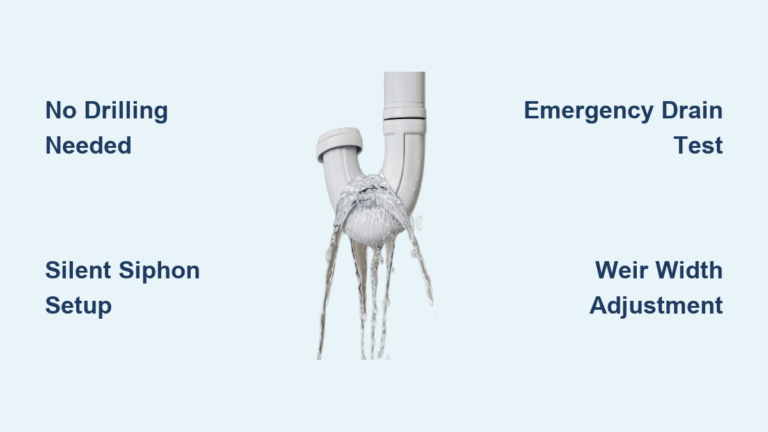
The real magic happens through the siphon effect within the drainpipe. When water begins flowing down the pipe, it creates a vacuum that continuously pulls more water from the display tank. This self-sustaining cycle maintains a constant water level set by the overflow’s height—not your tank’s rim. Crucially, the siphon only works when the pipe remains completely filled with water, which is why proper startup procedures are non-negotiable for reliable operation.
Why Your Water Level Stays Perfectly Stable
Ever notice how reef tanks maintain razor-straight water lines? That’s your overflow box at work. The water level in your display tank will always stabilize exactly at the height of the overflow’s weir teeth. If evaporation lowers the level, topping off the tank immediately triggers more overflow until equilibrium returns. This automatic regulation prevents dangerous fluctuations that stress fish and corals. For drilled tanks, the bulkhead fitting creates an even more precise water level control, eliminating the need for external boxes.
The Critical Siphon Break Mechanism
Power outages reveal why siphon breaks are lifesavers. Without this feature, water would continue siphoning from your display tank into the sump until both levels equalize—potentially draining your main tank. The siphon break (usually an airline tube near the top of the overflow) introduces air into the system during power failures, instantly breaking the vacuum. This simple addition prevents catastrophic drainage, keeping your fish safe until power returns.
Your Aquarium’s Water Journey: From Tank to Sump and Back
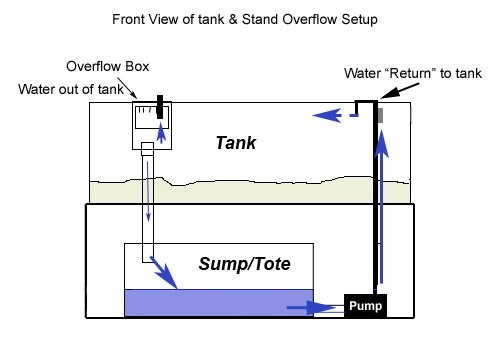
Follow a single water molecule through this life-support cycle to understand why overflow boxes revolutionize aquarium maintenance. First, surface water carrying oils, debris, and gas exchange byproducts spills over the weir teeth. This surface skimming is critical—it removes protein films that block oxygen exchange before they decompose and pollute your water. The water then enters the overflow chamber where it’s directed into the drainpipe.
The Descent: Gravity Takes Charge
Water accelerates down the vertical drainpipe, gaining momentum that helps overcome pipe friction. For drilled tanks, this pipe connects directly to bulkhead fittings through the tank wall. In hang-on-back (HOB) systems, water must first clear the tank’s rim via U-tube siphons—a design more prone to air breaks. The descent continues until water splashes into your sump, where mechanical filtration begins immediately.
Filtration Transformation in the Sump
Once in the sump, water passes through layered filtration stages your display tank could never accommodate. First, filter socks catch large debris. Next, chemical media like activated carbon removes dissolved pollutants. Finally, biological media (live rock or ceramic rings) hosts beneficial bacteria that convert toxic ammonia into harmless nitrates. Saltwater systems add protein skimmers here—devices that literally pull organic waste from the water column using air bubbles.
The Return Trip: Renewed and Oxygenated
The return pump pushes cleansed water back toward your display tank through dedicated return lines. As this water re-enters your main tank, it’s fully oxygenated and stripped of contaminants. Crucially, the return flow rate must slightly exceed the overflow’s drainage rate to maintain the water level at the weir height. This balance creates the gentle surface agitation that enhances gas exchange while preventing dangerous dead zones.
7 Critical Parts That Make Your Overflow Box Function Safely
Primary Drain vs. Emergency Overflow Pipes
Your main drain handles 90% of water flow during normal operation, but the emergency overflow pipe is your safety net. Positioned slightly higher than the primary drain, it only activates if the main drain clogs—preventing tank overflows during blockages. Never cap this pipe; it’s your last line of defense against flooding disasters.
The Teeth Design That Saves Fish Lives
Overflow teeth aren’t decorative—they’re precision-engineered barriers. Their comb-like structure allows water to flow while preventing fish, crabs, or large debris from entering the drain. For nano tanks, micro-teeth designs prevent tiny shrimp escapes. Always position teeth slightly below the water surface to maximize surface skimming without creating dangerous currents.
Standpipe Tuning for Silent Operation
That gurgling sound? It’s air being sucked down your drainpipe. A properly adjusted standpipe eliminates this noise by maintaining a full water column. The Durso standpipe design (a T-shaped pipe with an air vent hole) is particularly effective—it creates a controlled air pocket that silences water flow. For absolute quiet, the BeanAnimal system uses three pipes to balance water and air flow perfectly.
Drilled Tank vs. HOB Overflow Systems: Which Works Best for You
Drilled Tank Overflows: The Professional Standard
Pre-drilled tanks with bulkhead fittings represent the gold standard for reliability. Water flows directly through the tank wall into the overflow box, eliminating siphon breaks and external plumbing. This design handles higher flow rates silently and efficiently, making it ideal for large reef systems. The major drawback? You’re committed to drilled tanks—no going back to standard glass.
Hang-On-Back (HOB) Overflows: The Drill-Free Solution
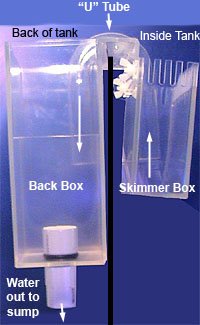
For non-drilled tanks, HOB overflows use U-tube siphons that hook over the tank rim. While easier to install, they require meticulous startup: you must manually fill the U-tubes with water to initiate the siphon. Their biggest vulnerability? Power outages break the siphon, requiring automatic restart mechanisms. Best suited for smaller systems under 75 gallons where drilling isn’t an option.
Why Your Overflow Box Might Be Noisy (And How to Fix It in 5 Minutes)
The Gurgling Drainpipe Fix
That annoying glug-glug sound means air is being pulled down your drain. Immediately adjust your gate valve to reduce flow slightly—this maintains a full water column in the pipe. For drilled tanks, add a Durso standpipe: cut a T-fitting into your drainpipe with a vertical vent tube just above the sump water level. The vent introduces just enough air to silence the flow without breaking the siphon.
Surface Skimming That Doesn’t Disturb Corals
If your overflow creates surface ripples that stress corals, lower the weir height by 1/8 inch. This reduces flow velocity while maintaining effective skimming. For severe cases, install a baffle plate inside the overflow box to break up water turbulence before it enters the drainpipe.
Weekly Maintenance Checklist to Prevent Overflow Disasters
Every 7 Days:
– Wipe algae from overflow teeth with a toothbrush
– Check drain pipes for hair-like biofilm buildup
– Verify siphon break tubing isn’t kinked
– Inspect for salt creep around bulkhead fittings
Monthly Deep Check:
– Remove and rinse filter socks in old tank water
– Clean standpipe internals with a pipe cleaner
– Test emergency overflow by partially blocking main drain
– Measure actual flow rate against your return pump’s rating
Emergency Fixes: What to Do When Your Overflow Clogs
Immediate Action for Blocked Drains
If water rises toward your tank rim, act fast: 1) Turn off the return pump immediately to stop water entering the display tank, 2) Use a shop vac to remove excess water from the overflow box, 3) Clear blockages with a plumbing snake through the drainpipe. Never leave the system unattended during clogs—most aquarium floods occur during maintenance lapses.
Power Outage Recovery Protocol
When power returns, your HOB overflow may need siphon restart. Fill the U-tubes completely with water using a baster, then cover the top openings with your palm while submerging them in the tank. Release slowly to initiate the siphon. For drilled tanks, simply ensure the overflow box is full before restarting pumps.
Final Note: Your overflow box is the unsung hero of aquarium stability—transforming chaotic water movement into a life-sustaining cycle through pure physics. By understanding these mechanics, you’ve gained the power to prevent floods, eliminate noise, and achieve that coveted crystal-clear water. Implement the weekly maintenance checklist religiously, choose the right overflow type for your tank setup, and remember: the quietest systems always balance proper siphon control with emergency safeguards. Now that you know exactly how does an aquarium overflow box work, you’re equipped to build a more resilient aquatic ecosystem where both fish and hobbyist can thrive.