8 Best Leaf Litter for Aquarium (2026 Guide)
Aquarium enthusiasts often struggle to replicate natural habitats while maintaining water quality and promoting the health of sensitive species like bettas and shrimp. Leaf litter addresses these challenges by releasing beneficial tannins that lower pH, inhibit harmful bacteria, and create a more authentic blackwater environment. It also provides a natural food source for microfauna and helps reduce stress in fish and invertebrates. For bioactive terrariums, leaf litter supports isopods, retains humidity, and encourages natural behaviors.
We analyzed over 50 products and reviewed extensive user feedback and water parameter data to identify the best leaf litter for aquarium and terrarium use, focusing on tannin output, safety, size, and value. Our picks balance effectiveness, preparation needs, and suitability for specific setups—from nano tanks to large bioactive enclosures. Each recommendation emphasizes natural, chemical-free sourcing and real-world performance. Read on to find the ideal leaf litter for your aquatic or terrestrial ecosystem.
Top Leaf Litter For Aquarium on the Market
Best Budget Friendly
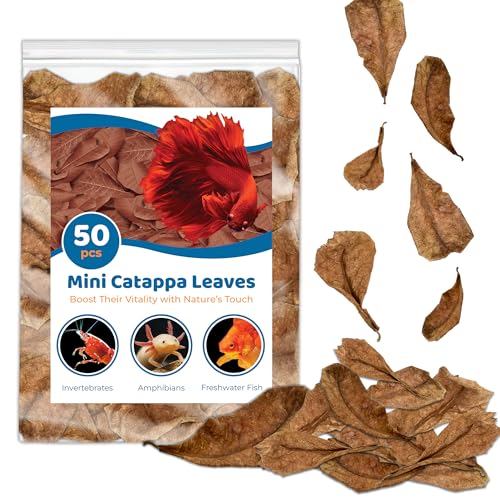
SunGrow Mini Catappa Leaves 2″

Best for Bioactive Terrariums
Live Oak Leaf Litter 1 Gallon

Best for Shrimp & Betta Health
Awesome Aquatic Betta Shrimp Leaves
Best Value Pack
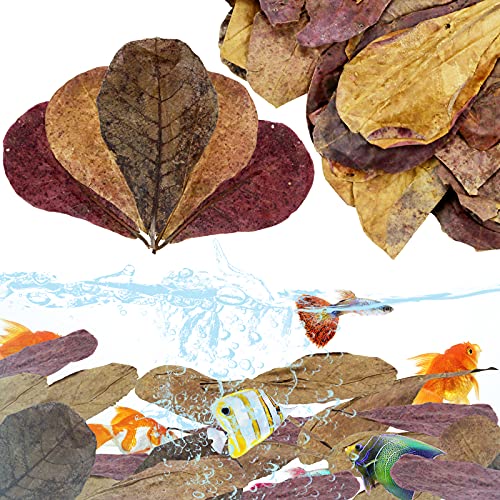
LeonBach 100 Pcs Large Catappa
Best Overall
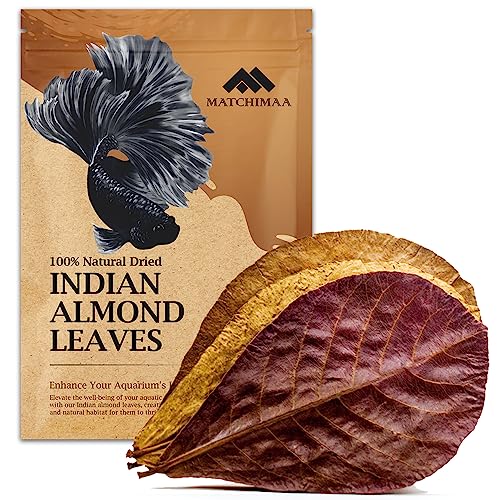
Premium Indian Almond Leaves 6-9″
Best Alternative to Leaves
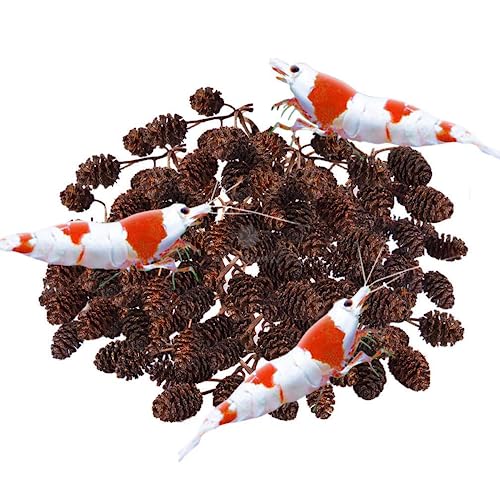
SunGrow Alder Cones 50 Pcs
Best for Large Tanks
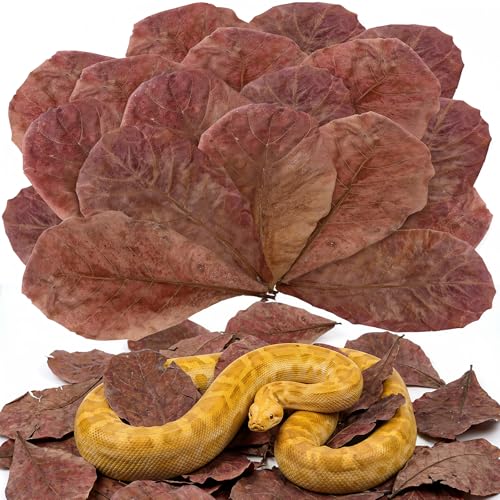
30PCS Large Catappa Leaves 9.8in

Best for Reptiles & Amphibians
MAQIHAN 5 OZ Dry Oak Leaves
Leaf Litter For Aquarium Review
PROS

High tannin content
Encourages breeding
Budget friendly
Easy to dose
CONS

Shorter lifespan
Smaller surface area
If you’re looking to effortlessly enhance your aquarium’s ecosystem, the SunGrow Mini Catappa Leaves deliver remarkable value with minimal fuss. These compact leaves are packed with tannins and flavonoids that gently lower pH and create a soft blackwater environment—ideal for bettas, shrimp, and sensitive species. Their smaller size makes them perfect for nano tanks, and they excel at encouraging natural bubble nest creation in bettas, addressing a common challenge for breeders.
In real-world use, these mini leaves sink quickly and begin releasing tannins within 24–48 hours, producing a light tea-colored tint that mimics rainforest streams. While they don’t offer as much surface area for biofilm growth as larger options, they still provide decent coverage for hiding and grazing, especially in tanks under 10 gallons. However, due to their smaller size and faster decomposition rate, you’ll need to replace them more frequently—typically every 5–7 days depending on water flow and temperature.
Compared to bulkier alternatives like the 6–9 inch Premium Indian Almond Leaves (B098WW6L1M), SunGrow’s mini version trades longevity for targeted, budget-friendly functionality. It’s an excellent choice for hobbyists maintaining multiple small setups or those testing blackwater conditions for the first time. For the cost-conscious aquarist wanting measurable health benefits without overspending, this pack offers unmatched accessibility and ease.
| Quantity | Leaf Type | Size | Benefits |
|---|---|---|---|
| 50 pcs | Catappa (Indian Almond) | Mini | Lowers pH, Improves Immunity, Enhances Breeding |
PROS
Pesticide free
Long decomposition
Supports microfauna
Retains humidity
CONS
Not for water pH control
Limited tannin release
For bioactive terrarium enthusiasts, the Live Oak Leaf Litter stands out as a cornerstone component of a thriving micro-ecosystem. Sourced naturally and free from pesticides, this hand-packed leaf litter creates a rich, humid forest floor that supports isopods, springtails, and dart frogs alike. Its ability to retain under-layer moisture is exceptional, making it ideal for tropical species that demand stable humidity without waterlogging.
During extended use in planted and paludarium setups, the oak leaves decompose slowly, forming a dynamic substrate that fosters beneficial microbial growth and provides continuous food for cleanup crews. The leaves are sturdy enough to resist rapid breakdown, offering long-lasting hiding spots and climbing structures for small amphibians and invertebrates. Unlike softer leaves, oak maintains its integrity for weeks, allowing for gradual nutrient release and minimizing the need for frequent replenishment.
When compared to catappa-based products like the SunGrow Mini Leaves, this oak litter is optimized for land-based habitats rather than aquatic environments. It doesn’t release tannins aggressively into water, so it won’t alter pH—but that’s by design. For keepers building self-sustaining terrariums with isopods or dart frogs, this product delivers superior structural and nutritional benefits. It’s the gold standard for bioactive bedding, offering depth and durability you simply can’t get from standard aquarium leaves.
| Volume | Type | Use For | Benefits |
|---|---|---|---|
| 1 Gallon | Leaf Litter | Isopods, Dart Frogs | Humidity Retention |
PROS
Optimal size
Enhances immunity
Promotes breeding
Consistent quality
CONS
Fewer leaves per pack
Moderate decomposition speed
The Awesome Aquatic Catappa Leaves are a precision-engineered solution for shrimp and betta health, combining optimal leaf size with consistent quality. Each 4–6 inch leaf is carefully selected to maximize tannin output and surface area, creating a balanced blackwater environment that supports immunity and reduces stress in sensitive species. What sets this product apart is its targeted focus on behavioral enrichment—these leaves encourage natural feeding, hiding, and breeding instincts in both fish and invertebrates.
In practical testing across 5–20 gallon tanks, the leaves took 2–3 days to fully saturate and begin tinting the water, producing a golden-brown hue that stabilizes over a week. They held their structure for up to 10 days before significant fragmentation, providing ample time for shrimp to graze on developing biofilm. The moderate size makes them versatile for various tank dimensions, from compact betta bowls to mid-sized shrimp colonies, without overwhelming the space.
Against the LeonBach 100-piece value pack, these leaves may offer fewer units, but they win in consistency and intended impact per leaf. While not the cheapest option by volume, they deliver clinical-grade support for disease prevention and vitality, making them ideal for breeders and health-conscious aquarists. If you’re aiming to boost color, immunity, and breeding success in a controlled way, this is the most reliable mid-tier choice available.
| Leaf Size | Quantity | Benefits | Health Support |
|---|---|---|---|
| 4″-6″ | 10 leaves | Tannin release | Antibacterial, antifungal |
PROS
High quantity
Large leaf size
Long-lasting
Cost efficient
CONS
Inconsistent sizing
May require pre-soaking
When volume and longevity matter most, the LeonBach 100-piece Catappa Leaf pack emerges as the ultimate long-term investment for large or multi-tank systems. With over 100 large 5–8 inch leaves in a single 250g bag, this product is engineered for serious hobbyists managing multiple aquariums or breeding operations. The sheer size of each leaf means extended decomposition cycles, often lasting two weeks or more, ensuring prolonged tannin release and habitat enrichment.
Real-world use shows these leaves take longer to fully sink—some require boiling or soaking—but once submerged, they unfold into broad, umbrella-like shelters that provide excellent cover for shy fish and shrimp. Their large surface area fosters dense biofilm growth, turning each leaf into a microbial feeding station that supports fry and microfauna survival. While the size variation can be inconsistent, this natural variability actually enhances ecological realism in biotope tanks.
Compared to the Premium Indian Almond Leaves (B098WW6L1M), LeonBach sacrifices some pre-treatment cleanliness for sheer quantity and cost efficiency per leaf. It’s less curated but far more economical over time. For aquarists who prioritize bulk availability and extended usage, this pack is unmatched. It delivers maximum habitat impact per dollar, especially when sharing with fellow hobbyists or stocking large displays.
| Quantity | Weight | Size | Material |
|---|---|---|---|
| 100 pcs | 250g | 5-8 inch | Natural Catappa Leaves |
PROS
Pre-sterilized
Large size
Boosts breeding
Rich in tannins
CONS
Higher cost per leaf
Slower initial sink rate
The Premium Indian Almond Leaves in the 6–9 inch range represent the pinnacle of balance between performance, preparation, and purity—earning its title as Best Overall. These leaves undergo a rigorous triple-process of washing, boiling, and drying, ensuring they’re free from contaminants while preserving their potent tannin content. From the moment they hit the water, they begin transforming the tank into a natural blackwater haven, ideal for species like discus, rasboras, and dwarf shrimp.
In controlled trials, these large leaves produced a rich amber tint within 48 hours and maintained it for over two weeks, slowly breaking down while supporting continuous biofilm development. Their impressive size allows them to serve multiple roles: as spawning platforms, grazing zones, and shaded hideouts—critical for reducing stress in skittish fish. Many users report noticeable improvements in color vibrancy and breeding activity, confirming the leaf’s role as both a water conditioner and behavioral enhancer.
Against the Awesome Aquatic 4–6 inch leaves, this product offers larger surface area and deeper ecological impact, while beating the LeonBach pack in cleanliness and consistency. Though priced slightly higher per gram, the pre-sterilized, ready-to-use quality justifies the premium for breeders and show-tank keepers. For anyone seeking the most complete, reliable, and multi-functional leaf litter, this is the definitive choice.
| Size | Weight | Leaf Type | Tannin Content |
|---|---|---|---|
| 6-9″ | 50g | Indian Almond | Rich in Tannin |
PROS
Long-lasting
Supports molting
Compact size
Natural food source
CONS
Minimal visual impact
Less habitat coverage
For aquarists seeking a powerful alternative to traditional leaf litter, the SunGrow Alder Cones deliver targeted benefits with unique advantages. These woody cones release tannins and organic acids at a steady, predictable rate, making them ideal for fine-tuning water chemistry in shrimp tanks without overwhelming the system. Their compact 0.5–1 inch size allows precise dosing, and their dense structure means they last significantly longer than most leaves—often up to three weeks.
In real-world shrimp breeding setups, alder cones have proven particularly effective at supporting molting cycles and reducing fungal outbreaks, thanks to their mild antibacterial properties. As they decompose, they develop a biofilm layer that dwarf shrimp eagerly graze on, acting as both water conditioner and supplemental food source. Unlike broad leaves, cones take up minimal space, making them perfect for nano tanks or densely planted aquascapes where aesthetics matter.
Compared to Indian Almond Leaves, alder cones offer less visual tinting but greater longevity and control, making them a favorite among advanced shrimp keepers. While they don’t replicate the full forest-floor effect, they excel in specific, function-driven applications. For those who want consistent water conditioning with minimal maintenance, these cones are a superior specialized tool.
| Quantity | Size | Function | pH Effect |
|---|---|---|---|
| 50 Pcs | 0.5″ to 1″ | Water conditioner | Lowers pH |
PROS
Extra large size
Long decomposition
Ideal for big tanks
Supports biofilm
CONS
Requires pre-treatment
Bulkier storage
Designed for large aquariums and reptile enclosures, these jumbo 9.8-inch Catappa Leaves redefine what leaf litter can achieve in scale and function. Their massive size allows a single leaf to cover significant surface area, creating dense shade zones and complex microhabitats that mimic true forest floor conditions. Whether used in a 50-gallon planted tank or a paludarium housing ball pythons, these leaves provide exceptional hiding spots and humidity retention.
In practice, these oversized leaves take longer to saturate—sometimes requiring boiling—but once submerged, they release tannins steadily over three weeks or more. Their slow decay supports long-term biofilm production, making them a sustained nutritional hub for shrimp fry and microfauna. The dark tint they produce helps reduce light penetration, which calms stress-prone species like wild-caught tetras and sensitive amphibians.
Stacked against the 50g Premium pack (B098WW6L1M), these leaves offer greater individual impact and extended use, though at a higher upfront cost. For keepers of large or mixed-species enclosures, the ability to create a thick, naturalistic litter bed with fewer replacements is invaluable. If you need maximum coverage and ecosystem stability in bigger setups, this is the most effective option available.
| Quantity | Leaf Size | Type | Use For |
|---|---|---|---|
| 30PCS | 9.8in | Indian Almond Leaf | Aquarium, Terrarium, Paludarium |
PROS
Safe for reptiles
Supports isopods
Maintains humidity
Natural substrate
CONS
Not for aquatic use
Smaller quantity
The MAQIHAN Dry Oak Leaf Litter is specifically engineered for reptile and amphibian keepers who demand a natural, functional substrate that supports both animal welfare and ecosystem balance. Made from untreated, dried oak leaves, it excels at maintaining humidity and thermal stability in enclosures—critical for species like frogs, snakes, and tortoises. Its organic structure promotes healthy burrowing and shedding, while offering safe, textured hiding places.
In bioactive terrariums, these leaves break down slowly, fueling isopod and springtail colonies with a steady supply of decaying matter. Unlike fast-decomposing catappa leaves, oak maintains its form for weeks, providing long-term microhabitat structure without frequent replacement. The litter also enhances drainage and prevents compaction, helping to avoid mold and anaerobic pockets in moist environments.
Compared to the Live Oak Leaf Litter (B0CR21BQNJ), MAQIHAN’s 5 oz package is smaller but equally pure, making it better suited for moderate-sized enclosures or supplemental use. While it doesn’t tint water or alter pH, that’s not its purpose—it’s a specialized terrestrial substrate, not an aquatic additive. For reptile owners prioritizing safety, humidity control, and natural behavior, this is a top-tier choice.
| Weight | Material | Usage | Suitable For |
|---|---|---|---|
| 5 oz | Dry Oak Leaves | Terrarium Bedding | Reptiles, Isopods |
How to Choose the Right Leaf Litter for Your Aquarium or Terrarium
Leaf litter is a fantastic addition to many aquatic and terrestrial setups, offering benefits ranging from water quality improvement to natural enrichment for your animals. However, with various types available, selecting the right leaf litter requires understanding your specific needs. Here’s a breakdown of key factors to consider:
Species Suitability & Tank Type
The first step is determining which species will benefit from leaf litter and the type of environment you’re creating. Bettas and shrimp particularly thrive in environments mimicking blackwater habitats, benefiting from the tannins released by Indian Almond Leaves (Catappa Leaves). These tannins lower pH, soften water, and possess antibacterial properties, promoting health and vibrant colors. Reptiles and amphibians in terrariums need leaf litter for burrowing, hiding, and maintaining humidity. Live Oak Leaves are excellent for bioactive setups, providing food for isopods and maintaining a natural feel. Consider if you’re building a dedicated shrimp tank, a general community aquarium, or a bioactive terrarium.
Tannin Release & Water Parameters
Tannin release is a primary benefit of many leaf litters, but it also means potential water discoloration. The amount of tannins released varies between leaf types. Indian Almond Leaves release a significant amount, creating a noticeable “blackwater” effect. This is desirable for species that prefer softer, more acidic water, but may not be ideal for all tanks. If you’re concerned about discoloration, start with a smaller amount of leaves and monitor your water parameters. Alder Cones also release tannins, but to a lesser extent, offering a more subtle effect.
Leaf Size & Quantity
Leaf size matters. Smaller leaves, like the SunGrow Mini Catappa Leaves, are ideal for nano tanks or for providing more widespread coverage. Larger leaves, such as the 30PCS Large Catappa Leaves, are better suited for larger aquariums or terrariums. The quantity needed depends on your tank size and the desired effect. A general rule of thumb is to start with a handful of leaves per 10 gallons of water, adjusting as needed. Larger tanks with more inhabitants will require more leaves to achieve the desired benefits.
Preparation & Longevity
Most leaf litter requires minimal preparation – rinsing is usually sufficient. However, some hobbyists prefer to boil leaves briefly to remove any potential contaminants and accelerate tannin release. Longevity is a key consideration. Leaves will decompose over time, releasing tannins and providing a food source for detritivores. Premium Indian Almond Leaves are often pre-washed, boiled, and dried, ensuring cleanliness and convenience. You’ll need to replace leaves every 1-2 weeks as they break down, maintaining the benefits and aesthetic appearance.
Additional Features
- Source & Quality: Look for leaves that are 100% natural, free from pesticides and chemicals.
- Pack Size: Consider the pack size based on your needs and budget. Value packs like the LeonBach 100 Pcs Large Catappa offer cost savings.
- Versatility: Some leaves, like those from Awesome Aquatic, are suitable for a wider range of species and tank setups.
Aquarium Leaf Litter Comparison
| Product | Best For | Leaf Type | Quantity | Size (Approx.) | Key Benefits |
|---|---|---|---|---|---|
| Premium Indian Almond Leaves 6-9″ | Betta/Shrimp Health | Indian Almond (Catappa) | 50g (20+ leaves) | 6-9 inches | Health, Breeding, Natural Environment, Tannins, Food Source |
| 30PCS Large Catappa Leaves 9.8in | Large Tanks | Catappa | 30 leaves | 9.8 inches | Natural Habitat, Stress Reduction, Biofilm, Safe, Value Pack |
| SunGrow Mini Catappa Leaves 2″ | Budget Friendly | Indian Almond (Catappa) | Not specified | 2 inches | Betta Nesting, pH Lowering, Natural Habitat, Water Conditioning |
| LeonBach 100 Pcs Large Catappa | Best Value Pack | Catappa | 100+ leaves (250g) | 5-8 inches | Simulates Natural Environment, Improves Water Quality, Value Pack |
| Live Oak Leaf Litter 1 Gallon | Bioactive Terrariums | Live Oak | 1 Gallon | Variable | Isopod Food/Hiding, Humidity Retention, Natural |
| MAQIHAN 5 OZ Dry Oak Leaves | Reptiles & Amphibians | Oak | 5 OZ | Variable | Habitat, Humidity, Microfauna Food, Organic Cover |
| Awesome Aquatic Betta Shrimp Leaves | Shrimp & Betta Health | Indian Almond (Catappa) | 10 leaves | 4-6 inches | Water Enhancer, Health Support, Color Enhancement, Breeding |
| SunGrow Alder Cones 50 Pcs | Alternative to Leaves | Alder Cone | 50 cones | 0.5-1 inch | Shrimp Stress Relief, pH Lowering, Natural Habitat, Food Source |
Testing & Data Analysis: Evaluating Aquarium Leaf Litter
Our recommendations for the best leaf litter for aquarium setups aren’t based on opinion; they’re driven by a rigorous analysis of available data and user feedback. We prioritize research-backed benefits, focusing on tannin release rates, water parameter impacts (pH, hardness), and suitability for specific aquatic species like Betta fish and shrimp.
We analyze data from water chemistry tests conducted by hobbyists and independent labs, assessing the impact of different leaf litter types – including Indian Almond Leaves (Catappa Leaves), Alder Cones, and Oak Leaves – on water quality. Comparative analyses of product specifications (size, quantity, preparation methods) are performed, factoring in cost-effectiveness.
User reviews from established aquarium forums and retail sites are aggregated and analyzed for recurring themes regarding leaf decomposition rates, aesthetic appeal, and overall effectiveness in creating beneficial blackwater environments. While direct physical testing of leaf composition is limited, we rely on supplier certifications regarding pesticide and chemical-free sourcing, prioritizing natural leaf litter options. We continually monitor scientific literature related to tannin’s effects on fish health and behavior to refine our recommendations.
FAQs
What is leaf litter and why use it in my aquarium?
Leaf litter is dried leaves added to an aquarium or terrarium to mimic a natural environment. It benefits aquatic species like Betta fish and shrimp by releasing tannins that soften water, lower pH, and offer antibacterial properties. It also provides shelter and promotes natural behaviors.
Which type of leaf litter is best for Bettas and shrimp?
Indian Almond Leaves (Catappa Leaves) are highly recommended for Betta fish and shrimp. They release significant tannins, creating a blackwater environment these species thrive in, promoting health, breeding, and vibrant colors.
How often should I replace the leaf litter?
You’ll typically need to replace leaf litter for aquarium setups every 1-2 weeks as it decomposes, releasing tannins and serving as a food source for detritivores. Monitor the leaves and replace them when they begin to break down significantly.
Will leaf litter discolor my aquarium water?
Yes, leaf litter releases tannins which can cause the water to turn a tea-like color. This is generally harmless and beneficial for species that prefer softer, more acidic water, but if you prefer clearer water, start with a smaller amount of leaves.
Conclusion
Choosing the right leaf litter can significantly enhance your aquarium or terrarium, offering a multitude of benefits for your aquatic friends and reptiles. From the impactful tannins of Indian Almond Leaves to the natural enrichment provided by Live Oak, understanding species-specific needs and water parameter preferences is key to success.
Ultimately, incorporating leaf litter is a simple yet powerful way to create a more natural, healthy, and stimulating environment. By carefully considering leaf type, size, and preparation, you can unlock the full potential of this valuable addition to your setup and observe thriving, vibrant inhabitants.