How to Clean Aquarium Rocks of Algae
That beautiful aquascape you carefully arranged now looks like a swampy pond after algae coats your rocks in slick green or stubborn brown patches. You’re not alone—nearly 70% of aquarium owners battle algae on decorations within their first year. This slimy intruder doesn’t just ruin your tank’s appearance; it signals imbalanced nutrients or lighting that could harm fish. But don’t panic: whether you’re facing delicate diatom films or thick hair algae mats, this guide delivers field-tested methods to clean aquarium rocks of algae safely. You’ll learn how to remove existing growth in under 15 minutes and implement foolproof prevention so your aquascape stays pristine.
Why Your Lava Rock Turns Green Overnight (and Fixes)
Algae isn’t random—it’s a direct response to environmental triggers in your tank. Brown diatoms often plague new setups during cycling, while green hair algae explodes from excess light or nutrients. Porous rocks like lava or dragon stone trap debris in crevices, creating perfect algae nurseries. The solution starts with identifying your specific culprit: flat brown patches indicate diatom overgrowth from silicates, while fuzzy green tufts mean nutrient overload. Ignoring early signs lets algae choke oxygen flow and alter pH. But here’s the good news: targeted cleaning combined with ecosystem tweaks stops it permanently.
In-Tank Scrubbing: Remove Algae in 5 Minutes
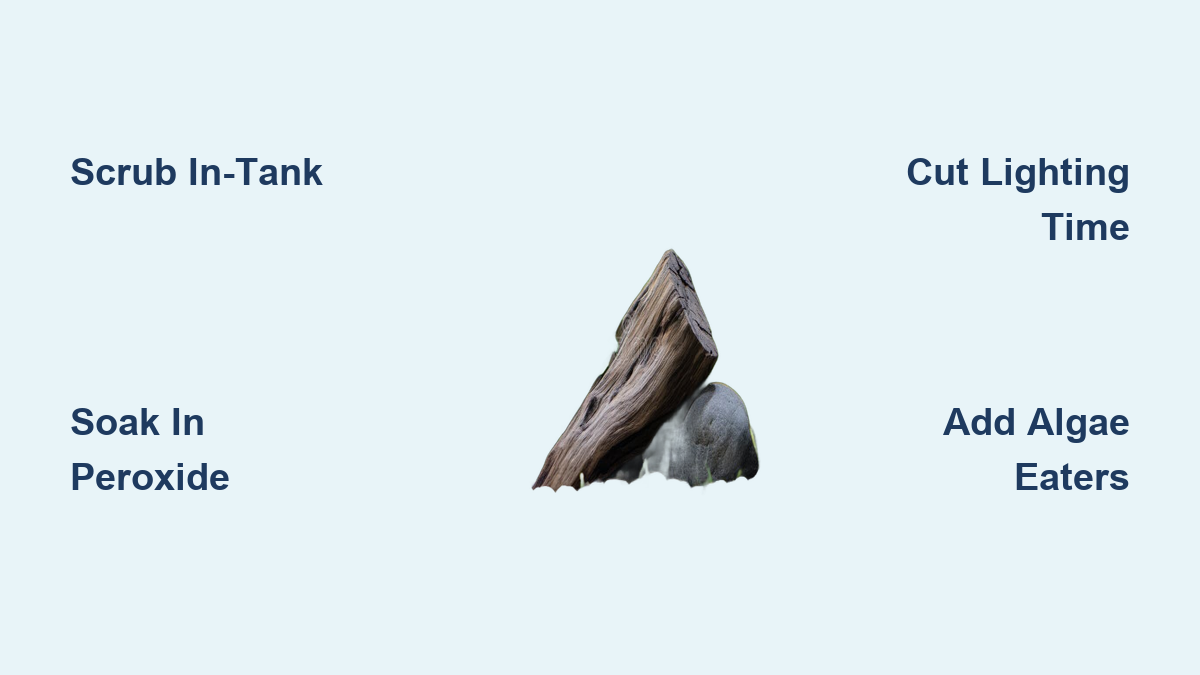
Keep your tank fully operational while tackling light algae growth with these in-water techniques. For smooth river rocks or slate, glide a magnetic algae scraper across surfaces during water changes—no disassembly needed. Pro tip: Angle the scraper at 45 degrees to lift algae without scratching. Textured rocks require softer tools: use a dedicated aquarium brush (never household sponges) to dislodge growth from grooves. As you scrub, position your gravel vacuum over the rock to immediately suck away freed particles before they resettle. Focus on high-flow zones near filters where algae spreads fastest. Visual cue: Stop when water runs clear around the rock—cloudy discharge means more debris remains trapped.
Deep-Cleaning Removed Rocks: Hydrogen Peroxide Soak Method
For severe hair algae or porous rock infestations, remove decorations for thorough treatment. Never skip this critical step: Always prepare a separate container—never clean rocks in kitchen sinks where soap residue lingers. Mix 1 part 3% hydrogen peroxide with 3 parts dechlorinated water (a 10% solution). Submerge rocks for exactly 5-10 minutes—any longer risks harming beneficial bacteria. Use an old toothbrush to aggressively scrub crevices while submerged; the peroxide bubbles visibly lift stubborn growth. For sensitive tanks (shrimp or snail habitats), substitute with a 1:1 white vinegar-water soak for 15 minutes. Critical warning: Rinse rocks under running water for 2 full minutes until no bubbles appear, then soak in dechlorinated water for 1 hour before returning to the tank.
Starve Algae: Cut Nutrients in 3 Steps
Preventing regrowth is simpler than constant cleaning. Algae feeds on nitrates and phosphates from overfeeding or decaying matter—starve it at the source.
Fix Your Lighting Schedule Immediately
:strip_icc()/how-long-should-aquarium-lights-be-left-on-1380774_Final-5bc769e34cedfd0051b820a2.png)
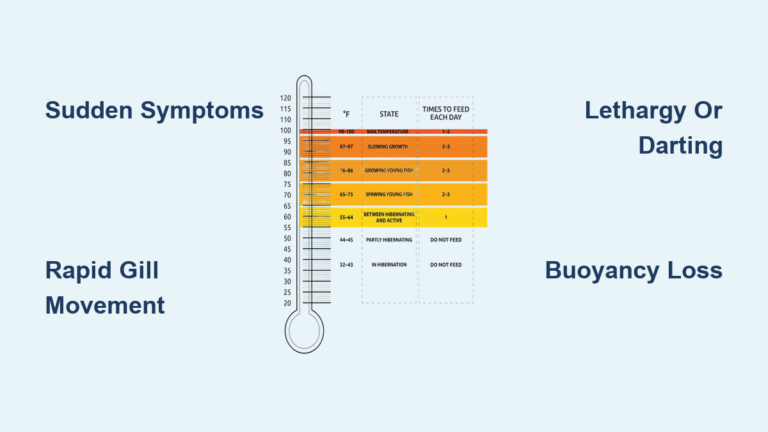
Excess light is algae’s #1 fuel. Run your aquarium lights for only 6-8 hours daily using an automatic timer—no more “just one more hour” excuses. Position tanks away from windows to avoid sunlight amplification. For planted tanks, use blue spectrum bulbs for viewing instead of full-spectrum white light between plant-growth periods. Time-saver: Set timers to mimic natural dawn/dusk cycles (e.g., 8 AM to 4 PM) reducing shock to fish.
Water Change Tactics That Actually Work
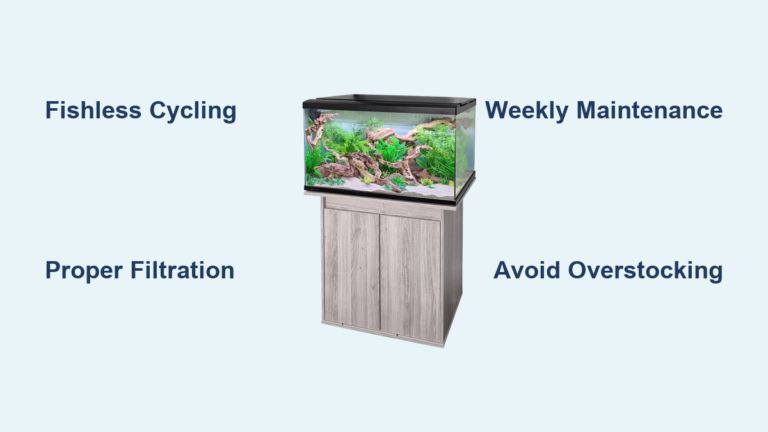
Weekly 25% water changes with gravel vacuuming remove nutrient buildup before algae exploits it. Here’s the pro technique: insert the siphon tube deep into rock crevices while vacuuming, disturbing trapped debris. Test water monthly for nitrates—keep levels below 20 ppm. If tests show high phosphates, add phosphate-removing filter media like Seachem PhosGuard for 2 weeks. Avoid this mistake: Never skip vacuuming near rocks during changes—this is where 80% of nutrient-trapping debris hides.
Algae-Eating Crews That Deliver Results
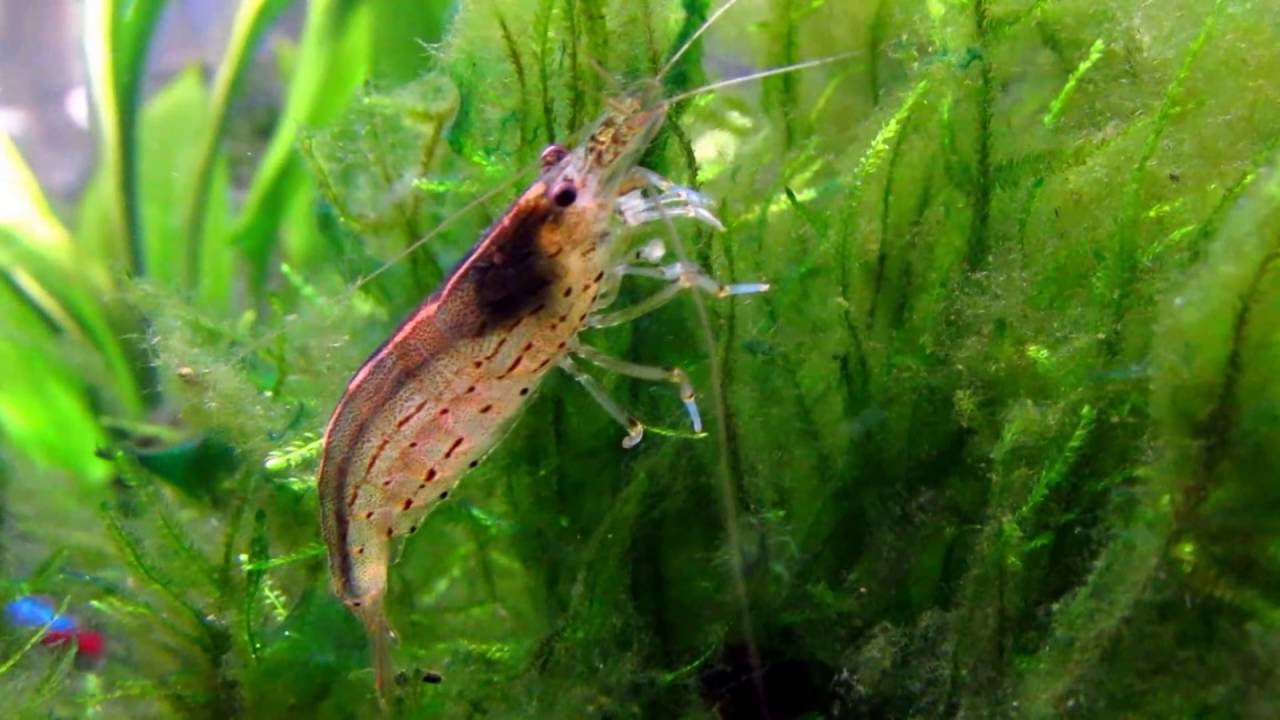
Introduce natural cleaners that target specific algae types without harming plants. For hair algae on rocks, add 1 Amano shrimp per 5 gallons—they’ll scale vertical surfaces other cleaners miss. Otocinclus catfish (1 per 10 gallons) devour brown diatoms on flat rocks. Avoid common plecos; they outgrow most tanks and produce excess waste. Pro tip: Feed algae wafers away from rocks first to train cleaners to patrol all surfaces.
Emergency Fixes for Black Beard Algae Outbreaks
When standard methods fail against invasive black beard algae (BBA), act fast before it chokes plants.
Hydrogen Peroxide Spot Treatment Protocol
Dilute 3% hydrogen peroxide in a syringe (1 part peroxide to 2 parts tank water). Gently lift the affected rock section and inject the solution directly onto BBA patches—avoiding fish or plants. Wait exactly 5 minutes for the peroxide to oxidize the algae, then siphon away the dislodged residue. Repeat every 3 days until gone. Critical: Never treat the entire tank at once; this method is strictly for targeted rock sections.
When to Use Algaecides (Safely)
Reserve commercial algaecides like Seachem Flourish Excel for extreme cases after exhausting all other options. Dose at 50% the recommended strength initially—many products kill beneficial bacteria at full strength. Remove carbon filters during treatment and restart aeration to offset oxygen loss. Never use if you have invertebrates; opt for hydrogen peroxide instead.
Build an Algae-Proof Ecosystem Long-Term
True prevention requires balancing your tank’s biology. Test water weekly with a liquid kit (not strips) to catch nitrate spikes early. Ensure your filter processes all tank water 4x hourly—upsize if needed. Add fast-growing plants like hornwort that outcompete algae for nutrients. For rock-heavy tanks, position powerheads to create gentle currents over decorations, preventing stagnant zones where algae settles. Maintenance hack: During monthly deep cleans, swap 50% of filter media (not all at once) to preserve bacteria while removing nutrient-trapping gunk.
Final Prevention Checklist: Keep Rocks Spotless
Your algae-free rocks depend on consistent habits. Each morning, spend 90 seconds checking rock surfaces for early growth—nip it with a quick brush. Every water change, vacuum debris from rock bases. Monthly, inspect filter flow rates; a 20% drop means algae-friendly stagnation. Most importantly, feed fish only what they consume in 2 minutes once daily—leftover food is algae’s favorite feast. Remember: pristine rocks reflect a healthy ecosystem, not obsessive cleaning. When you balance light, nutrients, and biology, your aquascape stays vibrant with minimal effort. Start tonight by setting that timer—you’ll reclaim your tank in days.