Best Aquarium Plants for Hard Water (2026 Guide)
If you’ve struggled to keep aquarium plants alive because of hard water, you’re not alone. Many hobbyists mistakenly believe hard water spells doom for planted tanks, but the truth is certain resilient species actually thrive in high-mineral conditions. Hard water aquarium plants can flourish with the right selection and care—no water softening required. This guide reveals exactly which plants will transform your hard water tank into a lush underwater garden while working with your water’s natural chemistry rather than fighting it.
Hard water, characterized by high levels of calcium and magnesium (GH 200-300+ ppm), creates unique challenges for plant nutrition. The elevated pH (typically 7.5-8.5+) reduces availability of essential nutrients like iron, but plants adapted to these conditions have evolved special mechanisms to extract what they need. Instead of wasting time and money trying to alter your water chemistry, discover how to leverage hard water’s mineral richness to create a stunning, low-maintenance planted aquarium.
Why Your Hard Water Isn’t a Problem for These 10 Resilient Aquarium Plants
Hard water actually provides essential minerals that many aquarium plants need to thrive. The key is selecting species naturally adapted to high-mineral environments rather than forcing soft-water plants to survive in unsuitable conditions.
Anubias Barteri: The Ultimate Hard Water Survivor
Anubias varieties are practically indestructible in hard water conditions, with their thick, leathery leaves resisting mineral buildup that damages more delicate plants. You’ll see best results when attaching these plants to driftwood or rocks rather than burying the rhizome in substrate—this prevents rot while allowing the plant to absorb minerals directly from the water column.
Pro tip: Position Anubias in low to moderate light areas, as their slow growth rate means they won’t compete with faster-growing plants for nutrients. The miniature Anubias nana variety works particularly well in foreground placement, while larger Anubias barteri makes an impressive midground statement piece.
Java Fern: The Nearly Indestructible Hard Water Champion
Java fern thrives across an impressive GH range of 2-15 dGH, making it perfect for even very hard water aquariums. Its unique leaf structure allows it to absorb nutrients directly through its foliage, bypassing the root system where hard water often causes nutrient lockout.
What to watch for: When Java fern is happy in hard water, you’ll notice small plantlets forming along the leaf edges—these can be carefully removed and attached to new hardscape. Avoid high-flow areas where mineral deposits could accumulate on leaves, and never bury the rhizome, as this is the most common cause of failure with this otherwise bulletproof plant.
Cryptocoryne Wendtii: The Adaptable Hard Water Workhorse
Among Cryptocoryne species, Cryptocoryne wendtii stands out as the most versatile hard water performer, tolerating GH levels up to 20 dGH with proper acclimation. Its wavy-edged leaves come in multiple color variations (brown, green, bronze) that add visual interest to any hard water tank.
Critical mistake to avoid: Cryptocorynes often “melt” when first introduced to new conditions—a natural adaptation process, not death. Leave the melting leaves in place as they decompose and feed the new growth emerging from the rhizome. This transition period typically lasts 2-3 weeks in hard water setups.
How to Test and Understand Your Aquarium’s Hard Water Parameters
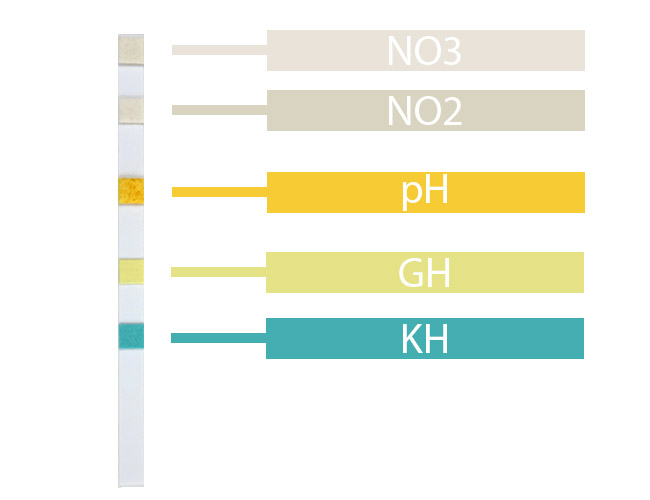
GH vs. KH: What These Numbers Mean for Your Plants
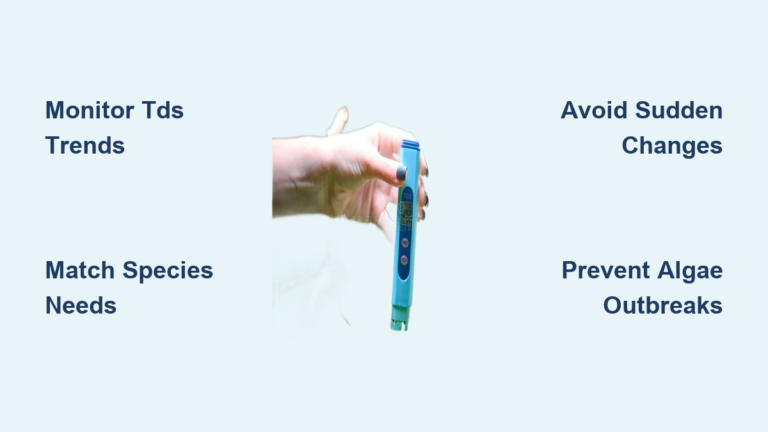
General Hardness (GH) measures calcium and magnesium levels crucial for plant cell structure, while Carbonate Hardness (KH) indicates buffering capacity that stabilizes pH. In hard water aquariums, GH typically ranges from 140-350 ppm (8-20 dGH), with KH between 3-15 dKH creating that alkaline pH of 7.5-8.5+ that challenges many plants.
Visual cue: If you see white crust forming on tank glass or equipment, your KH is likely above 10 dKH. This isn’t necessarily problematic for hardy plants, but indicates you’ll need to pay special attention to iron supplementation.
The 3-Step Water Testing Protocol Every Hard Water Tank Owner Needs
- Test your tap water first before filling the tank—this establishes your baseline parameters
- Monitor weekly after setup to track changes as your ecosystem develops
- Test immediately when plants show distress signs like yellowing leaves or stunted growth
Pro tip: Keep a log of your GH, KH, and pH readings alongside plant growth observations. Over time, you’ll identify patterns that help you anticipate and prevent problems before they affect your hard water aquarium plants.
The Hard Water Fertilization Formula: Making Nutrients Available
Why Iron Disappears in Hard Water (And How to Fix It)
In high-pH hard water, iron rapidly oxidizes and becomes unavailable to plants, causing interveinal chlorosis (yellowing between leaf veins). Standard liquid fertilizers often fail because their iron precipitates out before plants can absorb it.
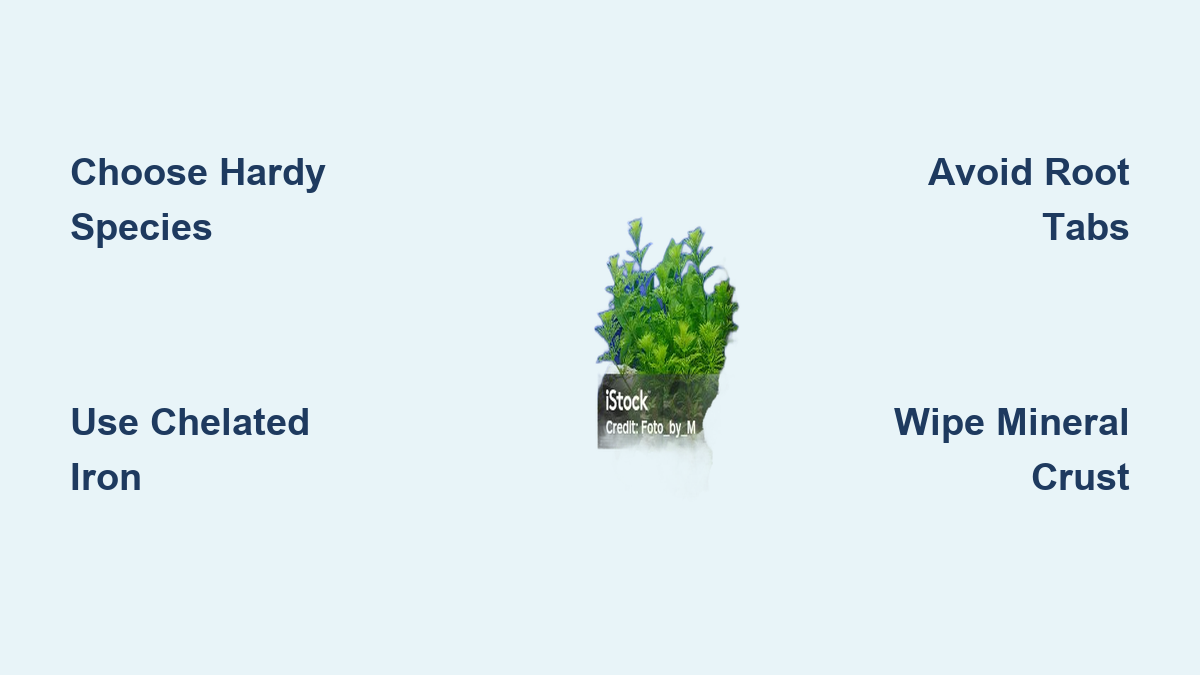
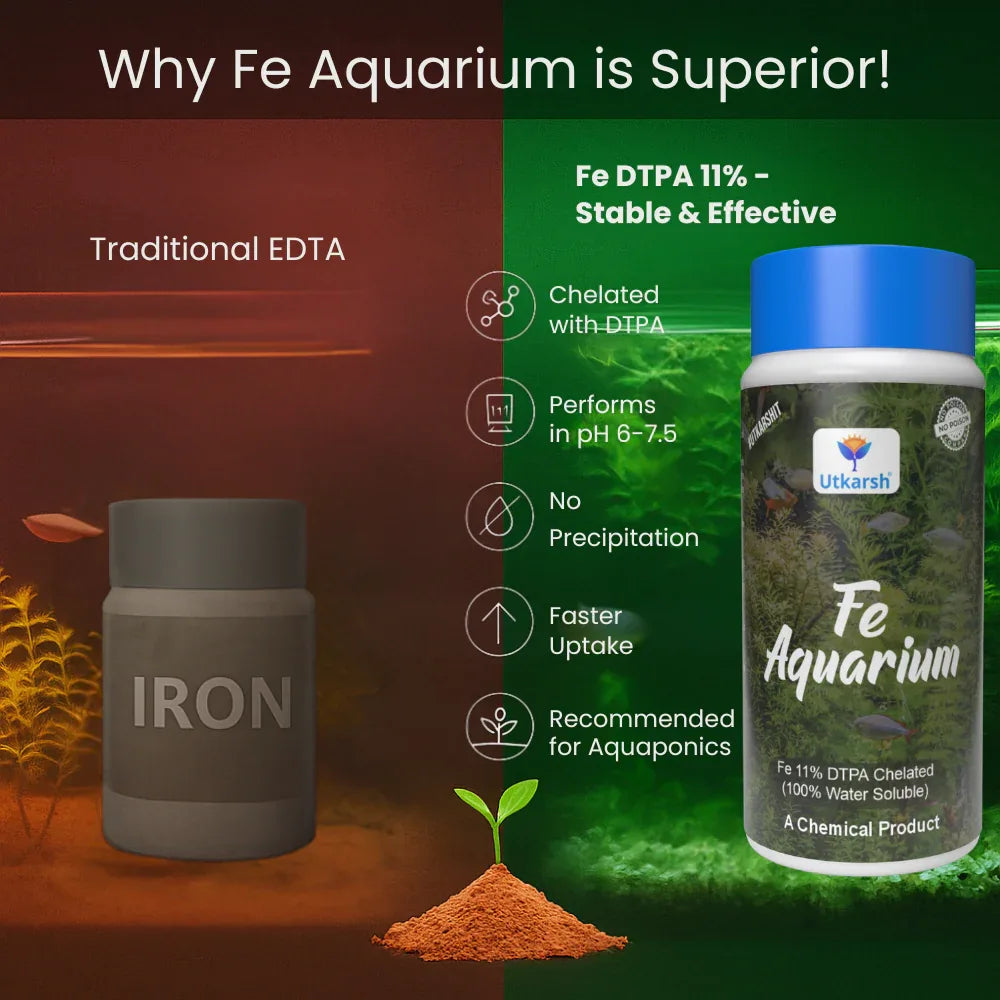
Solution: Use chelated iron supplements specifically formulated for hard water conditions. Look for products containing Fe-EDTA or Fe-DTPA, which remain soluble at higher pH levels. Dose according to instructions, but monitor plant response closely—too much can fuel algae growth.
The Root Tab Strategy for Heavy Feeders Like Amazon Swords
Amazon swords and other Echinodorus varieties are heavy root feeders that struggle when nutrients bind to minerals in hard water. Place root tabs 1-2 inches deep near the base of these plants every 3-4 months to deliver nutrients directly to where they’re needed.
Warning: Never place root tabs directly against plant rhizomes as this can cause burning. Instead, insert them slightly away from the plant where roots will naturally grow toward the nutrients.
5 Common Hard Water Plant Problems & Instant Fixes
White Crust on Leaves? Here’s How to Remove Mineral Buildup
Calcium carbonate deposits create unsightly white film on plant leaves, reducing light absorption. Gently wipe affected leaves with a soft toothbrush during water changes—never use vinegar or acids as these can shock your tank’s pH balance.
Prevention strategy: Increase water flow around plants prone to buildup (like broad-leaf Cryptocorynes) and perform 30-50% weekly water changes with dechlorinated water that matches your tank’s temperature.
Yellowing Leaves in Hard Water: The Iron Deficiency Solution
When new growth shows yellowing between veins while veins remain green, you’re seeing classic iron deficiency. Immediately add chelated iron at 50% the recommended dose, then retest in 48 hours before adding more.
Pro tip: Pair iron supplementation with increased CO2 (if using) as carbon dioxide helps plants absorb nutrients more efficiently in hard water conditions.
Creating Your First Hard Water Planted Tank: Step-by-Step Setup

Substrate Selection: What Works Best for Hard Water Plants
While hardy plants like Anubias and Java fern don’t require special substrate, root-feeding plants like Amazon swords benefit from nutrient-rich options. Use inert gravel or sand topped with root tabs rather than soil-based substrates that can alter your hard water chemistry.
Critical consideration: Avoid substrates designed to soften water, as these will fight against your natural hard water conditions and create instability that stresses plants.
The Lighting Sweet Spot for Hard Water Aquariums
Most hard water plants thrive under medium lighting (2-3 watts per gallon for standard fluorescent). Limit photoperiod to 6-8 hours daily—excessive light without perfect nutrient balance encourages algae in hard water tanks.
Pro tip: Position floating plants like frogbit to provide natural shading for lower-light species such as Cryptocoryne wendtii. This creates micro-environments within your tank that accommodate multiple plant types.
Maintenance Schedule for a Thriving Hard Water Planted Tank
The Weekly Water Change Protocol That Prevents Hard Water Issues
- Change 30-50% of tank water weekly using dechlorinated water matched to within 2°F of tank temperature
- Vacuum substrate gently to remove debris without disturbing root systems
- Wipe glass and decorations to prevent mineral buildup
- Prune overgrown plants to maintain shape and encourage bushier growth
- Dose liquid fertilizer after water changes when nutrients are most absorbable
Why this works: Regular water changes replenish trace elements that hard water binds, while consistent maintenance prevents mineral deposits from overwhelming your plants.
Pruning Hard Water Plants: When and How to Trim for Maximum Growth
The best time to prune hard water plants is during weekly maintenance when nutrient levels are highest. Remove only 1/3 of plant mass at a time to avoid shocking the plant’s system. For stem plants like Hygrophila, cut just above a leaf node to encourage branching.
Pro tip: After pruning, temporarily reduce lighting intensity by 25% for 3 days to allow plants to recover without excessive algae competition.
Hard water aquarium plants don’t have to be a challenge—they can be your greatest asset. By selecting species naturally adapted to high-mineral conditions and implementing these targeted care strategies, you’ll create a thriving underwater garden that celebrates your water’s unique chemistry. Start with Anubias, Java fern, and Cryptocoryne wendtii as your foundation plants, master the iron supplementation technique, and soon you’ll discover that hard water isn’t a limitation but an opportunity to grow some of the most resilient, beautiful aquarium plants available. Remember: the most successful planted tanks work with nature, not against it—embrace your hard water and watch your aquatic garden flourish.