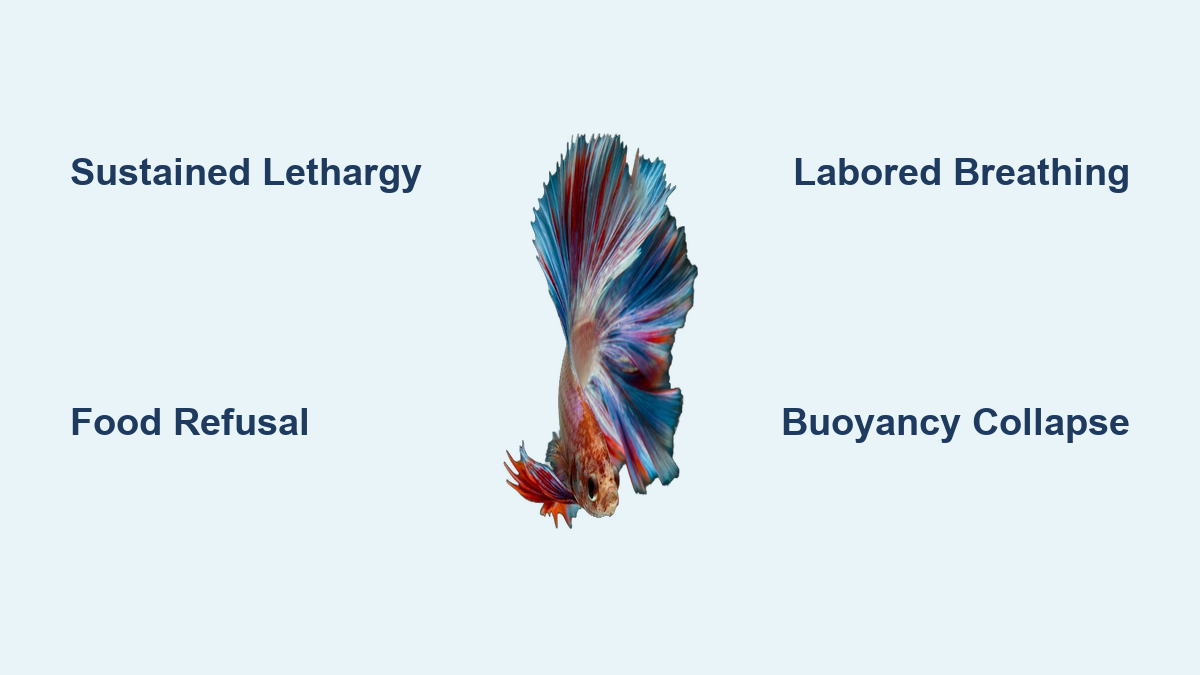
Betta Fish Behavior Before Death: Signs to Watch For
Watching your vibrant betta fish lose its spark is emotionally devastating. When your once-active companion suddenly stops exploring its tank, ignores favorite foods, or struggles to maintain buoyancy, these shifts signal a profound health crisis. Recognizing betta fish behavior before death is essential for making informed decisions during this heartbreaking phase—whether pursuing last-resort treatments or prioritizing comfort in your pet’s final days. This guide details the specific physical and behavioral changes that distinguish treatable illness from irreversible decline, empowering you to provide compassionate end-of-life care.
Why Your Betta Suddenly Stops Moving: Sustained Lethargy Explained
A healthy betta explores its environment daily, flaring at reflections and investigating new tank features. When betta fish behavior before death begins, this energy vanishes completely. Your fish will rest motionless for hours at the tank bottom or cling listlessly to plants—not occasional naps, but a persistent, total withdrawal from activity. Crucially, this lethargy differs from normal resting: your betta won’t respond to your presence at the glass or show curiosity during feeding times. If this behavior lasts beyond 48 hours despite ideal water conditions, it indicates severe systemic failure rather than temporary stress.
How to Confirm It’s Not Just Sleeping
- Observe duration: Normal rest periods last 1-2 hours; concerning lethargy exceeds 6 consecutive hours
- Test responsiveness: Gently tap the tank near their hiding spot—they won’t react if critically ill
- Check breathing: Labored gill movement (over 100 flaps/minute) confirms distress
Complete Food Refusal: When Your Betta Ignores All Meals
Loss of appetite is one of the most reliable betta fish behavior before death indicators. Unlike healthy bettas that dart toward food, a dying fish will:
– Ignore sinking pellets even when dropped directly in front of them
– Spit out live food like bloodworms after initial interest
– Show zero reaction to hand movements near the tank (a normal feeding trigger)
This isn’t a short-term fast—concern escalates when refusal persists beyond 3 days. Note that old bettas (over 3 years) may gradually eat less due to aging, but sudden total disinterest in food at any age signals acute illness or organ failure. Never force-feed; uneaten food pollutes water and increases stress.
Gasping at the Surface: Labored Breathing as a Critical Warning
If your betta hovers motionless at the water’s surface with rapid gill movements, it’s struggling to breathe—a dire betta fish behavior before death sign. Healthy gills pulse smoothly at 30-50 flaps/minute; labored breathing exceeds 80 flaps while the fish remains stationary. This indicates:
– Gill damage from ammonia poisoning
– Severe bacterial infection impairing oxygen exchange
– Organ failure reducing blood oxygen capacity
Immediately test water parameters—ammonia/nitrite above 0 ppm requires emergency treatment. But if levels are safe and gasping continues, it confirms irreversible physiological collapse.
Buoyancy Collapse: Sinking or Floating Uncontrollably
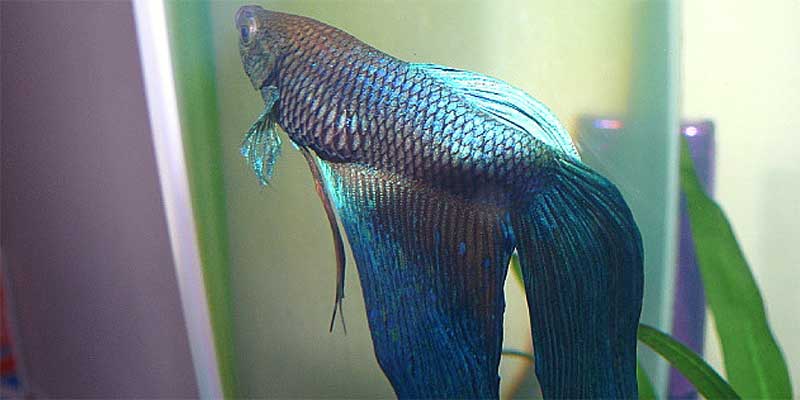
Watch for these betta fish behavior before death red flags related to movement:
– Bottom-sitting: Lying on its side or upright but immobile at the tank floor
– Surface-stranding: Trapped at the top, unable to dive even when startled
– Corkscrew swimming: Spiraling uncontrollably during rare movement attempts
These symptoms mean the swim bladder has failed due to advanced infection or neurological damage. Unlike treatable swim bladder disorder (where fish rights itself occasionally), terminal buoyancy issues are constant and unresponsive to fasting or pea treatments.
Faded Colors and Clamped Fins: Visible Physical Decline
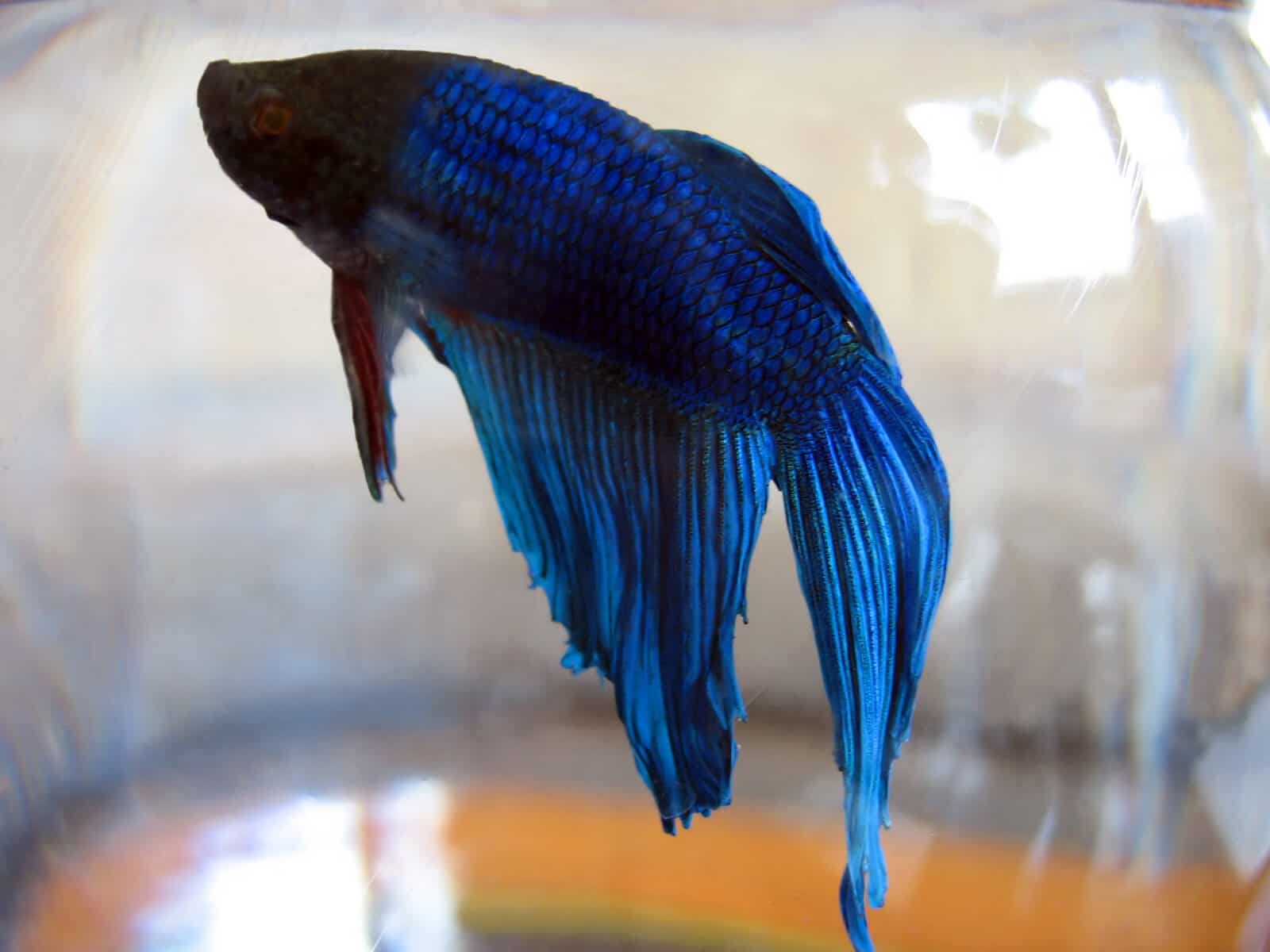
Your betta’s vibrant hues fading to dull gray or milky white is a visceral warning. This betta fish behavior before death sign occurs as circulation fails and stress hormones deplete iridophores (color cells). Simultaneously, fins will clamp tightly against the body—no flowing finnage even during feeding attempts. These changes happen rapidly (within 48 hours) during acute illness but gradually over weeks in natural aging.
Critical Distinction: Illness vs. Aging
| Symptom | Acute Illness | Natural Aging |
|---|---|---|
| Color loss | Complete fade in 1-3 days | Gradual dulling over months |
| Fin clamping | Persistent, even when disturbed | Intermittent, resolves briefly |
| Onset speed | Sudden (hours) | Slow (weeks/months) |
Pineconing and Lesions: Advanced Organ Failure Symptoms
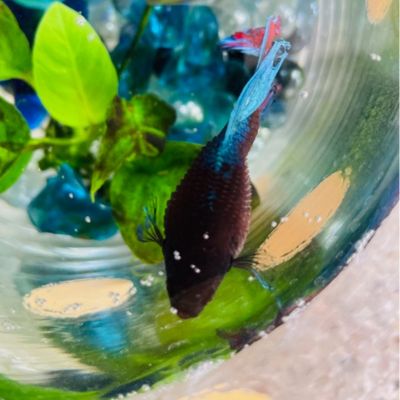
When scales protrude like a pinecone (Dropsy), it’s often too late—this betta fish behavior before death symptom indicates 90% mortality from kidney failure. Similarly, white fungal patches or bloody ulcers signal:
– Untreated bacterial infections eroding tissue
– Severe parasite infestations compromising immunity
– Systemic organ collapse
These physical changes appear alongside extreme lethargy and buoyancy loss. Unlike treatable fin rot (which starts at edges), terminal lesions cover large body areas and ooze fluid.
Setting Up a Comforting Hospice Environment Immediately
When recovery seems unlikely, shift to palliative care. Do this within 24 hours of noticing critical symptoms:
Essential Tank Modifications
- Lower water depth to 4-6 inches so your betta reaches the surface effortlessly
- Dim lights completely—brightness increases stress in failing fish
- Remove filter current but keep air stone for gentle oxygenation
- Add shallow resting spots like a marimo moss ball at water level
Perform 10% water changes daily with pre-warmed (78-80°F), dechlorinated water. Never vacuum near your betta—disturbance can be fatal. This “hospice tank” minimizes energy expenditure so your fish conserves strength.
Comfort Feeding and Stress Reduction Protocols
Offer high-value foods sparingly but never force-feed:
– Thawed bloodworms on a toothpick near their mouth
– Single daphnia floated gently onto water surface
– Tiny pinch of crushed pellets if they show interest
Remove uneaten food after 2 minutes. More crucially:
– Eliminate tank mates immediately (even peaceful shrimp stress dying fish)
– Cover tank sides with paper to block external movement
– Maintain 79°F water—cold worsens organ function
Your betta’s ability to eat may return briefly during hospice care, but sustained refusal confirms the end is near.
When to Consider Humane Euthanasia: Unbearable Suffering Signs
Prolonging suffering is cruel. Choose euthanasia if your betta shows three or more of these:
– ❌ Unable to right itself when rolled (stays upside down >5 minutes)
– ❌ Gills flapping over 120 times/minute without movement
– ❌ Open-mouth gasping while stationary at surface
– ❌ Visible spinal curvature or organ protrusion
Use the clove oil method (0.4ml clove oil per cup water) for peaceful sedation. This protocol takes 10-20 minutes—never use ice baths or household chemicals, which cause agony. Consult an exotic vet if unsure.
Final Hours: What to Expect in Your Betta’s Last Days
During the terminal phase (typically 12-72 hours), your betta will:
– Become completely unresponsive to touch or sound
– Lose all color saturation, appearing ghostly pale
– Exhibit spasmodic gill flares every 30-60 seconds
– Float vertically with head down (the “death pose”)
Place a soft cloth under the tank to muffle vibrations. Speak softly—they may still hear you. When gill movement stops for 15+ minutes, death has occurred. Honor their life with a peaceful farewell; many owners plant a memorial flower using tank water.
Final Note: Recognizing betta fish behavior before death transforms heartbreaking uncertainty into compassionate action. While no owner wants to face this reality, understanding these signs ensures your betta’s final days are filled with dignity rather than distress. If symptoms appear suddenly in a young fish (<2 years), pursue veterinary care immediately—some conditions like ammonia poisoning are reversible with rapid intervention. For aging bettas, focus shifts to comfort: pristine water, minimal handling, and a quiet environment. Your awareness of these critical behaviors is the ultimate act of love, allowing you to make choices aligned with your fish’s wellbeing until the very end.