How to Plant Lotus Seeds in Aquariums
Your aquarium just sprouted a mysterious lotus seedling, and now you’re torn between excitement and panic. That tiny green shoot could transform your tank into a serene oasis—but without precise care, it will choke your fish, cloud your water, and leave you dismantling your entire aquascape within weeks. Lotus plants (Nelumbo nucifera) are not true aquatic species; they’re emergent giants masquerading as aquarium plants. Most hobbyists fail because they treat lotus like standard aquarium flora. This guide reveals exactly how to plant lotus seeds in your aquarium without triggering algae blooms, root rot, or a 4-foot-tall monstrosity that devours your tank. You’ll learn the scarification trick that boosts germination success by 90%, the soil mix that prevents water clouding, and why your 10-gallon tank is already too small for most varieties. Skip these steps, and you’ll face slimy pods, snail-attacked sprouts, and legal trouble with invasive species laws.
Why Your Aquarium Lotus Will Fail Without These Critical Checks
Lotus plants demand conditions most aquariums can’t sustain. They’re emergent species requiring leaves to breach the water surface—a dealbreaker for hooded tanks. Dwarf “bonsai” varieties (like Nelumbo nucifera ‘Momo Botan’) are your only viable option, yet even these explode beyond 12 inches in diameter. Before touching a seed, verify three non-negotiables: First, confirm your lotus isn’t illegal. States like Florida and Texas ban certain species—you risk fines if your plant escapes into local waterways. Second, measure your tank depth: You need at least 18 inches of vertical space for leaves to emerge. Third, assess your lighting: Standard aquarium LEDs won’t cut it. Lotus requires 80+ PAR at the substrate level—comparable to high-end reef tanks. If your tank lacks these, relocate the seedling to a pond now. As one aquarist learned the hard way: “My ‘mini’ lotus covered my 20-gallon tank in 3 months. Roots choked the filter, and leaves blocked all light.”
Is Your Tank Size Actually Enough for Lotus?
- Minimum viable setup: 20-gallon long (30″ x 12″) for dwarf varieties only
- Critical red flags: Narrow tanks (<12″ width) cause stunted growth and leaf die-off
- Pro Tip: Place your seedling in a 12-inch-wide pot inside the tank—not buried in gravel. This contains roots and simplifies relocation later.
Why Standard Aquarium Soil Guarantees Failure
Lotus roots secrete enzymes that disintegrate lightweight substrates. If you use standard aquarium gravel or dirt, expect:
– Permanent cloudiness from suspended particles
– Nutrient starvation (roots need heavy clay-based soil)
– Root rot from poor anchoring
Step-by-Step: Scarifying and Germinating Lotus Seeds (The 90% Success Method)
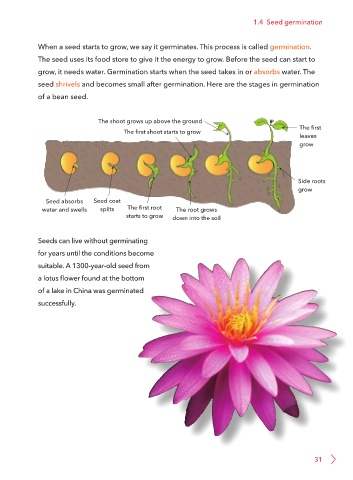
Most failed attempts stem from improper seed prep. Fresh lotus seeds have a rock-hard coat that blocks water absorption. Skip scarification, and your seed rots in 2 weeks. Follow this field-tested protocol:
How to File Lotus Seeds Without Killing the Embryo
- Identify the weak point: Locate the seed’s “pip”—a small, slightly indented point at one end (not the blunt tip).
- Precision sanding: Use 220-grit sandpaper to gently abrade the opposite end until you see pale beige tissue beneath the dark shell. Stop immediately—sanding deeper kills the sprout.
- Water test: Drop the seed in warm (80°F) dechlorinated water. A properly scarified seed sinks within 10 minutes. Floaters need more filing.
Pro Tip: Wrap seeds in damp paper towels before filing. This prevents dangerous seed fragmentation. One hobbyist shared: “I filed too deep and killed 18 seeds. Now I sand just until the shell lightens.”
Germination Timeline: What to Expect Daily
| Day Range | What Happens | Critical Action |
|---|---|---|
| Days 1-3 | Seed swells, cracks open | Change water twice daily—stagnant water breeds slime mold |
| Days 4-7 | White radicle (root) emerges | Position seed with root pointing down in water |
| Days 8-14 | First leaf (cotyledon) unfurls | Move to planting phase when root hits 2 inches |
Warning: If seeds develop white fuzz or slimy coating, discard them immediately. This indicates bacterial infection that will spread to your tank.
Planting Your Lotus Seedling: The Container Method That Prevents Disaster

Never plant lotus directly in aquarium substrate. Their aggressive rhizomes will destabilize hardscape and smother other plants. Use this container system:
Choosing the Right Pot (Size Matters More Than You Think)
- Dwarf varieties: 10″ x 6″ wide, shallow pot (like a bonsai container)
- Standard varieties: 18″ x 8″ pot—required even in large tanks
- Avoid: Narrow cylinders or pots with drainage holes (soil will wash out)
Soil Mix Recipe That Won’t Cloud Your Water
Combine in a bucket:
– 60% aquatic planting soil (e.g., ADA Amazonia)
– 30% bentonite clay pellets (crushed to pea-size)
– 10% fine aquarium gravel (<2mm)
Moisten until it holds shape when squeezed—no dripping water.
Planting Steps That Protect Your Seedling
- Fill pot ¾ full with soil mix. Add root tabs now (one per gallon of soil).
- Press seedling into soil with root vertical—do not bury the sprout.
- Cover with ½ inch of gravel to anchor soil.
- Submerge pot in tank with only 1-2 inches of water above soil.
- Place under intense light (12+ hours daily).
Critical Mistake Alert: Adding too much water depth here drowns seedlings. One user lamented: “I covered my seedling in 6 inches of water. It rotted in 3 days.”
Fixing Common Lotus Problems in Aquariums (Before They Ruin Your Tank)
Why Snails and Shrimp Are Devouring Your Lotus
Lotus sprouts emit a sweet mucilage that attracts invertebrates. If you see holes in new leaves:
– Immediate fix: Isolate the pot in a separate container for 2 weeks.
– Long-term: Add assassin snails (they eat pests but ignore lotus).
– Never: Use chemical pesticides—they’ll kill fish.
Slime Mold on Pods: The 24-Hour Solution
Caused by stagnant water during germination:
1. Remove seedling and rinse roots under lukewarm water.
2. Soak in 1:20 hydrogen peroxide/water solution for 5 minutes.
3. Replant in fresh soil with added root tabs.
Leggy Growth? Your Light Is Too Weak
If leaves stretch toward light with thin stems:
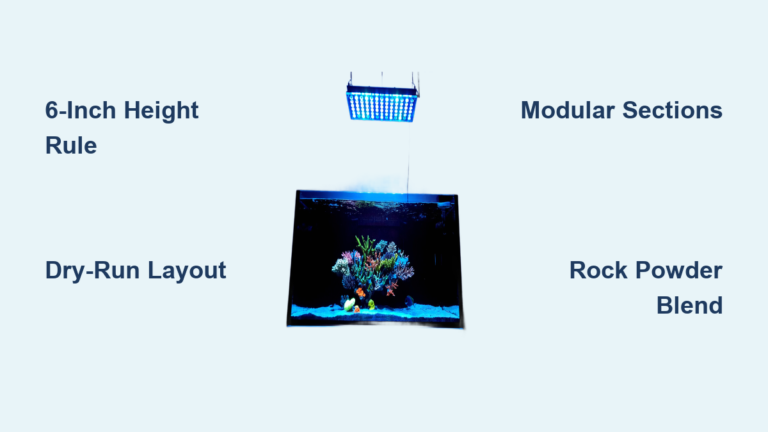
– Move light source within 6 inches of water surface
– Upgrade to 100+ lumens per gallon (e.g., NICREW ClassicLED)
– Do not trim leaves—this weakens the plant.
When to Relocate Your Lotus (And How to Avoid Legal Trouble)

Most aquarium lotus outgrow tanks within 4-6 months. Signs it’s time to move:
– Leaves consistently breach water surface by >3 inches
– Rhizomes push soil out of the pot
– Water clarity drops despite maintenance
Relocation Protocol for Legal Compliance
- Verify species legality: Search “[Your State] invasive aquatic species list.”
- Pot transfer: Move entire soil pot to a 20-gallon tub without disturbing roots.
- Pond transition: Float the pot in your pond for 7 days before sinking.
Critical Warning: Never release lotus into natural waterways. In Texas, fines exceed $500 for spreading invasive species.
Final Maintenance Checklist for Thriving Aquarium Lotus
Your lotus won’t flower in captivity without these non-negotiables:
– Weekly: Wipe leaf surfaces with soft cloth to prevent algae
– Biweekly: Add one root tab per gallon of soil
– Monthly: Prune only yellowing outer leaves at stem base
– Never: Trim the central growing tip—this kills the plant
Patience is your greatest tool. Germination takes 14-28 days; first leaves appear at 6-8 weeks. But when that first circular leaf floats serenely atop your water—a living sculpture born from a seed no bigger than a pea—you’ll understand why aquarists call it “the ultimate aquatic achievement.” Just remember: This isn’t a permanent aquarium resident. Treat it as a breathtaking, temporary centerpiece, and you’ll avoid the heartbreak of uprooting a 3-foot monster from your 20-gallon tank. Start small with dwarf seeds, follow these steps precisely, and within months, you’ll have the centerpiece other hobbyists screenshot from your tank photos.