How to Measure Aquarium Fish Length: Easy Steps
Your Oscar just won’t stop eating, and you’re convinced it’s grown two inches overnight. But when you casually mention its size online, another hobbyist insists your measurement is wrong—they measure differently. This exact confusion sparks heated debates in aquarium forums daily. Knowing precisely how to measure aquarium fish length transforms vague claims like “my cichlid is huge” into actionable data for health tracking, tank stocking, and medication dosing. Without standardized methods, you risk misjudging growth rates or overcrowding your tank. In this guide, you’ll master three scientifically recognized measurement techniques, learn stress-free methods that protect your fish’s slime coat, and avoid common errors that invalidate your readings—all while keeping your aquatic pets calm and safe.
Why Standard Length vs. Total Length Changes Your Fish Size Report

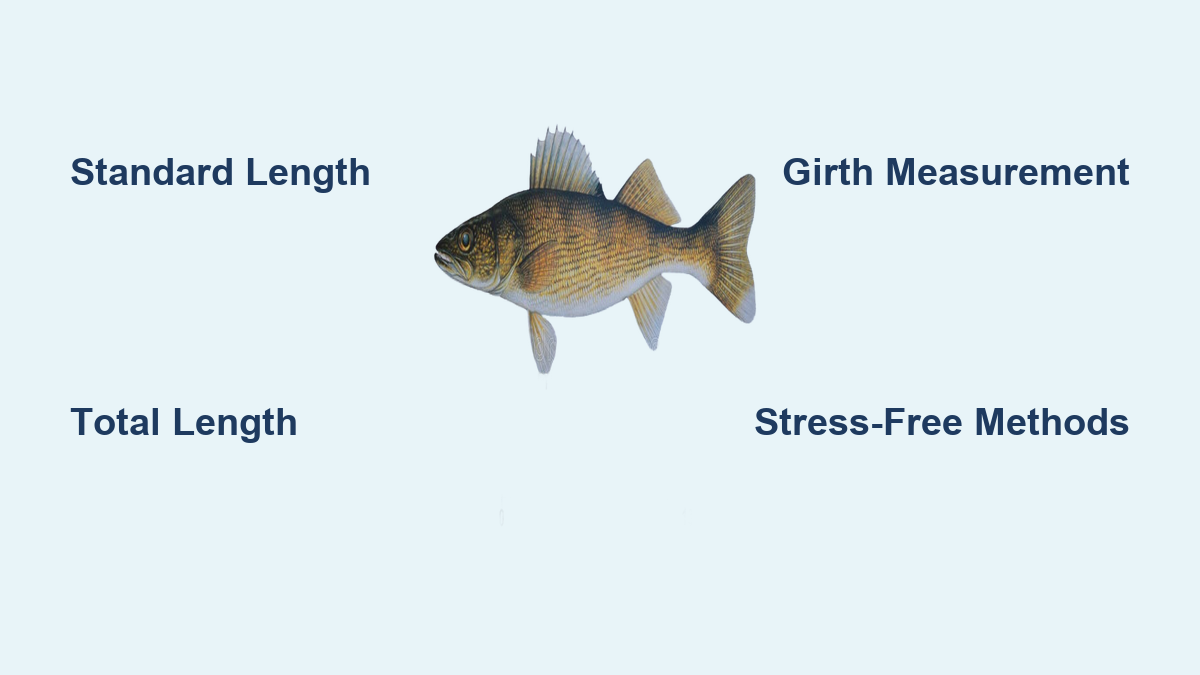
Confusing standard length (SL) with total length (TL) turns innocent size discussions into aquarium community wars. When someone claims their Jaguar cichlid is “18 inches,” they might mean total length—but scientifically, that same fish could measure just 14 inches standard length. SL stops at the tail base where the caudal peduncle ends, excluding the fin entirely. This method dominates scientific research because tail damage won’t distort growth records. Total length, measured from snout tip to tail fin tip with fins compressed naturally, is the angler’s standard but inflates size in aquarium contexts. Fork length (FL) only applies to species like tuna with deeply forked tails—irrelevant for most freshwater tanks. Always specify your method: “12-inch SL” prevents misunderstandings when comparing species max sizes or calculating tank capacity.
How Standard Length Prevents Overstocking Disasters
Imagine stocking based on total length when your aquarium guide specifies standard length. A 10-inch TL angelfish might only be 7 inches SL—meaning you’ve accidentally overcrowded by 30%. Biologists rely on SL because it correlates directly with body mass and metabolic demands. When your Pleco’s SL hits 12 inches, it needs triple the space of a 6-inch SL specimen, regardless of tail size. To measure SL correctly: align your fish’s snout with zero on a flexible ruler, then trace to the narrowest point before the tail fin attaches—the “wrist” where body ends and fin begins. This spot feels slightly indented between thumb and forefinger when gently holding the fish.
When Total Length Matters for Medication Dosing
Total length becomes critical when calculating medication doses for parasites like ich. Since treatments often scale with overall surface area, TL gives a more accurate picture than SL for fish with large fins (e.g., bettas or guppies). To measure TL: position the fish straight on a wet cloth, gently pinch tail lobes together without stretching, and extend the ruler to the farthest fin tip. Never pull fins taut—that adds false inches and risks fin damage. For species like goldfish with flowing tails, TL can be 25% longer than SL, making precise measurement non-negotiable for safe dosing.
Step-by-Step: Measuring Your Fish Without Causing Harm
Netting your fish should be a last resort—never do it just to settle “who has the bigger fish” debates. But when growth tracking or health issues demand accuracy, follow this stress-minimizing protocol. Always complete measurements within 30 seconds of water removal, and wet your hands thoroughly to preserve the protective slime coat. One minute of improper handling can trigger deadly bacterial infections.
The Tray Method: Most Accurate Measurement Technique
This technique yields lab-grade results without harming delicate species like discus or killifish:
- Lay a damp microfiber cloth flat on a stable surface beside the tank
- Gently transfer your fish using a soft net into a shallow container of tank water
- Slide the fish onto the cloth, supporting its body in a gentle “C” curve with wet fingers
- Place a flexible tape measure alongside the fish—never wrap it around the body
- For SL: measure from snout tip to the caudal peduncle’s end (where tail fin begins)
- For TL: measure to the tail fin’s farthest point with lobes naturally compressed
Pro Tip: Chill the cloth slightly in tank water first—cooler temps slow metabolism, reducing struggle. Stop immediately if gills flare rapidly or skin color pales.
Photographic Method: Stress-Free Fish Length Estimation
Avoid handling entirely with this vet-approved approach:
- Tape a clear ruler vertically to the aquarium’s front glass
- Place food near the ruler to lure fish into position
- Wait until the fish swims perfectly parallel to the glass
- Take a photo with your phone held perpendicular to the glass
- Compare fish length to ruler markings using any photo editor
This works best for midwater swimmers like tetras. For bottom dwellers, lay the ruler horizontally on the substrate first. Accuracy reaches 95% if the fish is within 6 inches of the glass—no distortion from curved tanks.
How to Measure Fish Girth for Health Assessments
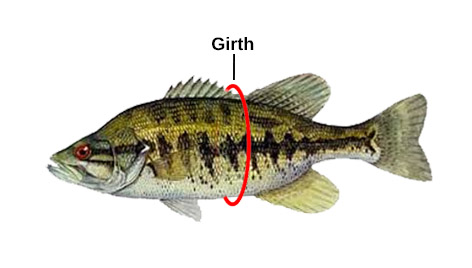
Girth reveals hidden health issues long before weight loss becomes visible. A sudden 10% girth reduction in cichlids often signals internal parasites, while expanding girth in goldfish may indicate dropsy. Measure at the body’s widest point, usually just behind the pectoral fins:
- While holding the fish briefly on a wet cloth, loop a soft fabric tape around its midsection
- Gently snug the tape until it contacts both sides—never constrict
- Read the measurement where tape ends meet
- For record-keeping: note girth alongside length (e.g., “4.2” SL, 1.8″ girth”)
Critical Warning: If the fish’s belly feels hard or distended during measurement, return it to the tank immediately—this could indicate life-threatening bloat.
Critical Safety Steps for Handling Aquarium Fish During Measurement
One-third of fish deaths during handling stem from slime coat damage. Prevent this by:
- Wetting hands thoroughly with tank water (not tap water) before contact
- Supporting the entire body—never lift by the tail or head
- Keeping air exposure under 30 seconds—time yourself with a stopwatch
- Using soft silicone trays instead of paper towels (which absorb protective mucus)
If your fish thrashes violently, abort the measurement. Stressed fish release cortisol that weakens immunity for days. For skittish species like rainbowfish, skip handling entirely and use the photographic method.
4 Common Fish Measurement Mistakes That Skew Your Data
Even experienced hobbyists accidentally invalidate measurements through these errors:
Stretching the Tail Fin for “Extra Inches”
Forcing tail lobes apart adds false length but risks fin tears. Total length requires natural compression—gently pinch fins together without pulling. A stretched tail on a 6-inch Oscar can falsely report 7.5 inches.
Measuring Along the Fish’s Curve
Laying a flexible tape along the body’s arch overstates length by up to 20%. Always position the fish straight on a flat surface. For eel-shaped fish like kuhli loaches, use the photographic method instead.
Ignoring the Snout Profile
Starting measurement at the eye instead of the snout’s foremost point (which may be the lower jaw in bottom-feeders) shortens readings. For corydoras, begin at the mouth’s front edge.
Forgetting Post-Measurement Recovery
Dropping a stressed fish back into the tank causes injury. Instead, hold the container at tank level and let it swim out on its own—a 10-second transition prevents shock.
Why Precise Measurement Matters for Tank Stocking and Growth Tracking
That “12-inch” redtail catfish you bought as a “small juvenile” likely measured 8 inches TL—already too large for your 55-gallon tank. Standard length prevents this trap: a true 4-inch SL specimen has room to grow. Track growth monthly using SL to catch stunting early; a healthy angelfish should gain 0.5 inches SL every 2 months. When medication labels specify “fish over 6 inches,” they mean TL—using SL here underdoses dangerously. Precise records also expose health issues: a guppy maintaining 1.2″ TL but losing girth may have internal worms.
When to Skip Measurement: Safe Estimation Techniques
No measurement justifies stressing a sick, breeding, or shy fish. Use these humane alternatives:
- The Finger Rule: Hold your hand flat against the tank glass when the fish swims by. If it’s shorter than your index finger (average 2.5″), it’s under 2 inches TL.
- Tank Marker Method: Affix colored tape strips at 2″, 4″, and 6″ heights on the outside glass. Note which mark the fish reaches during feeding.
- Photo Comparison: Take weekly photos with a ruler in the tank. Free apps like FishLength analyze size changes over time.
These estimate within 15% accuracy—sufficient for 90% of hobbyist needs. Reserve hands-on measuring for critical health situations only.
Recording and Tracking Your Fish’s Growth Over Time
Transform measurements into actionable insights with a simple log:
| Date | Fish Name | SL (in) | TL (in) | Girth (in) | Notes |
|---|---|---|---|---|---|
| 2023-10-01 | Oscar | 4.1 | 5.8 | 1.9 | Active, good color |
| 2023-11-01 | Oscar | 4.5 | 6.3 | 2.1 | Slower appetite |
A sudden SL plateau despite good feeding signals potential tank issues. Pair this with monthly photos to spot asymmetrical growth—early indicators of scoliosis or malnutrition.
Accurate measurement isn’t about bragging rights—it’s vital husbandry. By using standard length for growth tracking and total length for medication, you’ll make smarter stocking decisions and catch health problems before they escalate. Remember: when in doubt, skip the measurement. A stressed fish is always less healthy than one with an unverified size. For everyday monitoring, estimation techniques protect welfare while giving reliable data. Now you can confidently report your fish’s true size, settle forum debates with facts, and most importantly, keep your aquatic companions thriving.