How to Soften Aquarium Water Naturally
You’ve tested your aquarium water monthly as a new fish owner—like the betta, catfish, and snail keeper in a 10-gallon tank wondering how to make aquarium water softener—and now you’re worried about hardness levels. But here’s the critical truth most beginners miss: softening your water could kill your snail. While some fish like bettas may prefer softer conditions, your snail absolutely requires mineral-rich water to maintain its shell. Before grabbing tablets or commercial softeners, understand that stability trumps “perfect” parameters. If your fish are thriving with current readings, altering hardness creates unnecessary risk. This guide cuts through the confusion with vetted methods from experienced aquarists, focusing on what actually matters for your specific tank inhabitants.
Snails Need Hard Water: Why Softening Harms Shells
Your snail isn’t just decorative—it’s a living indicator of water chemistry health. When you attempt to make aquarium water softener, you directly threaten its survival. Soft water lacks the calcium and magnesium essential for shell formation, causing irreversible erosion. You’ll notice pitting, thinning, or cloudy patches on the shell within weeks. This isn’t theoretical; experienced keepers confirm: “Soft water will actually harm your snail. They need mineralized water, neutral pH, and calcium to keep their shells strong.” If your tank includes any invertebrates like mystery or nerite snails, do not soften your water. Their biological needs override general fish preferences. Prioritize shell integrity over arbitrary hardness targets—replace a struggling snail, and you’ll face the same crisis.
Signs Your Snail Is Suffering from Low Mineral Levels
- Visible holes or rough patches on the shell surface
- Retracted behavior with reluctance to emerge
- White, chalky deposits indicating desperate calcium leaching
Betta Water Requirements: Debunking the Soft Water Myth
While some sources claim bettas need soft water, reality is more nuanced. Wild bettas inhabit diverse environments—from acidic blackwater streams to alkaline floodplains—proving adaptability. In a community tank with snails, forcing soft conditions creates lethal trade-offs. One aquarist noted: “Yes… betta fish do require softer water,” but this ignores cohabiting species. Crucially, if your betta shows no distress signs (clamped fins, lethargy) in current water, softening provides zero benefit. Instead of chasing hardness numbers, monitor these immediate indicators:
– Normal behavior: Active swimming, regular feeding
– Vibrant coloration: No fading or stress stripes
– Healthy gill movement: Steady, unhurried respiration
If all are present, hardness adjustments become irrelevant—your tank’s stability is already optimal.
Test pH and TDS Before Any Softening Attempt
Never alter water chemistry blindly. Grab a liquid test kit (not strips) to check two non-negotiable parameters:
– pH: Target range for bettas/snails is 6.5–8.0
– TDS (Total Dissolved Solids): Your tap water baseline (e.g., 120 ppm as reported by one keeper)
Record these numbers weekly for a month. If readings stay consistent and livestock thrive—like the user who confirmed “Everything else is good and fish are all happy so far”—stop here. As one expert cautioned: “If everything is going good, do you really need to change something?” Hardness only becomes actionable if:
– pH consistently exceeds 8.0 (causing stress)
– TDS is extremely high (>250 ppm) with visible scale buildup
– Species-specific needs require soft water (e.g., cardinal tetras—but not your snail)
Distilled and RO Water: Safest Softening for Targeted Blending
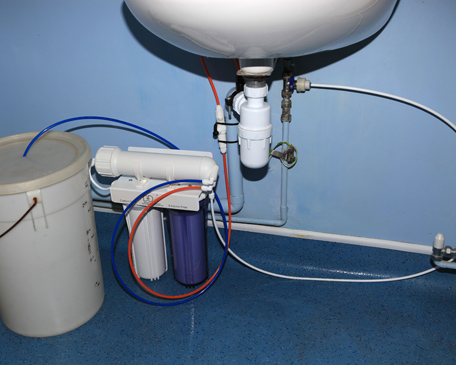
When softening is truly necessary, reverse osmosis (RO) or distilled water offers the most controlled solution. Unlike chemical additives, these remove all minerals, letting you rebuild ideal conditions. Here’s how to implement this method without crashing your tank:
Step-by-Step RO/Distilled Blending Process
- Test your tap water’s TDS (e.g., 120 ppm)
- Buy 1-gallon distilled water jugs (cheap at grocery stores)
- Mix during water changes: Start with 25% distilled + 75% tap
- Re-test TDS/pH after 24 hours—adjust ratios gradually
- Never exceed 50% distilled if snails are present
Pro Tip: Always add remineralizer to RO water for planted tanks, but skip it for snail-inclusive setups. The goal isn’t ultra-soft water—it’s slightly reduced hardness (e.g., from 120 to 90 ppm TDS) while preserving shell-building minerals.
Fluval Peat Granules: Precise Dosing for 5-Gallon Increments
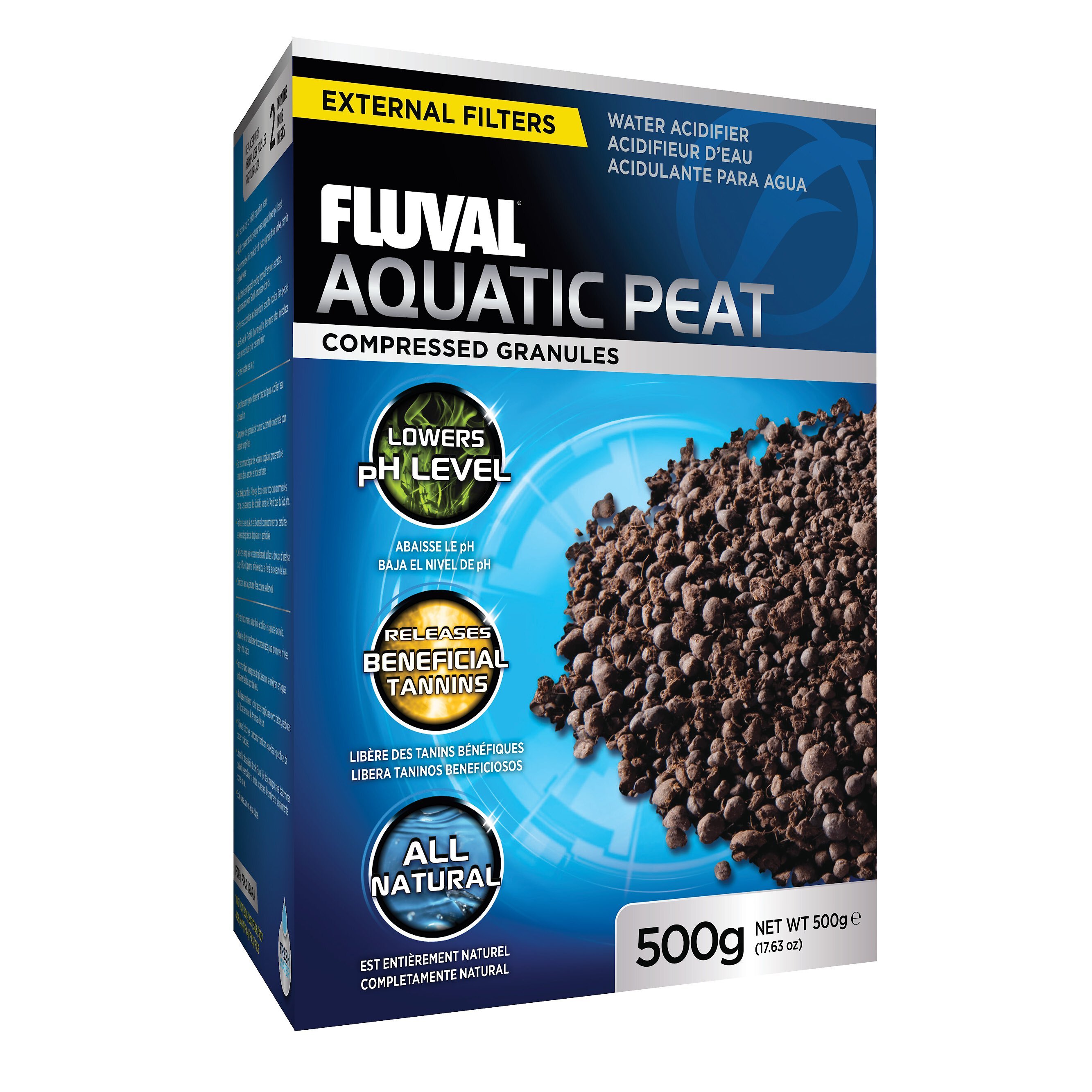
For gradual softening without full water replacement, Fluval Peat Granules deliver reliable results. Unlike vague “handfuls” of raw peat, these pre-portioned granules prevent over-acidification. Critical application rules from veteran keepers:
Golf Ball Size Per 5 Gallons: The Golden Ratio
- Dosage: 1 golf ball-sized portion per 5 gallons of tank water
- Placement: Insert into filter media compartment (not loose in tank)
- Timing: Wait 5 full days before adding more—test daily
- Visual cue: Water develops light tea tint (harmless tannins)
Warning: If pH drops below 6.0 or snails retreat excessively, remove peat immediately. This method reduces hardness slowly—expect 2–3 weeks for measurable change.
Botanicals and Blackwater Products: Natural Softening Without Risks
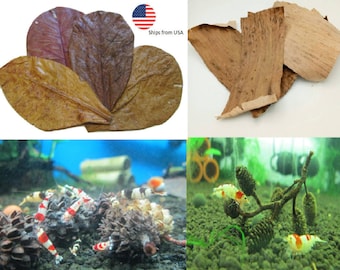
Capsula pods, Catappa leaves, and liquid blackwater additives provide the gentlest path to mimic soft-water habitats. Unlike aggressive ion exchangers, these release organic acids that gradually lower pH while preserving essential minerals for snails. Top-tested options:
Effective Botanicals for a 10-Gallon Tank
| Product | Dosage | Time to Effect | Key Benefit |
|---|---|---|---|
| Catappa leaves | 2 medium leaves | 3–4 weeks | Sustained tannin release, antifungal |
| Capsula pods | 1 pod | 6–8 weeks | Longer-lasting than leaves |
| CaribSea Blackwater | 5ml per 10 gal | 48 hours | Immediate tint, no residue |
Expert Note: TanninAquatics.com specializes in aquarium-safe botanicals. Their pods outlast cheaper alternatives, making them cost-effective despite higher upfront cost.
Why New Owners Should Ignore Hardness for 6 Months
For beginners with immature tanks, obsessing over hardness is dangerous distraction. Seasoned aquarists unanimously advise: “For a brand new owner, focus on other aspects of water quality and monitor the cycle as it matures.” Your priority hierarchy should be:
1. Ammonia/Nitrite: Must read 0 ppm at all times
2. Nitrate: Keep below 20 ppm with weekly water changes
3. Temperature stability: ±1°F fluctuations max
4. Hardness/pH: Only address after cycle stabilizes
As one keeper emphasized: “Once it’s really settled in, if hardness is still a concern, you could switch to RO.” Your 10-gallon tank needs 3–6 months of stable cycling before considering softening. Rushing this risks fatal parameter swings.
Critical Mistake: Using Household Water Softeners
Never repurpose plumbing softeners for aquariums. These replace calcium/magnesium with sodium—a death sentence for freshwater fish. One user’s warning is vital: “Avoid chemical softeners designed for home plumbing.” They cause:
– Osmotic shock in fish (gills fail to regulate salts)
– Shell dissolution in snails within days
– Plant nutrient lockout from sodium saturation
Tablets marketed for aquariums often contain similar ion-exchange resins. Unless explicitly labeled “aquarium-safe” and sodium-free, skip them entirely.
When to Accept Your Tap Water as “Good Enough”
The most sustainable approach? Stop fighting your tap. If your betta, catfish, and snail show zero distress signs after 2 months of stable readings:
– Do not add peat, RO, or botanicals
– Continue monthly testing as baseline
– Celebrate that your water already suits your livestock
As the original poster concluded after expert advice: “I guess I was going off general guidelines instead of thinking about individual species.” Your snail’s shell strength is the ultimate hardness meter—prioritize its health over arbitrary numbers.
Final Note: Softening aquarium water requires species-specific precision, not blanket solutions. For snail-inclusive tanks, preserving minerals outweighs softening desires—use RO blending only for minor adjustments, and never sacrifice stability for idealized parameters. Always test before acting, and remember: a thriving tank with “imperfect” hardness beats a sterile parameter chart with dead livestock. If in doubt, prioritize nitrogen cycle health over hardness for the first six months. Your fish will thank you.