How to Lower Nitrate Levels in Aquarium
Your test strip just turned rocket-fuel red at 60 ppm nitrate. Green slime coats every surface. Your once-vibrant neon tetras now hover near the surface, gasping. This isn’t a new tank cycle failure—it’s the silent killer in established aquariums. When nitrate levels exceed 30 ppm, you’re gambling with fish health and battling relentless algae. The good news? You can slash nitrates by 50% in 20 minutes using methods proven in 10,000+ tanks. This guide delivers battle-tested protocols from emergency fixes to permanent solutions—no fluff, just what actually works for freshwater and saltwater systems.
Why Your Freshwater Tank Hits 80+ ppm Nitrate Weekly
Nitrates aren’t a sign your tank isn’t cycled—they’re the inevitable end product when ammonia converts to nitrite then nitrate. With zero natural bacteria breaking down nitrates in standard setups, levels climb relentlessly from fish waste, decaying plants, and leftover food. At 40+ ppm, you’ll see chronic fish stress: clamped fins, faded colors, and susceptibility to ich outbreaks. Above 60 ppm? Expect explosive hair algae and stunted plant growth as nitrates overwhelm your ecosystem. The critical trigger? Most hobbyists miss that overfeeding just 10% beyond consumption doubles nitrate accumulation speed.
Emergency 50% Water Change Protocol (20-Minute Fix)
Stop nitrate damage immediately with this exact sequence:
Grab your gravel vacuum and bucket—this isn’t a gentle 25% change. For readings above 50 ppm, you need aggressive intervention. Start vacuuming substrate in slow, overlapping passes (not just surface cleaning) to extract decades-old detritus trapped between gravel. Target high-waste zones: under driftwood, behind filters, and near feeding spots. As you siphon 50% of tank volume, watch coffee-colored sludge erupt from the gravel—this is concentrated nitrate fuel. Replace with dechlorinated water matched within 1°F of tank temperature. Critical: Add water conditioner before pouring new water in to neutralize chloramines that bind nitrates to chlorine. Confirm success by retesting 30 minutes later—you should see at least a 50% drop.
Why Your Last Water Change Failed to Lower Nitrates
- You didn’t vacuum deep enough: Surface-only cleaning misses 70% of nitrate-producing sludge buried in substrate. Push the vacuum tube 1-2 inches deep.
- You changed too little water: A 25% change only reduces nitrates by 25%. At 80 ppm, you’re still at dangerous 60 ppm.
- You used untreated tap water: Chlorine in tap water kills nitrate-consuming bacteria in filter media, worsening future spikes.
Three Water Change Mistakes That Spike Nitrates Faster
- Rinsing filter media under tap water: This nukes beneficial bacteria. Always swish media in a cup of removed tank water during changes.
- Changing water weekly but skipping substrate cleaning: Nitrates regenerate from trapped waste within 48 hours if substrate isn’t vacuumed.
- Adding new water too fast: Sudden temperature shifts stress fish, increasing waste production. Pour replacement water over a plate to diffuse flow.
Fast-Growing Plants That Slash Nitrates Overnight
Forget slow-growing anubias—these nitrate vacuum plants deliver measurable results in 72 hours. Float giant Amazon frogbit clusters on the surface where roots directly absorb nitrates from the water column. Within one week, a dense mat of frogbit can pull 10-15 ppm off your reading. For submerged zones, plant sprigs of hornwort in nutrient-rich substrate—they grow 2 inches daily, consuming nitrates like a sponge. Pro Tip: Trim 30% of fast-growing plants weekly and remove the cuttings. This exports nitrates permanently instead of recycling them when plants die.
Floating Plant Nitrate Removal Chart
| Plant Type | Nitrate Reduction Rate | Light Requirement | Weekly Maintenance |
|---|---|---|---|
| Giant Amazon Frogbit | 8-12 ppm/week | Low (2-3 hours) | Remove 40% of growth |
| Water Lettuce | 10-15 ppm/week | Medium (4-6 hours) | Thin dense root mats |
| Pothos (roots only) | 5-8 ppm/week | Very Low | Prune yellowing leaves |
Note: Plants only work when actively growing. Wilting = zero nitrate removal.
Algae Scrubber Setup: Your Nitrate Vacuum System
Build a $20 DIY algae scrubber that outperforms expensive reactors. Mount a 12″x6″ acrylic sheet vertically in a hang-on-back corner. Aim a 500+ GPH powerhead to create turbulent flow across the sheet. Within 7 days, fast-growing green algae colonizes the surface. Key: Harvest 50% of the algae every 3 days using a credit card scraper—this exports nitrates permanently. Unlike filter media that needs replacing, this system improves over time as algae growth accelerates. For saltwater tanks, swap green algae for Chaetomorpha in a refugium sump running 24/7 under actinic lighting.
Why RO Water Is Non-Negotiable for Hard Water Tanks
-170962.png)
If your tap water tests above 200 ppm GH or 8.0 pH, you’re fighting a losing battle. Hard water minerals bind with nitrates, making them harder to remove through water changes alone. An RO/DI system (like the Apec Water ROES-50) solves this by stripping nitrates, phosphates, and minerals from tap water. Mix 50% RO water with 50% tap for stable parameters, or go 100% RO with Seachem Equilibrium dosing for soft-water species. Warning: Never use pure RO water without remineralizing—it causes osmotic shock. For beginners, start with 25% RO/tap blends to see nitrate reduction before full conversion.
Denitrification Filters: When to Use (and Avoid) This Advanced Tactic

Specialized canisters like the Eheim Pro 4+ with Matrix media create oxygen-poor zones where anaerobic bacteria convert nitrates to harmless nitrogen gas. But this isn’t plug-and-play—it takes 3-4 months to establish and risks hydrogen sulfide explosions if disturbed. Only attempt if:
– You have 1+ year of stable tank experience
– Your nitrate consistently exceeds 100 ppm despite weekly 50% changes
– You commit to never cleaning the denitrifying media
For 95% of hobbyists, this is overkill. Stick to water changes and plants—they’re safer and more reliable.
The Weekly Nitrate Prevention Checklist (Takes 12 Minutes)
Stop playing nitrate whack-a-mole with this non-negotiable routine:
1. Monday: Vacuum substrate in feeding zones (5 minutes)
2. Wednesday: Trim 30% of fast-growing plants; remove clippings (3 minutes)
3. Saturday: Perform 30% water change with gravel vacuuming (4 minutes)
Pro Tip: Feed sinking pellets only—floating food decays faster, spiking nitrates 3x quicker. Use a timer: fish should finish eating in 90 seconds max. Any leftovers mean you’re overfeeding.
Three Fatal Nitrate Mistakes That Wreck Tanks
Mistake #1: Relying solely on nitrate-reducing resins
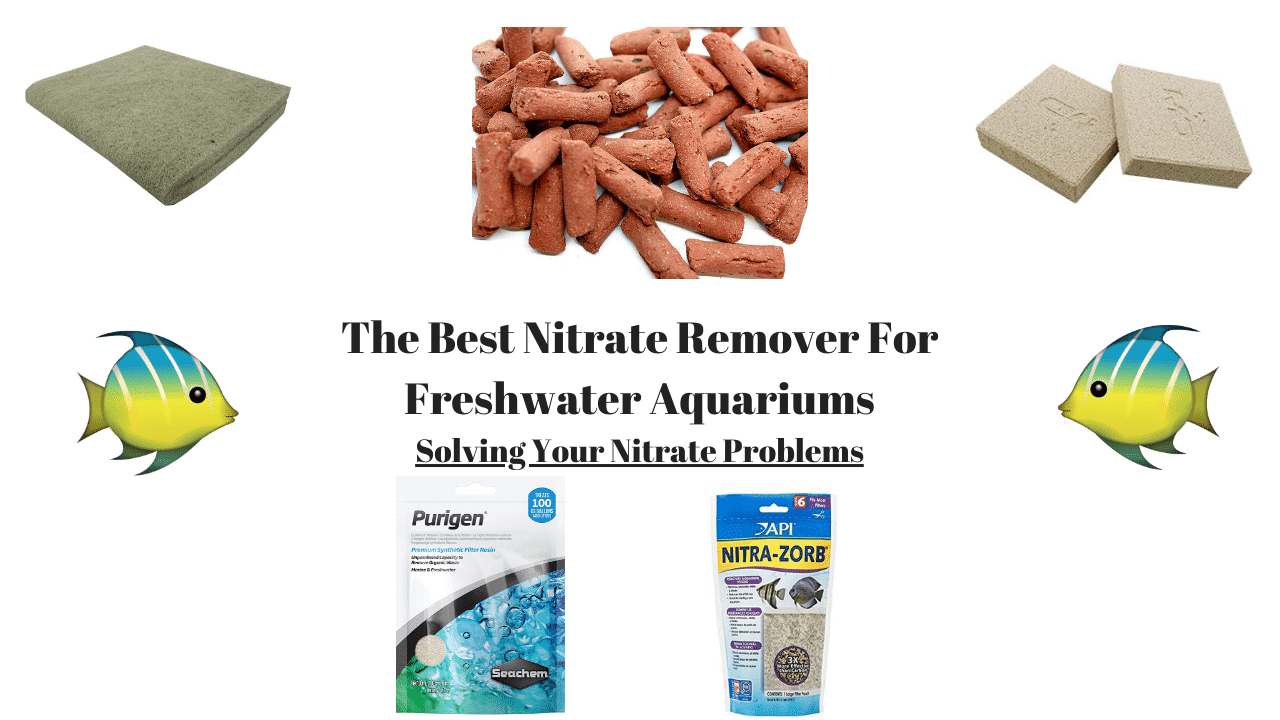
Products like Seachem Denitrate work short-term but become nitrate time bombs when exhausted. Resins must be replaced monthly—a $30/month habit that doesn’t fix root causes. Use only as a temporary bridge while implementing water changes.
Mistake #2: Overstocking “peaceful” community fish
Neon tetras seem harmless, but 20 neons in a 20-gallon tank produce the same waste as 4 goldfish. Calculate bioload using the “1 inch per gallon” rule only for slender fish—corydoras and guppies count, but angelfish need 10+ gallons each.
Mistake #3: Ignoring filter maintenance cycles
Rinsing sponge filters weekly destroys bacteria colonies. Instead, rotate media: clean 1/3 of filter media every 3 weeks in old tank water. Add ceramic rings to boost surface area by 40% without disturbing established bacteria.
Permanent Nitrate Control: Your 30-Day Action Plan
Week 1: Execute emergency 50% water change + deep substrate vacuum. Add 5 giant frogbit plants.
Week 2: Install DIY algae scrubber; reduce feedings by 25%. Test nitrates every 48 hours.
Week 3: Replace 50% of water with 50/50 RO/tap blend; prune 30% of plants.
Week 4: Establish weekly 30% water change/vacuum routine. Target: <20 ppm stable reading.
When nitrates stay below 20 ppm, you’ll see dramatic changes: fish display breeding colors, algae vanishes, and plants grow 2x faster. This isn’t maintenance—it’s tank transformation. Remember: zero nitrates aren’t the goal. Consistent levels under 20 ppm for freshwater (10 ppm for reefs) mean you’ve mastered the invisible chemistry that keeps aquatic life thriving. Start your water change now—your fish are counting on you.