How to Grow Spider Plant in Aquarium
You’ve admired those stunning aquarium setups where lush greenery cascades from above the waterline, and you’re ready to try growing a spider plant in your tank. But when you dangle those roots toward the water, uncertainty hits: How much should actually go underwater? Should you separate that tight clump of plants? Do you dare trim those healthy roots? You’re not alone—thousands of aquarists face these exact questions when bridging terrestrial plants with aquatic environments. Based on real user experiences from thriving setups, this guide cuts through the guesswork. We’ll tackle the three most critical decisions using actionable advice from hobbyists who’ve successfully grown spider plants over their aquariums. By the end, you’ll know exactly how to position roots, handle plant clusters, and maintain growth without harming your fish or plant.
Position Spider Plant Roots Fully in Water With Base Above Waterline
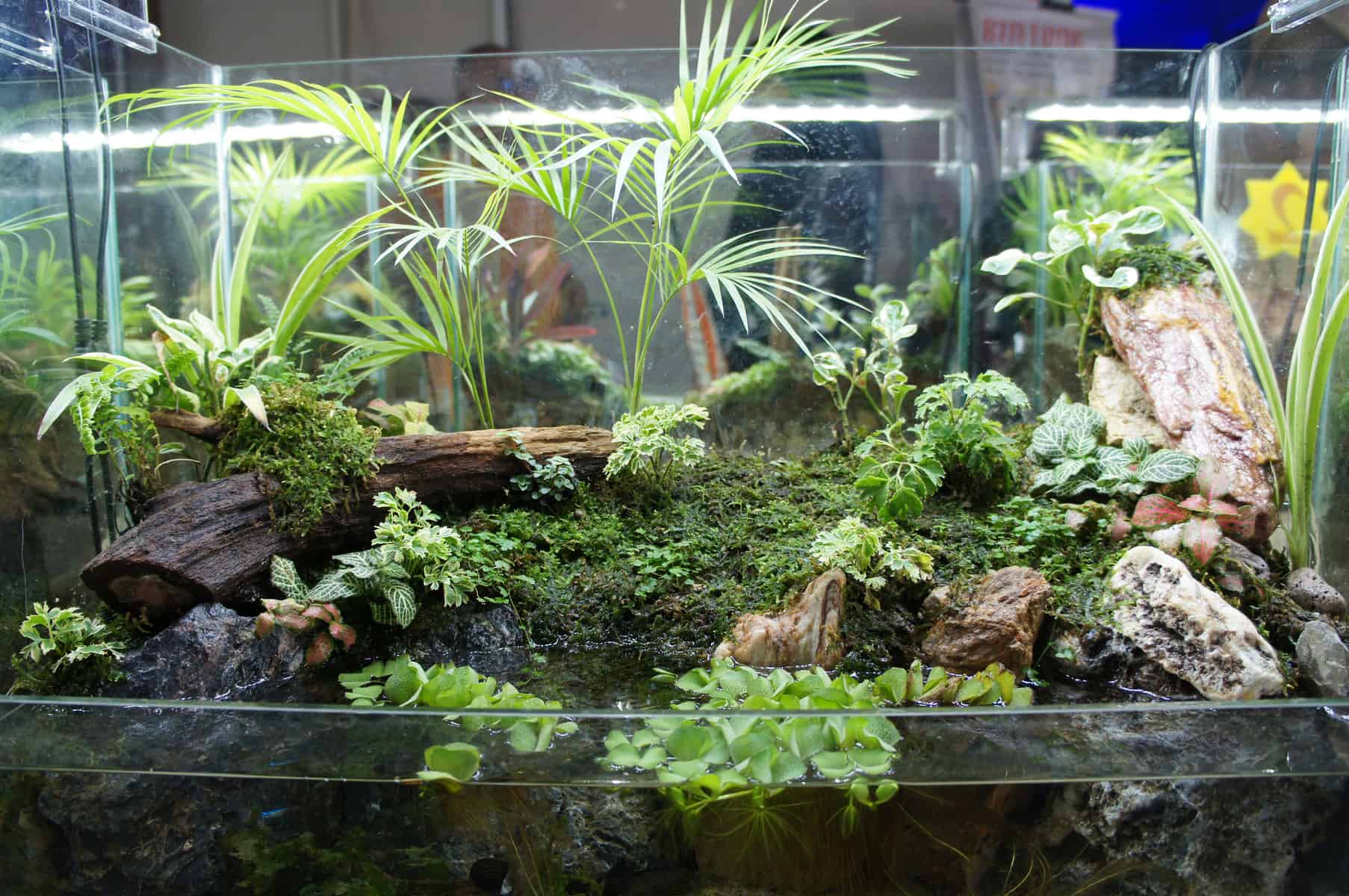
The most common setup mistake? Not submerging roots deeply enough. When you place your spider plant above the aquarium, submerge the entire root mass while keeping the plant’s base (where roots meet the stem) completely dry. Many beginners hesitate, fearing root rot, but forum data shows the opposite: plants with roots fully immersed thrive best. One aquarist with three spider plants in their tank reported “the one that is most submerged is doing best—the water line sits about an inch above where my roots start.” This positioning ensures roots access constant moisture and dissolved nutrients from the tank water while preventing the crown from sitting in water, which could cause stem rot.
How to Achieve Perfect Root Submersion Depth
- Identify the root-stem junction: Locate the “white strap” area where roots emerge from the base of the plant. This critical zone must stay dry.
- Lower roots until tips touch tank water: Gently lower the plant so roots dangle freely. Adjust until the waterline hits approximately 1 inch above the root-stem junction.
- Secure without constriction: Use a floating foam ring or mesh holder to suspend the plant. Avoid tight ties that restrict growth—spider plants expand rapidly.
Why Partial Submersion Fails
If only the root tips dip in water, the plant experiences drought stress between water changes. You’ll see stunted growth and brown leaf tips within weeks. Full submersion solves this by mimicking the plant’s natural preference for consistently moist (but not soggy) conditions. Crucially, never submerge the base—this invites fungal infections that kill the plant within days. The ideal setup resembles a hydroponic system: roots drink directly from the tank while leaves breathe air.
Keep Spider Plant Clumps Intact—No Separation Needed

That dense cluster of 3–4 spider plants growing from one root ball? Leave it together. Attempting to separate tightly connected plants risks severe root damage that hinders aquarium adaptation. Forum users consistently advise against division: “No need to trim or separate, let it do its thing,” as one experienced aquarist confirmed. Spider plants naturally form colonies, and their intertwined roots actually strengthen the group’s ability to absorb nutrients from tank water.
When Clump Separation Backfires
Forcing apart a tight root mass creates open wounds that invite pathogens. In an aquarium environment, these wounds become infection gateways since constant moisture prevents proper healing. You’ll notice yellowing leaves and slow growth within 10–14 days—a sign the plant is diverting energy to repair damage instead of thriving. If your clump has distinct growth points with visible root separation, you may divide it. But if roots are fused (common in nursery pots), maintain the cluster. The intact clump develops a more extensive root network faster, improving water filtration for your fish.
Pro Tip for Dense Clumps
Gently rinse soil from the roots under lukewarm water to assess connectivity before placing in the tank. If roots remain stubbornly matted, soak the base in dechlorinated water for 20 minutes to loosen debris. Never pull—this severs delicate root hairs essential for nutrient uptake.
Never Trim Healthy Spider Plant Roots for Aquarium Use
That lush root system on your potted spider plant? Keep every inch. Unlike underwater plants, spider plants rely on abundant roots to extract nutrients from tank water efficiently. Trimming healthy roots before aquarium placement is unnecessary and counterproductive. As one user bluntly stated: “Spider plants are basically indestructible. You can do what you want.” Their resilience means even damaged roots regenerate quickly, but why handicap a thriving plant?
Why Root Trimming Harms Growth
Cutting roots reduces the surface area available to absorb nitrates and trace elements from aquarium water. You’ll see delayed establishment (3–4 weeks vs. 10–14 days for untrimmed plants) and sparse new growth. Only remove roots that are:
– Mushy or black (indicating rot)
– Dry and brittle (dead tissue)
– Covered in white mold (fungal infection)
Use sterilized scissors for minimal cuts—never remove more than 20% of the root mass. Healthy white or tan roots should dangle freely into the water column. Within days, you’ll notice new root hairs forming—these microscopic strands are vital for nutrient absorption.
How Untrimmed Roots Benefit Your Tank
Longer roots create a natural biofilter. As they grow downward, they trap debris and provide surface area for beneficial bacteria. Observant aquarists report reduced algae growth in tanks with spider plants because roots outcompete algae for dissolved nutrients. One user noted their plant’s roots grew 6+ inches into the tank within a month, creating a “living curtain” that fish use for cover.
Why Spider Plants Excel in Aquarium Setups (Real User Proof)
The secret to spider plants’ aquarium success lies in their legendary hardiness. Unlike finicky aquatic species, they tolerate fluctuating water conditions, making them ideal for beginners. Forum data reveals three key advantages:
1. Zero sensitivity to tank cycles: They thrive in both cycled and uncycled tanks by absorbing excess nitrates.
2. Rapid adaptation: Roots establish in 10–14 days with no special lighting (standard aquarium LEDs suffice).
3. Self-cleaning mechanism: Dust on leaves washes off during water changes, preventing pest infestations.
One aquarist with three spider plants confirmed: “The more submerged one grows twice as fast—the waterline an inch above roots is perfect.” This setup leverages the plant’s natural resilience while enhancing tank health. Crucially, spider plants don’t leach toxins into water, making them 100% fish-safe.
Troubleshooting Common Spider Plant Aquarium Issues
Brown Leaf Tips Despite Proper Setup
This almost always indicates chlorine or fluoride in tap water. Always rinse roots with dechlorinated water before submersion. If tips brown after placement, replace 25% of tank water with filtered water. Never use distilled water—it lacks minerals the plant needs.
Slow Root Growth in New Setups
Patience is key. Roots may appear dormant for 7–10 days while adapting. Boost growth by:
– Adding liquid fertilizer during water changes (1/4 dose of aquarium-safe formula)
– Ensuring roots contact water 24/7 (top off evaporated water daily)
– Placing near a filter outflow for gentle water movement
Algae on Exposed Roots
This occurs if aquarium lights run >10 hours daily. Install a timer for 8-hour cycles. If algae forms, gently wipe roots with a soft toothbrush during water changes—never use chemicals near the tank.
Final Setup Checklist for Foolproof Results
- Root placement: Submerge all roots; keep base dry (waterline 1″ above root-stem junction)
- Clump handling: Never separate tightly connected plants
- Root trimming: Only remove diseased/dead roots—keep healthy ones intact
- Water prep: Always dechlorinate before adding to tank
- Lighting: Standard aquarium LEDs for 8 hours max
Spider plants transform aquariums into living ecosystems with minimal effort. Their indestructible nature means even first-time setups succeed—just position roots correctly and let the plant work its magic. Within weeks, you’ll see fuller foliage, cleaner water, and fish darting through the root curtains. Remember the golden rule from seasoned aquarists: “Get those roots in the water, don’t overthink it, and watch it thrive.” Ready for your next upgrade? Try propagating spiderettes directly in the tank—new plantlets root in just 5 days with submerged bases. Your self-sustaining aquatic garden starts today.