How to Get Rid of Midge Flies in Aquarium
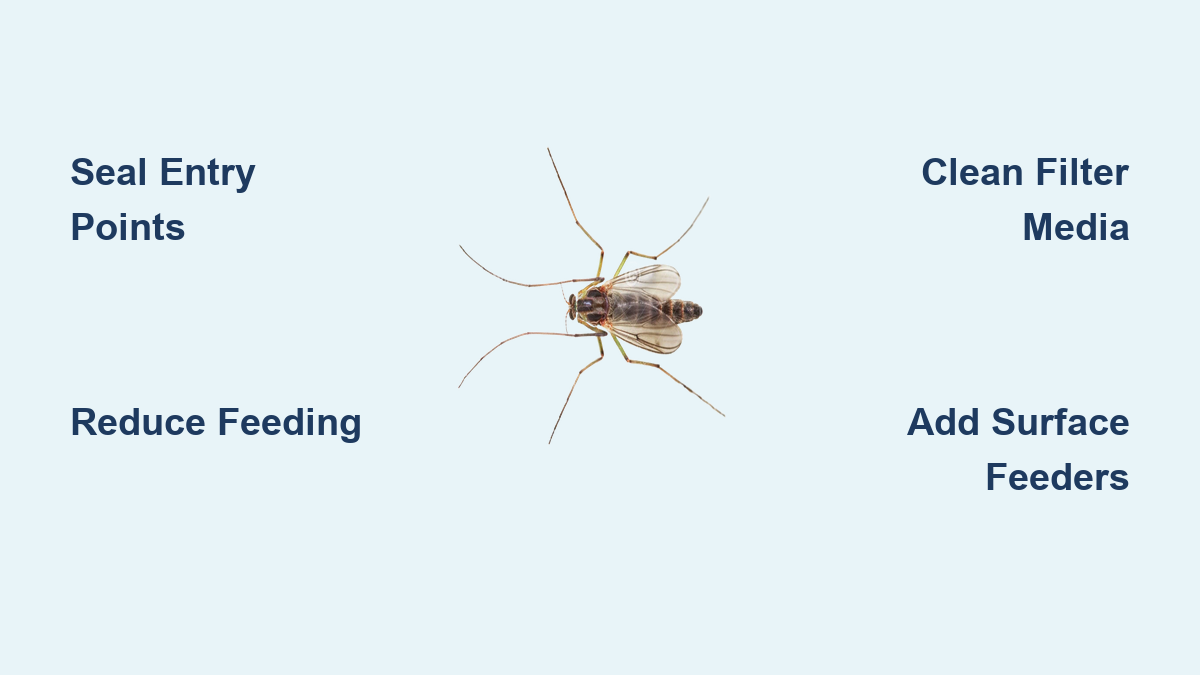
Watching tiny midge flies swarm above your aquarium transforms a peaceful aquatic escape into a frustrating eyesore. These persistent insects aren’t directly harmful to fish, but their presence signals an underlying infestation of bloodworm larvae—often hiding in your filter or substrate. Left unchecked, they multiply rapidly, turning your tank into a breeding ground. The good news? You can eliminate midge flies in your aquarium through targeted, fish-safe methods that address their lifecycle at every stage. By sealing entry points, adjusting maintenance routines, and strategically modifying your tank ecosystem, you’ll reclaim your underwater sanctuary without endangering your aquatic residents.
Block Every Midge Entry Point with Precision Sealing
Adult midge flies exploit microscopic gaps to access your tank water for egg-laying. A single unsealed opening as small as 1/16 inch allows continuous infestation, rendering other efforts useless. Your immediate priority is creating an airtight barrier around all potential access points while maintaining essential tank functions.
Seal Lid and Tank Gaps with Wide Black Tape
Start by inspecting the perimeter where your aquarium hood meets the glass rim. Use 2-inch-wide black vinyl or electrical tape to cover every seam—this width ensures full coverage without unsightly overlaps. Press the tape firmly against both surfaces, smoothing out air bubbles for maximum adhesion. The black color camouflages against standard tank trim, making it nearly invisible once applied. Pay special attention to corners where the hood lifts for feeding; seal these areas completely and only temporarily peel back during maintenance.
Secure Filter and Equipment Openings with Mesh Barriers
Filter intakes and cord ports are prime invasion routes. Wrap foam weather-stripping around filter hoses where they penetrate the hood, then reinforce with additional tape. For larger gaps behind equipment, cut fine mosquito mesh (available at hardware stores) to size and secure it over openings with strong tape. Crucially, never block light fixture vents—instead, stretch mesh tightly over these areas to maintain airflow while blocking flies. One aquarist successfully eliminated recurring infestations by covering their entire Aquaclear 200 filter intake with torn carbon-filter floss secured by tape, allowing water flow while blocking adult flies.
Starve Midge Larvae Through Strategic Feeding Reduction
:strip_icc()/how-much-and-how-often-should-you-feed-aquarium-fish-1380923-FINAL-5bed830946e0fb0026f2a7f1-1ac0073c3fba4aee8e88637675dcae13.jpg)
Excess food and waste create the nutrient-dense environment midge larvae thrive in. Overfeeding is the most common trigger for infestations, as unconsumed pellets decompose into organic sludge that nourishes bloodworm colonies. You’ll need to temporarily adjust feeding habits to starve existing larvae while keeping fish healthy.
Cut Feedings to Every Other Day During Infestation
Reduce daily feedings to every 48 hours, offering only what fish consume within 90 seconds. Bottom-dwelling species like corydoras or loaches may appear hungry initially, but this short-term restriction is critical for breaking the midge lifecycle. Monitor fish behavior closely—you should see reduced activity near the substrate as larvae populations decline. Continue this regimen for 3-4 weeks until no new flies emerge, then gradually return to normal feeding while maintaining strict portion control.
Perform Aggressive Water Changes to Remove Nutrient Buildup
Execute 30% water changes every 2-4 days using dechlorinated water matched to tank temperature. During changes, focus on siphoning surface debris where eggs accumulate, but avoid disturbing deep substrate layers that could release trapped larvae. One planted tank owner with chronic infestations resolved their problem only after implementing this rigorous schedule alongside feeding reductions, proving that nutrient control is non-negotiable.
Eradicate Bloodworm Colonies in Your Filter System

Your filter is the epicenter of midge infestations—its dark, oxygen-rich environment with trapped organic matter is ideal for bloodworm development. Foam blocks and ammonia cartridges become larval nurseries, clogging flow and reducing filtration efficiency. Complete filter sanitation requires specific techniques that preserve beneficial bacteria while eliminating pests.
Deep-Clean Filter Media Without Killing Beneficial Bacteria
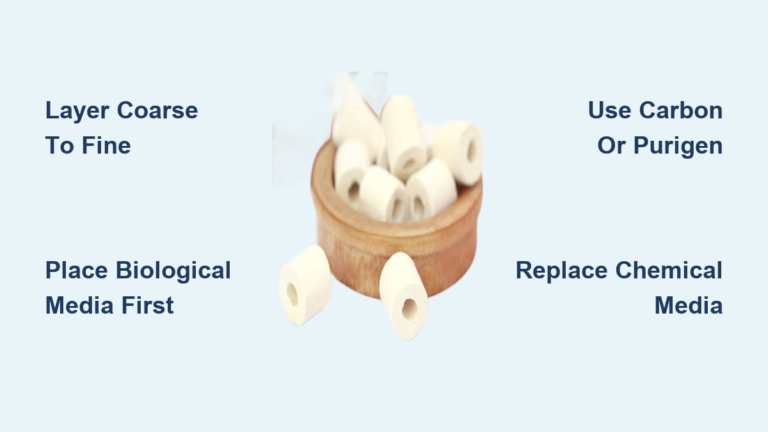
During weekly maintenance, remove mechanical media (foam/sponges) and inspect for red, wriggling bloodworms. Rinse infested media in a bucket of old tank water—never tap water—to avoid chlorine exposure that destroys nitrifying bacteria. For severe cases like the 55-gallon planted tank described in our case study, replace foam blocks entirely while retaining biological media (ceramic rings) in established tanks. Always reinstall media within 20 minutes to prevent bacterial die-off.
Create Physical Barriers at Filter Intakes
Prevent reinfestation by adding a secondary barrier at intake points. Cut sections from carbon filter bags or fine mesh netting and tape them securely over intake grates. This blocks adult flies from entering the filter housing while allowing full water flow. An aquarist battling months of infestations achieved immediate results by taping torn filter floss to their Aquaclear intake—a simple fix that stopped new larvae from developing inside the unit.
Deploy Top-Feeding Fish as Natural Fly Control
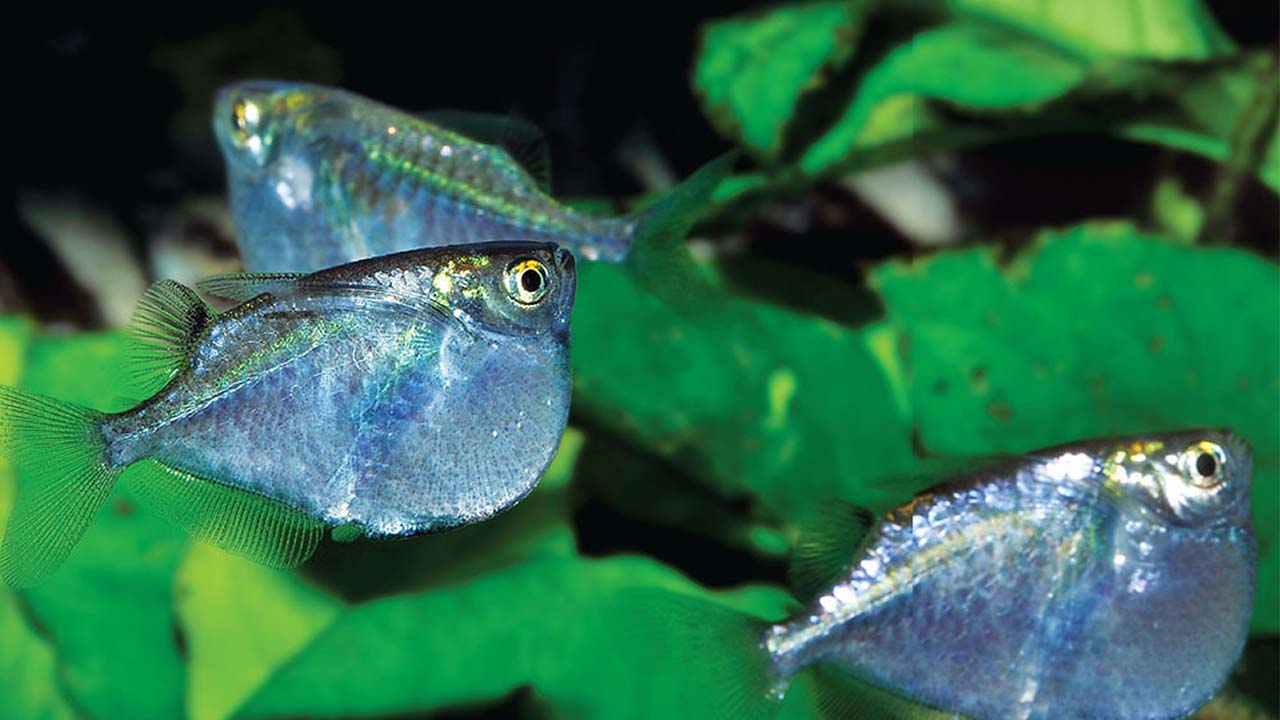
Bottom-dwelling fish ignore surface activity where midges lay eggs, allowing infestations to persist unchecked. Introducing surface-feeding species creates a biological defense system that consumes adult flies and floating eggs before they hatch. This method provides ongoing protection with zero chemical intervention.
Choose Peaceful Surface Feeders Compatible with Your Tank
Select species that match your tank’s temperament and size:
– Hatchetfish: Ideal for community tanks, these agile jumpers snatch flies mid-air
– Dwarf Gouramis: Gentle surface feeders that consume eggs without disturbing plants
– Paradise Fish: More active option for larger tanks with robust fish populations
Add 2-3 fish per 20 gallons, introducing them after sealing the tank to maximize their impact on emerging flies. Within days, you’ll notice fewer adults hovering near the water surface as these natural predators establish hunting patterns.
Maintain Relentless Consistency Until Infestation Ends
Midge flies complete their lifecycle in 10-14 days under ideal conditions, meaning sporadic efforts guarantee recurrence. Success requires unwavering commitment to all control methods simultaneously for at least 30 days—the timeframe needed to break multiple reproductive cycles.
Track Progress with a Daily Observation Log
Document these key indicators each morning:
– Number of adult flies hovering near lights
– Presence of wriggling larvae during filter inspections
– Fish feeding behavior and waste accumulation
– Water clarity changes
When fly sightings drop to zero for 7 consecutive days, gradually relax feeding restrictions but maintain weekly filter inspections. One aquarist confirmed complete eradication after 22 days of strict protocol adherence, with no recurrence in 6 months of consistent maintenance.
Prevent Future Outbreaks with Permanent Tank Modifications
Convert temporary fixes into permanent defenses:
– Replace standard hoods with rimmed lids that click securely into place
– Install fine mesh covers over all equipment ports during initial setup
– Keep a spare foam block on hand for immediate replacement during inspections
– Maintain a 10% feeding buffer (e.g., if fish eat 5 pellets daily, offer 4.5)
The battle against midge flies in your aquarium demands precision, not power. By systematically sealing entry points, starving larvae through nutrient control, sanitizing filter hotspots, and enlisting natural predators, you transform your tank from an infestation zone into a fly-free ecosystem. Remember: consistency trumps intensity—daily 90-second feeding checks and weekly filter inspections prevent 90% of outbreaks. Within weeks, you’ll enjoy crystal-clear water without buzzing intruders, proving that the most effective solutions work with your tank’s natural balance rather than against it. Your fish (and your peace of mind) will thank you.