How to Clear Up a Cloudy Aquarium – Quick Fix Guide
Your aquarium should showcase vibrant fish darting through crystal-clear water—not a murky mystery that obscures your view. When cloudy water suddenly transforms your underwater paradise into a foggy nightmare, it’s a distress signal from your tank’s ecosystem. This frustrating issue affects 9 out of 10 aquarium owners at some point, whether you’re setting up your first tank or maintaining a decade-old display. The good news? How to clear up a cloudy aquarium hinges on correctly identifying the type of cloudiness and its root cause. In this guide, you’ll learn to diagnose white bacterial blooms, green algae explosions, and sediment hazes in under 5 minutes—and implement targeted fixes that restore clarity within hours or days. Stop guessing and start solving: these actionable steps work for freshwater tanks of all sizes.
Identify Your Cloud Type: White, Green, or Dusty Haze in 60 Seconds
Don’t waste time treating symptoms—pinpoint the exact cause before taking action. Grab your water test kit and inspect the cloud’s color and timing to avoid costly mistakes.
Why Milky White Clouds Mean Different Emergencies for New vs. Established Tanks
A milky white or gray haze could signal two completely different crises. In tanks under 6 weeks old, this is a normal bacterial bloom as beneficial bacteria multiply to consume fish waste. But if your established tank (over 2 months old) suddenly turns cloudy, it’s a red alert: a dead fish, massive overfeeding, or filter crash has triggered a toxic organic overload. Test ammonia and nitrite immediately—levels above 0 ppm in an established tank require emergency intervention, while new tanks need patience, not panic.
Green Pea-Soup Water? Your Light and Nutrient Balance Is Broken
If your tank resembles liquid spinach, you’re battling free-floating algae. This green cloud forms when excess nutrients (from overfeeding or decaying matter) combine with too much light—like leaving lights on for 12+ hours or placing the tank in direct sunlight. Unlike bacterial blooms, green water actively competes with fish for oxygen at night, risking suffocation. Check for uneaten food pellets on the substrate and verify your lighting schedule before proceeding.
Stop New Tank Bacterial Blooms Without Water Changes
Rushing to fix milky water in a new aquarium often backfires. Your fragile ecosystem needs strategic restraint, not aggressive cleaning.
Why Patience Is Your Only Weapon (And How to Monitor Safely)
In tanks under 4 weeks old, bacterial blooms are unavoidable—they’re proof your nitrogen cycle is starting. Adding water clarifiers or performing large water changes introduces fresh nutrients that feed the bloom, prolonging cloudiness for weeks. Instead, test ammonia and nitrite every 48 hours. If levels stay at 0 ppm, do nothing—the cloud will clear in 7–14 days as bacteria colonize your filter media. Only perform 10% water changes if ammonia exceeds 0.5 ppm, using dechlorinated water at matching temperature.
Critical Mistake: Cleaning Your Filter During Cycling
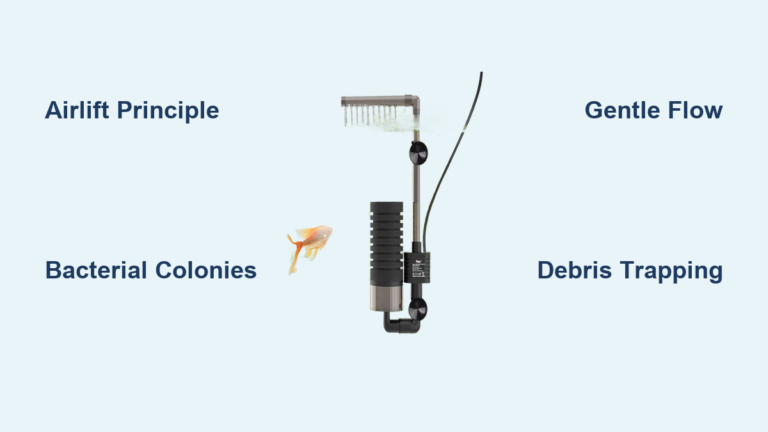
Never rinse filter media in tap water while battling a new tank bloom. Chlorine destroys the nascent bacteria colonies working to clear the water. If your filter clogs, gently swish media in a bucket of old tank water removed during a water change. Replace mechanical filter pads (like sponges) weekly, but leave biological media (ceramic rings) undisturbed for 8 weeks minimum.
Fix Green Aquarium Water in 3 Days with the Blackout Method
Green cloudiness demands immediate light elimination—chemical treatments rarely work and risk fish health.
Step-by-Step Blackout Protocol for Guaranteed Results
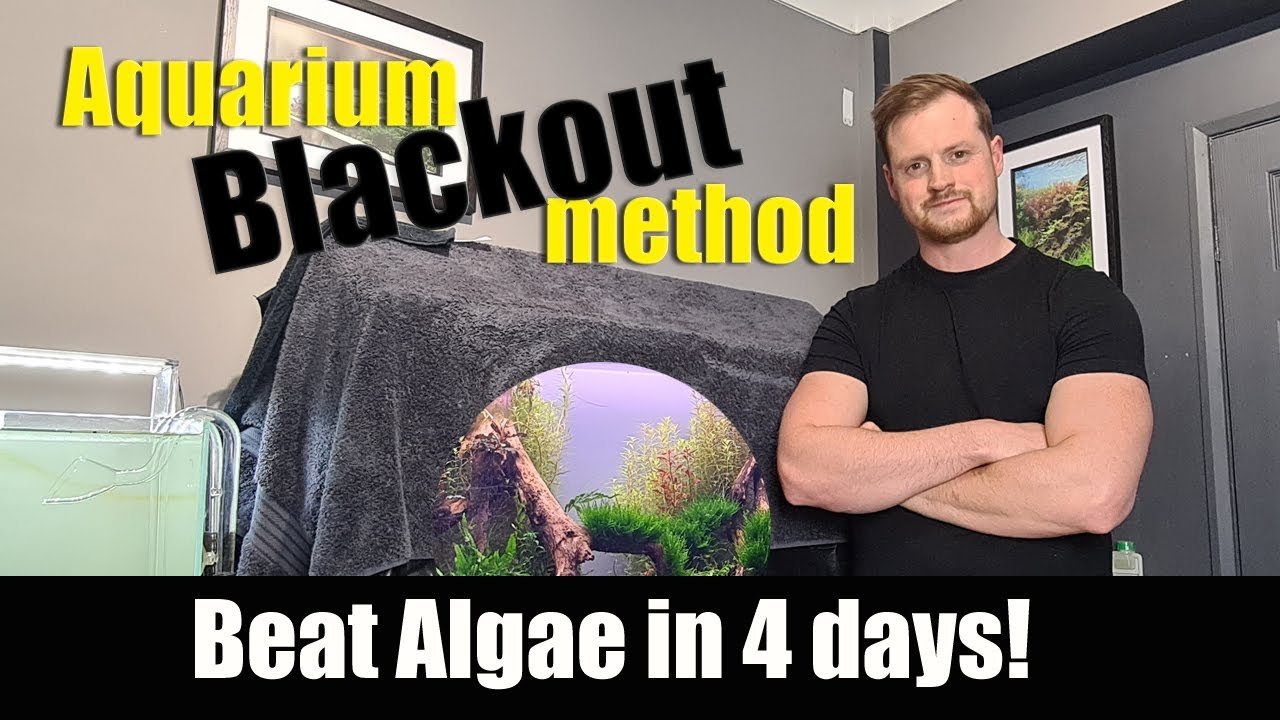
1. Cover completely: Wrap the tank in opaque blankets or black trash bags, blocking all light—including room LEDs and sunlight.
2. Stop feeding: Fish can survive 3 days without food; algae cannot survive without light.
3. Wait 72 hours: Check progress at 48 hours—most tanks clear by day 3.
4. Water change: Perform 20% water change before unwrapping and another 24 hours after.
Pro Tip: Run your filter continuously during blackout—stagnant water lets dead algae settle on fish gills.
Long-Term Prevention: Break the Light-Nutrient Cycle
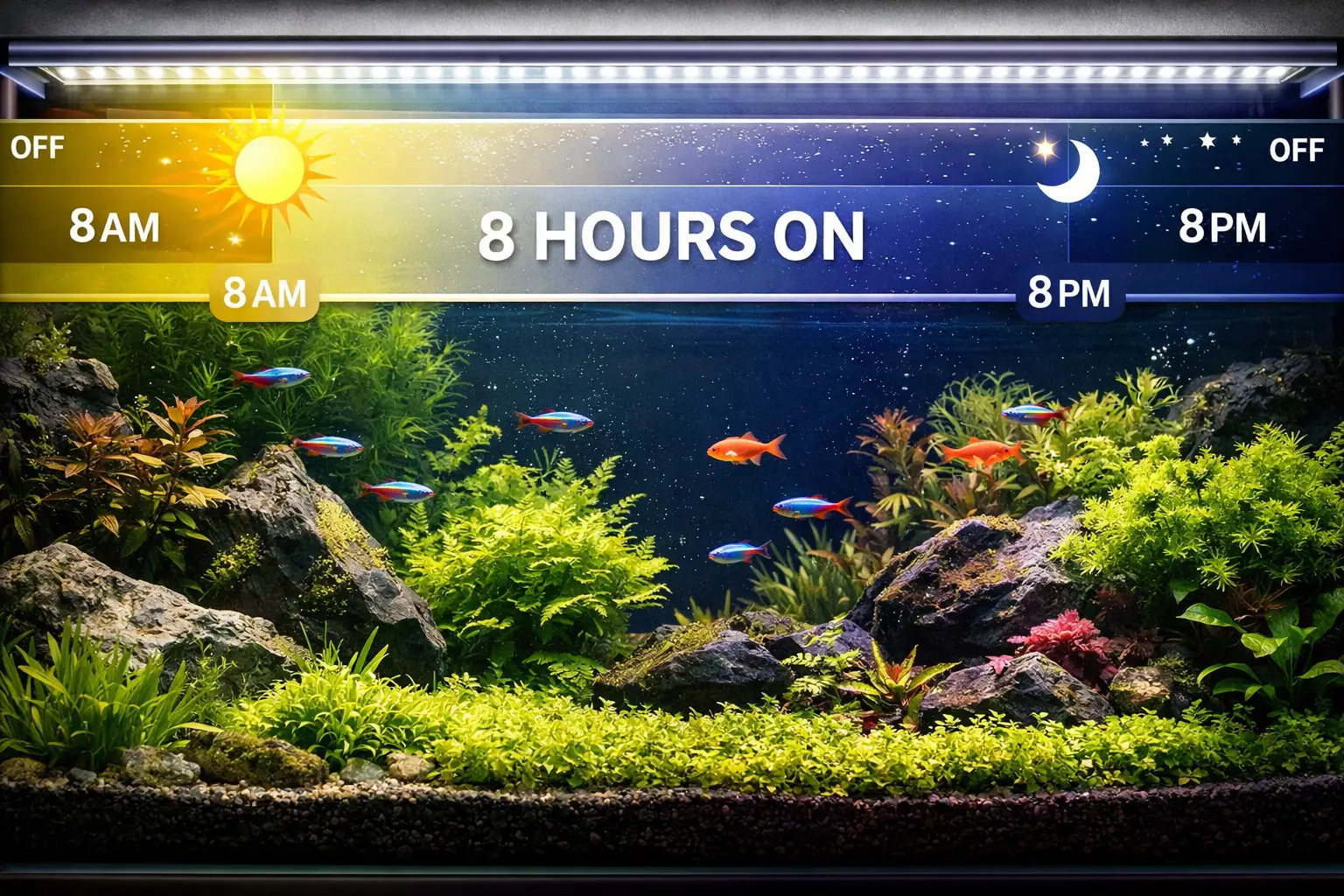
After clearing the bloom, prevent recurrence by:
– Limiting light to 6 hours daily with a timer
– Vacuuming substrate weekly to remove decaying matter
– Adding fast-growing plants like hornwort to absorb excess nitrates
– Installing a UV sterilizer ($30–$50) for chronic cases—water passes through UV-C light that kills algae cells.
Clear Substrate Dust After Water Changes in Under 24 Hours
That grayish haze swirling after adding new sand? It’s harmless sediment—but you can eliminate it faster with smart filtration.
Instant Fix: Boost Mechanical Filtration Without Disrupting Bacteria
During your next water change, add a thin layer of filter floss (like Seachem Matrix) between your mechanical and biological media. This catches fine particles within hours while preserving beneficial bacteria. Never vacuum the substrate aggressively—gentle swirls with the gravel tube disturb less dust. For persistent clouds, place a folded paper towel over the filter outflow to trap particles (replace every 4 hours).
Why Rinsing New Substrate Saves Hours of Cleanup
Unwashed sand releases dust for days. Before adding substrate:
1. Fill a bucket with substrate and water
2. Swirl vigorously until water runs clear (5–10 rinses)
3. Drain through a fine mesh strainer
Warning: Skipping this step can cloud water for 72+ hours, stressing fish.
Handle Sudden Milky Water in Established Tanks: Emergency Steps
A once-clear tank turning milky overnight means biological disaster—act within hours to save your fish.
Immediate 4-Step Crisis Response

1. Test water: If ammonia/nitrite >0 ppm, perform 50% water change now using pre-conditioned water.
2. Find the corpse: Remove dead fish/invertebrates with a net—decay causes 80% of sudden blooms.
3. Vacuum deep: Clean substrate thoroughly to extract decaying food or waste.
4. Filter rescue: Rinse clogged media in old tank water—never tap water—to preserve bacteria.
Why Overfeeding Triggers 70% of Established Tank Blooms
That extra pinch of food “just in case” creates a nutrient tsunami. Feed only what fish eat in 2 minutes, once daily. Use a timer to prevent accidental overfeeding—excess food decays into ammonia within hours.
Fix White Haze from Hard Water After Water Changes
A chalky white cloud post-water change? Blame mineral precipitation—not bacteria—especially in hard water areas.
Quick Clearing Without Chemicals
This harmless calcium carbonate haze clears naturally in 12–24 hours as minerals redissolve. Speed it up by:
– Matching new water temperature within 1°F of tank water (use a thermometer)
– Letting tap water sit 24 hours before changes to degas CO₂
– Adding water conditioner like Seachem Prime that binds heavy metals
Avoid “water clarifiers”—they clump particles that can clog fish gills.
Why Water Clarifiers Often Make Cloudiness Worse
Chemical treatments seem tempting but sabotage long-term clarity—here’s why to avoid them.
The Hidden Danger: Particle Clumping and Gill Clogging
Clarifiers like API Accu-Clear bind suspended particles into larger clumps. While this looks effective initially, these clumps:
– Clog filter media, reducing oxygen flow
– Settle on fish gills, causing respiratory distress
– Release nutrients back into water when disturbed
Exception: Only use during sediment clouds (not bacterial/algae blooms) and vacuum clumps immediately.
When to Break the Rule: Sediment-Only Emergencies
If substrate dust clouds your tank before a major event (like a fish show), add clarifier only after:
1. Removing all fish to a holding tank
2. Vacuuming visible debris
3. Running filter with extra floss for 1 hour post-treatment
Return fish only after water tests clear for ammonia.
Prevent Cloudy Water Forever: 4 Daily Habits That Work
Crystal-clear water isn’t luck—it’s consistent habits that stop cloudiness before it starts.
The 2-Minute Daily Routine That Eliminates 90% of Issues
- Feed strategically: Offer food in 30-second bursts—stop when fish lose interest.
- Spot-check substrate: Use a flashlight to spot uneaten food; remove with siphon.
- Wipe viewing panels: Algae spores stick to dirty glass, accelerating blooms.
- Verify light timer: Ensure automatic shutoff at 8 hours max.
Monthly Maintenance Checklist for Flawless Clarity
- Week 1: 25% water change with gravel vacuum
- Week 2: Rinse filter media in old tank water
- Week 3: Test ammonia/nitrite/nitrate
- Week 4: Clean algae from decor with toothbrush
Final Note: Cloudy aquarium water always signals an imbalance—but now you know exactly how to diagnose and fix it. Remember: bacterial blooms in new tanks resolve with patience, while sudden cloudiness in established tanks demands emergency action. By implementing these targeted fixes and prevention habits, you’ll transform murky water into a pristine underwater showcase within days. For persistent green water, invest in a UV sterilizer—it pays for itself in saved time and healthier fish. Your journey to crystal-clear aquarium water starts with the next water change.