How to Clean Aquarium Decorations: Easy Steps
Your aquarium decorations should enhance your underwater ecosystem, not sabotage it. If you’ve ever scrubbed an ornament with household cleaners only to watch your fish gasp at the surface, you know the stakes. Improper cleaning methods introduce toxins that kill beneficial bacteria and poison your aquatic pets—sometimes within hours. This isn’t just about aesthetics; dirty decorations accelerate algae blooms, cloud water, and create breeding grounds for harmful bacteria. In this guide, you’ll discover scientifically backed techniques to clean aquarium decorations safely, whether you’re battling green spot algae on ceramic castles or sterilizing used lava rock after an Ich outbreak. Most importantly, you’ll learn why your current method might be silently endangering your tank.
Many hobbyists unknowingly repeat critical mistakes: using soap residues that leach for weeks, boiling porous rocks that explode, or rinsing with tap water that nukes your nitrogen cycle. The solution lies in understanding your decoration’s material composition and matching cleaning methods to its specific vulnerabilities. By the end of this guide, you’ll confidently deep-clean any ornament while preserving your tank’s biological balance. Let’s transform your maintenance routine from a risky chore into a precise science that keeps your fish thriving.
Essential Safety Steps Before Cleaning Your Aquarium Decorations
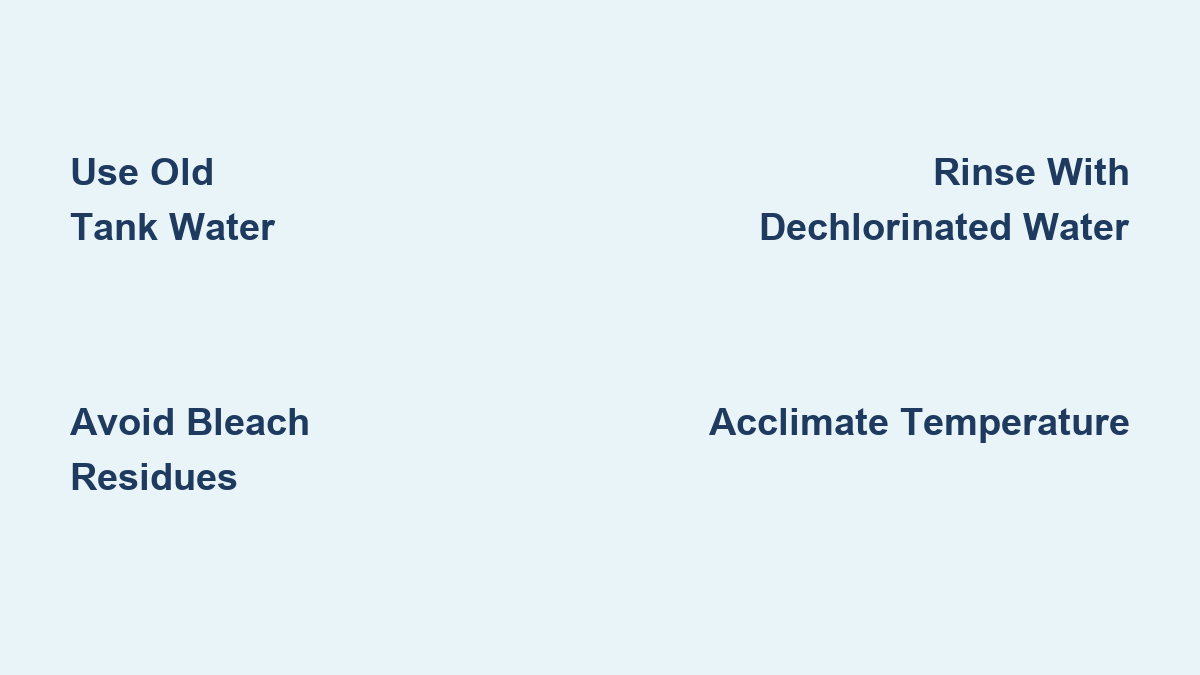
Skipping preparation turns simple cleaning into a tank emergency. Always unplug heaters and filters first—submerged electrical equipment combined with wet hands causes fatal shocks. Never assume your bucket is “clean enough”; dedicated aquarium-only containers prevent invisible chemical residues from shampoos or detergents. Before touching any decoration, fill a separate bucket with 2-3 gallons of water during your regular water change. This “old tank water” maintains bacterial colonies and prevents pH crashes when scrubbing.
Critical Temperature Protocol: Remove decorations slowly to avoid startling fish. If an ornament feels cold, let it acclimate in the old tank water bucket for 10 minutes. Sudden temperature shifts crack glass items or shock porous rocks, releasing trapped debris into your water. Always wear clean gloves—oils from your skin introduce contaminants that trigger algae blooms. Keep a water conditioner like Seachem Prime within arm’s reach; you’ll need it later to neutralize chemical residues.
Cleaning Ceramic, Glass, and Resin Ornaments Without Scratches
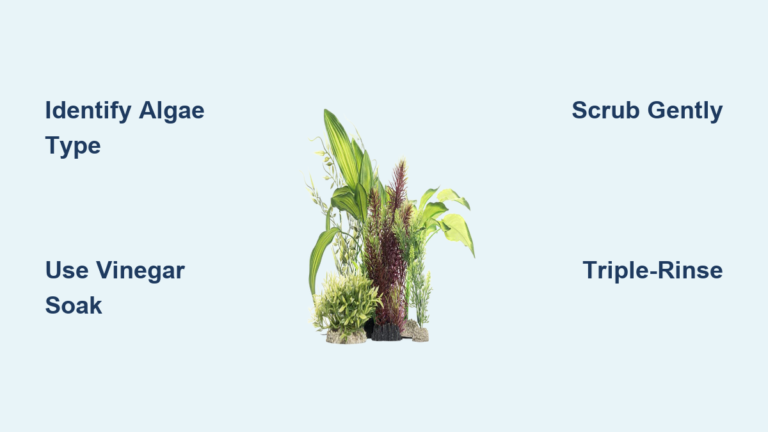
Hard, non-porous decorations like ceramic castles or glass bubbles demand gentle yet effective techniques. For daily algae maintenance, use an old toothbrush with soft bristles exclusively for aquarium use. Scrub in your bucket of old tank water—never tap water—to preserve biofilm colonies. Focus on textured areas where green algae cling, using circular motions to lift deposits without scratching surfaces. Avoid abrasive pads; even “non-scratch” kitchen sponges create micro-scratches that accelerate future algae growth.
Removing Stubborn Hard Water Deposits in 20 Minutes
White crusty buildup on ceramic ornaments signals calcium carbonate accumulation. Mix equal parts white vinegar and water in a container large enough to submerge the item. Soak for exactly 15-20 minutes—any longer risks etching painted details. After soaking, scrub with a soft brush until deposits dissolve. Critical rinse step: Rinse three times in dechlorinated water treated with water conditioner. Test for residue by swirling the ornament in a glass of dechlorinated water; if bubbles form, repeat rinsing. Return only when water remains bubble-free.
Deep Cleaning Porous Rocks: Lava Rock and Dragon Stone Safety

Porous decorations like lava rock or Dragon Stone trap detritus in microscopic holes, making them breeding grounds for harmful bacteria. Never use vinegar or bleach on these materials during routine cleaning—they absorb chemicals like sponges. For weekly maintenance, use a turkey baster to blast debris from crevices with old tank water. For stubborn waste, gently agitate rocks in a colander under dechlorinated running water. Avoid high-pressure hoses—they can fracture delicate structures.
Sterilizing Lava Rock After Disease Outbreaks
When fighting Ich or fungal infections, sterilize porous rocks with a 10% bleach solution (1 part bleach to 9 parts water). Submerge for 15 minutes max—prolonged exposure weakens rock integrity. Non-negotiable neutralization: After bleaching, soak rocks for 30 minutes in dechlorinated water with 4x the normal dose of water conditioner. Rinse under running dechlorinated water for 5 full minutes while scrubbing with a soft brush. Air-dry completely before reintroduction; residual moisture harbors pathogens.
Removing Algae from Driftwood Without Damaging Tannins

Driftwood requires special handling due to its natural tannin release. Never boil or bleach it—this destroys wood fibers and causes excessive tannin leaching that turns water tea-colored. For algae-covered driftwood, gently scrub with a soft toothbrush in old tank water during water changes. Target only visible algae patches; aggressive cleaning removes protective biofilm. If brown film persists, submerge wood in a separate container of dechlorinated water for 24 hours, changing water twice daily until clear.
Emergency Black Beard Algae Removal
For severe black beard algae (BBA) on driftwood, prepare a 3% hydrogen peroxide solution. Dip a cotton swab in the solution and dab only on affected areas—never pour directly. Wait 5 minutes, then scrub with a soft brush. Immediately rinse under dechlorinated water for 2 minutes. Warning: Hydrogen peroxide kills beneficial bacteria; never use this method on submerged wood in an active tank. Always quarantine treated wood for 48 hours before reintroduction.
Step-by-Step: Scrubbing Algae Off Decorations in Under 10 Minutes
This rapid-cleaning method preserves your tank’s ecosystem while removing 95% of visible algae. Turn off all equipment and prepare your old tank water bucket. Remove one decoration at a time—never clean all simultaneously. Submerge the item and use a soft algae pad to wipe surfaces with light pressure. For intricate details, wrap a cotton swab around the toothbrush tip. Focus on high-flow areas where algae anchor strongest.
Troubleshooting Stubborn Green Spot Algae
If algae resist scrubbing, create a paste of baking soda and old tank water. Apply with a toothbrush and let sit for 2 minutes. The mild abrasion lifts calcium-based deposits without harming surfaces. Rinse thoroughly in dechlorinated water—baking soda alters pH if residues remain. For persistent cases, repeat the vinegar soak method described earlier, but never combine with baking soda (creates dangerous gas).
Deep Cleaning Gravel: When You Must Remove Your Fish
Gravel cleaning requires fish removal for deep sanitization—it’s unavoidable. Scoop substrate into a fine-mesh colander and rinse under dechlorinated running water. Agitate vigorously until water runs clear (5-10 minutes). Never use bleach or boil gravel—this destroys mineral balance and beneficial bacteria colonies. For tanks with sensitive species like bettas, replace only 20% of gravel per session to maintain biological stability.
Safe Vacuuming During Water Changes
For routine maintenance, use a gravel vacuum on low suction. Insert tube 1 inch into substrate while moving slowly—high suction removes essential bacteria. Vacuum only 25% of the tank floor per session. Stop immediately if you see worms or shrimp being pulled in; they’re part of your cleanup crew. Ideal vacuuming time: 5 minutes weekly per 10 gallons of water.
5 Deadly Mistakes That Kill Fish During Decoration Cleaning
Mistake #1: Using “Just a Drop” of Dish Soap
Even trace soap residues destroy fish gill membranes. One drop in a 20-gallon tank causes suffocation within 48 hours. Always verify your brush has never contacted cleaning products.
Mistake #2: Rinsing with Untreated Tap Water
Chlorine in tap water nukes beneficial bacteria on porous decorations. Always use dechlorinated water for final rinses—conditioner must be added before rinsing.
Mistake #3: Cleaning Filter Media with Decorations
Scrubbing filter sponges in the same bucket as decorations transfers harmful bacteria. Clean filters separately in old tank water only.
Mistake #4: Skipping the Bleach Neutralization Step
Inadequate rinsing leaves chlorine that burns fish eyes and fins. After bleach soaks, soak items in conditioned water for 30 minutes minimum.
Mistake #5: Returning Cold Decorations
A 10°F temperature difference shocks fish hearts. Always acclimate cleaned items in tank water for 15 minutes before return.
Post-Cleaning Checklist: Avoiding Temperature Shock and Chemical Residues
Before returning any decoration, verify these critical steps: First, hold the item under your wrist—if it feels colder than your skin, wait 5 more minutes. Second, smell it intensely; any vinegar or bleach odor means insufficient rinsing. Third, test water from your final rinse with a chlorine test strip—readings must show 0 ppm. Finally, monitor ammonia levels for 24 hours post-cleaning; spikes indicate bacterial die-off requiring immediate water changes.
Pro Tip: Place cleaned decorations near tank heaters for 10 minutes to match water temperature. Never reintroduce items that feel cool to the touch—thermal shock causes 30% of post-cleaning fish deaths. For porous items, add a bacteria supplement like Tetra SafeStart to replenish lost colonies.
A pristine aquarium isn’t achieved through occasional deep cleans but through intelligent, consistent maintenance. By following these material-specific protocols, you transform decoration cleaning from a hazardous chore into a precise science that protects your nitrogen cycle. Remember: the safest method always prioritizes bacterial preservation over spotless aesthetics. Implement one new technique this week—like using old tank water for scrubbing—and you’ll notice clearer water within days. For ongoing success, pair this routine with weekly 25% water changes and avoid overcrowding, your most powerful algae prevention tools. Your fish don’t just live in this ecosystem; they thrive because of it.