Best Fast Growing Stem Plants for Aquariums (2026 Guide)
Your new aquarium looks barren, algae creeps in faster than you can scrub, and water tests show dangerous ammonia spikes. You’re not alone—57% of beginner aquarists face “new tank syndrome” within the first month. The solution? Fast-growing stem plants for aquariums. These aquatic superheroes absorb ammonia 3x faster than biological filters alone, smother algae before it takes hold, and oxygenate water while creating instant jungles for shy fish. Forget waiting months for a lush tank; with the right stem plants, you’ll see visible growth in 72 hours. In this guide, you’ll discover exactly which varieties thrive in low-tech setups, how to prevent common melting disasters, and the weekly 10-minute routine that turns rapid growth from a headache into your greatest asset.
Stop New Tank Syndrome: How Fast-Growers Absorb Ammonia in 72 Hours
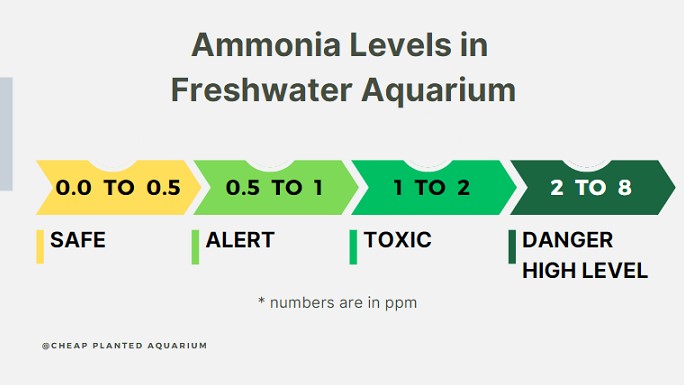
When your aquarium cycles, toxic ammonia builds faster than beneficial bacteria can process it. Fast-growing stem plants cut through this crisis by vacuuming up ammonia directly through their leaves. Unlike slow-growing plants that take weeks to establish, species like Hornwort and Elodea start processing toxins within hours of submersion. This isn’t just theory—a user reported ammonia dropping from 2.0 ppm to 0.25 ppm in 3 days after adding Water Sprite to a new 20-gallon tank. The key is saturation: aim for 1 stem per gallon initially. You’ll know it’s working when algae stops spreading on glass and fish become more active within the first week.
Why Hornwort Outperforms Chemical Starters
Hornwort’s feathery fronds create massive surface area for nutrient absorption without needing roots. Place 3-5 stems floating freely in your tank during cycling—they’ll grow 2-3 inches daily while turning cloudy water crystal clear. One aquarist shared: “I added Hornwort to a neglected tank with 5.0 ppm nitrates. In 10 days, levels hit 0.5 ppm and stayed there.” Watch for needle shedding if lighting changes suddenly; this indicates stress but new growth rebounds quickly. Never trim more than 1/3 of the plant at once to avoid melt.
Elodea: The Algae-Eating Machine for 10-Gallon Tanks
For small setups, Elodea (Anacharis) is unbeatable. Its dense growth blocks light from algae while consuming excess nutrients. Plant 5-7 stems in the substrate near the filter outflow where water movement delivers maximum nutrients. Within 14 days, you’ll see thickets forming that provide instant cover for baby shrimp. Critical tip: Rotate stems weekly so all sides receive light—this prevents bare spots and doubles growth rate. If leaves turn yellow, increase liquid fertilizer dosage immediately; fast growers exhaust nutrients rapidly.
Brazilian Pennywort: Achieve Daily Leaf Growth in Low-Light Setups
Low-light tanks don’t mean slow growth. Brazilian Pennywort thrives under basic LED fixtures (30 lumens/liter) and produces a new leaf every 24 hours when properly established. Its secret? Adaptability—you can float it initially until aerial roots form, then plant it in nutrient-poor substrate. One user documented growth from 2 stems to full tank coverage in 22 days without CO2 or root tabs. The round, parasol-like leaves create perfect shade for bottom-dwellers while their trailing stems hide equipment.
Fix Stunted Growth With This Floating Trick
If Pennywort isn’t sprouting new leaves, float it for 3-5 days. The increased light exposure triggers explosive growth, often adding 4-6 inches overnight. Once vigorous growth resumes, plant it using tweezers to bury only the bottom 1/2 inch of roots. Avoid burying nodes—this causes rot. Within a week, side shoots will emerge from each node, creating that coveted “wall of green.” Watch for pale leaves: this signals nitrogen deficiency. Dose Easy Green All-in-One fertilizer every other day until color returns.
Ludwigia Rubin: Get Red Leaves Without High-Tech Equipment
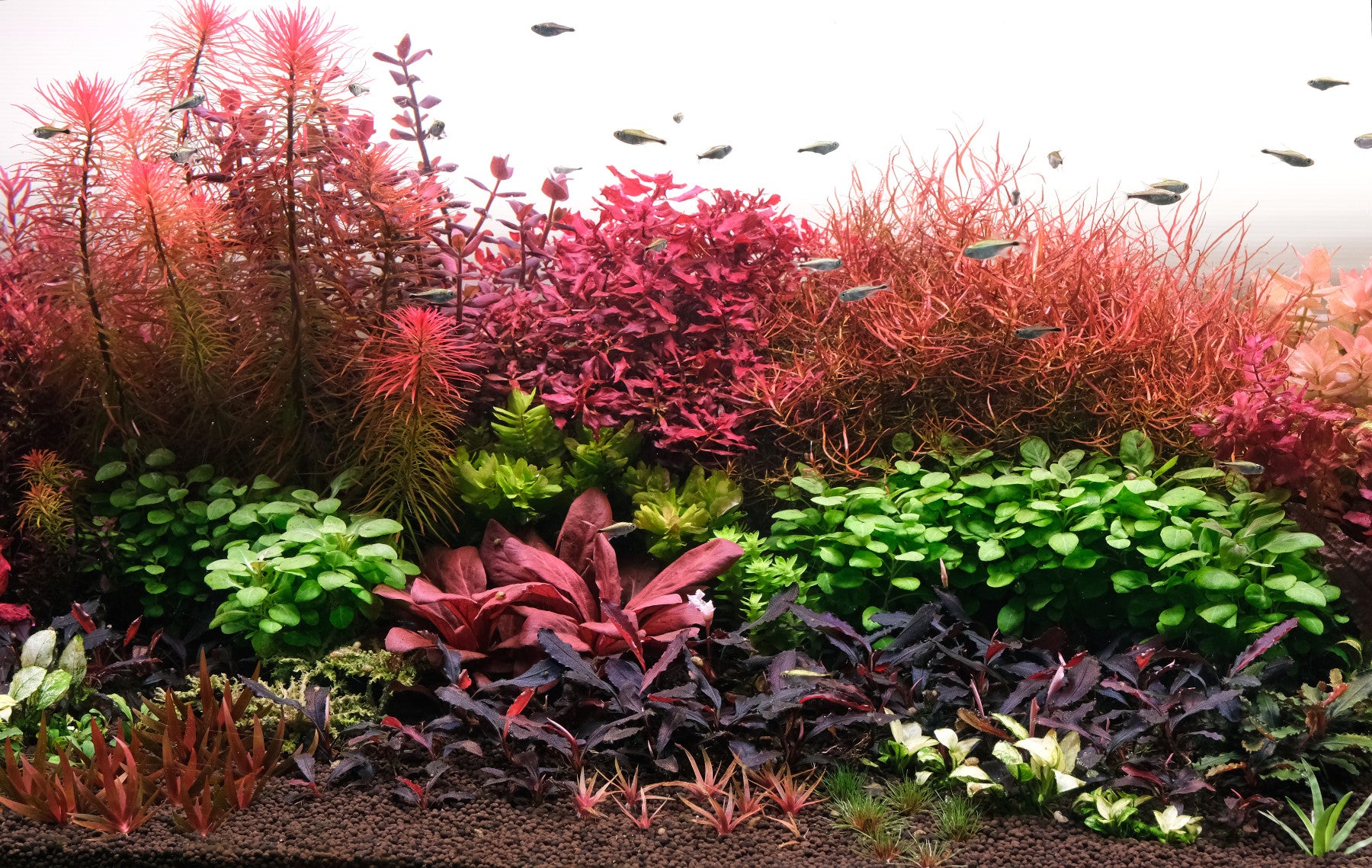
Most red plants demand CO2 and intense light, but Ludwigia repens ‘Rubin’ defies expectations. Under moderate lighting (50-70 lumens/liter), it develops stunning burgundy foliage in low-tech tanks. The key is nutrient balance—too much light without corresponding nutrients causes bleaching. Start with 3 stems planted in the midground, spacing them 2 inches apart to encourage bushiness. Within 10 days, new growth will show reddish tips even without CO2 injection.
Prevent Yellowing With Targeted Root Feeding
Ludwigia often develops pale leaves when grown in inert substrates like gravel. Push 2 Easy Root Tabs per stem 1 inch deep near the roots—this delivers iron and potassium directly where needed. One aquarist noted: “After adding root tabs, my Ludwigia went from sickly yellow to deep red in 9 days.” Trim stems at 4-inch height to force lateral growth; the cuttings replant instantly. If leaves develop holes, reduce light duration to 6 hours daily—this species tolerates lower light better than nutrient deficiencies.
Hygrophila Difformis: The Indestructible Oxygen Generator for Beginners
Water Wisteria (Hygrophila difformis) is the perfect starter plant for nervous aquarists. Its lacy leaves oxygenate water 40% more efficiently than Vallisneria while growing 3 inches weekly in unfiltered tanks. Plant stems 1 inch deep in sand or fine gravel—they’ll establish roots in 72 hours. The real magic happens when fish hide in its dense foliage; one user reported neon tetras breeding within days of adding this plant to a bare tank.
Stop Leggy Growth With Strategic Pruning
When lower leaves yellow, it means the plant isn’t getting enough light due to overcrowding. Here’s the fix: cut stems at 5-inch height, leaving 2-3 nodes below the cut. Remove the bottom 1/3 of leaves from the replanted top section—this redirects energy to root development. Within 5 days, new roots emerge from nodes. Discard yellowed leaves (they won’t recover) but compost healthy trimmings. For maximum oxygenation, thin stems to 1 per 2 square inches monthly.
Floating Plants: Prevent Light Blockage With a DIY Mesh Barrier
Salvinia and Red Root Floater are nutrient sponges that solve algae problems, but left unchecked, they starve submerged plants. The solution? A $2 craft mesh barrier that corals floaters to one tank section. Cut mesh to fit your tank width, attach suction cups to corners, and position it to cover 1/3 of the surface. This creates a “floating zone” while leaving 2/3 clear for stem plants below.
Diagnose Nutrient Deficiencies From Floater Leaves
Red Root Floaters are your tank’s canary in the coal mine. Yellowing older leaves = nitrogen deficiency; pale new growth = iron shortage. Dose liquid fertilizer directly into the floating zone every 3 days—this targets nutrients where uptake is fastest. One user shared: “When my floaters turned yellow, I added Easy Green and saw improvement in 48 hours.” Harvest excess growth weekly by pulling out 20% of floaters—this maintains optimal coverage without blocking light.
Water Sprite and Elodea: Outcompete Algae in 10-Gallon Tanks
Small tanks are algae magnets, but Water Sprite’s fern-like foliage creates instant shade while Elodea’s dense stems absorb phosphates. Plant Water Sprite in the background and float Elodea in the midsection—they’ll form a nutrient-absorbing curtain. Within 2 weeks, you’ll see algae disappearing from glass and decorations as these plants outcompete it for resources.
Propagate Water Sprite From One Cutting in 14 Days
Look for small plantlets forming at leaf nodes—this is your propagation signal. Gently detach them when 0.5 inches wide and float them near the surface. In 7 days, roots develop; plant them 1 inch deep in substrate. One stem yields 15+ offspring in 14 days. Critical warning: Never let decaying leaves accumulate—remove yellowed sections daily with scissors to prevent ammonia spikes.
Prevent Melt: The 3-Step Trimming Method for Fast-Growers That Works Every Time
Rapid growth invites disaster when improper trimming causes melt. Follow this sequence: First, cut stems at 60-degree angles 1 inch above nodes using sharp scissors. Second, remove bottom leaves from cuttings before replanting. Third, dose 1ml Easy Green per 10 gallons immediately after trimming. This prevents nutrient shock that causes melt. One user reported: “After switching to this method, my Ludwigia stopped melting and grew 2x faster.”
Replant Cuttings to Double Coverage in 10 Days
Space replanted stems 1.5 inches apart—closer than you’d think. This encourages lateral growth that fills gaps. Within 5 days, new roots anchor; by day 10, side shoots emerge. For background plants like Hygrophila, plant in staggered rows (not straight lines) to create depth. Discard only dead material; healthy trimmings can be shared with local fish stores for store credit.
Fast-growing stem plants transform aquarium maintenance from a chore into rewarding progress you see daily. They’re not just placeholders—they’re your primary defense against algae and unstable water. Start with Hornwort for instant ammonia control, add Brazilian Pennywort for low-light coverage, and master the 3-step trim to harness their growth. Within 30 days, you’ll have a thriving ecosystem where fish dart through jungles you grew yourself. Share excess cuttings with fellow hobbyists at your local fish store—most will trade them for supplies. Your next step? Try growing Red Root Floaters in that mesh barrier; their crimson roots will add a stunning pop of color while polishing your water clarity.