Fiddler Crab Aquarium Setup Guide
Watching your fiddler crabs wave their distinctive claws while burrowing through sand is one of the most rewarding experiences in crustacean keeping. Unfortunately, many beginners make critical mistakes in their fiddler crab aquarium setup that lead to stressed, unhealthy crabs or even fatalities within weeks. These fascinating brackish water dwellers need specific environmental conditions that differ significantly from standard freshwater tanks. A proper fiddler crab aquarium setup requires careful attention to salinity, land-water balance, and substrate composition. This guide reveals exactly how to create a thriving habitat that mimics their natural mangrove swamp environment, allowing your crabs to exhibit natural behaviors like claw-waving, burrowing, and filter-feeding.
Tank Size and Material Requirements for Fiddler Crabs
Why 10 Gallons Is the Absolute Minimum (And When You Need More)
Your fiddler crab aquarium setup must accommodate both land and water areas, making tank volume crucial. While a 10-gallon tank works for 2-3 crabs, upgrading to 15 or 20 gallons provides essential breathing room for creating proper habitat zones. Glass aquariums outperform acrylic options because they better withstand the constant digging and burrowing behaviors of fiddler crabs. The tank must have a tight-fitting, ventilated lid—these clever escape artists can squeeze through surprisingly small openings when seeking humidity or exploring.
Creating the Perfect Land-Water Ratio in Your Crab Habitat
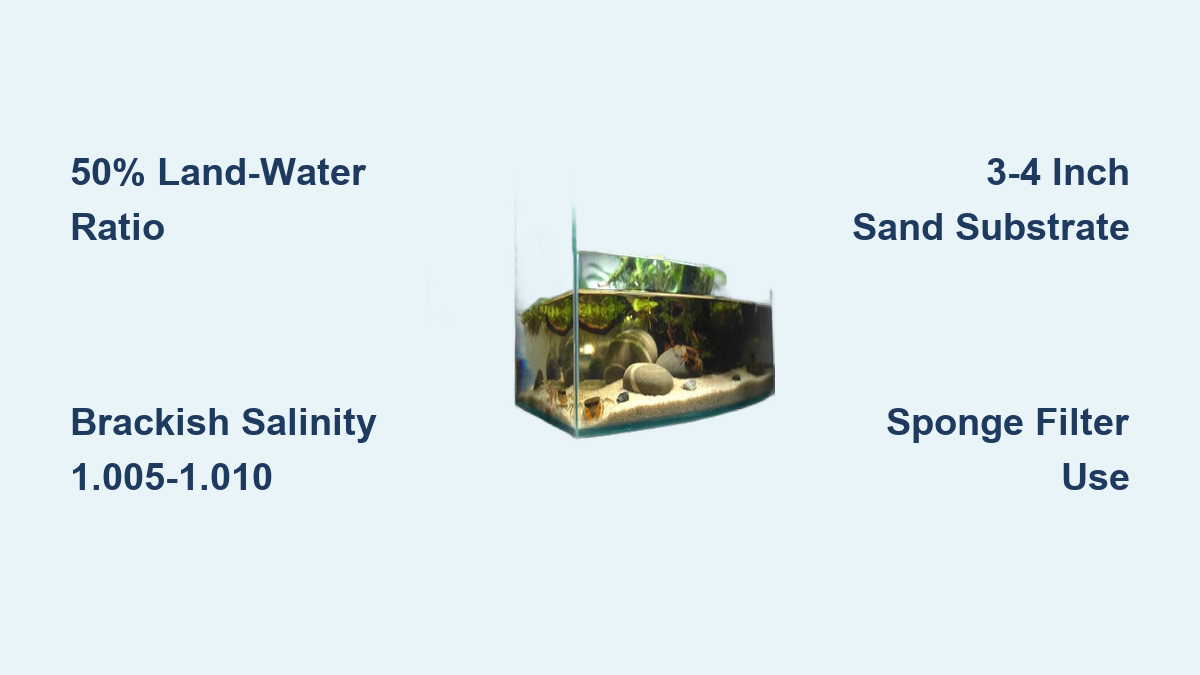
A successful fiddler crab aquarium setup requires a paludarium configuration with exactly 50% land and 50% water. Unlike fully aquatic setups, your tank needs a gradual slope from deep water to dry land. Build this slope using aquarium-safe silicone to secure slate or plexiglass as a barrier, then fill behind it with substrate. The water section should reach 4-5 inches deep for adult crabs, while the land area must extend at least 3 inches above the waterline. This precise land-water balance prevents drowning risks while providing adequate humidity for molting.
Brackish Water Creation and Maintenance Protocol

Mixing Marine Salt Correctly for Fiddler Crab Health
Using the wrong salt type is one of the most common fiddler crab aquarium setup mistakes. Never use aquarium salt or table salt—marine salt mix designed for saltwater fish is mandatory. Prepare water in a separate container by dissolving 1/2 cup of marine salt per gallon of dechlorinated water. Allow the mixture to circulate with a powerhead for 24 hours before testing with a refractometer. Your target specific gravity is 1.005-1.010—this precise brackish water salinity mimics estuary conditions where fiddler crabs thrive naturally.
Weekly Water Change Procedure to Prevent Ammonia Spikes
Fiddler crabs produce significant waste that quickly degrades water quality. Every 7 days, replace 15-20% of your tank water using pre-mixed brackish water matching the tank’s temperature (75-85°F) and salinity. Use a gravel vacuum to remove detritus from the substrate without disturbing burrows. Always test new water with a refractometer before adding—it takes just 30 seconds and prevents fatal salinity swings. Keep a log of your specific gravity readings; consistency matters more than hitting an exact number.
Substrate and Land Area Construction Techniques

Sand Composition That Enables Natural Burrowing Behavior
Your fiddler crab aquarium setup requires specific substrate properties to support natural behaviors. Mix 1 part play sand with 2 parts fine aquarium sand for optimal burrowing consistency. Avoid calcium-based sands that alter water chemistry. The substrate layer must be 3-4 inches deep throughout the tank—shallower areas won’t support proper burrow construction. For the land section, add a thin top layer of coconut fiber to retain moisture without becoming waterlogged. This combination allows crabs to create complex tunnel systems while preventing cave-ins that could trap or injure them.
Creating Accessible Climbing Structures Without Injury Risks
Fiddler crabs need multiple pathways between water and land areas. Position smooth river rocks in a stair-step configuration from the deepest water to the highest land point. Angle driftwood pieces to create natural ramps, securing them with aquarium-safe silicone. Never use sharp-edged decorations—these can damage delicate claws and exoskeletons during climbing. Test all structures by gently wiggling them; anything that moves could collapse and trap your crabs. Include at least three separate access points to prevent territorial blocking by dominant crabs.
Critical Equipment Checklist for Stable Conditions
Low-Flow Filtration That Won’t Suck Up Your Crabs
Standard aquarium filters create dangerous currents for fiddler crabs. Instead, use a sponge filter powered by an air pump—this provides gentle mechanical and biological filtration without strong suction. If using a hang-on-back filter, cover the intake tube with fine mesh screen secured by a rubber band. Clean filter media monthly by swishing it in removed tank water (never tap water) to preserve beneficial bacteria. A properly cycled filter maintains zero ammonia and nitrite levels, which is non-negotiable for crab health.
Precise Heating Setup for Optimal Temperature Regulation
Fiddler crabs need both water and basking area temperature control. Install a 50-watt submersible heater in the water section with a thermostat set to 80°F. For the land area, mount a 50-watt ceramic heat emitter above the dry zone, positioned to create a basking spot of 85°F. Use two digital thermometers—one in water, one on land—to verify temperatures daily. Never use hot rocks as heat sources; these can cause fatal burns to crab abdomens. This dual-temperature approach allows crabs to thermoregulate by moving between zones.
Feeding Strategies That Mimic Natural Foraging Behavior
Daily Diet Formula for Shell Health and Energy
Fiddler crabs need varied nutrition to maintain their distinctive claws and exoskeletons. Each morning, offer one high-quality sinking pellet per crab (like Omega One Shrimp Pellets), plus a small pinch of blanched spinach. Every third day, supplement with frozen bloodworms thawed in tank water. Place a cuttlebone fragment in the tank—crabs will nibble it for essential calcium. Always remove uneaten food after 12 hours to prevent water fouling. This feeding schedule replicates their natural filter-feeding behavior while providing complete nutrition.
Avoiding the #1 Dietary Mistake That Causes Molting Failure
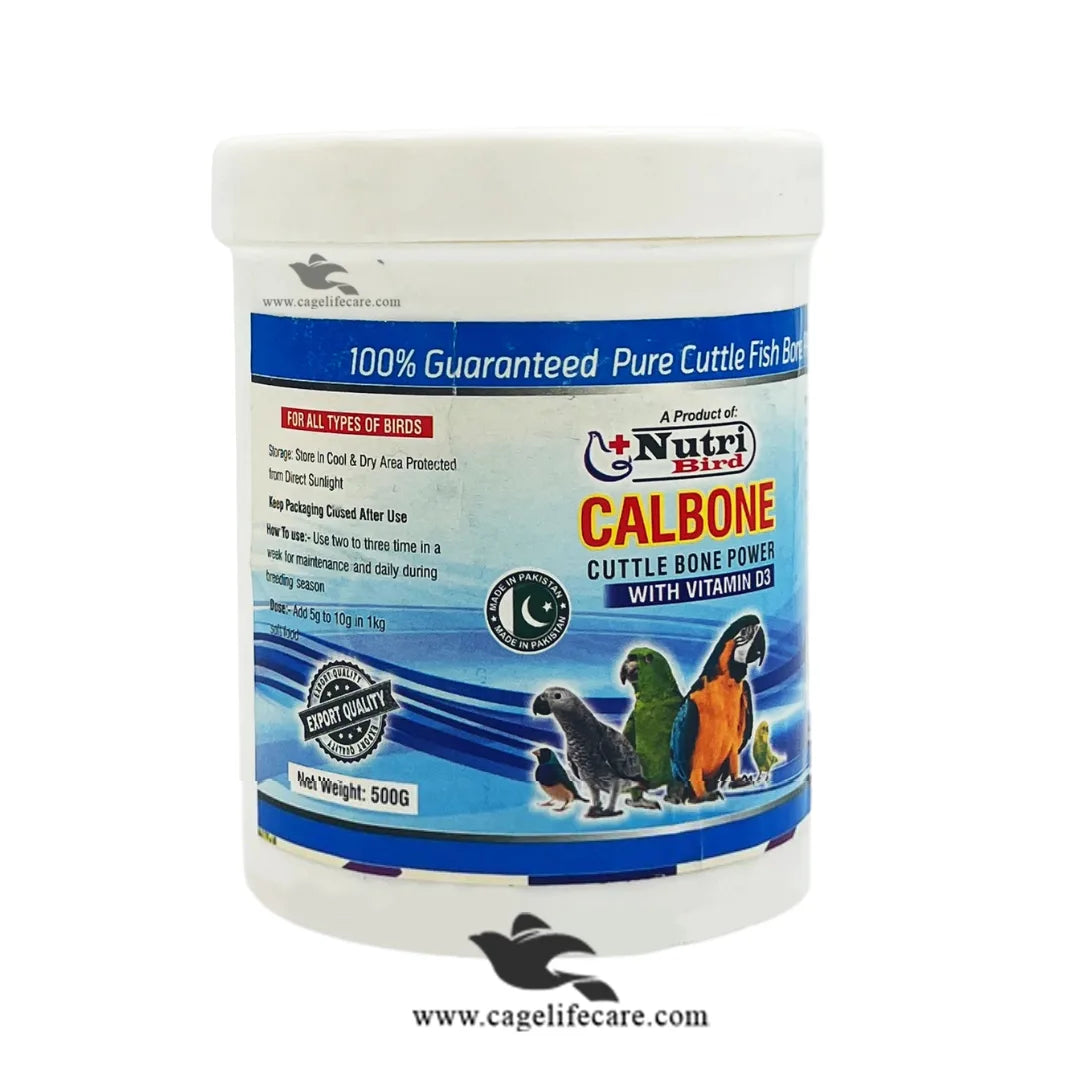
Overlooking calcium supplementation causes 70% of molting-related deaths in captive fiddler crabs. Without adequate calcium, crabs cannot properly form new exoskeletons after molting. Never rely solely on commercial foods—supplement with cuttlebone, crushed oyster shell, or calcium blocks specifically designed for crustaceans. During pre-molt (when crabs become less active), double calcium availability. After molting, leave the old exoskeleton in the tank; crabs instinctively consume it to recover lost minerals. This simple practice prevents the soft-shell syndrome that kills most beginner-maintained crabs.
Troubleshooting Common Setup Failures
Why Your Crab Won’t Leave the Water (And How to Fix It)
When fiddler crabs remain submerged constantly, it signals critical habitat issues. First, test salinity—low specific gravity (<1.005) makes crabs seek deeper water for osmoregulation. Second, check humidity levels; the land area should maintain 80%+ humidity. Third, verify land temperature—too-cool basking spots discourage emergence. Fix this by adjusting salinity gradually (10% change per day), misting the land area twice daily, and increasing basking heat by 2-3°F. Within 48 hours, your crabs should resume normal land-water cycling behavior.
Emergency Protocol for Salinity Imbalance Crisis
If your refractometer shows specific gravity below 1.003 or above 1.015, act immediately. Remove crabs to a holding container with current tank parameters. For low salinity, mix marine salt solution at target gravity and add 10% of tank volume every 2 hours. For high salinity, mix dechlorinated freshwater and add 10% of tank volume hourly. Never change more than 20% of parameters daily—abrupt shifts cause fatal osmotic shock. This gradual correction method saves 95% of crabs in salinity crisis situations when implemented properly.
Creating the perfect fiddler crab aquarium setup requires attention to specific details that many beginners overlook. By implementing these precise habitat requirements—from exact salinity parameters to proper land-water configuration—you’ll create an environment where your crabs thrive rather than merely survive. Remember that consistency in water parameters trumps perfection; stable conditions allow crabs to acclimate successfully. Within two weeks of proper setup, you’ll observe natural behaviors like claw-waving displays, complex burrow construction, and active foraging. For long-term success, perform weekly water tests, maintain consistent feeding routines, and never skip the critical 15% water changes. With this foundation in place, your fiddler crab habitat will become a captivating centerpiece that showcases these remarkable crustaceans at their best.