Best Freshwater Aquarium Setup (2026 Guide)
Setting up your first freshwater aquarium doesn’t need to be complicated or expensive. The best freshwater aquarium setup for beginners balances stability, ease of maintenance, and visual appeal while keeping costs reasonable. Many new hobbyists make the critical mistake of starting with tanks that are too small or unstable, leading to frustrating water parameter swings and fish loss. By following this proven approach—centered around a 10-gallon or 54L tank with proper filtration and cycling—you’ll create a thriving aquatic ecosystem that requires minimal maintenance. This guide cuts through the confusion to give you exactly what you need for long-term success.
Why a 10-Gallon Tank Is the Best Freshwater Aquarium Setup for Beginners
The 10-gallon (38L) or 54L (2’x1’x1′) tank represents the perfect compromise between water stability and manageable maintenance. Smaller tanks like 5-gallon setups experience dangerous parameter fluctuations that stress fish, while larger tanks demand more physical effort for water changes. A fully established 10-gallon tank weighs approximately 100 pounds, so selecting a sturdy, level stand on solid flooring is non-negotiable—never place your tank in direct sunlight, which causes algae explosions and temperature swings. The Fluval Flex 15-gallon kit has proven particularly successful for beginners with its integrated filtration system that simplifies maintenance while providing excellent water stability.
What Tank Shapes to Avoid at All Costs
Spherical tanks and proprietary systems like the BiOrb 60 (16-gallon) will sabotage your best freshwater aquarium setup before you even begin. These problematic designs feature proprietary filter media requiring expensive replacements, limited biological filtration capacity, and sharp internal components that can injure bottom-dwelling fish. Their smaller water surface area also restricts oxygen exchange, creating a less healthy environment for your fish. Stick with standard rectangular tanks that provide maximum surface area for gas exchange and easy access for maintenance.
Hang-On-Back Filters: The Most Reliable Choice for Your First Freshwater Tank
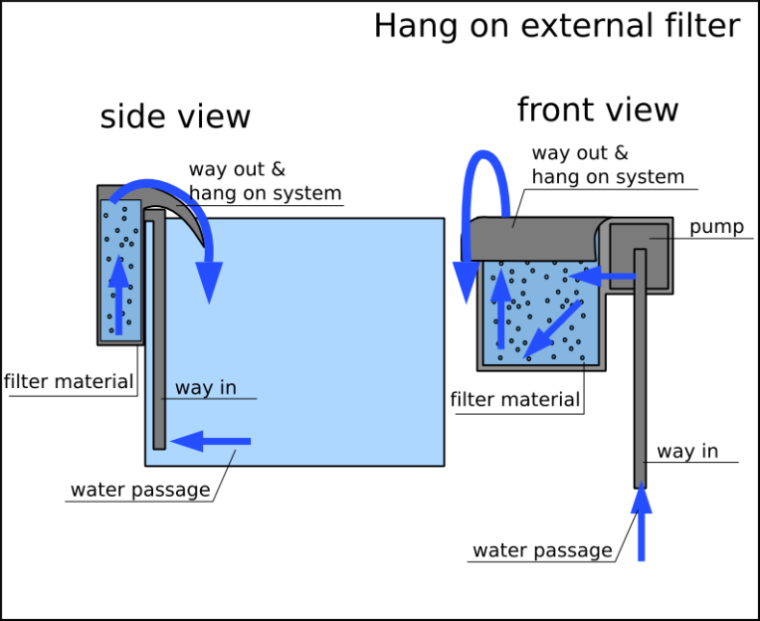
For beginners, a Hang-On-Back (HOB) filter provides the perfect balance of performance, affordability, and ease of maintenance for tanks under 20 gallons. These filters deliver essential mechanical, biological, and chemical filtration in one simple unit. When selecting your filter, choose one rated for a tank size larger than yours—use a 20-gallon filter for your 10-gallon tank to ensure adequate water turnover (aim for 5-10x tank volume per hour).
How to Layer Filter Media for Maximum Effectiveness
Proper media arrangement makes or breaks your filtration system. Layer components from intake to outflow as: pre-filter sponge → coarse mechanical media → fine mechanical polishing pad → biological media (ceramic rings or bio-balls) → chemical media (activated carbon) if needed. Never rinse biological media in tap water—that chlorine will kill your beneficial bacteria. Instead, use old tank water during water changes to preserve your nitrogen cycle while removing debris.
Choosing Between Gravel, Sand, and Plant Substrates for Your Freshwater Setup
Your substrate choice impacts both aesthetics and tank health. For beginners, natural gravel (3-5mm) offers the best balance of affordability, ease of maintenance, and compatibility with most fish species. Rinse it thoroughly before adding to prevent cloudy water. If you plan to add live plants later, consider a thin layer (1-2cm) of nutrient-rich planting substrate capped with regular gravel—this provides root nutrition without requiring expensive full-depth substrate.
Why Bare Bottom Tanks Aren’t Ideal for Beginners
While bare-bottom tanks make cleaning easier, they lack the biological filtration benefits of substrate and appear unnatural to most fish. They’re primarily suited for quarantine or hospital tanks. For your first freshwater aquarium setup, a 2.5-5cm (1-2″) depth of gravel provides the ideal environment for beneficial bacteria while allowing easy vacuuming during water changes. Avoid sand unless you’re keeping specific bottom-dwellers like corydoras, as it requires more careful maintenance to prevent anaerobic pockets.
How to Complete a Fishless Cycle in 4 Weeks for a Healthy Freshwater Tank
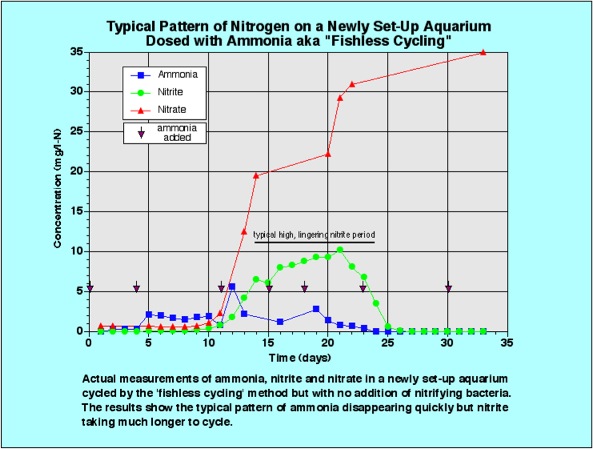
The most critical step in creating the best freshwater aquarium setup is properly cycling your tank before adding fish. A fishless cycle using pure ammonia or bottled bacteria (like Seachem Stability) establishes your nitrogen cycle without risking fish lives. The process takes 4-8 weeks but prevents deadly ammonia spikes that kill beginner fish. You’ll know your cycle is complete when your tank processes 2-4 ppm of ammonia into nitrate within 24 hours with readings of 0ppm ammonia and 0ppm nitrite.
Your Fishless Cycling Timeline Made Simple
- Day 1: Add ammonia source to reach 2ppm
- Days 3-7: Watch for nitrite spike (first bacteria colony establishing)
- Days 14-21: Nitrate appears as second bacteria colony forms
- Day 28+: Confirm 2ppm ammonia converts to 0 within 24 hours
- Only then add your first fish—never rush this step!
6 Beginner-Friendly Fish Species That Thrive in a 10-Gallon Freshwater Tank
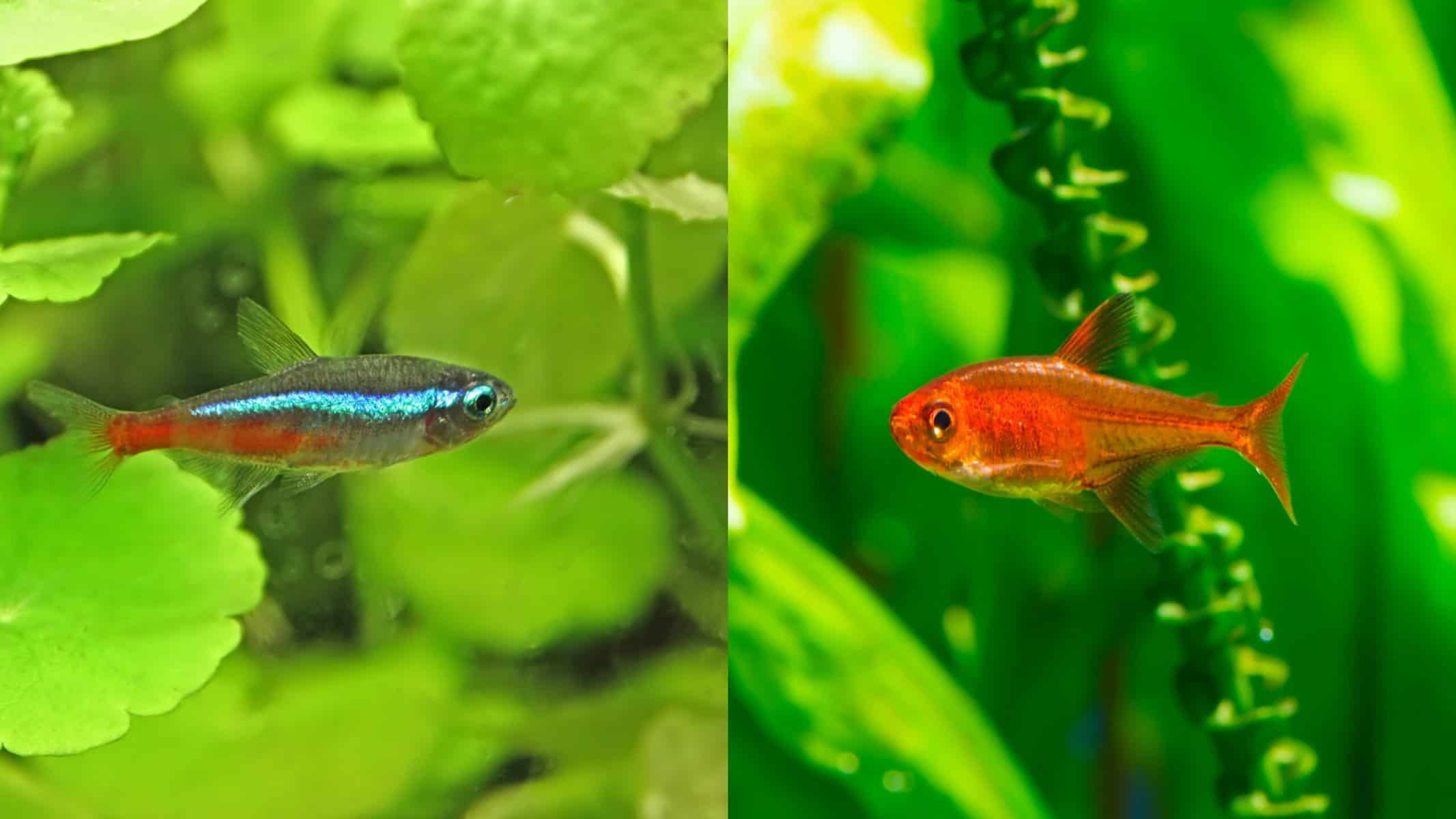
After cycling, start with hardy species that tolerate minor parameter fluctuations. For a 10-gallon tank, consider these proven beginner options:
- Ember Tetras: Tiny (2cm), peaceful schooling fish requiring groups of 6+
- Pygmy Corydoras: Bottom dwellers (2.5cm) that clean debris, need groups of 10+
- Neon Tetras: Classic beginner fish (4cm), school in groups of 10+
- Amano Shrimp: Excellent algae control (4-5cm), 3-5 per 10L
- Nerite Snails: Algae grazers that won’t reproduce in freshwater
- Single Betta: Only one male per tank, requires 76-80°F water
Critical Stocking Mistakes That Destroy Freshwater Aquariums
Overstocking causes 80% of beginner tank failures. Follow the modified “1 inch of fish per 2 gallons” rule for adult sizes, not juvenile sizes. A 10-gallon tank comfortably houses either 6 ember tetras + 4 pygmy corydoras + 2 nerite snails OR one betta with 4-5 shrimp. Always research adult sizes before purchasing—those tiny “2-inch” fish often grow to 6+ inches!
Your Weekly 30-Minute Maintenance Routine for a Crystal Clear Freshwater Aquarium
Consistent maintenance prevents 95% of aquarium problems. Set aside 30 minutes weekly for these essential tasks:
- Test water parameters (ammonia, nitrite, nitrate, pH)
- Perform 25-30% water change with dechlorinated, temperature-matched water
- Gently vacuum gravel to remove waste while preserving beneficial bacteria
- Clean viewing glass with algae scraper
- Rinse filter media in old tank water (never tap water!)
How to Fix Cloudy Water in 72 Hours or Less
Cloudy water usually indicates one of three issues: bacterial bloom (white/gray haze), algae overgrowth (green tint), or excess organic debris (brown/yellow tint). For bacterial blooms—which commonly occur in new tanks—reduce feeding by 50%, add filter floss to your HOB filter, and perform a 50% water change. Within 72 hours, your water should clear as the bacterial population stabilizes.
The #1 Mistake That Kills Freshwater Aquariums and How to Avoid It
Overfeeding causes more freshwater aquarium failures than any other single factor. Fish don’t need as much food as you think—they can consume their entire meal in 2 minutes, once or twice daily. Excess food decomposes into ammonia, triggering dangerous water quality issues. Use this simple test: if you can still see food after 2 minutes, you’ve overfed. Remove uneaten food immediately with a net.
Essential Products That Transform Your Freshwater Tank Experience
Beyond the basic tank, filter, and heater, these three products make your best freshwater aquarium setup truly successful:
- API Freshwater Master Test Kit: Liquid tests are 10x more accurate than strips
- Python No-Spill Water Changer: Makes water changes effortless
- Seachem Stability: Accelerates cycling and stabilizes water parameters
Investing in these tools upfront prevents countless headaches and fish losses down the road.
By focusing on proper tank size, thorough cycling, appropriate stocking, and consistent maintenance, your freshwater aquarium will thrive with minimal effort. Remember that patience pays off—taking the extra 4 weeks to properly cycle your tank prevents months of water quality struggles. Start with the simple 10-gallon setup outlined here, master the fundamentals, and you’ll enjoy a beautiful, low-maintenance aquatic ecosystem that brings joy for years to come. The best freshwater aquarium setup isn’t about expensive gear—it’s about understanding and working with nature’s processes to create a balanced, stable environment where fish can truly thrive.