What Do Baby Snails Look Like? Tiny, Transparent Shells and Soft Bodies
You’ve spotted tiny snails in your garden after rain and wondered: What do baby snails look like up close? These miniature gastropods are smaller than a sesame seed when born, yet hold surprising secrets in their shells. Unlike insects with dramatic metamorphosis, baby snails emerge fully formed but with critical visual clues that distinguish them from adults. Understanding these markers—especially the permanent embryonic shell visible even on mature snails—helps you identify hatchlings in your backyard or terrarium. This guide reveals exactly what to look for at each growth stage, using verified biological facts to solve common identification mysteries.
Marble-Sized Eggs Signal Baby Snails Soon
Finding snail eggs is your first clue to spotting hatchlings. While size varies by species, Giant Panda snail eggs (like those pictured in the resource) are strikingly large—about the size of marbles. These eggs appear as smooth, round spheres, often white or pale yellow, buried shallowly in moist soil. Unlike frog eggs in gelatinous clumps, snail eggs typically sit individually or in loose clusters without protective jelly. When these marble-sized eggs darken slightly, hatching is imminent—usually within 2-4 weeks depending on temperature and humidity.
Why Egg Size Matters for Identification
- Species-specific indicators: Giant Panda snails produce unusually large eggs, while common garden snails lay smaller, pearl-like clusters. Never assume all snail eggs look identical.
- Critical moisture warning: Dry conditions cause eggs to shrivel and die. If you find cracked or deflated eggs, hatchlings won’t emerge.
- Hatching timeline: Eggs develop fastest in warm, damp environments (60-75°F). Cooler temperatures delay hatching by weeks.
Why Every Baby Snail Has a Shell at Birth (The Protoconch Secret)
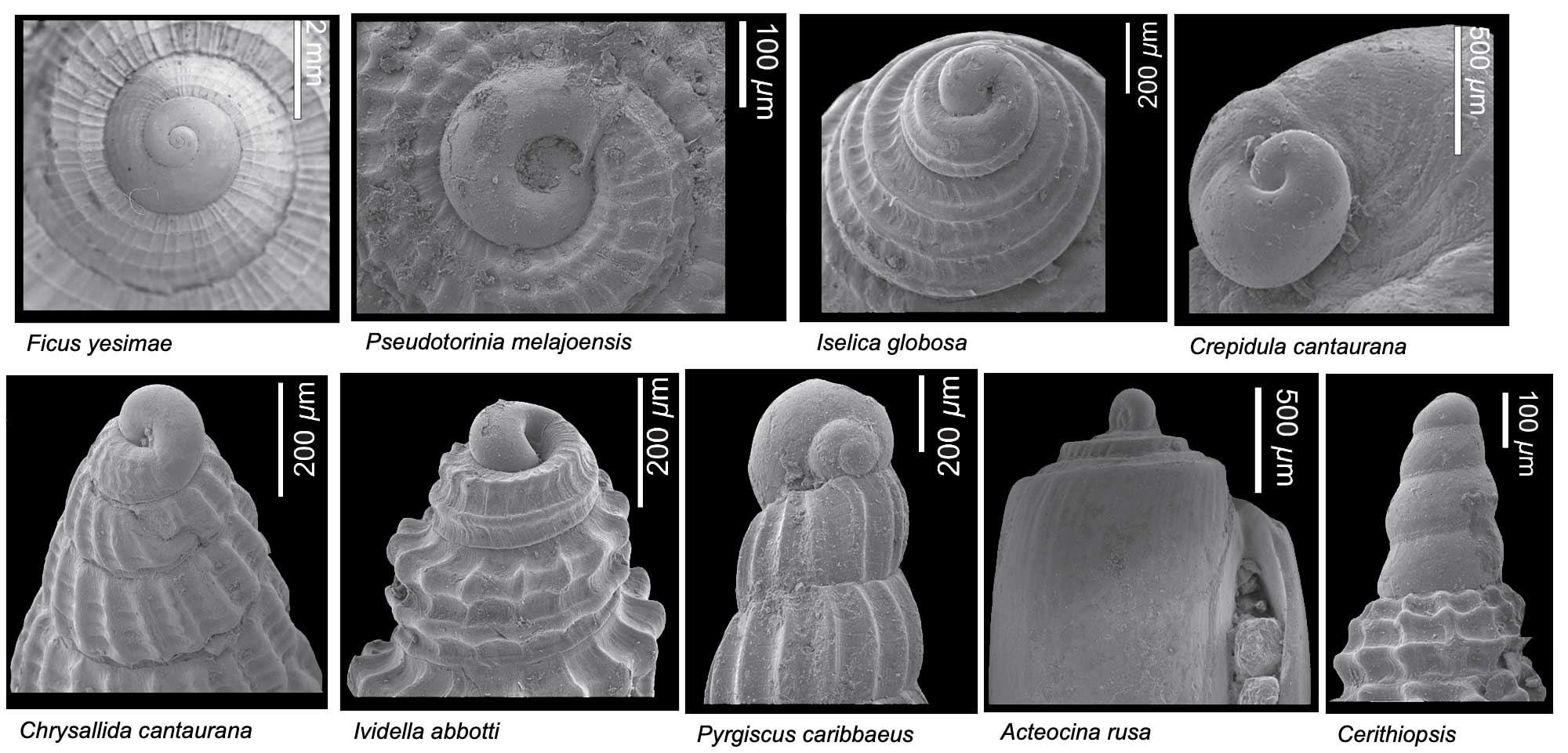
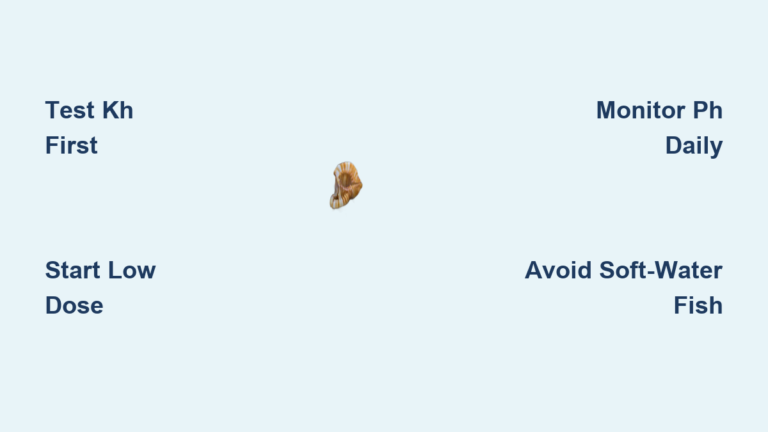
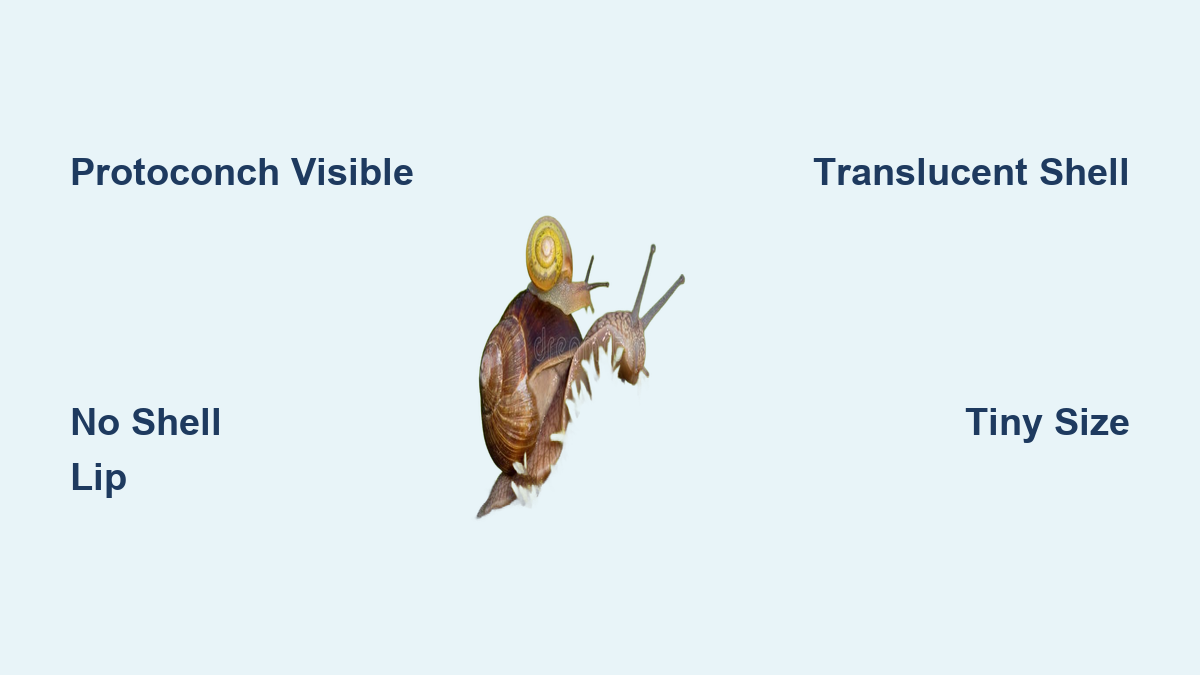
Forget the myth that baby snails start shell-less—they hatch with a fully formed miniature shell called the protoconch. This embryonic shell, visible as the tiny tip of an adult snail’s spiral (like in the Giant Panda snail photo), isn’t shed or replaced. It’s the exact same shell the snail had in the egg, permanently fused to later growth. The protoconch has a smoother texture and often a different color than the rest of the shell, making it a definitive baby snail identifier.
How to Spot the Protoconch on Any Snail
- Location: Examine the very apex (tip) of the shell. The protoconch is the smallest, innermost whorl.
- Texture contrast: In adult shells, the protoconch appears smoother and less sculpted than newer whorls added during growth.
- Size scale: On a hatchling, the protoconch makes up most of the shell. In adults, it’s a minuscule nub (often <1mm).
How Baby Snails Grow Without Molting or Shedding

Snails don’t molt like insects—they enlarge their single shell continuously. As the snail eats calcium-rich foods (like leaf litter or cuttlebone in captivity), its mantle tissue secretes new shell material at the aperture (shell opening). This process adds larger whorls to the shell’s edge, creating the spiral shape. Crucially, baby snails grow transparently thin shells that gradually thicken and darken with age. A hatchling’s shell may look almost glass-like, revealing the snail’s body color beneath.
Growth Stages Visible in the Shell
- Hatchling (0-2 weeks): Shell is fragile, translucent, and often pale yellow. Diameter rarely exceeds 2mm—smaller than a grain of rice.
- Juvenile (2 weeks-6 months): New whorls form visible ridges. Shell hardens but remains thin. No “lip” at the aperture yet.
- Sub-adult (6-12 months): Shell gains species-specific coloration and texture. Growth lines may appear where shell expansion paused during dry periods.
The Critical Shell Lip That Reveals Snail Maturity
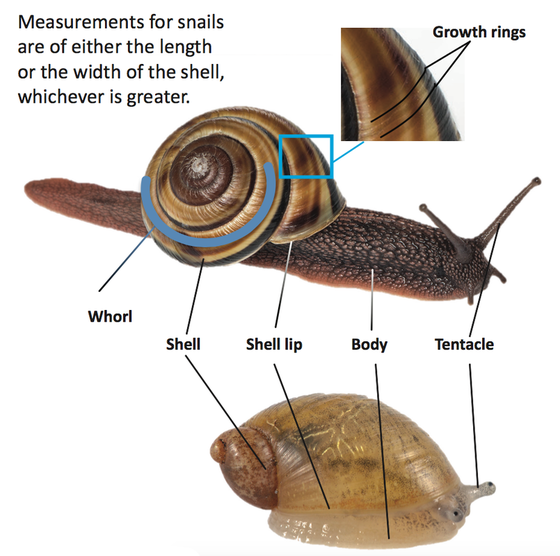
Here’s the foolproof way to distinguish baby snails from adults: check for the shell lip. As snails reach full maturity (which takes 6-18 months depending on species), many develop a thickened, flared rim around the shell opening called the “lip.” This lip protects the snail’s soft body and signals reproductive readiness. Baby and juvenile snails never have this feature—their shell apertures remain thin and sharp-edged.
Identifying Baby Snails by Aperture Shape
| Feature | Baby/Juvenile Snail | Mature Adult Snail |
|---|---|---|
| Aperture Edge | Thin, sharp, smooth | Thickened, flared, or rolled |
| Shell Strength | Easily crushed by fingers | Resists gentle pressure |
| Translucency | Often see body color through shell | Opaque, solid color |
Baby Snail vs. Slug Development: Key Differences
While slugs also hatch from eggs with embryonic shells, their development diverges dramatically. Baby slugs (like the Red-Triangle Slug in the resource photo) emerge with a tiny, internalized shell remnant—not a visible external shell. Semi-slugs have a small external shell too small to retract into. Crucially, you’ll never find a “baby snail” that gradually loses its shell—snails and slugs follow separate evolutionary paths from birth.
Why Confusion Happens
- Size illusion: Newly hatched snails can resemble slugs if their shell is translucent and curled tightly against their body.
- Species mimicry: Some juvenile snails (e.g., Opeas hannense) have shells so small they appear slug-like until maturity.
- Key test: Gently touch the snail’s back. If you feel a hard, coiled structure under the skin, it’s a snail—not a slug.
Where to Find Hatchlings in Your Garden or Terrarium
Baby snails avoid open spaces—their thin shells dehydrate rapidly in sun or wind. Search these moisture-rich microhabitats:
– Under decaying logs where humidity stays near 90%
– Beneath potted plant saucers with standing water
– In compost bins near decomposing vegetable matter
– Along stone walls after nighttime rains
Pro tip: Shine a flashlight at a 45-degree angle across soil surfaces at dawn. Hatchling shells catch light like tiny lenses, revealing their location. Avoid handling them—the oils on human skin can damage their delicate shells.
Why Baby Snails Disappear Quickly (Survival Realities)
Fewer than 1% of hatchlings reach adulthood. Baby snails face brutal threats:
– Predators: Beetles, ants, and birds target them for their soft, calcium-rich shells.
– Dehydration: Just 30 minutes in dry air can be fatal to hatchlings.
– Cannibalism: Larger snails eat eggs and juveniles when food is scarce.
This explains why you rarely see baby snails—they vanish within days unless conditions are ideal. If you find multiple hatchlings, check for egg remnants nearby; they likely emerged simultaneously.
Common Misidentifications: What Baby Snails Are NOT
Avoid these frequent errors when spotting young snails:
– Mistaking slugs for baby snails: Slugs never develop external shells, no matter how small.
– Confusing shell damage with youth: A broken shell edge on an adult doesn’t make it “baby-like”—it’s injured.
– Assuming size equals age: Malnourished snails stay tiny for years. Always check the shell lip for maturity.
How to Photograph Baby Snails Without Harm
Documenting hatchlings requires extreme care:
1. Use a macro lens or phone clip-on macro lens (avoid flash—it startles them).
2. Place a damp paper towel under the snail for grip.
3. Photograph within 60 seconds to prevent stress-induced dehydration.
4. Never use tweezers—gently nudge with a moist paintbrush.
Critical warning: Never relocate wild hatchlings to terrariums. They carry species-specific microbes essential for survival.
Final Identification Checklist for Baby Snails
When you spot a tiny gastropod, verify these three features before calling it a baby snail:
1. Protoconch visible at the shell’s tip (smooth, small, contrasting texture)
2. No shell lip—aperture edge is thin and sharp
3. Translucent shell revealing body color beneath
Remember: The protoconch is your ultimate clue. Even on fully grown snails like the Giant Panda specimen, that tiny embryonic whorl remains visible—a permanent birth certificate etched in calcium. By focusing on these shell characteristics, you’ll confidently identify baby snails in any environment, transforming casual sightings into meaningful observations of nature’s quiet miracles. If you find hatchlings, celebrate their resilience—each represents a rare victory against overwhelming odds.