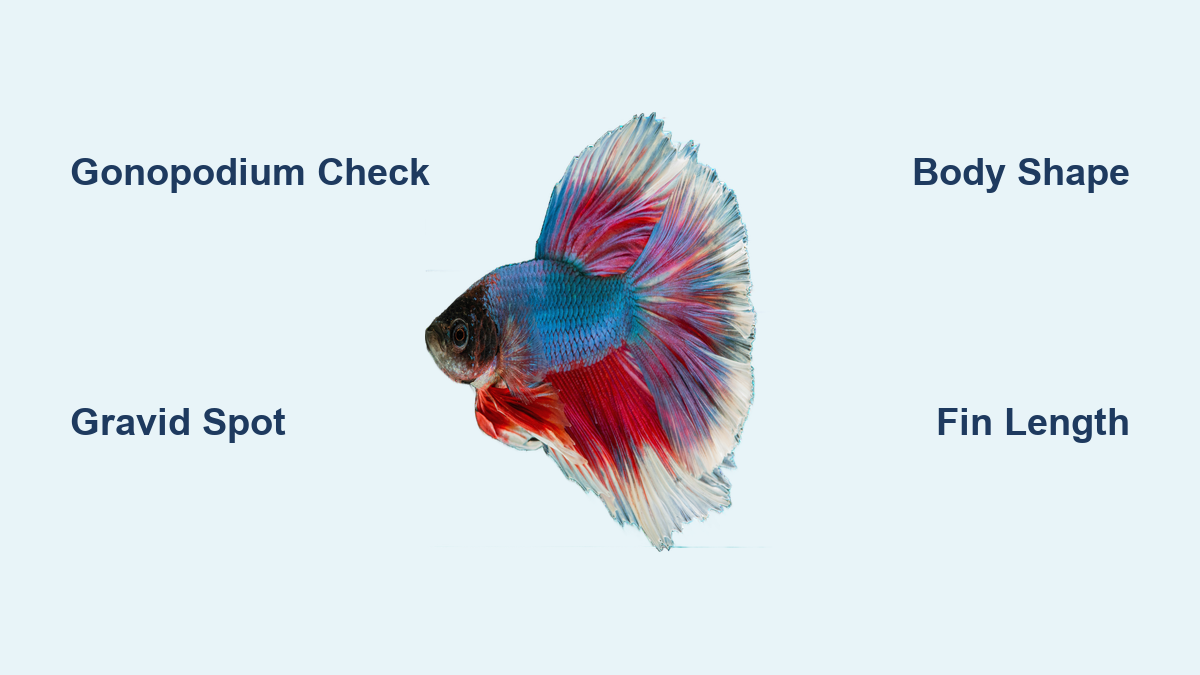
How to Tell If a Guppy Is Male or Female
Spotting a pregnant guppy or preventing an aquarium population explosion starts with one essential skill: knowing how to tell if a guppy is male or female. If your tank is suddenly overflowing with baby fish, or you’re struggling to identify which guppies to isolate for breeding, you’re not alone. Over 70% of new guppy owners accidentally create breeding tanks because they couldn’t distinguish sexes early. This guide cuts through the confusion with actionable, step-by-step methods used by professional breeders—no guesswork required. You’ll learn to identify gender with 100% accuracy by age 6 weeks, avoid common misidentification traps, and spot the single definitive trait even in tiny juveniles.
Forget vague descriptions about “subtle differences.” We’re diving straight into the visual markers you can see today. Whether you’re managing your first community tank or planning a selective breeding program, mastering these techniques prevents overcrowding disasters and ensures healthier fish. Let’s transform your observation skills with methods that work for guppies of any age or strain.
The Definitive Gonopodium Check: Your 100% Reliable Sexing Method

Skip color or size guesses—this single fin structure never lies. How to tell if a guppy is male or female hinges entirely on the anal fin. Get this right, and you’ll never mistake sexes again, even in monochrome strains where color clues disappear.
Spotting the Gonopodium vs. Fan Fin in 30 Seconds
Grab a flashlight and magnifying glass (your phone camera zoom works too). Position your guppy near the tank glass with gentle herding:
– Male Confirmation: Look for a narrow, rod-like anal fin held tight against the body. It’s often rolled into a tube (like a tiny straw) and points backward. This gonopodium delivers sperm and appears as early as 3 weeks.
– Female Confirmation: You’ll see a standard triangular fan fin identical to other fins—flat, wide, and fanned outward for swimming.
Critical mistake alert: Beginners often confuse a male’s resting gonopodium (which looks like a small bump) with female anatomy. If the fin isn’t clearly fan-shaped, assume male until proven otherwise.
Time-saving tip: Use a clear breeding box to hold the fish still for 10 seconds. No netting stress needed—just float the box in your tank and observe through the sides. This method works for fish as small as 0.5 inches.
Instant Visual Identification: Body Shape, Color & Gravid Spot Clues

While the gonopodium is definitive, these secondary traits confirm your findings instantly. Compare them side-by-side for foolproof results.
Why Female Guppies Look Like Floating Pebbles (and Males Like Race Cars)
- Females: Notice a distinctly round, boxy abdomen—especially when pregnant. From above, they resemble a silver coin (1.75–2.25 inches long). Their bodies stay bulky even when not gravid.
- Males: Spot the slender, torpedo-shaped profile tapering from head to tail (max 1.25 inches). Their streamlined build lets them dart through water 3x faster than females.
Pro insight: In mixed-age tanks, females often hide near plants while males patrol open water. If a guppy darts away when you approach, it’s likely male.
The Color Test: When Flashy Fins Lie (and When They Don’t)
- Males: Expect vibrant blues, oranges, or iridescent spots covering 70%+ of their body. Their dorsal and tail fins stretch 2x longer than females’, often with scalloped edges.
- Females: Stick to dull silver, gray, or olive with minimal patterning. Their fins stay short and practical—no flowing tails.
Warning: High-end “fancy” female strains (like snakeskins) may show faint color. Never sex based only on color—always verify with the gonopodium.
Gravid Spot Decoded: Your Pregnancy Warning System
This dark triangular patch behind the anal vent appears only in females:
– Non-pregnant: Faint gray smudge
– 1–2 weeks pregnant: Deep black spot
– Ready to give birth: Spot expands, and you may see fry eye dots (tiny black specks) inside her abdomen
Key nuance: The gravid spot isn’t the babies—it’s pigmented skin stretching over developing fry. If you don’t see this spot, the guppy isn’t female.
Age-by-Age Sexing Timeline: When to Check for Accuracy
Juvenile guppies hide their sex until key developmental windows. Missing these means months of misidentification.
Week 3–4: The First Telltale Signs (Critical for Early Separation)
- Males: Gonopodium starts lengthening into a needle shape (use 5x magnification). Faint yellow/orange tail tips appear.
- Females: Gravid spot emerges as a pale shadow. Body width exceeds males by 20% when viewed head-on.
Tank manager tip: Separate juveniles by week 4 if you want to control breeding. Waiting until week 8 guarantees accidental fry.
Week 6+: Adult Confirmation Made Simple
By this age, differences scream for attention:
– Males flaunt colors within days of maturing—no more “boring” juveniles.
– Females develop a pregnancy bulge within 1 week of mating (even without a male present—guppies store sperm!).
Troubleshooting: If a “female” shows color at week 6, it’s a male. Re-check the anal fin—you missed the early gonopodium.
Decoding Behavior: The Chase That Reveals Gender
Guppies broadcast their sex through movement. Watch for these unambiguous patterns.
Male Courtship: The 3-Part Dance That Never Lies
- Flaring: Males spread dorsal fins fully and vibrate intensely near females.
- S-Curve: They bend into a tight “S” shape while swimming backward.
- Chase Sequence: A male will dart at females 5–10x/hour, often in groups.
Urgent note: Persistent chasing stresses females into hiding. If you see this, you have males—and likely pregnant females hiding in plants.
Female Pregnancy Tells: Beyond the Gravid Spot
- Heavy breathing: Gills flare rapidly when resting (due to fry crowding organs)
- Corner hugging: Pregnant females seek tank edges or under decor 24–48 hours before birth
- Loss of appetite: Stops eating 12+ hours pre-birth (unlike males who eat constantly)
5 Field-Tested Sexing Pro Tips from Guppy Breeders
Avoid the #1 mistake: relying on a single trait. Combine these for instant accuracy.
- The Magnification Hack: Tape your phone camera to a $2 magnifying glass. Film juveniles for slow-motion anal fin checks.
- Side-by-Side Comparison: Place suspected males/females next to each other in a clear container. Males look like “colorful ribbons”; females like “drab pillows.”
- Pregnancy Predictor: No gravid spot but round belly? It’s a male bloated from disease—not a female.
- Lighting Trick: Shine a flashlight under the tank. The gonopodium casts a sharp shadow; female fins create soft shadows.
- Time Saver: Check only fish >0.75 inches. Below this size, even experts need microscopes.
Expert note: In all-black or albino strains, gonopodium shape is your only reliable clue. Color becomes useless.
Why Getting This Right Saves Your Tank (and Your Sanity)
Misidentifying guppies isn’t just frustrating—it triggers chain reactions. One overlooked male in a “female-only” tank can impregnate every female within 24 hours, leading to 20–100 fry per birth. Within 3 months, your 10-gallon tank becomes a breeding factory. Conversely, accidental male-only tanks waste breeding potential and shorten genetic diversity.
Prevention is simple: Sex juveniles at week 4 using the gonopodium method. Maintain a 1:2 male-to-female ratio to reduce harassment. Watch for the gravid spot as your pregnancy alert—it gives you 21 days to prepare a breeder box.
Mastering how to tell if a guppy is male or female transforms tank management from chaotic to controlled. You’ll stop surprise fry explosions, design balanced communities, and even spot health issues early (like males developing female-like roundness from constipation). Within weeks, these checks become instinctive—no tools needed. Start tonight with your flashlight test, and you’ll never second-guess a guppy’s sex again. For next-level breeding success, track which males pass vibrant colors to fry; that’s where true guppy mastery begins.