5 Gallon Aquarium Dimensions Guide
You’ve decided to bring aquatic life into your home with a manageable five-gallon aquarium, but finding the right space for it has turned into a frustrating puzzle. What most beginners don’t realize is that “five-gallon” doesn’t mean one standard size—dimensions vary significantly between models, brands, and designs, creating confusion when planning your setup. This discrepancy can lead to costly mistakes like purchasing equipment that doesn’t fit or discovering your dream tank won’t fit on your intended surface.
Understanding exact five gallon aquarium dimensions is crucial whether you’re setting up your first betta bowl replacement, creating a shrimp colony, or designing a nano aquascape. The difference between a standard rectangular tank and a cube or column design affects not just where you can place it, but also which fish thrive and how you maintain it. In this guide, we’ll break down the precise measurements you need to know, reveal hidden weight considerations most retailers don’t mention, and help you select the perfect tank configuration for your specific space and aquatic goals.
Why Standard Five Gallon Aquarium Dimensions Vary by Design
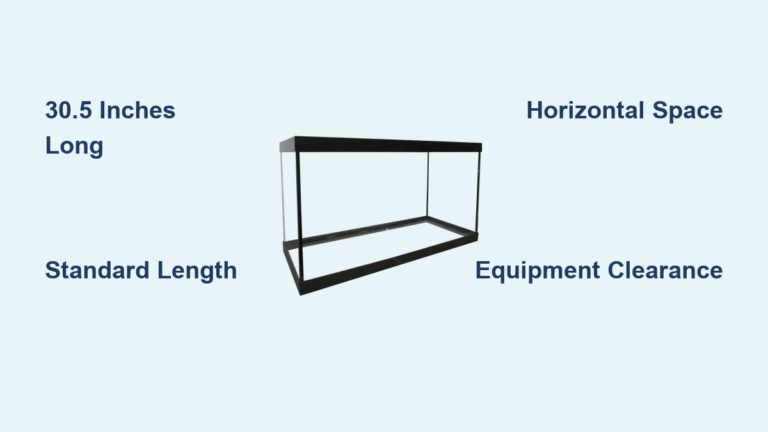
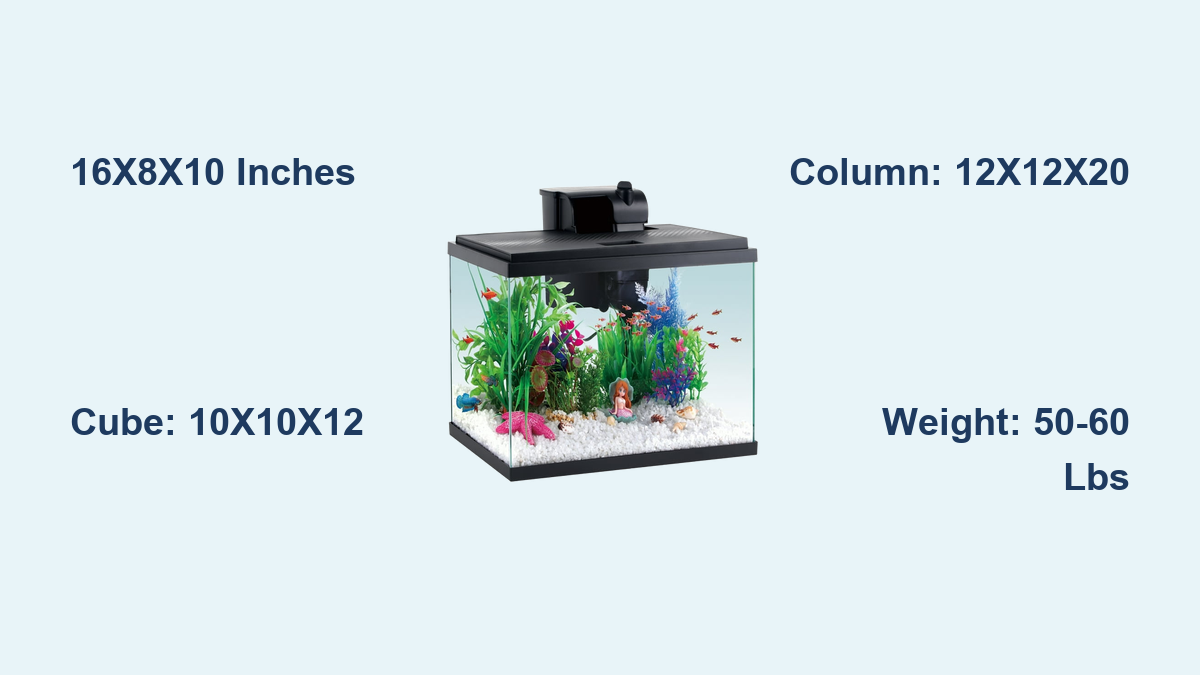
Most pet stores list tanks as “5 gallons” without clarifying that multiple dimension configurations exist for this capacity. The classic rectangular five gallon aquarium dimensions you’ll find at major retailers like Petco or Petsmart typically measure 16 inches long × 8 inches wide × 10 inches high (16″ L × 8″ W × 10″ H). This industry-standard size from brands like Aqueon and Tetra serves as the baseline for most beginner setups, offering the ideal balance of surface area for gas exchange and horizontal swimming space for bettas.
Premium rimless models present a slightly different footprint while maintaining the same capacity. The Lifegard Aquatics 5-gallon rimless aquarium, popular among aquascaping enthusiasts, measures 15.74 inches long × 7.87 inches wide × 9.84 inches high (40cm × 20cm × 25cm). Though nearly identical to the standard size, this metric-based dimension provides a cleaner, more modern aesthetic with its ultra-clear 5mm-thick glass and polished edges. The subtle difference becomes critical when measuring tight spaces—you’ll need that extra quarter-inch of clearance on all sides for proper installation.
How Glass Thickness Affects Interior Measurements
The 1/4-inch difference between standard and rimless tanks stems directly from construction methods. Traditional tanks use thicker glass (approximately 3/16 inch) with a plastic frame that adds rigidity but reduces internal space. Rimless tanks compensate with 5mm (nearly 1/4 inch) thick glass throughout, eliminating the frame while maintaining structural integrity. This means the Lifegard model has marginally more interior swimming space despite its slightly smaller external dimensions. When planning aquascapes or calculating fish capacity, always measure the interior dimensions rather than relying on listed external measurements.
Why Your Tank Holds Less Than 5 Gallons of Water
Don’t be surprised when your “5-gallon” tank only holds 4-4.5 gallons of actual water—this is completely normal. The discrepancy comes from several factors: the space occupied by substrate (typically 1-2 inches of gravel), decorations, equipment like filters and heaters, and the fact that you should never fill an aquarium to the absolute brim. For accurate stocking calculations, assume your tank contains approximately 80-90% of its advertised capacity. This reality check prevents dangerous overstocking situations that new aquarists frequently encounter.
Cube and Column Tank Dimensions for Space-Constrained Setups

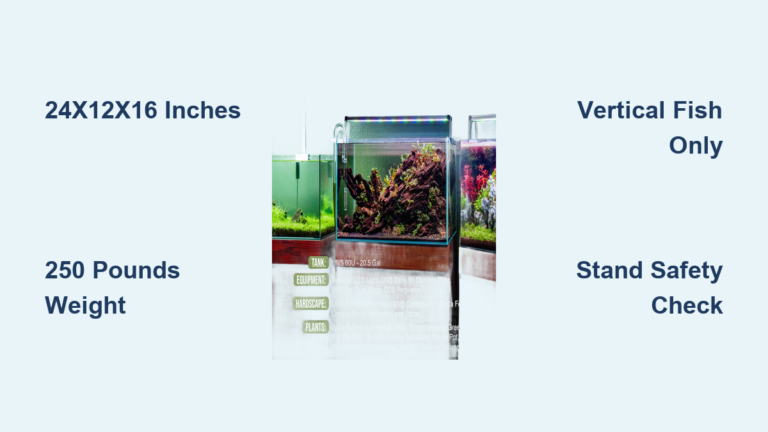
When counter or desk space is limited, alternative five gallon aquarium dimensions provide creative solutions that still deliver proper habitat conditions. Cube tanks offer a dramatically different footprint while maintaining the same water volume, measuring approximately 10 inches long × 10 inches wide × 12 inches high. This square configuration creates 100 square inches of surface area compared to the standard tank’s 128 square inches, requiring careful attention to oxygen levels for fish that need high surface agitation.
Why Cube Tanks Work Better for Shrimp Than Fish
The vertical orientation of cube tanks makes them ideal for shrimp colonies and planted aquascapes but less suitable for most fish. Cherry shrimp thrive in these environments because they naturally inhabit shallow, densely planted streams where vertical movement matters less than horizontal swimming space. If you’re considering a betta for a cube tank, remember that these labyrinth fish require adequate surface access—they’ll struggle in deep tanks without sufficient horizontal space to reach the surface comfortably. Always prioritize tanks with at least 12 inches of horizontal swimming space for bettas.
Column Tank Dimensions and Their Specialized Applications
For those with extremely limited floor space but vertical clearance, column tanks present a unique option with dimensions around 12 inches long × 12 inches wide × 20 inches high. These dramatic, narrow aquariums create stunning visual displays but come with significant husbandry challenges. The reduced surface area (only 144 square inches) limits oxygen exchange, making them unsuitable for most fish species. They work best as specialized habitats for species like African cichlids that prefer vertical territory or as planted tanks with strong surface agitation from air stones.
Exact Weight Measurements That Determine Your Tank Placement
:strip_icc()/SPR_1380694-aquarium-sizes-and-weights-1bf7f0fbbfd44d6caca00657f70a33d3.png)
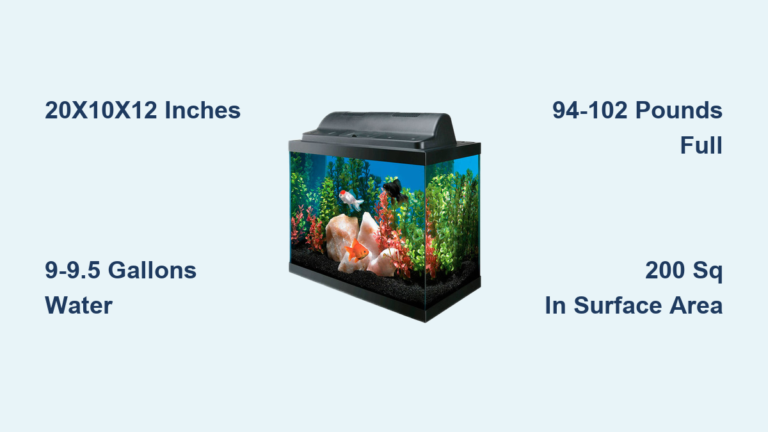
The most overlooked aspect of five gallon aquarium dimensions isn’t the size—it’s the weight. While the empty tank weighs only 8-12 pounds, that changes dramatically when filled. A complete setup with water, substrate, decorations, and equipment typically weighs 50-60 pounds, placing significant stress on your chosen surface. This weight concentrates in a small footprint, creating pressure points that can damage unsuitable furniture.
How to Verify Your Surface Can Handle the Load
Before placing any aquarium, perform this simple test: locate the exact center of your intended surface and press down firmly with both hands. If you feel any flexing, bouncing, or hear creaking, the surface cannot safely support your tank. Ideal stands include dedicated aquarium stands rated for 100+ pounds, solid wood furniture with cross-bracing, or built-in cabinetry. Avoid particle board, glass shelves, or flimsy metal furniture—these materials warp or fail under continuous load, potentially causing catastrophic tank failure.
Critical Leveling Steps Most Beginners Skip
A perfectly level surface isn’t just recommended—it’s essential for tank longevity. Uneven weight distribution creates stress points in the glass that can lead to leaks or complete failure months after setup. Place a spirit level on the empty tank in both directions before adding water. If adjustments are needed, use aquarium-safe foam leveling pads (never wood shims or folded paper) beneath the stand, not directly under the tank. For rimless tanks, which lack structural framing, even 1/16 inch of unevenness can cause failure—these require absolute precision during setup.
Choosing the Right Five Gallon Tank Based on Your Specific Needs
Your fish choice should dictate your tank dimensions, not the other way around. Standard rectangular tanks (16″×8″×10″) provide the best all-around habitat for most beginner species with their optimal surface-to-volume ratio. The extra horizontal space accommodates swimming fish like neon tetras (in small schools) while giving bettas ample room to explore without excessive water column depth.
When to Choose a Rimless Design Over Traditional Tanks
Rimless five gallon aquarium dimensions offer superior viewing but require specific considerations. The ultra-clear glass and invisible seams create gallery-quality displays perfect for showcasing intricate aquascapes, but eliminate the safety margin provided by traditional frames. If you have active fish that might jump (like certain danios), standard tanks with higher rim heights provide better security. Rimless tanks also demand more precise water level management—maintain at least 1 inch below the top edge to prevent splashes and escapes.
Equipment Compatibility by Tank Dimensions
Never assume standard equipment fits all five-gallon tanks. The standard 16-inch length accommodates most hang-on-back filters, but cube and column tanks often require internal sponge filters or custom solutions. Measure your intended filter against the tank’s narrowest dimension before purchasing—many beginners discover their filter overhangs the back or blocks essential surface area. Similarly, standard 5-inch heaters fit most rectangular tanks but may protrude awkwardly in cubes, creating dead zones in water circulation.
Space Planning Checklist Before Final Purchase
Measure your intended location with surgical precision before committing to a tank. Use a tape measure to record the exact available space in three dimensions, then subtract 2 inches from each measurement to allow for maintenance access and equipment clearance. Bring these numbers to the store and verify against the specific model’s dimensions—don’t rely on “5-gallon” labeling alone. Many frustrated aquarists discover too late that their “perfect” tank leaves no room for cords or cleaning tools.
Hidden Clearance Requirements You Must Account For
Most beginners forget to measure vertical clearance above the tank for lighting systems and maintenance access. Standard hoods require 6-8 inches overhead, while LED fixtures need 3-5 inches. If placing the tank against a wall, allow 3-4 inches behind for filter tubes and power cords. For corner placements, ensure at least 12 inches of unobstructed access on both sides for feeding and cleaning—cramped access leads to neglected maintenance and poor water quality.
The One Measurement That Prevents Disaster
Before finalizing your tank choice, calculate the exact footprint including all equipment. A standard 16″×8″ tank might require 18″×10″ of actual surface area when accounting for filter overhang and cord management. Place cardboard cutouts matching these dimensions in your intended location to visualize the complete setup. This simple step prevents the common scenario where the tank fits perfectly—but the necessary equipment creates an overcrowded, impractical arrangement.
Final Setup Tips for Long-Term Success
Your journey with five gallon aquarium dimensions doesn’t end with purchase—proper setup ensures years of enjoyment. Always place tanks away from direct sunlight and high-traffic areas to prevent temperature fluctuations and accidental bumps. For rimless models, use only silicone-based adhesives for any modifications—regular glue can cloud ultra-clear glass permanently. Most importantly, resist the temptation to rush through the nitrogen cycle; small volumes magnify water quality issues, making patience essential for healthy aquatic life.
When properly sized and positioned according to accurate dimensions, a five-gallon aquarium becomes a captivating centerpiece rather than a frustrating challenge. By understanding the subtle differences between standard, cube, column, and rimless configurations, you’ve gained the knowledge to select the perfect tank for your space and aquatic goals. Remember that precise measurements combined with weight awareness transform what seems like a simple purchase into a successful, sustainable aquatic ecosystem.