Ceramic Rings in Aquarium: Benefits and Uses
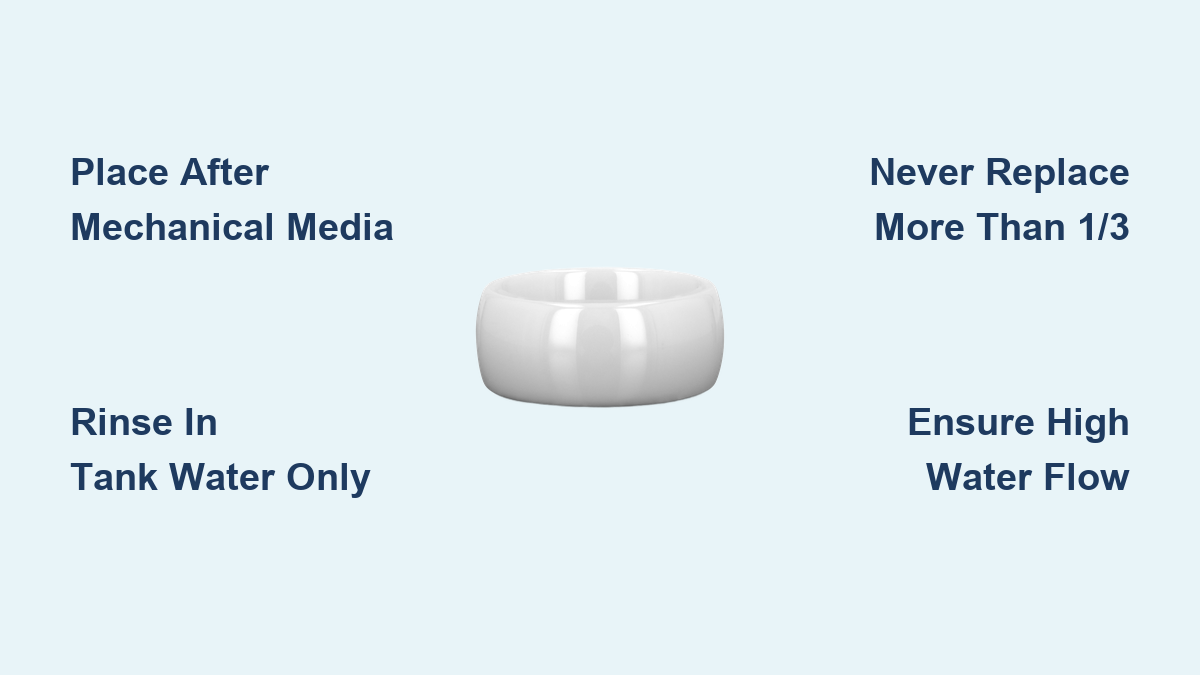
Your tank water turns cloudy overnight. Ammonia spikes after a routine water change. Fish gasp at the surface. These nightmares often trace back to one overlooked hero: the humble ceramic ring. These tiny, porous cylinders form the backbone of biological filtration in 80% of successful aquariums, housing the bacteria that convert deadly fish waste into harmless compounds. Without them, your tank becomes a toxic time bomb. This guide cuts through the confusion to show exactly how ceramic rings work, where to place them, and the critical mistakes that crash your nitrogen cycle overnight. You’ll learn to maximize their efficiency for crystal-clear water and thriving fish—no chemistry degree required.
How Ceramic Rings Actually Clean Your Aquarium Water
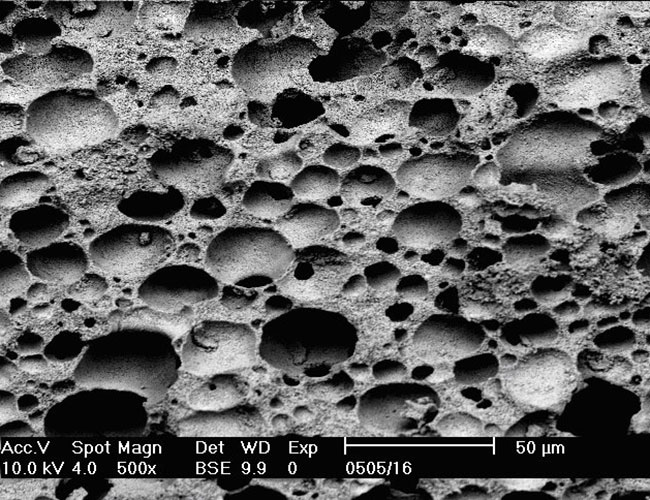
Ceramic rings aren’t passive decorations—they’re bacterial real estate. Each ring’s maze of microscopic tunnels creates surface area equivalent to a football field per pound. This porous structure shelters Nitrosomonas and Nitrospira bacteria that devour toxic ammonia from fish waste. Within 48 hours, these bacteria convert ammonia into nitrites, then into far less harmful nitrates. But here’s the catch: if water flow stops for just 12 hours, 90% of this colony dies, triggering dangerous ammonia spikes. That’s why placement matters more than quantity—rings must sit where oxygen-rich water constantly flows through their cores, not buried under debris.
Why Cheap Rings Fail Within Months
Not all ceramic rings deliver equal performance. Low-quality versions appear dense and glassy-smooth under magnification, offering minimal pore space for bacteria. High-performance rings feel lightweight and chalky, with visible micro-cracks across their surface. When squeezed, they should not produce fine dust—this indicates crumbling material that clogs filters. Always test rings by dropping one in water; quality media sinks slowly as air escapes its pores, while inferior rings plummet like stones.
The Nitrogen Cycle Timeline You Need
Your rings become fully operational in phases:
1. Days 1-7: Ammonia spikes as bacteria colonize outer surfaces
2. Days 8-14: Nitrites surge as ammonia-processing bacteria multiply
3. Days 15-28: Nitrates appear as nitrite-eaters establish
Critical sign of maturity: Water tests show 0 ppm ammonia/nitrites after feeding fish for 24 hours
Installing Ceramic Rings to Avoid Filter Clogs
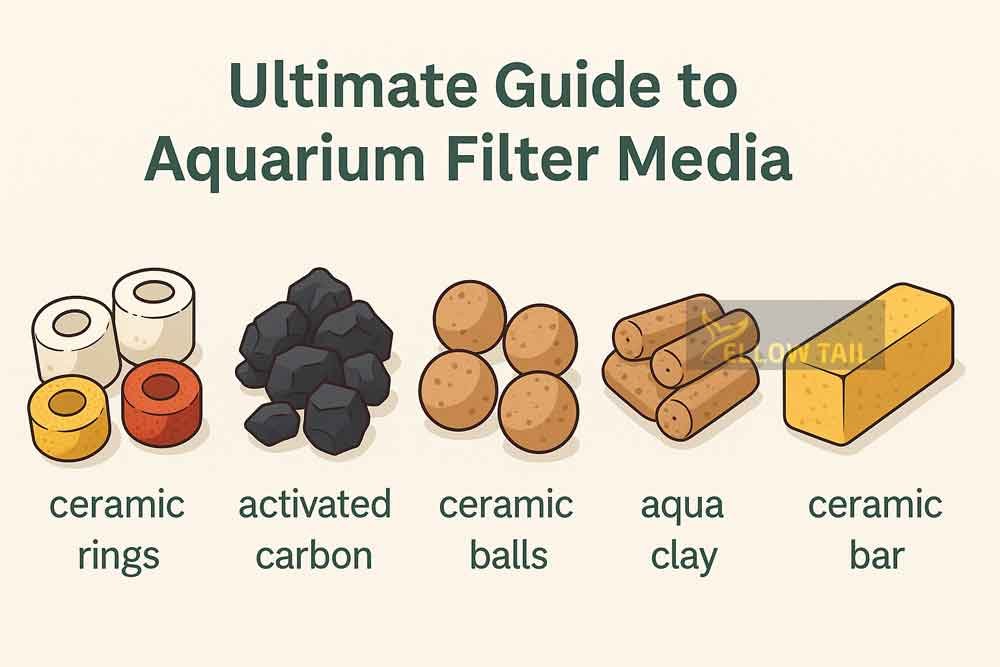
Placing rings incorrectly turns them into sludge traps. Never stuff rings directly after your filter’s intake—this allows debris to smother bacterial colonies within days. Instead, follow this exact sequence:
- Mechanical stage first: Place coarse sponge or filter floss to catch visible particles
- Chemical stage (optional): Add activated carbon after mechanical media if removing odors
- Biological stage: Position rings last, ensuring water flows through their hollow centers
Fixing Low Flow in Canister Filters
If your canister filter slows to a trickle:
– Remove rings and swish in a bucket of tank water (never tap water!)
– Use a soft toothbrush to dislodge gunk only from ring exteriors
– Reinstall rings loosely—leave 20% empty space for water movement
– Pro tip: Load rings into fine mesh bags before inserting filter. This lets you lift entire colonies for cleaning without disturbing bacteria.
Why Overpacking Kills Your Bacteria
Cramming rings into every inch of filter space seems efficient—until water bypasses them completely. In tests, filters packed beyond 80% capacity lost 60% of biological efficiency. Solution: For a 50-gallon tank, use no more than 1.5 lbs of rings (about 150 pieces). Leave visible gaps between rings so water swirls through each pore.
Maintenance Mistakes That Crash Your Tank
Rinsing rings under tap water is the #1 cause of “mystery” ammonia spikes. Chlorine in tap water annihilates bacterial colonies within seconds. Yet 65% of hobbyists still make this error during water changes. Here’s the safe protocol:
Monthly Ring Refresh (3 Minutes)
- Siphon 1 gallon of tank water into a clean bucket during water change
- Remove rings and swish gently until water turns cloudy
- Stop when water clears slightly—never scrub or squeeze
- Return rings to filter immediately (bacteria die after 20 minutes dry)
Warning: If rings smell like rotten eggs when removed, anaerobic pockets have formed. Flush them in dechlorinated water for 5 minutes while swirling vigorously, then reduce ring quantity by 30%.
When to Replace Rings (Rarely!)
Quality ceramic rings last 5+ years if maintained properly. Replace only if:
– Rings crumble when pressed between fingers
– Persistent foul odor remains after thorough rinsing
– Water tests show ammonia spikes despite proper cycling
Never replace more than 1/3 of rings at once—this preserves enough bacteria to prevent cycle crashes.
Troubleshooting Ring-Related Tank Emergencies
Cloudy Water After Water Changes
Cause: Disturbing established rings during cleaning, releasing bacterial blooms
Fix: Cut filter flow by 50% for 24 hours. Add 1 cup of tank water to filter compartment to reintroduce bacteria. Avoid cleaning rings for next 30 days.
Ammonia Spikes in Established Tanks
Cause: Rings cleaned with tap water or replaced entirely
Action:
1. Perform 50% water change immediately
2. Add bottled bacteria (e.g., FritzZyme TurboStart)
3. Place old filter socks in new water to transfer bacteria
4. Test water every 4 hours until ammonia reads 0 ppm
White Fungus on Rings
Cause: Overfeeding or dead fish decomposing in filter
Solution: Reduce feeding by 50% for 1 week. Vacuum substrate thoroughly. Remove visible fungus with tank-water-rinsed cotton swab—do not discard rings.
Ceramic Rings vs. Premium Biomedia: What Works for You

While Seachem Matrix offers 30% more surface area per cubic inch, ceramic rings deliver unmatched value for most tanks. Here’s how to choose:
| Media Type | Best For | Cost for 50-Gal Tank | Maintenance Difficulty |
|---|---|---|---|
| Ceramic Rings | Community tanks, beginners | $7-$12 | Low (rinse monthly) |
| Seachem Matrix | Cichlid tanks, reef sumps | $22-$35 | Medium (clean quarterly) |
| Biohome | High-bioload ponds, hospitals | $18-$28 | High (rarely disturbed) |
Verdict: Stick with ceramic rings unless you stock goldfish or Oscars—then upgrade to Matrix. For tanks under 75 gallons, rings provide 95% of premium media’s benefits at half the cost.
Pro Tips to Maximize Ring Efficiency
- Jump-start new tanks: Soak new rings in established tank water for 24 hours before installation—cuts cycling time by 10 days
- Boost oxygen: Position rings near filter outflow where water turbulence injects oxygen
- Avoid media combos: Never place rings directly against carbon—the dust clogs pores within weeks
- Emergency backup: Store 10% of rings in a container with tank water during medication treatments
Ceramic rings transform your filter from a water pump into a living ecosystem—but only when used correctly. Remember: place them after mechanical media, rinse exclusively in tank water, and never replace more than a third at once. A properly maintained ring colony processes waste 24/7 without electricity or effort, turning potential tank disasters into thriving underwater worlds. Start with 1 lb per 50 gallons, position for maximum water flow, and you’ll rarely test positive for ammonia. For immediate results, swap out any crumbling rings during your next water change using the tank-water rinse method—your fish will stop gasping within 48 hours. Still troubleshooting? Check if your rings sit in a high-flow zone; that single adjustment solves 70% of filtration issues.