Aquarium Salt for Swim Bladder Disease: Quick Fix
Your goldfish spiraling uncontrollably at the tank surface or your betta stuck motionless on the gravel—these heartbreaking scenes signal swim bladder disease. This common condition disrupts buoyancy control, leaving fish unable to swim normally or access food. While aquarium salt swim bladder disease treatment isn’t a universal cure, it’s a critical first-aid tool when applied correctly. This guide reveals exactly how to use salt as part of a targeted treatment plan, including precise dosages, species-specific precautions, and complementary techniques to restore your fish’s balance within 72 hours.
Why Your Fish Floats Upside Down: Swim Bladder Disease Explained
Swim bladder disease isn’t a single illness but a symptom of underlying issues compromising the gas-filled organ that controls buoyancy. Fish with this condition exhibit unmistakable signs: floating vertically at the surface like a bobber, sinking heavily to the bottom, or swimming sideways with extreme effort. You’ll often notice a swollen belly, refusal to eat, and lethargic movements as they fight to maintain position.
Constipation vs. Infection: Pinpointing the Real Cause
Identifying the root cause determines whether aquarium salt swim bladder disease treatment will succeed. In 80% of cases, overfeeding dry pellets causes constipation that presses on the swim bladder—look for infrequent, pale, or absent feces. Bacterial infections show as red streaks on the body or fins alongside buoyancy loss, while physical trauma (like tank decor collisions) causes sudden onset. Genetic issues are rare but permanent in breeds like fancy goldfish.
Look for These 4 Critical Swim Bladder Symptoms
Your fish needs immediate intervention if you see:
– Vertical floating with head pointed down (classic sign of constipation)
– Bottom-sitting with labored breathing (indicates severe buoyancy failure)
– Lopsided swimming requiring constant fin adjustment
– Complete loss of appetite for over 24 hours
Ignoring these signs risks starvation or secondary infections. Within 48 hours, poor water quality from uneaten food compounds the crisis—test ammonia levels immediately if you spot these symptoms.
How Aquarium Salt Fixes Swim Bladder Buoyancy Problems
Aquarium salt (pure sodium chloride) aids swim bladder recovery by reducing osmotic stress. When dissolved in water, it creates a mild hypertonic environment that eases the energy fish expend maintaining internal salt balance. This redirects energy toward healing the swim bladder while reducing inflammation and preventing secondary infections. Crucially, salt only supports recovery—it won’t cure bacterial causes alone.
Salt Dosage Guide: Safe Levels for Different Fish Species

Never guess your salt dosage—use this species-specific chart based on 5-gallon hospital tanks:
| Fish Type | Safe Salt Level | Treatment Method | Danger Signs |
|---|---|---|---|
| Goldfish/Koi | 1 tsp full tank | Daily 50% water changes | Clamped fins |
| Livebearers | 1 tsp full tank | 0.1% long-term | Rapid gilling |
| Tetras/Barbs | Half dose (½ tsp) | Short 10-min baths only | Shaking at surface |
| Scaleless Fish | ZERO TOLERANCE | ❌ Avoid completely | Milky gill coating |
For full-tank treatment in a 5-gallon hospital setup: Dissolve 1 teaspoon of non-iodized aquarium salt in a cup of tank water, then add slowly over 10 minutes. Never dump salt directly onto fish. For salt baths (ideal for tetras), mix 1 tbsp per gallon in a separate container—limit exposure to 5-10 minutes while watching for gasping.
Why Salt Fails for Scaleless Fish: Critical Mistake to Avoid
Adding salt to tanks with Corydoras catfish, plecos, or loaches is catastrophic. These scaleless species absorb salt directly through their skin, causing severe gill damage and osmotic shock within hours. If your affected fish shares a tank with sensitive species, immediately move it to a hospital tank before dosing. One teaspoon of salt in a 10-gallon community tank can kill Corydoras overnight—always treat sick fish in isolation.
5-Step Aquarium Salt Treatment for Swim Bladder Disease
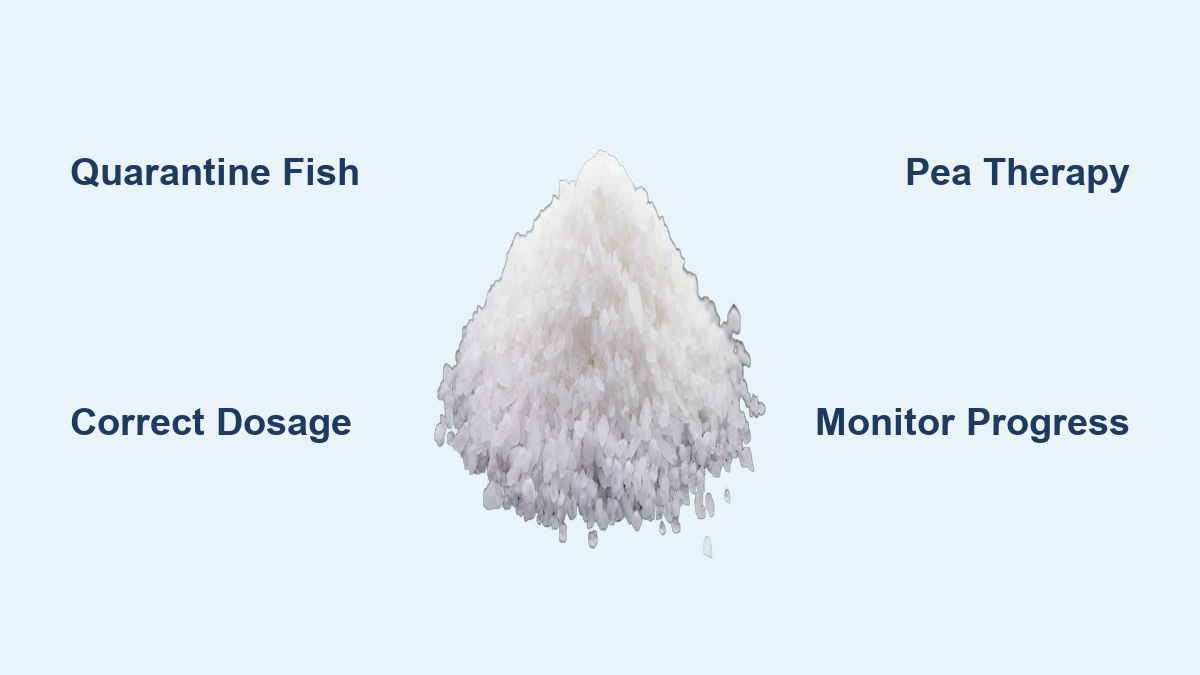
Step 1: Quarantine in a Bare-Bottom Hospital Tank Within 1 Hour
Transfer your fish to a 5-gallon hospital tank within 60 minutes of spotting symptoms. Use a clean plastic container with heater (78-80°F), sponge filter, and no substrate. Bare bottoms prevent waste buildup and let you monitor feces—critical for diagnosing constipation. Never treat in your main display tank; salt destroys plants and nitrifying bacteria, risking ammonia spikes.
Step 2: Calculate Your Exact Salt Dosage for Fast Results
For most salt-tolerant fish (goldfish, livebearers), use 1 teaspoon aquarium salt per 5 gallons in the hospital tank. If constipation is suspected (vertical floating), add 1 teaspoon Epsom salt per 5 gallons—but never mix Epsom and aquarium salt. For salt baths targeting parasites: Dissolve 1 tbsp aquarium salt per gallon of dechlorinated water. Immerse fish for exactly 8 minutes while counting—any longer risks gill damage.
Step 3: Apply Salt Bath vs. Full Tank Treatment Correctly
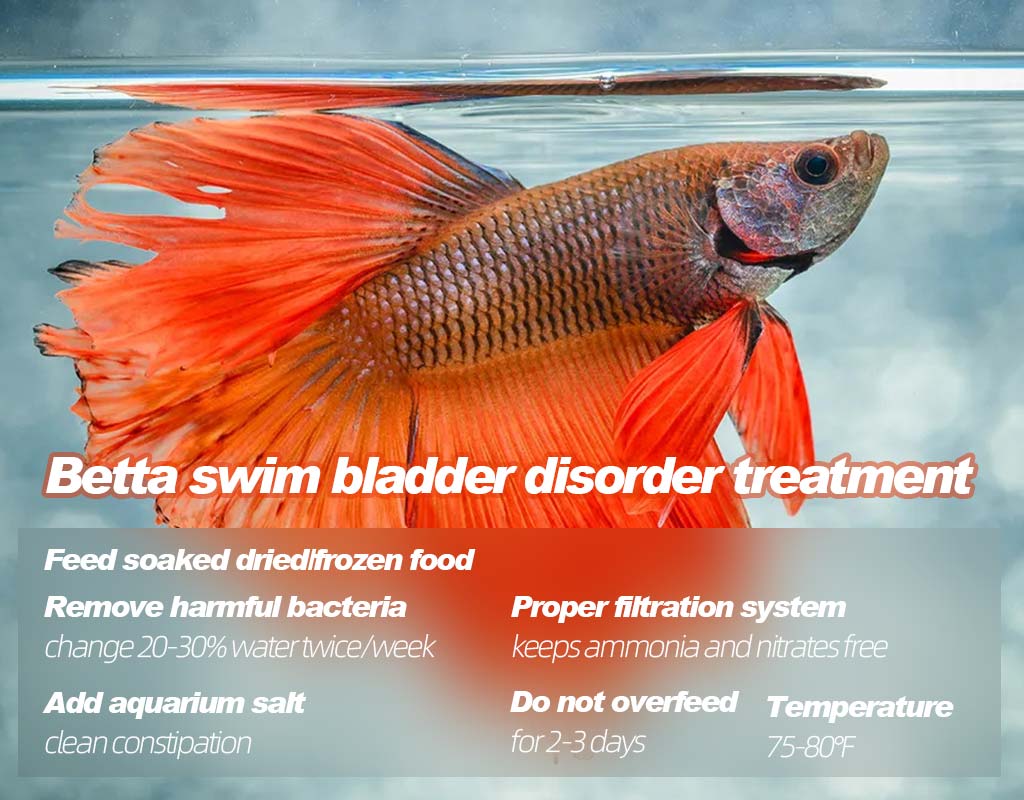
For bacterial infections: Maintain 0.1% salt concentration (1 tsp/5 gal) in the hospital tank for 5 days. Perform 50% water changes daily with pre-salted new water. For constipation: Skip full-tank salt—instead, fast fish for 24 hours, then feed one skinned, cooked pea. Follow with a 15-minute Epsom salt bath (1 tsp/gal). Pro tip: Lower the hospital tank water level by 50%—this reduces swimming effort so fish conserve energy for healing.
Step 4: Combine with Pea Therapy for Constipation Relief
When constipation causes swim bladder issues (most common in fancy goldfish), salt alone won’t fix it. After 24-hour fasting, feed one deshelled pea mashed into pea-sized portions. For carnivores like bettas, substitute daphnia. Soak all dry food for 5 minutes before feeding to prevent air ingestion—the #1 cause of buoyancy problems. Warning: Overfeeding peas causes more constipation—use only once.
Step 5: Monitor and Adjust Over 72 Critical Hours
Track progress hourly using this recovery checklist:
– ✅ Hour 12: Fish attempts to swim horizontally
– ✅ Hour 24: Takes small food portions
– ✅ Hour 48: Sustained mid-water swimming
– ✅ Hour 72: Normal buoyancy restored
If no improvement by Hour 48, add Kanamycin antibiotic (for suspected bacterial causes) but never combine with salt in the same tank. Test water daily—ammonia must stay at 0 ppm during treatment.
Prevent Swim Bladder Disease: 3 Daily Habits That Work
Soak Dry Food to Stop Air Swallowing Before Feeding
Floating pellets trap air in fish digestive tracts, directly causing buoyancy loss. Soak all dry food for 5 minutes in tank water before feeding—this simple step prevents 90% of constipation cases. For surface-feeding fish, switch to sinking pellets immediately. Feed only what fish consume in 2 minutes, twice daily.
Weekly Water Changes That Actually Prevent Buoyancy Issues
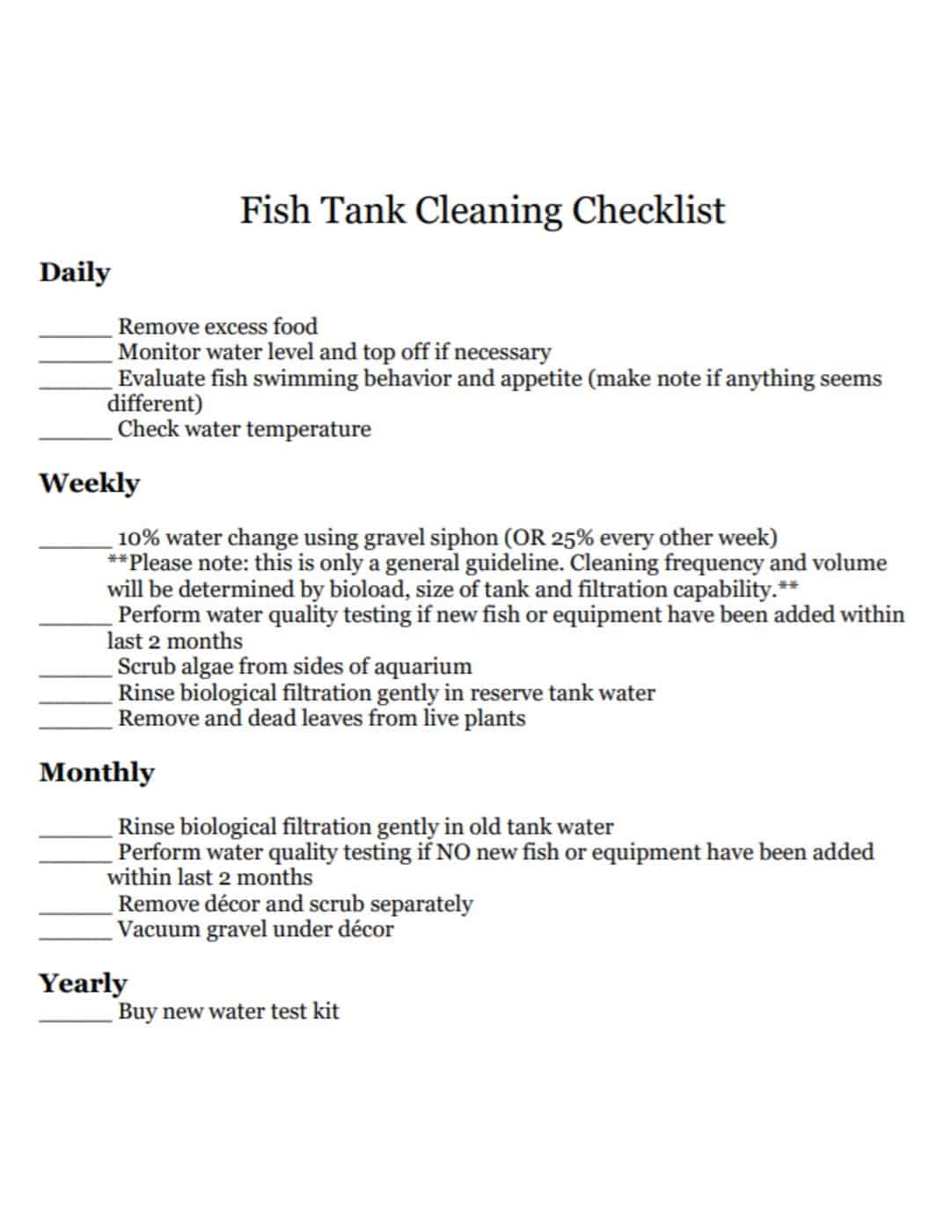
Poor water quality stresses fish, weakening swim bladder function. Perform 30% water changes weekly using a gravel vacuum to remove uneaten food. Test nitrate levels monthly—keep below 20 ppm for sensitive species. Critical: Always match temperature and pH of new water to avoid shock that triggers swim bladder episodes.
The 2-Minute Daily Fish Behavior Check
Spot problems early with this rapid scan:
1. Watch feeding time—do all fish reach food?
2. Check for unusual floating or sinking
3. Note feces color/consistency (white = constipation)
Catching issues within 24 hours makes aquarium salt swim bladder disease treatment 70% more effective. Keep a treatment log noting symptoms and responses—this data saves fish during future outbreaks.
When to Call a Fish Vet: 5 Critical Signs Your Fish Needs Professional Help
Stop home treatment immediately if your fish shows:
– Complete inability to right itself after 72 hours of salt therapy
– Ulcers or fin rot developing alongside buoyancy issues
– Zero movement for over 12 hours
– No improvement after combining salt, fasting, and pea therapy
– Gasping at surface despite pristine water quality
These indicate severe infection or permanent damage requiring veterinary antibiotics or diagnostics. A fish vet can prescribe targeted treatments like Metronidazole for internal parasites—something salt alone can’t address. Never delay if your fish can’t reach food; starvation occurs within 3 days.
Aquarium salt is a powerful ally against swim bladder disease when used precisely—but it’s just one tool. Success hinges on diagnosing the root cause, dosing correctly for your species, and combining salt with dietary fixes. For constipation cases, 72-hour recovery is typical with pea therapy and fasting; bacterial infections require antibiotics alongside salt. Always quarantine new fish for 4 weeks to prevent outbreaks. By mastering these protocols, you’ll transform from panicked observer to confident fish healer—ready to fix buoyancy crises before they become fatal. Remember: pristine water quality and species-appropriate feeding prevent 95% of swim bladder issues before they start.