Best Aquarium Light Ideas for Fish Tank (2026 Guide)
A flickering, dull aquarium fails to showcase your vibrant fish and lush plants, turning what should be a living masterpiece into a murky disappointment. The right lighting setup does far more than illuminate—it regulates your fish’s biological rhythms, fuels plant photosynthesis, and creates mesmerizing visual depth that draws viewers into your underwater ecosystem. Without proper illumination, even the healthiest tank can appear flat and lifeless, while strategic lighting choices make colors pop and behaviors shine. You’ll discover how to move beyond basic overhead fixtures to create dynamic, biologically supportive displays that turn your fish tank into the stunning focal point it deserves to be.
LED vs Fluorescent: Pick the Perfect Light System for Your Fish Tank
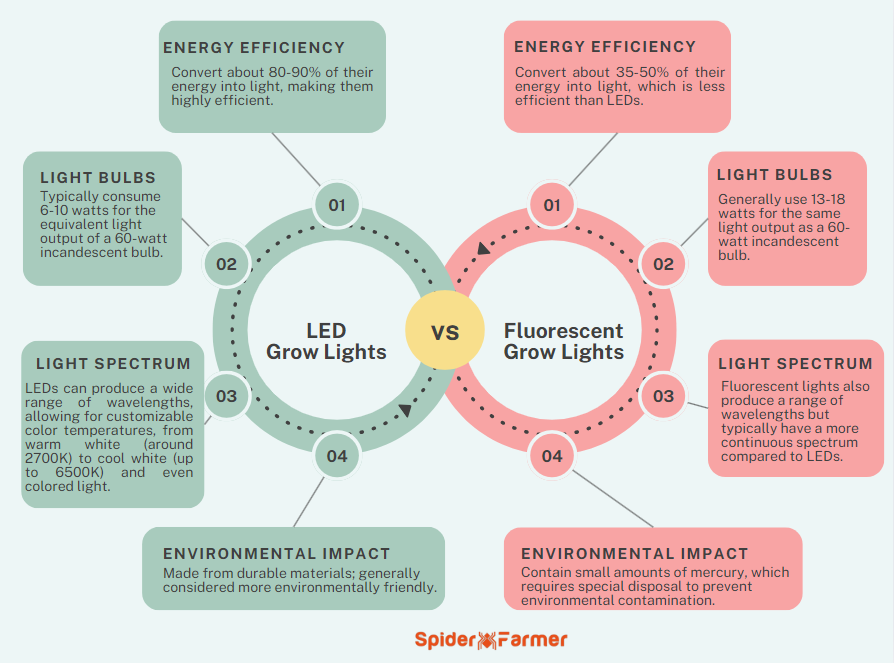
Modern LED systems have revolutionized aquarium lighting with their precision and efficiency. Unlike older fluorescent options, high-quality LEDs deliver targeted PAR (Photosynthetic Active Radiation) exactly where your plants need it—reaching the substrate at 50-100+ µmol/m²/s for demanding carpeting plants like Dwarf Baby Tears. Their programmable controllers mimic natural light cycles with smooth transitions from cool blue dawn (4000K) to bright midday (6500K) and warm sunset hues, reducing fish stress while preventing algae outbreaks. Crucially, LEDs generate 80% less heat than fluorescents, eliminating dangerous temperature spikes that can suffocate tropical species.
When Fluorescent Still Wins for Budget-Conscious Aquarists
While LEDs dominate new setups, T5 High-Output fluorescent systems remain viable for specific scenarios. If you maintain a low-tech planted tank with Anubias or Java Fern requiring only 15-25 µmol/m²/s PAR, a full-spectrum T5 fixture (CRI >90) provides adequate growth at half the initial cost of premium LEDs. Look for 5000K-7000K bulbs to enhance fish coloration without promoting excessive algae. However, note that fluorescents lose 10-20% output monthly as phosphors degrade—requiring bulb replacements every 9-12 months versus LEDs’ 50,000-hour lifespan. Always pair fluorescents with quality reflectors to direct light downward, as their 180-degree dispersion wastes energy illuminating your ceiling.
Backlighting Secrets: Create Depth in Freshwater and Reef Tanks
Transform flat-looking tanks into dimensional underwater landscapes with strategic backlighting. Install waterproof RGB LED strips (IP67 rated) directly behind your aquarium’s backdrop to cast a soft glow that silhouettes driftwood and rock formations. This technique works especially well in blackwater biotope tanks where tannin-stained water creates natural contrast. For reef setups, position blue-dominant LEDs (420nm) behind the tank to make fluorescent corals “pop” with electric neon hues during evening viewing sessions. Never use standard household strips—marine environments require fully potted LEDs with marine-grade epoxy sealing to prevent salt creep corrosion.
Avoiding Common Backlighting Mistakes
Many hobbyists ruin the effect by using overly bright or warm-toned backlighting. Stick to 10-15% intensity of your main lights to maintain proper day/night cycles. Avoid white or yellow hues which disrupt nocturnal fish behaviors—opt for cool blue (10,000K) or true moonlight (470nm) settings instead. Always mount strips at least 2 inches behind the tank to prevent hotspots, and use a separate timer channel to ensure backlighting turns off completely during true nighttime hours for fish health.
Submersible Accent Lights: Spotlight Hidden Tank Features
Reveal the magic in your tank’s micro-environments with targeted submersible lighting. Waterproof LED pucks (IP68 rated) placed behind rock crevices create dramatic shadow play that highlights shy species like Corydoras catfish. For planted tanks, position narrow-beam LEDs under dense plant canopies to illuminate fish swimming through “sunbeams,” mimicking natural forest stream conditions. In reef tanks, embed tiny 0.5W blue LEDs within coral branches to showcase intricate polyp extensions invisible under standard top lighting.
Installation Safety Checklist
Submersible lights demand rigorous safety protocols: Always plug into a GFCI-protected outlet within 3 feet of the tank. Verify IP68 rating for continuous submersion—IP67 lights risk failure after 30 minutes underwater. Never run cords through tank lids; instead, use drip loops where cords descend before rising to outlets. Test lights outside water for 24 hours pre-installation to catch manufacturing defects. Replace O-rings annually as silicone degrades, and immediately discard any unit showing condensation inside the lens.
Program Natural Cycles: Sunrises, Storms, and Moonlight Effects
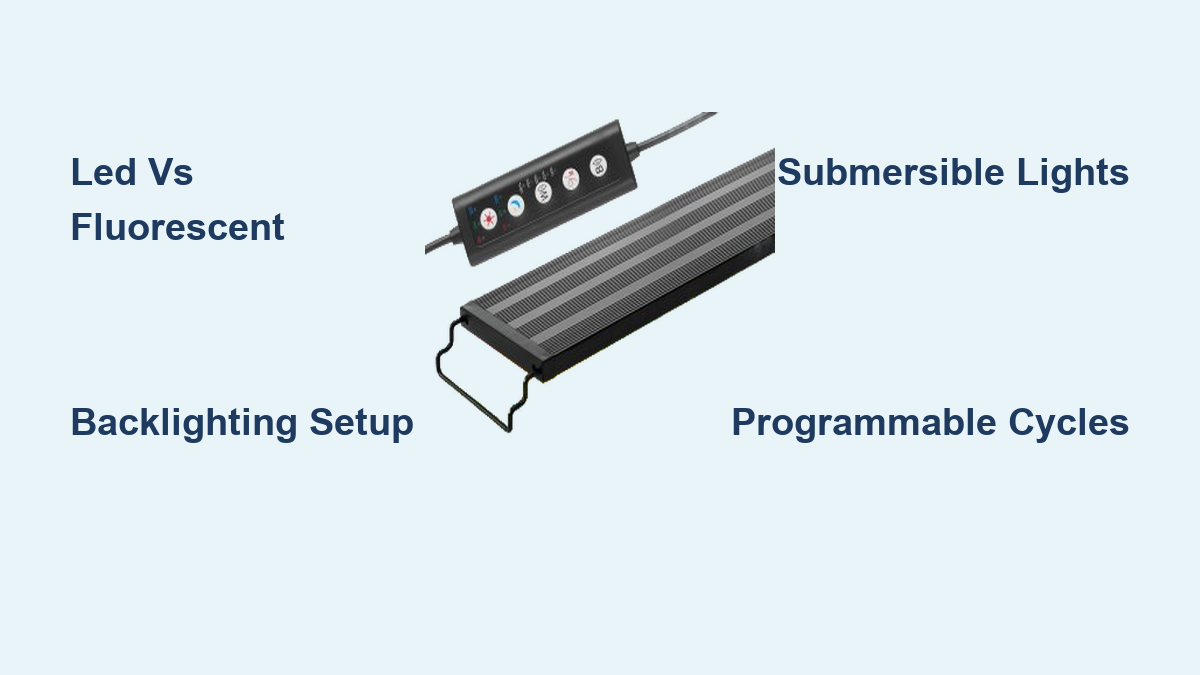
Modern controllers turn lighting into storytelling with programmable weather simulations. Start with a 45-minute “dawn” phase using only blue LEDs at 10% intensity to gently wake fish without startling them. During peak daylight, blend white and red spectrums (600-700nm) to boost chlorophyll production in stem plants. For dramatic effect, schedule 2-3 minute “cloud cover” events every hour where lights dim to 30%—this mimics natural conditions and reduces algae growth by preventing constant maximum intensity. End with a 60-minute “sunset” transitioning from warm white to pure blue moonlight.
Fish Behavior Enhancements
Specific species respond to tailored lighting sequences: Cichlids show intensified breeding colors under 12-hour cycles with 30-minute ramp periods. Tetras become more active during simulated “rainy season” sequences where lights pulse gently at 80% intensity for 20 minutes. For nocturnal species like kuhli loaches, maintain 0.1% moonlight intensity (using 470nm LEDs) all night—complete darkness stresses these fish. Always avoid sudden on/off transitions; even “thunderstorm” effects should include 5-minute dimming periods before and after.
Low-Light vs High-Light Plants: Fix Growth Problems with Correct PAR
Misjudging light intensity causes 70% of planted tank failures—either stunted growth or rampant algae. Low-light champions like Anubias need only 15-25 µmol/m²/s PAR, achievable with basic LED strips at 0.5W/gallon. But if you attempt dwarf hairgrass carpeting without 50+ µmol/m²/s at substrate level, you’ll get patchy growth and BBA algae. Use a PAR meter to verify actual output—many cheap LEDs overstate capabilities. Position high-light plants directly under fixture centers where intensity peaks, and rotate low-light species to shadowed edges monthly.
Quick PAR Assessment Hack
Without a meter, observe plant responses: If Amazon Swords develop elongated, pale leaves (“etching”), they need more blue spectrum (400-500nm). When stem plants like Rotala grow vertically but won’t bush out, add red spectrum (600-700nm) during midday hours. Immediate algae on slow-growers signals excessive light—reduce photoperiod before lowering intensity.
Prevent Algae: Balance CO2 and Light in Planted Fish Tanks
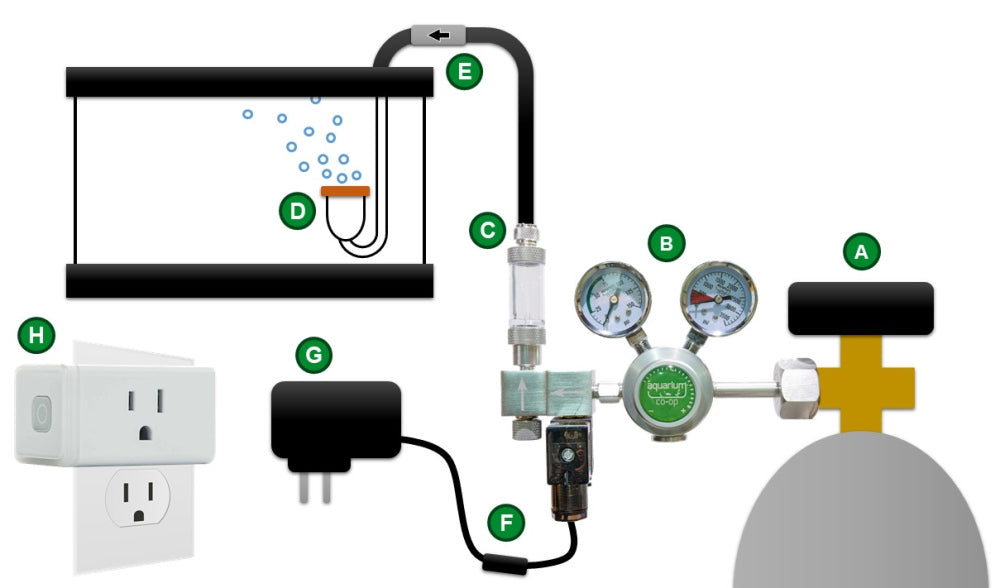
High-light tanks demand precise CO2 management—this critical balance makes or breaks success. At 60+ µmol/m²/s PAR, inject 20-30ppm CO2 during peak lighting hours while maintaining iron-rich fertilization. Without supplemental CO2, high-light setups trigger explosive algae growth as plants can’t utilize available light. Conversely, low-light tanks (under 25 µmol/m²/s) with no CO2 injection actually benefit from reduced photoperiods (6-8 hours) to prevent diatom blooms. Always match your lighting schedule to CO2 injection—start CO2 30 minutes before lights-on and stop 60 minutes before lights-off.
Emergency Algae Protocol
If green water or hair algae appears: Immediately cut photoperiod to 4 hours for 3 days while adding fast-growing stem plants like hornwort. Never reduce light intensity alone—this stresses plants further. Once algae subsides, gradually increase to target photoperiod over 2 weeks while testing CO2 levels daily.
Reef Tank Lighting: What Corals Need for Vibrant Colors

SPS corals demand intense 250-500 PAR output—typically requiring 150W+ LED fixtures for a 24-inch tank. But intensity alone isn’t enough; spectral composition makes colors “pop.” Include 410nm UV spikes in your program to activate fluorescent proteins in Acropora, and maintain 14,000K+ color temperature for crisp blue hues. Crucially, program lunar cycles that mirror actual moon phases—corals spawn based on moonlight intensity. During full moons, run blue LEDs at 5% intensity all night; during new moons, maintain complete darkness.
Avoiding Coral Bleaching Traps
New reef keepers often cause bleaching by ramping intensity too fast. Acclimate corals by starting at 50% intensity for week one, adding 10% weekly. Always measure PAR at coral placement depth—not just surface readings. If polyps remain retracted during peak light, reduce intensity by 20% immediately. Never run UV channels above 5% intensity without gradual acclimation.
Safety First: Avoid Electrical Hazards with Proper Installation
One overlooked safety step causes 90% of aquarium electrical incidents: failing to use GFCI protection within 6 feet of water sources. Install a dedicated GFCI outlet (not just a power strip) and test it monthly. For ceiling-mounted fixtures, calculate safe working loads—use 2x the fixture weight for mounting hardware. When routing cords, create drip loops below outlet level so moisture runs away from sockets. Never daisy-chain power strips; plug all equipment directly into a single marine-rated surge protector with 2,000+ joule rating.
Emergency Preparedness Checklist
Include these non-negotiables in your setup: Battery backup for controllers (30+ minutes runtime), IP65-rated fixtures above open-top tanks, and clearly labeled emergency shutoff switches within arm’s reach of the tank. During maintenance, always disconnect power at the source—not just via controller apps. Keep a fire extinguisher rated for electrical fires (Class C) within 10 feet of the tank.
Transforming your fish tank through strategic lighting goes beyond aesthetics—it creates a biologically supportive environment where fish thrive and plants flourish. By implementing these specific techniques, you’ll prevent common pitfalls like algae explosions and electrical hazards while unlocking stunning visual depth. Remember to prioritize safety with GFCI protection and proper IP ratings before pursuing dramatic effects. For your next upgrade, consider adding programmable moonlight cycles to observe nocturnal behaviors you’ve never seen before—your fish will reward you with healthier, more vibrant displays night and day.