Aquarium Fish Swim Bladder Disease: Causes & Treatment
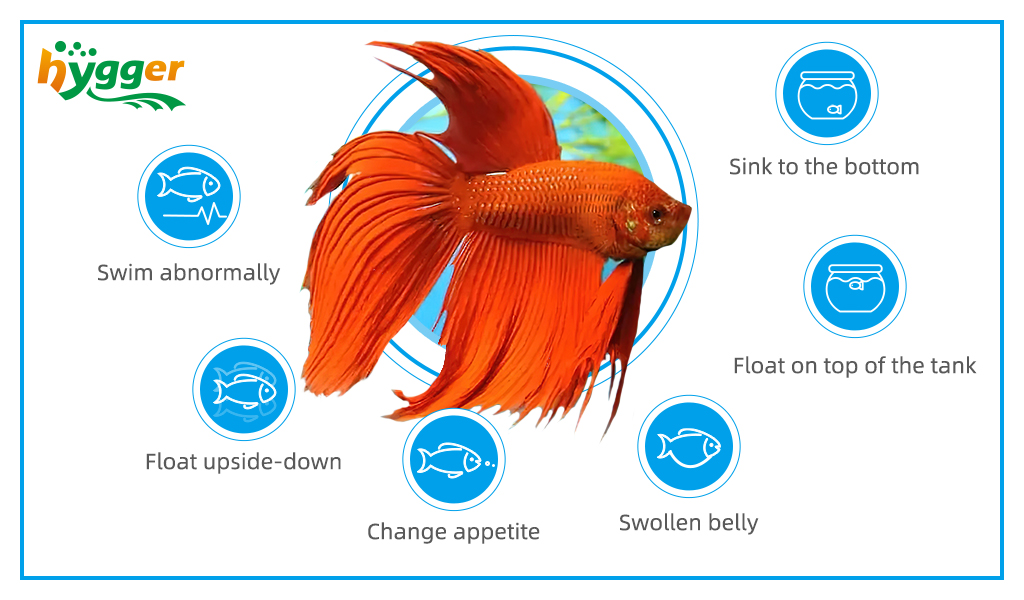
Your prized goldfish floats helplessly at the surface, struggling to dive for food. Your betta rests awkwardly at a 45-degree angle, unable to right itself. These distressing scenes signal aquarium fish swim bladder disease, a common condition that disrupts your fish’s ability to control buoyancy. This disorder affects fancy goldfish, bettas, and other deep-bodied species most frequently, causing them to float uncontrollably, sink to the bottom, or swim sideways. Left untreated, swim bladder disease can lead to starvation, stress-related illnesses, or even death. The good news is that with prompt identification and proper treatment—often starting with simple dietary adjustments—most cases can be resolved within days. This guide delivers the exact steps professional aquarists use to diagnose and treat swim bladder issues, from immediate emergency care to long-term prevention strategies.
Why Your Goldfish Floats Like a Cork: Immediate Diagnostic Steps
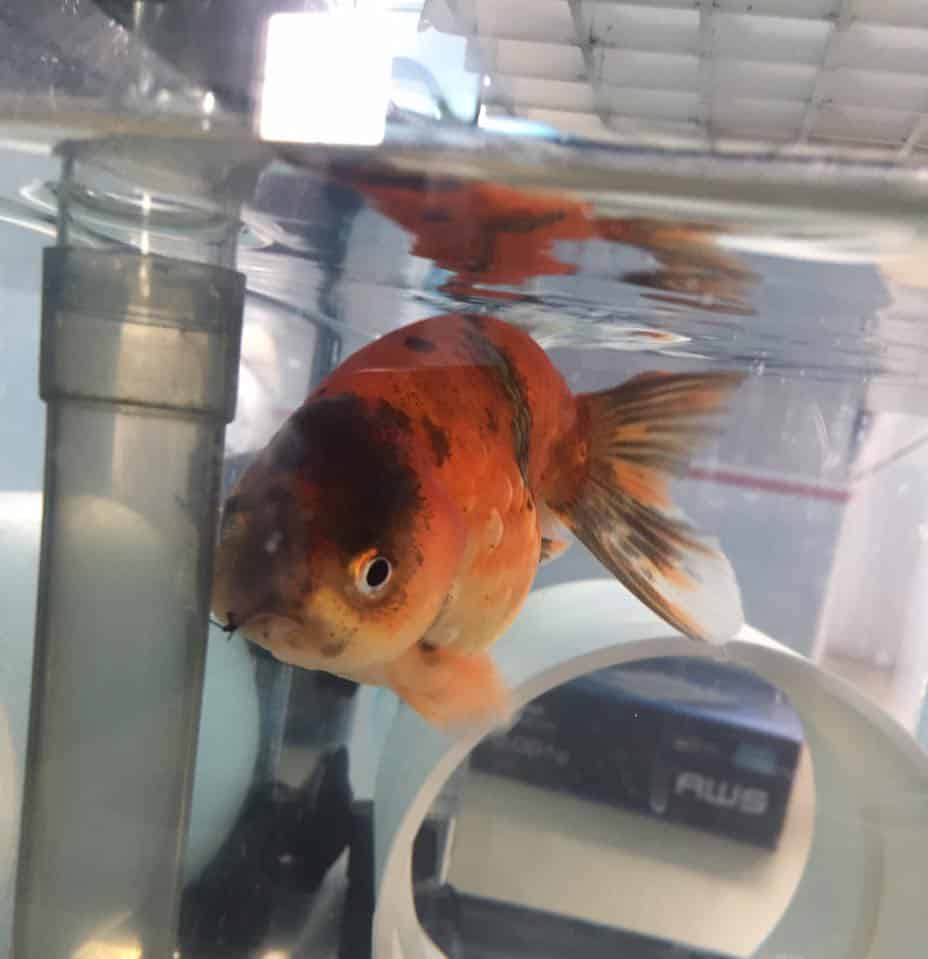
When you notice unusual swimming behavior, act fast—early intervention dramatically improves recovery chances. Your fish may struggle to maintain depth, float vertically at the surface, sink to the bottom, or swim in circles. Begin by checking for water quality issues: test ammonia, nitrite, and nitrate levels immediately since poor water conditions often trigger or worsen aquarium fish swim bladder disease. Elevated ammonia or nitrite stresses fish, making recovery impossible regardless of other treatments.
How to Determine if Constipation or Infection Caused the Problem
Examine your fish closely to identify the root cause. A distended abdomen with white, stringy feces suggests constipation—the most common trigger for aquarium fish swim bladder disease. If your fish floats upside down or vertically, constipation is likely the culprit. Conversely, if your fish sinks but can’t maintain an upright position, suspect bacterial infection or physical trauma. Fancy goldfish varieties like Orandas and Ranchus often develop chronic issues due to their compressed body shapes. Note whether your fish still eats—if it’s actively feeding, the prognosis is better than for a fish refusing food for multiple days.
Emergency Hospital Tank Setup for Swim Bladder Crisis
The first 48 hours determine recovery success, so establish a proper hospital environment immediately.
Creating a Shallow Recovery Tank for Struggling Fish
Your hospital tank must be bare-bottom with water shallow enough for the fish to reach the surface with minimal effort—typically 2-3 times your fish’s height. For a standard goldfish, a 5-10 gallon container works perfectly. Fill it with dechlorinated water matching your main tank’s temperature (70-78°F). Add a sponge filter for gentle water movement without strong currents that exhaust your compromised fish. Include one simple hiding spot like a clay pot or PVC pipe to reduce stress. Never add substrate—it complicates cleaning and can harbor bacteria when your fish’s immune system is already compromised.
Critical First-Hour Actions to Stabilize Your Fish
Within the first hour of noticing symptoms, add aquarium salt (2-3 tablespoons per 5 gallons) to support osmoregulation and reduce stress. Perform a 100% water change every 12 hours using temperature-matched dechlorinated water with 1 teaspoon of salt per 5 gallons added each time. This intensive cleaning prevents secondary infections while giving your fish the cleanest possible environment to heal. Add Indian almond leaves for their natural antibacterial properties—these release tannins that mimic natural habitats and speed recovery.
Swim Bladder Treatment Protocol: Four Levels of Intervention
Follow this tiered approach to address aquarium fish swim bladder disease systematically, moving to the next level only if previous steps fail.
Level 1: Emergency Stabilization (First 24-48 Hours)
Begin with a complete 48-hour fast to clear the digestive tract—this solves 60% of swim bladder cases. Maintain pristine water with those twice-daily 100% water changes using salted, dechlorinated water. Keep the temperature stable at 75-78°F to boost metabolism and immune function. If your fish shows severe distress, add an air stone to ensure maximum oxygenation without creating strong currents.
Level 2: Constipation Treatment (Days 2-4)
After fasting, feed deshelled peas—the gold standard for treating constipation-related aquarium fish swim bladder disease. Thaw frozen peas, remove the tough outer skin, mash thoroughly, and offer:
– 1-2 peas for small fish like bettas
– 2-4 peas for goldfish or larger species
Remove uneaten food after 10 minutes to prevent water fouling. Repeat every 24 hours. Most fish show improvement within 24 hours of their first pea meal as the high-fiber food clears blockages.
Level 3: Medicinal Treatments for Stubborn Cases
If constipation treatment fails after 3 days, escalate to medicinal interventions:
- Epsom Salt Bath: Prepare a separate container with 1 tablespoon Epsom salt per 5 gallons of dechlorinated water. Soak your fish for 10-15 minutes, 2-3 times daily for 3 days. This reduces internal swelling and acts as a muscle relaxant. Crucial: Never substitute table salt—Epsom salt contains magnesium sulfate, which is essential for this treatment.
- Antibiotic Treatment: If you observe red streaks, clamped fins, or rapid breathing, add Kanamycin or Erythromycin to the hospital tank per manufacturer instructions. These target bacterial infections that often accompany chronic swim bladder issues.
Level 4: Advanced Hospital Care for Severe Cases
For fish showing no improvement after 7 days, maintain the hospital tank with daily 100% water changes and consider gel-based foods designed for sensitive fish. If bacterial infection is confirmed, extend antibiotic treatment for the full course (typically 5-7 days). In extreme cases, consult an aquatic veterinarian about metronidazole for potential parasitic causes.
Species-Specific Swim Bladder Solutions That Actually Work
Fancy Goldfish: Addressing Body Shape Challenges
Fancy goldfish need specialized care due to their compressed anatomy. Feed sinking pellets specifically formulated for goldfish, soaked for 5+ minutes before feeding. Incorporate daily vegetable matter like blanched spinach or zucchini. For chronic cases, switch to high-fiber gel foods that won’t expand in their digestive tract. Never feed floating foods—they gulp air while eating at the surface, worsening swim bladder issues.
Betta Fish: Surface Breather Considerations
Bettas require special accommodations since they’re labyrinth breathers. Keep hospital tank water shallow (4-6 inches) with floating plants or a betta leaf hammock near the surface. This allows them to rest while accessing air without expending energy fighting buoyancy problems. Feed smaller, more frequent meals of daphnia or bloodworms during recovery.
Preventing Recurrence: The 3-Point Defense System
Water Quality Protocol That Stops 80% of Cases
Weekly 25-50% water changes with thorough gravel vacuuming prevent the ammonia spikes that stress fish and trigger aquarium fish swim bladder disease. Test water parameters weekly—maintain ammonia and nitrite at 0 ppm, nitrates below 20 ppm. Use sponge filters for gentle circulation that won’t damage delicate swim bladders.
The Fiber-Rich Diet Formula
Prevent constipation—the leading cause of swim bladder issues—with this feeding strategy:
– Soak all dry foods for 5+ minutes before feeding
– Include high-fiber vegetables 2-3 times weekly
– Implement one 24-hour fast weekly
– Feed only what your fish consumes in 2 minutes, twice daily
Tank Setup Adjustments for At-Risk Species
For fancy goldfish and bettas, eliminate sharp decorations that could cause physical trauma. Maintain a consistent temperature—sudden fluctuations stress fish and impair digestion. Keep tank mates peaceful; aggressive fish cause stress that manifests as swim bladder issues.
When to Call an Aquatic Veterinarian: Critical Warning Signs
Seek professional help immediately if your fish shows:
– No improvement after 7 days of proper treatment
– Rapid breathing or gill flaring
– Visible sores, red streaks, or protruding scales
– Complete refusal to eat for more than 3 days
– Severe spinal deformities or lumps
A qualified aquatic veterinarian can perform diagnostics like X-rays to identify tumors, physical deformities, or severe infections that require specialized treatment beyond home care.
Final Recovery Checklist Before Returning to Main Tank
Before reintroducing your fish, confirm all these recovery markers:
– Normal swimming for 48+ consecutive hours
– Consistent eating of regular foods
– Normal buoyancy without assistance
– Clear water parameters in main tank
– No signs of aggression from tank mates
Gradually acclimate your fish over 30 minutes using the drip method to prevent shock. Continue high-fiber foods for 2 weeks post-recovery, then maintain preventive feeding practices long-term.
Key Takeaway: Swim bladder disease in aquarium fish responds best to early intervention targeting the specific cause—usually constipation or poor water quality. By implementing this tiered treatment protocol, you’ll resolve most cases within 3-7 days. For lasting success, maintain pristine water, feed soaked high-fiber foods, and incorporate weekly fasting days. When symptoms persist beyond a week despite proper care, consult an aquatic veterinarian for advanced diagnostics and treatment options. Your fish’s ability to swim normally depends on your prompt action today.