Aquarium Filtration Types Explained
Your aquarium’s filtration system is the unsung hero of a thriving underwater ecosystem. Without proper filtration, even the most beautifully decorated tank will quickly become a toxic environment where fish struggle to survive. Understanding the different aquarium filtration types isn’t just about keeping water clear—it’s about creating the stable biological environment your aquatic pets need to flourish. When you select the right filtration system for your specific tank setup, you’re investing in long-term success rather than constantly battling water quality issues. This guide cuts through the confusion to help you match your tank’s unique requirements with the ideal filtration solution.
Why Mechanical, Biological and Chemical Filtration Matter for Your Tank
Every successful aquarium relies on three distinct filtration processes working together. Mechanical filtration traps visible debris like fish waste and uneaten food using sponges or filter floss, giving you that crystal-clear water you want. Biological filtration is where the real magic happens—beneficial bacteria colonize porous media like ceramic rings, converting deadly ammonia from fish waste into less toxic nitrite, then into relatively harmless nitrate. Chemical filtration, while optional, uses media like activated carbon to remove dissolved impurities, medications, or tannins that discolor water. When setting up your aquarium filtration types, remember that biological filtration is non-negotiable for a healthy tank, while mechanical and chemical serve supporting roles.
How to Balance All Three Filtration Types Without Overcomplicating
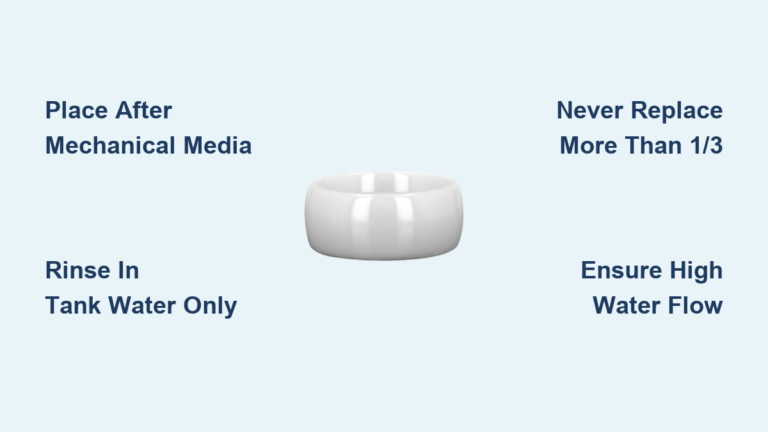
Place mechanical media first in your filter path to catch large particles before they clog biological media. Follow with biological media that provides maximum surface area for bacteria colonization. Save chemical media like carbon for the final stage where it can polish already-clean water. Never replace all biological media at once during maintenance—this crashes your nitrogen cycle. Instead, rinse media in old tank water during water changes and replace only one-third of biological media monthly to maintain bacterial colonies.
Sponge Filter Setup That Protects Shrimp and Fry Without Clogging
Sponge filters provide gentle yet effective filtration perfect for delicate aquatic inhabitants. The porous sponge material creates an ideal home for beneficial bacteria while preventing tiny shrimp or fish fry from being sucked into dangerous impellers. These aquarium filtration types work by drawing water through the sponge using an air pump or small powerhead, trapping debris while allowing safe water flow.
Choosing the Right Sponge Density for Your Specific Tank
Fine-pore sponges capture more debris but clog faster, making them ideal for breeding tanks with vulnerable fry. Medium-pore sponges offer the best balance for shrimp tanks, providing sufficient mechanical filtration without requiring constant cleaning. For larger community tanks, use coarse sponges that maintain flow while still supporting robust bacterial colonies. Always position the air stone near the bottom of the sponge to maximize water movement through the entire filter surface.
Hang-On-Back Filter Media Configuration for Crystal Clear Water
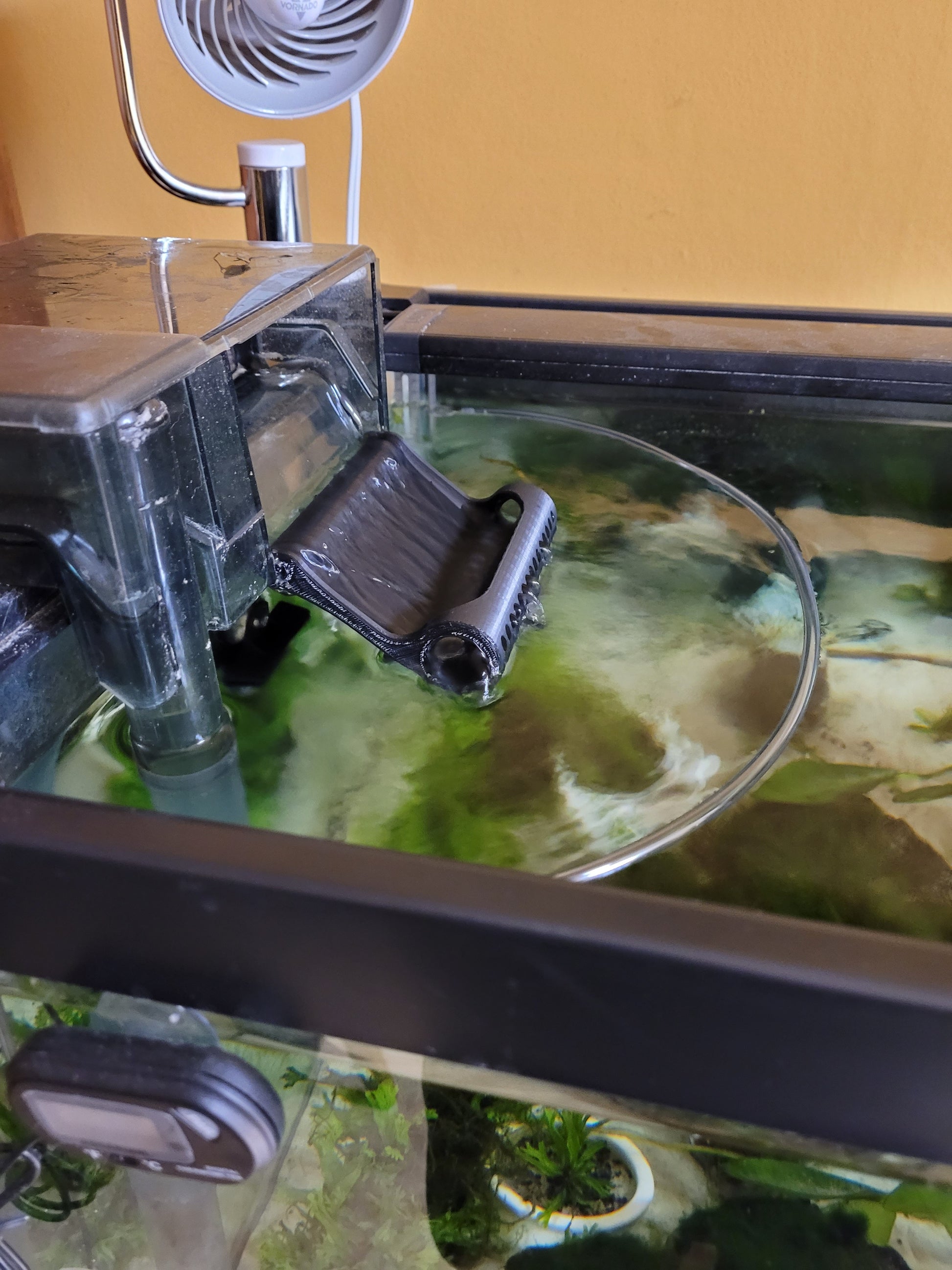
Hang-on-back (HOB) filters remain popular for good reason—they’re versatile workhorses that suit most community tanks. The key to maximizing these aquarium filtration types lies in proper media arrangement. Start with a coarse sponge or filter pad at the intake to catch large debris, followed by a finer mechanical media like floss. Place your biological media (ceramic rings or bio-balls) next, and finish with chemical media like activated carbon in a mesh bag.
Preventing Common HOB Filter Bypass Issues
Many aquarium owners unknowingly suffer from filter bypass, where water flows around rather than through the media. Fix this by ensuring media fills the entire basket without gaps. Use custom-cut sponges to seal spaces between media sections. For tanks with heavy bioloads, double-stack media trays or supplement with additional biological media in the main tank. Clean mechanical media weekly in tank water while leaving biological media undisturbed to maintain your nitrogen cycle.
Canister Filter Priming Techniques That Eliminate Air Locks
Canister filters deliver powerhouse performance for larger or heavily stocked tanks, but improper priming causes frustrating air locks. Before your first use, fill the canister body completely with water and ensure all tubing connections are secure. Most models have a priming button—press and hold while plugging in the unit until water flows steadily through the return tube.
Media Layering Strategies for Maximum Biological Capacity

Arrange canister media trays strategically: coarse mechanical media on top, followed by fine mechanical media, then generous amounts of biological media like ceramic rings, and finally chemical media at the bottom. For planted tanks, add CO2 diffusion media in the biological section. Never overload the canister—leave 20% space for water movement. During maintenance, clean only the top mechanical media while gently swishing biological media in old tank water to preserve bacteria.
Internal Filter Placement Solutions for Small Tank Dead Zones
Internal filters solve circulation problems in nano tanks where HOB filters might overwhelm delicate inhabitants. Position these compact aquarium filtration types opposite your heater to create optimal water movement that prevents cold spots. Angle the outflow toward the water surface to maximize gas exchange while avoiding direct flow on sensitive fish like bettas.
Creating Natural Currents with Multiple Internal Filters
For tanks larger than 20 gallons, use two smaller internal filters positioned at opposite corners to create a gentle circular flow that mimics natural currents. Choose models with adjustable flow rates and direct the outflow toward tank walls rather than straight across the tank. This setup eliminates dead zones where debris accumulates while providing the varied flow rates different fish species require.
Sump Filter Overflow Systems That Prevent Catastrophic Floods
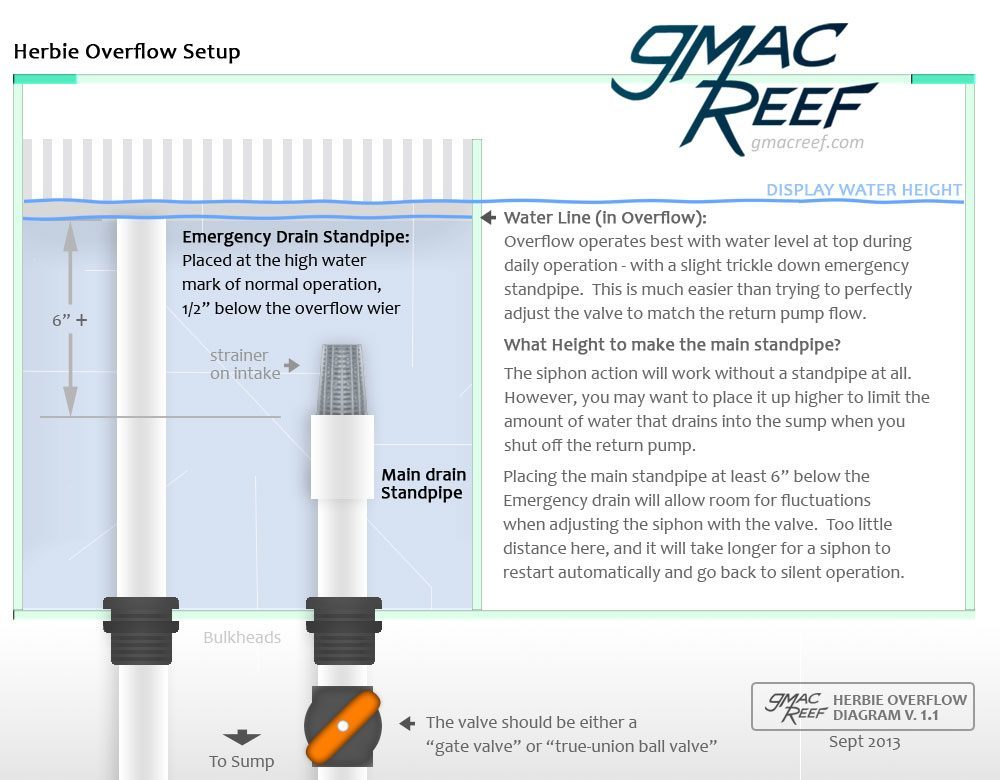
Sump systems offer unparalleled water stability for advanced aquarists, but improper overflow design risks disastrous floods. The Herbie-style overflow system provides reliable drainage with built-in safety: a main drain pipe handles normal water flow while a separate emergency standpipe prevents overflow during power outages or pump failures.
Media Organization for Maximum Sump Efficiency
Divide your sump into sections: a pre-filter chamber with filter socks to catch large debris, a biological chamber packed with ceramic media, and a refugium section with macroalgae for natural nitrate control. Keep chemical media in a separate reactor or media bag for easy access. Position the return pump below the water line to prevent noise and ensure consistent flow.
Choosing the Right Aquarium Filtration Type for Your Fish Species
Your fish’s natural habitat determines their filtration needs. River-dwelling species like hillstream loaches require powerful canister filters creating strong currents, while bettas and gouramis thrive with gentle sponge filtration mimicking stagnant ponds. Overlooking these species-specific requirements leads to stressed fish and unstable water parameters regardless of your chosen aquarium filtration types.
Matching Filter Flow Rate to Tank Volume and Bioload
Calculate your ideal flow rate by multiplying your tank’s gallons by 4-6 (e.g., 200-300 GPH for a 50-gallon tank). Heavily stocked tanks or those with messy eaters like goldfish need rates at the higher end of this range. For planted tanks, consider flow rates that distribute nutrients without uprooting delicate plants. Always choose a filter rated for a larger tank than you have—better to have too much filtration than too little.
Filter Maintenance Schedule That Preserves Your Beneficial Bacteria
The most common mistake aquarium owners make is overcleaning their filters, destroying the beneficial bacteria colonies essential for biological filtration. Never rinse filter media in tap water—chlorine kills your nitrogen cycle. Instead, perform maintenance during water changes using the removed tank water to gently swish biological media.
Monthly Filter Care Routine for Long-Term Stability
Week 1: Rinse mechanical media in old tank water when flow decreases
Week 2: Check impeller for debris and clean if necessary
Week 3: Inspect all connections and tubing for leaks or wear
Week 4: Replace chemical media like carbon while leaving biological media intact
Never replace more than one-third of biological media at a time. For sponge filters, squeeze them in tank water monthly but avoid vigorous cleaning that removes bacterial colonies.
Troubleshooting Common Aquarium Filtration Failures
When your water turns cloudy or parameters spike, your filtration system is likely compromised. Reduced flow usually indicates clogged impellers or intake tubes—disassemble and clean these components immediately. Unusual noises often mean air trapped in canister systems or worn impeller bearings. Always check power connections first when a filter stops working completely.
Emergency Response to Filter Failure
If your filter stops unexpectedly, perform an immediate 25% water change and add a spare sponge filter to maintain biological filtration. Test water for ammonia and nitrite—if elevated, add beneficial bacteria supplements. Never introduce new fish during filter recovery periods. For extended power outages, use battery-powered air pumps to maintain oxygen levels while your primary filtration system is offline.
Properly selected and maintained aquarium filtration types form the foundation of a healthy aquatic ecosystem. By matching your filter choice to your specific tank requirements and following disciplined maintenance practices, you’ll enjoy crystal clear water and thriving fish for years to come. Remember that the best filtration system is the one you’ll consistently maintain—choose wisely based on your time, budget, and commitment level.