
Aquarium Driftwood Problems Solved
You’ve carefully selected the perfect piece of driftwood to create a natural-looking aquascape, but within days, your crystal-clear water turns tea-brown, white slime appears on the wood, and your fish start acting strangely. These common aquarium driftwood problems can transform your peaceful underwater paradise into a nightmare scenario almost overnight. Many aquarists don’t realize that even commercially sold “ready-to-use” driftwood can introduce pathogens, alter water chemistry, and create hazardous conditions for fish. This guide reveals the eight most dangerous aquarium driftwood problems you need to address before adding wood to your tank, along with proven solutions to keep your aquatic ecosystem thriving.
Why Your Driftwood Turns Aquarium Water Tea-Brown (And How to Stop It)
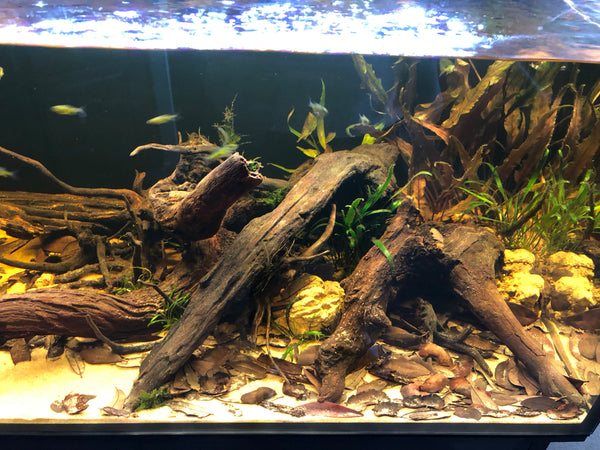
That unsettling brown tint appearing in your tank isn’t contaminated water—it’s tannins leaching from your new driftwood. Malaysian and Mopani woods can release these natural compounds for months or even years, creating what aquarists call “blackwater” conditions. While beneficial for soft-water species like tetras and angelfish (mimicking their natural Amazonian habitats), this discoloration often looks unappealing in community tanks.
The Science Behind Tannin Leaching in Fresh Driftwood
Tannic and humic acids naturally present in hardwoods dissolve into your aquarium water when submerged. This process lowers pH and softens water—great for certain species but problematic for others. The intensity depends on wood type, with Malaysian driftwood being particularly potent. Contrary to popular belief, this isn’t a “one-time” issue; some woods continuously leach tannins throughout their lifespan in your tank.
3-Step Process to Eliminate Driftwood Water Discoloration
- Pre-soak aggressively: Submerge wood in a separate container for 2-4 weeks, changing water daily until it runs clear
- Boil thoroughly: Heat wood in a large pot for 1-2 hours (repeat if necessary) to accelerate tannin release
- Post-installation treatment: Use chemical filtration with activated carbon or Purigen in your filter to capture remaining tannins
The Critical Mistake That Makes Driftwood Float Indefinitely
Nothing frustrates aquarists more than carefully placing driftwood only to watch it rise to the surface hours later. This common aquarium driftwood problem occurs because air remains trapped in microscopic channels within the wood. Many hobbyists make the mistake of immediately anchoring floaters in their display tanks, creating an ongoing battle that disturbs fish and plants.
Why Driftwood Buoyancy Happens (It’s Not What You Think)
Unlike rocks, wood contains tiny air pockets that prevent immediate saturation. Softwoods and pieces with large cavities retain air longest. The misconception that “all driftwood eventually sinks” is dangerous—some pieces can take months to fully waterlog, during which time they create instability in your carefully arranged aquascape.
Fast-Track Methods to Sink Driftwood in 72 Hours
- Boiling method: Submerge completely and boil for 1-2 hours (repeating as needed) to force air out
- Weighted soaking: Place in a bucket with aquarium-safe rocks on top for 1-2 weeks
- Avoid shortcuts: Don’t use glue or heavy anchors in your display tank—proper waterlogging prevents future maintenance headaches
White Film on New Driftwood: Harmless Biofilm or Dangerous Fungus?
That fuzzy white coating appearing on fresh driftwood terrifies many new aquarists, who immediately reach for cleaning brushes or chemical treatments. This common aquarium driftwood problem is actually a beneficial, temporary process where bacteria and fungi consume surface sugars in the wood. Mistaking this for harmful mold leads many to unnecessarily disrupt their tank’s developing ecosystem.
Identifying the White Slime That Appears on Fresh Driftwood
This biofilm resembles cotton candy or spiderwebs clinging to the wood’s surface. It appears within days of submersion and typically disappears within 2-3 weeks as the wood’s surface compounds deplete. Unlike harmful fungi, this growth doesn’t penetrate the wood and poses zero threat to healthy fish.
Why You Should Never Remove This “Problem” From Your Driftwood
Scraping or treating this biofilm wastes your time and removes a valuable food source for shrimp and bottom-dwellers. Many fish actually graze on this nutritious film. Instead of fighting it, embrace this natural process—your cleanup crew will consume it entirely within weeks, leaving clean, matured wood behind.
How Driftwood Introduced a Cancer Outbreak in My 180-Gallon Tank
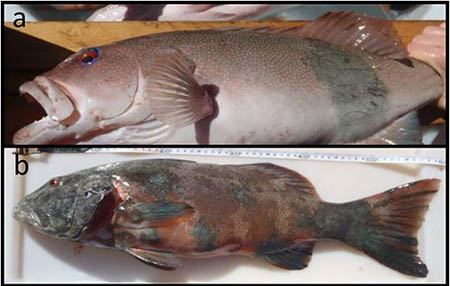
The most severe aquarium driftwood problems involve pathogen introduction, as demonstrated by a documented case where “ready-to-use” driftwood caused melanoma (skin cancer) in multiple fish species. This commercially sold piece, bleached and marketed as aquarium-safe, introduced carcinogenic pathogens that affected cichlids with symptoms ranging from gill infections to dark, moving skin lesions later identified as cancer.
The Shocking Case Study of Driftwood-Induced Melanoma in Cichlids
After adding driftwood to an established 180-gallon tank, fish began developing bizarre, varied symptoms across different species. Treatments for parasites and bacterial infections failed until a fish pathologist identified melanoma. The driftwood, suspected to be contaminated by bird droppings containing carcinogenic spores, was confirmed as the source when symptoms ceased after its removal and proper sterilization.
Proper Sterilization Protocol That Saved My Aquarium
- Boil for complete sterilization: Submerge wood completely for 1-2 hours
- Bleach alternative for large pieces: Soak in 5% bleach solution (1:19 ratio) for 24 hours
- Neutralize thoroughly: Soak in dechlorinated water for 48-72 hours with daily water changes
Preventing Driftwood From Becoming a Detritus Magnet

Driftwood’s intricate shapes create perfect traps for uneaten food and fish waste, leading to dangerous ammonia spikes. This often-overlooked aquarium driftwood problem turns your beautiful centerpiece into a pollution factory, especially with textured woods like Mopani that feature deep crevices.
Why Driftwood Attracts Waste Like a Vacuum
Currents naturally deposit organic matter into driftwood’s nooks and crannies. Without intervention, this decomposing material releases ammonia, fuels algae growth, and creates dead zones with poor water circulation—essentially turning your driftwood into a mini septic system within your tank.
Weekly Maintenance Routine for Driftwood Cleaning
- During water changes: Use a gravel vacuum to siphon debris from around the base
- For textured wood: Blast crevices with a turkey baster or soft brush
- Prevent buildup: Position driftwood away from direct feeding zones to minimize food accumulation
Choosing Driftwood That Won’t Rot in Your Aquarium

Soft, decomposing wood releases massive amounts of organic material into your water, causing bacterial blooms and unstable parameters. The difference between hardwoods that last decades versus softwoods that crumble in months represents one of the most critical aquarium driftwood problems for long-term tank health.
Hardwood vs. Softwood: The Critical Difference for Longevity
Test wood hardness by pressing your fingernail into it—quality aquarium driftwood should resist indentation. Mopani, Manzanita, and Malaysian woods maintain structural integrity for years, while softer alternatives quickly break down into “nasty brown sludge” that clouds water and fouls substrate.
5 Aquarium-Safe Woods That Last for Years
- Mopani: Extremely dense with striking Y-shapes
- Manzanita: Beautiful branching structure, very hard
- Malaysian Driftwood: Classic twisted shapes, slow tannin release
- Spiderwood: Intricate branch patterns (avoid boiling)
- Cholla Wood: Cactus-based, excellent for shrimp tanks
Toxic Wood Species That Will Kill Your Fish (Must Avoid)
The most dangerous aquarium driftwood problems involve outright toxicity. Many common woods release compounds that silently poison your tank—conifers like pine and cedar contain toxic phenols, while fruit trees (cherry, peach, plum) contain hydrocyanic acid. Even “natural” wood collected from parks can carry pesticides or heavy metals.
The 7 Deadly Woods You Should Never Put in an Aquarium
- All conifers (pine, cedar, fir, cypress, spruce, yew)
- Any tropical/exotic woods of unknown origin
- Cherry, peach, plum, or apricot wood
- Driftwood from ocean/brackish environments (salt residue)
- Construction lumber (treated with chemicals)
- Painted or stained wood
- Wood with foul odors or excessive softness
How to Verify Wood Safety Before It Touches Your Tank
Always purchase from reputable aquarium suppliers who specialize in safe woods. If collecting your own (not recommended), stick to known safe varieties like beech, birch, or dried apple wood, and follow rigorous sterilization protocols. When in doubt, don’t add it—your fish’s life isn’t worth the risk.
Final Note: The most successful aquarists treat driftwood as a potential hazard until properly prepared. By addressing these aquarium driftwood problems before they reach your display tank—through aggressive pre-soaking, thorough sterilization, and careful wood selection—you’ll enjoy the aesthetic benefits without compromising water quality or fish health. Remember that even commercially sold wood requires preparation; that “ready-to-use” label can be dangerously misleading. Implement these solutions before adding driftwood to prevent problems rather than reacting to them after your tank suffers. With proper preparation, driftwood becomes one of the most rewarding and natural-looking elements in your aquarium ecosystem.