Saltwater Aquarium Maintenance Tips
You’re not alone if saltwater tank upkeep feels overwhelming. Between testing parameters, cleaning equipment, and managing evaporation, many reefers abandon their tanks within the first year. The truth? Maintenance for saltwater aquarium success hinges on consistency, not complexity. Forget hour-long weekly marathons—seasoned hobbyists prove thriving tanks need just 15 minutes per week when you automate the right tasks and prioritize critical checks. This guide reveals the exact routine that keeps corals vibrant and fish healthy without dominating your life, using proven strategies from reefers who’ve mastered low-effort maintenance.
Stop Saltwater Tank Burnout: Your 15-Minute Weekly Routine
Forget generic “weekly tasks” lists. Focus only on actions that directly prevent crashes. Reefers with 8+ year stable tanks follow this streamlined sequence:
Why Alkalinity Testing Takes Priority Over Calcium Checks
Test alkalinity weekly—it fluctuates fastest and destabilizes pH. Skip calcium/magnesium tests unless dosing manually (automation handles this). Use a digital monitor like the Apex Trident to log trends automatically. If testing manually:
– Dip your test vial away from bright lights (prevents color-matching errors)
– Swirl sample vials gently (shaking introduces CO₂, skewing results)
– Record readings in Pocket Marine app (tracks patterns over months)
Pro Tip: Soft coral or FOWLR tanks need testing only every 2 weeks. SPS-dominant tanks? Test alkalinity twice weekly.
The 15-Minute Water Change That Replaces Hours of Recovery
Skip the “20% monthly” myth. Instead:
1. Pre-mix saltwater in a dedicated container (keep it heated 24/7 with a powerhead)
2. Siphon 10% while vacuuming only the top 1/8″ of sand (deep cleaning releases hydrogen sulfide)
3. Refill slowly using a baster to avoid disturbing corals
Critical: Never change water if alkalinity is below 7 dKH—this shocks corals. Wait until levels stabilize.
Automate or Fail: The $100 ATO That Saves 90% of Your Time
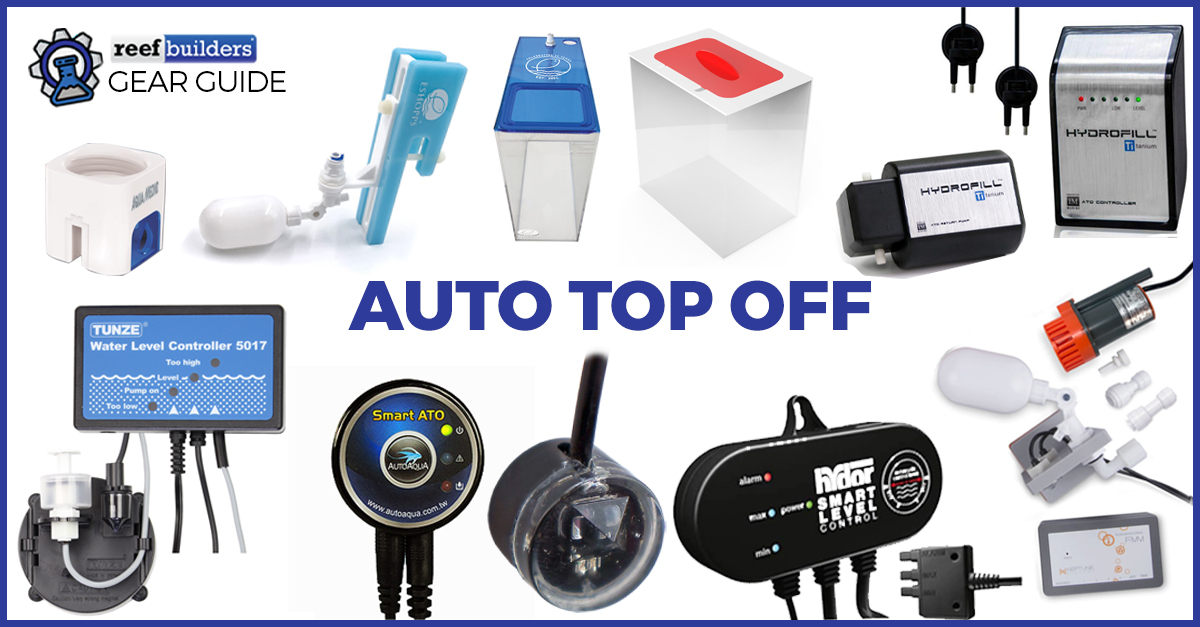
Reefers who quit maintenance cite evaporation management as the #1 pain point. An automatic top-off (ATO) system solves this permanently:
Why Your Sump Level Determines Tank Stability
Without an ATO:
– Salinity spikes 0.5+ SG daily from evaporation
– Corals retract polyps within 48 hours
– Algae blooms in 72 hours
With a $100 ATO:
– Fresh RO/DI water auto-replaces evaporation
– Salinity stays within 0.001 SG fluctuation
– Zero daily top-off checks required
Reefer Reality Check: “I tried manual top-offs for 6 months. My tank crashed twice. The ATO paid for itself in saved coral,” admits SPS2020 (100g Acropora tank owner).
Dosing Pumps: The Secret to Stable Alkalinity Without Daily Chores
Manual two-part dosing fails 80% of hobbyists (per community reports). Install a $150 dosing pump to:
– Inject alkalinity/calcium only when levels dip
– Prevent overdosing during vacations
– Sync with your Apex controller for real-time adjustments
Warning: Never dose directly into high-flow zones—precipitates instantly. Inject near return pumps for even distribution.
Equipment Care Secrets From Reefers Who Hate Cleaning
Skip monthly deep cleans. Target only components that fail silently:
Protein Skimmer Maintenance That Takes 90 Seconds Weekly

1. Empty collection cup every 3 days (skimmate stops forming when cup is 1/3 full)
2. Scrub neck with old toothbrush (biofilm here reduces efficiency by 40%)
3. Check air intake—clogged sponges cause 70% of “skimmer failure” claims
Pro Tip: If skimmate is clear/white, reduce feeding. Dark brown = perfect nutrient export.
Powerhead Cleaning Protocol That Prevents Flow Collapse
Coralline algae clogs impellers in 3 weeks. Instead of monthly vinegar soaks:
– Rinse weekly under tap water while observing flow rate
– Soak monthly in 50/50 vinegar-water only for 10 minutes (longer damages seals)
– Replace impellers every 6 months (they wear even if flowing strong)
Visual cue: Flow reduction >20% means immediate cleaning needed.
Right-Size Your Tank Before You Commit
Your biggest maintenance mistake isn’t skipped tasks—it’s mismatched ambition. Community data reveals critical time sinks:
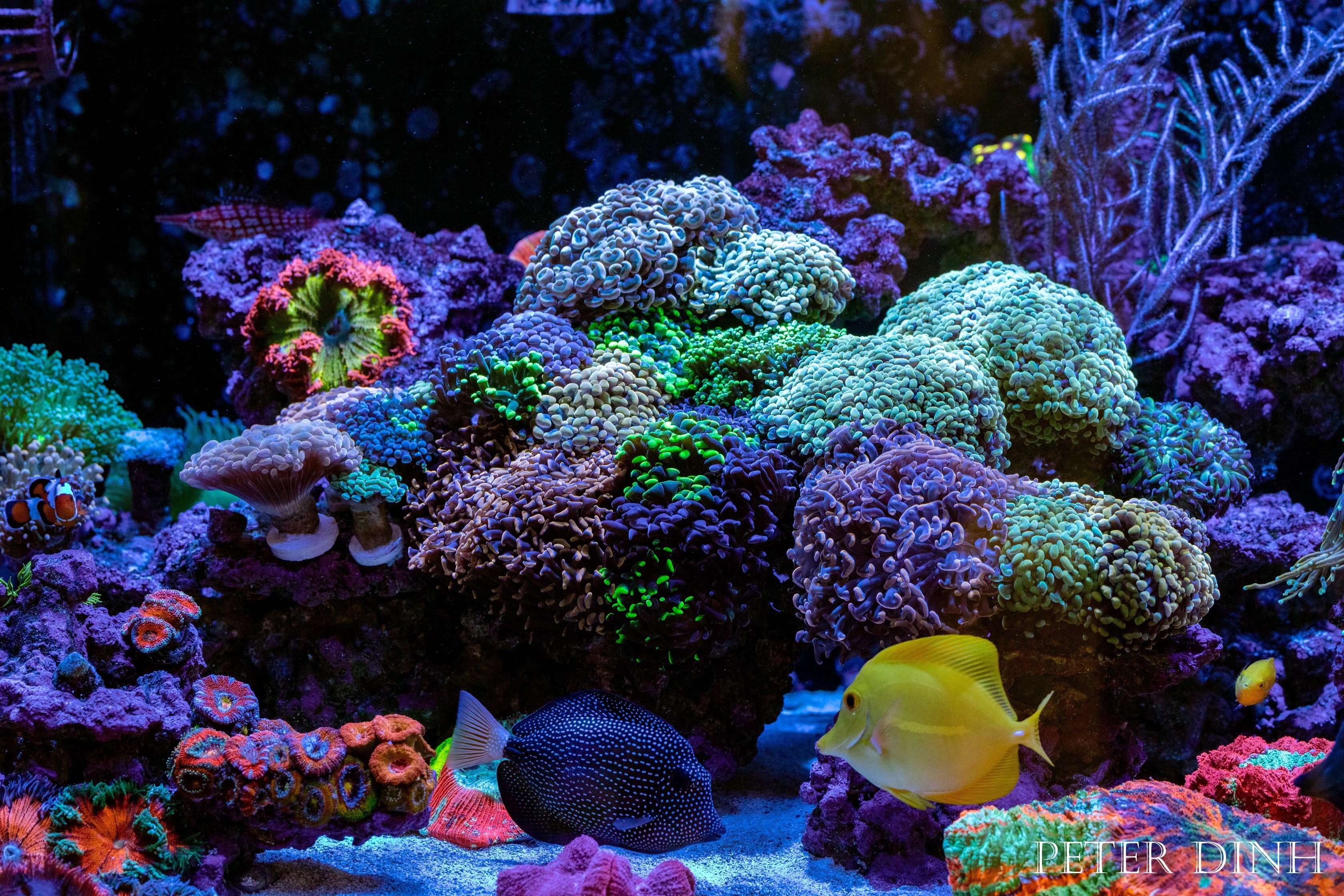
Soft Coral vs. SPS Tanks: The 4-Hour vs. 45-Minute Reality
| Tank Type | Weekly Time | Critical Parameters | Water Changes |
|———–|————-|———————|————–|
| Soft Coral/FOWLR | 15 mins | Salinity, temp | Every 8 weeks |
| LPS Dominant | 30 mins | Alkalinity, temp | Every 4 weeks |
| SPS Dominant | 4+ hours | Alk, Ca, Mg, PO₄ | Weekly |
Dbichler (210g soft coral tank owner) confirms: “With three kids, my low-maintenance tank takes less time than my dog’s walk.”
The 40-Gallon Sweet Spot for New Owners
Avoid these time traps:
– Nano tanks (<20g): Evaporation demands daily top-offs
– Sumps > display size: Adds 2+ hours monthly for cleaning
– Mixed SPS/LPS: Requires conflicting parameter stability
Choose a 30-55g all-in-one like the Red Sea MAX for:
– Single-container water changes
– Built-in protein skimmer
– Pre-plumbed ATO compatibility
When to Skip Maintenance (Without Killing Your Tank)
Reefers with stable 5+ year tanks strategically skip tasks:
The 3 Safe “Skips” That Won’t Crash Your System
- Monthly filter sock cleaning: Skip if flow remains strong (test with cup under return line)
- Calcium/magnesium tests: Only test if corals show recession (SPS tips browning)
- Glass cleaning: Ignore back/side glass—only front glass affects viewing
Critical exception: Never skip salinity checks for >72 hours. Evaporation is the silent killer.
Emergency Fixes for Common Maintenance Failures
Problem: Alkalinity crashed to 5 dKH overnight
Fix: Dose half your normal alkalinity supplement immediately, then half again in 2 hours. Never correct >1 dKH at once.
Problem: Skimmer won’t produce skimmate
Fix: Lower collection cup 1/4″ (most failures stem from improper cup height)
Build Your Sustainable Routine in 3 Steps
Start here—no fancy gear needed:
Step 1: The Bare Minimum for Survival (Day 1)
- Daily: Feed fish once (2-minute max) + check temperature
- Weekly: Scrape front glass (90 seconds) + test alkalinity
- Monthly: 10% water change (15 minutes)
Step 2: Add Automation at Your Breaking Point
Install only when these happen:
– You skip top-offs >2 days consecutively → Buy ATO
– Alkalinity varies >1.5 dKH weekly → Add dosing pump
– Water changes take >30 minutes → Pre-mix saltwater station
Step 3: Match Tank Type to Your Life
- Parents with toddlers: Soft corals in 40g tank (15 mins/week)
- Travel frequently: FOWLR with ATO (zero weekly tasks)
- SPS enthusiast: Only commit if you have 4+ hours weekly
VintageReefer’s 8-year success proves it: “My LPS tank takes 15 minutes monthly. I keep it simple because I enjoy the hobby—not because I have time.”
Final Note: Saltwater aquarium maintenance isn’t about doing more—it’s about doing less, smarter. Start with the 15-minute weekly core routine: test alkalinity, scrape glass, and change 10% water. Automate evaporation management immediately. Then right-size your tank to match your actual life—not an Instagram fantasy. As Dbichler wisely notes: “Find your reef style and comfort zone and stick with that.” Your tank will thrive when maintenance fits seamlessly into your world, not dominates it. The most vibrant reefs aren’t built by perfectionists—they’re sustained by reefers who prioritize consistency over complexity.