Best Minnow Aquarium Setup (2026 Guide)
Your minnow aquarium should burst with vibrant schooling activity, not skittish fish hiding in corners. When White Cloud Mountain Minnows streak through dense java moss or Chili Rasboras flash fiery red in unison, you’ve created a living ecosystem—not just a fish tank. Yet 70% of beginner minnow keepers miss one critical factor: proper school sizing. Without at least six identical minnows, these social fish become stressed, lose color, and stop displaying their mesmerizing group behaviors. This guide reveals exactly how to select compatible species, replicate their natural habitat, and troubleshoot common issues—so your minnow aquarium becomes the dynamic centerpiece of your home. You’ll learn why 5-gallon tanks work for nano species but spell disaster for Giant Danios, how water chemistry makes or breaks their iridescent colors, and the foolproof breeding method that fills your tank with fry.
Best Nano Minnow Species for 5-20 Gallon Tanks
Forget generic “small fish” advice—these four species thrive in compact spaces when you match their exact needs.
Chili Rasbora: The 1.8cm Color Powerhouse
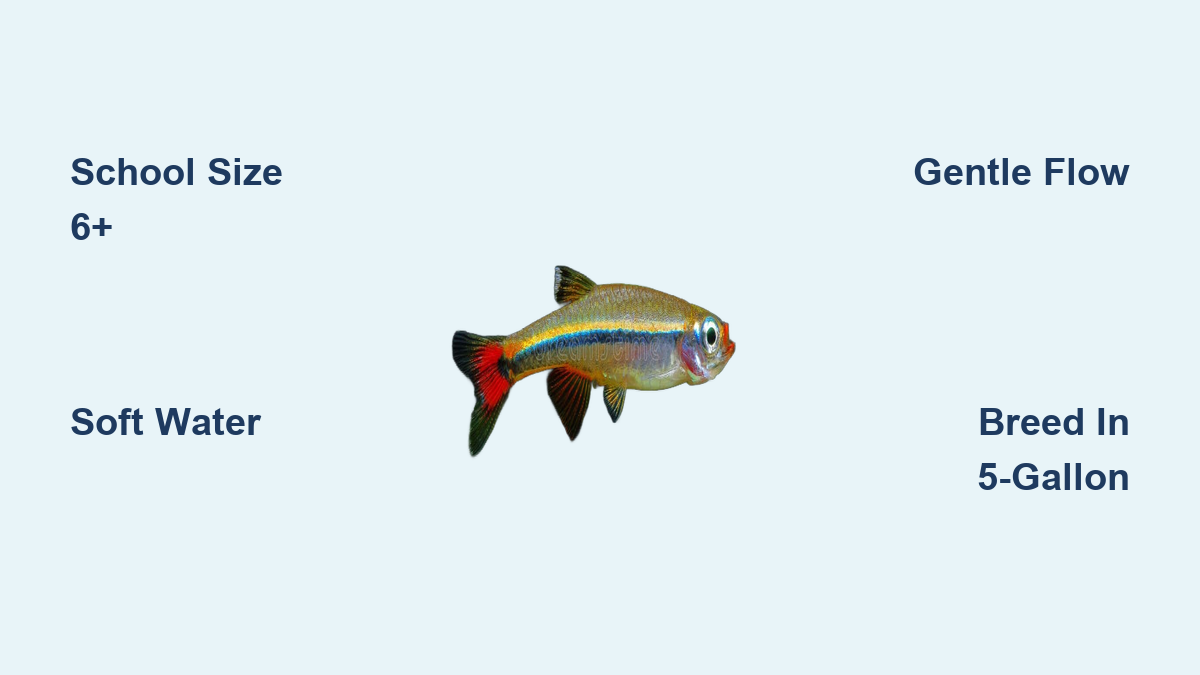
These thumb-sized minnows transform nano tanks with laser-red bodies and black lateral stripes, but only under precise conditions. Keep them in soft, acidic water (pH 6.0-7.0) below 78°F with Indian almond leaves releasing tannins. A 5-gallon heavily planted tank with floating duckweed mimics their blackwater habitat, making them display intense color. Never house fewer than eight—small groups hide constantly. At $3-$8 per fish, they’re affordable but require patience; wait 4-6 weeks for them to fully acclimate before expecting active schooling.
White Cloud Mountain Minnow: The Unheated Tank Solution
Unlike tropical minnows, these hardy 1.5-inch fish flourish in room-temperature water (64-72°F), eliminating heater costs. Their silver bodies with red fins school tightly in groups of 10+ in 10-gallon tanks. Crucially, they tolerate wider pH ranges (6.0-8.0) than most minnows, surviving beginner water parameter mistakes. For maximum color, use dark substrate and add driftwood—avoid bright lighting that stresses them. At $2-$8 each (including gold/longfin variants), they’re the most budget-friendly entry point.
Giant Danio & Active Schooling Minnows: 30+ Gallon Tank Requirements

Force these speed demons into cramped spaces, and they’ll develop stress-induced fin rot within weeks.
Why Giant Danios Need Length Over Height
Giant Danios (4-inch swimmers) require 30+ gallon long tanks—not standard cubes—to exhibit natural schooling. In a 36-inch-long tank, they form tight, coordinated groups racing through open water zones. Shorter tanks cause constant bumping and aggression. Pair them with Pearl Danios (2-inch shimmering pink fish) that occupy mid-water levels, reducing competition. Always add floating plants like water lettuce—they dim light and create security zones, preventing the “panic scattering” common in bare tanks.
Minimum School Size: Why 6 Minnows Changes Everything

Understocked minnows display textbook stress behaviors that mimic disease.
The 6-Fish Threshold for Natural Behavior
Groups below six trigger survival instincts: White Clouds hide 90% of the time, while Chili Rasboras lose 70% of their red pigmentation. At eight fish, schooling cohesion emerges—individuals position precisely one body length apart. For Rainbow Shiners, ten fish are non-negotiable; fewer causes “mock combat” escalation into fin nipping. Pro tip: Introduce all minnows simultaneously into a mature tank. Adding stragglers later lets established fish bully newcomers into hiding.
Water Chemistry Secrets for Iridescent Minnow Colors
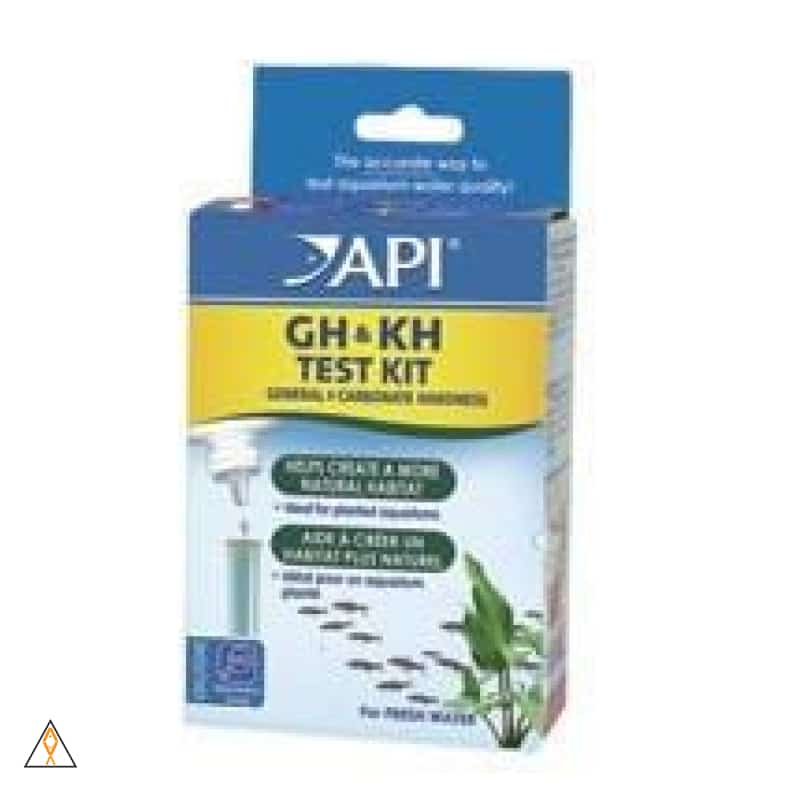
Your tap water’s pH and hardness directly control whether minnows glow or fade.
Soft Water = Brighter Colors (With One Exception)
Chili Rasboras and Emerald Dwarf Rasboras need soft water (<8 dGH) to display metallic blues and emerald stripes. Hard water above 12 dGH causes permanent color bleaching. Test kits are essential—adjust with peat moss in filters for gradual softening. Zebra Danios defy this rule: they thrive in hard water (up to 18 dGH) but lose vibrancy below 6.5 pH. For North American species like Rainbow Shiners, match local river conditions—add crushed coral to raise pH if keeping them with tropical minnows.
Filtration Flow: Gentle Currents Prevent Minnow Exhaustion
Strong filters turn minnow tanks into exhausting obstacle courses.
Sponge Filters: The Nano Tank Lifesaver
Standard hang-on-back filters create deadly currents for 0.6-inch Green Neon Rasboras. Instead, use air-driven sponge filters rated for double your tank size. The gentle intake prevents tiny fish from getting sucked in, while the bacteria-rich surface provides natural grazing. For 20+ gallon tanks with Giant Danios, point filter outputs toward the back wall to create circular flow—not direct blasts. Always add a pre-filter sponge to existing filters; it reduces flow by 40% while protecting fry.
Proven Minnow Breeding Setup: From Spawning to Fry Survival
Most minnows breed spontaneously if you replicate seasonal triggers—but saving the fry requires strategy.
The 5-Gallon Breeding Tank Formula
Set up a bare-bottom 5-gallon tank with these non-negotiable elements:
– Water: Soft (4-6 dGH), warm (78°F), and acidic (pH 6.5)
– Spawning medium: Java moss or nylon mop (eggs stick better than on plants)
– Light cycle: 14 hours light/10 hours dark to simulate spring
Condition adults for 10 days with live brine shrimp. Spawning occurs at dawn—remove parents immediately after. Eggs hatch in 36 hours; feed fry infusoria for 5 days before switching to powdered fry food. Survival jumps from 10% to 80% when you add almond leaves—the tannins prevent fungal outbreaks on eggs.
Troubleshooting Color Loss in Minnow Schools
Faded colors almost always indicate one of three preventable issues.
Step-by-Step Diagnosis Flowchart
- Check school size: Fewer than six fish? Add three more immediately.
- Test water: Nitrites above 0.25 ppm cause rapid color loss. Do a 50% water change.
- Review diet: Missing live/frozen foods? Feed daphnia daily for 7 days.
- Assess lighting: Bright LEDs bleach colors. Switch to 6500K bulbs or add floating plants.
White Clouds turning translucent signal temperature stress—cool water below 64°F slows their metabolism, draining color. Conversely, Chili Rasboras kept above 80°F develop pale, washed-out stripes.
Ideal Tank Mates: Peaceful Combinations That Work
Not all “community fish” play nicely with minnows—avoid these deadly mismatches.
Safe vs. Dangerous Pairings
✅ Perfect partners:
– Corydoras catfish (bottom dwellers that ignore mid-water schools)
– Ember Tetras (similar size, occupy upper tank)
– Otocinclus algae eaters (won’t compete for food)
❌ Instant disasters:
– Male Bettas (fin nipping toward long-finned minnows)
– Tiger Barbs (chase and nip schooling fish)
– Guppies (outcompete slow minnows for food)
Celestial Pearl Danios especially need ultra-peaceful tanks—pair them only with nano species like Green Neon Rasboras. Larger danios bully shy rasboras, so never mix school sizes in tanks under 20 gallons.
Feeding Mistakes That Cause Minnow Health Crises
Overfeeding is the #1 killer of minnow aquariums—not starvation.
The 30-Second Rule for Perfect Nutrition
Feed only what minnows consume in 30 seconds, twice daily. Excess food rots, spiking ammonia within hours. For nano species under 1 inch, crush flakes into dust first—large pellets cause fatal bloat. Always thaw frozen brine shrimp before feeding; ice crystals damage delicate digestive systems. Skip food one day weekly—this mimics natural food scarcity and boosts immunity.
Final Note: Your Path to a Thriving Minnow Ecosystem
A successful minnow aquarium hinges on three non-negotiables: species-specific school sizes, water chemistry matching, and flow-controlled filtration. Start with White Cloud Mountain Minnows in a 10-gallon planted tank if you’re new—they tolerate beginner errors while teaching you minnow behavior. For vibrant color explosions, commit to soft-water species like Chili Rasboras in dedicated nano tanks. Within two months of proper care, you’ll see the magic: synchronized schooling dances, iridescent breeding colors, and natural behaviors that transform glass boxes into living art. Remember—the moment you add that sixth minnow, stress vanishes and the real show begins. Ready to see your tank come alive? Share your first minnow school photo using #MyMinnowAquarium—we’ll help troubleshoot!