How to Keep Minnows in an Aquarium
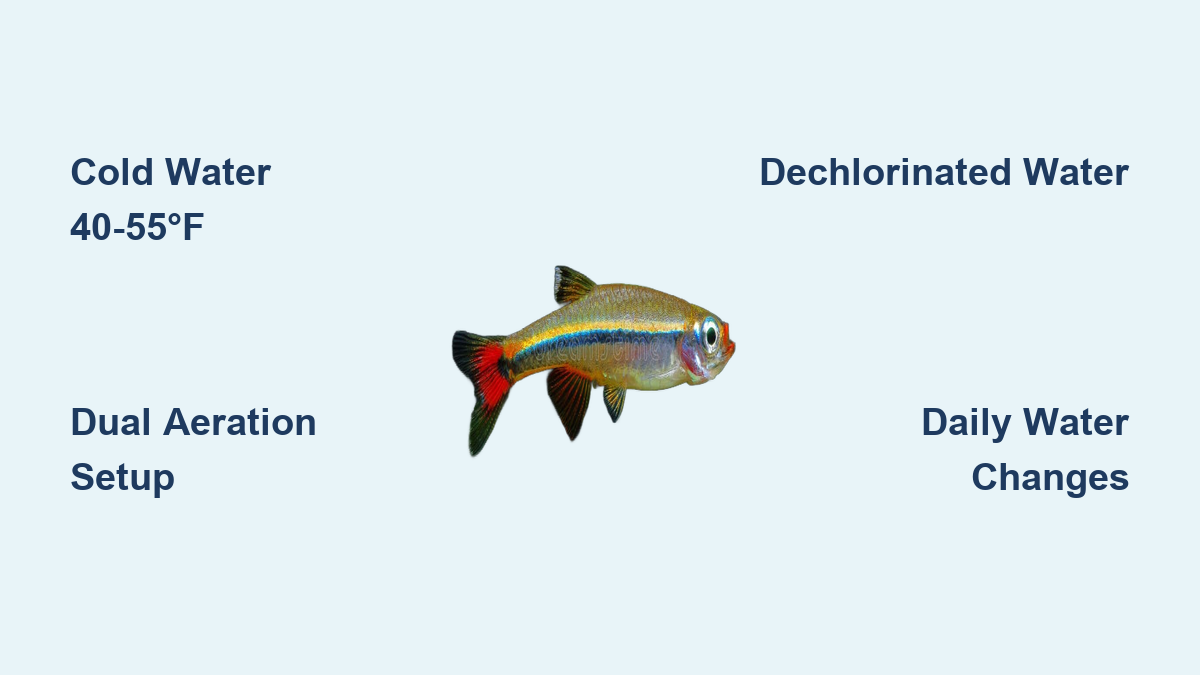
Your minnows keep dying despite your best efforts—that frustrating daily die-off isn’t your fault. It’s a direct result of unmet cold-water requirements in standard aquarium setups. Minnows aren’t tropical fish; they demand near-ice water temperatures, intense oxygenation, and zero chlorine exposure. Most home aquariums fail because they mimic tropical habitats instead of replicating spring creek conditions. When you master these three non-negotiables—cold water (40-55°F), robust aeration, and chemical-free water—you’ll transform your tank from a death trap into a thriving minnow sanctuary. This guide delivers field-tested solutions from anglers who keep minnows alive for months without complex filtration.
Fix Cold Water & Oxygen: The Lifeline for Minnow Survival
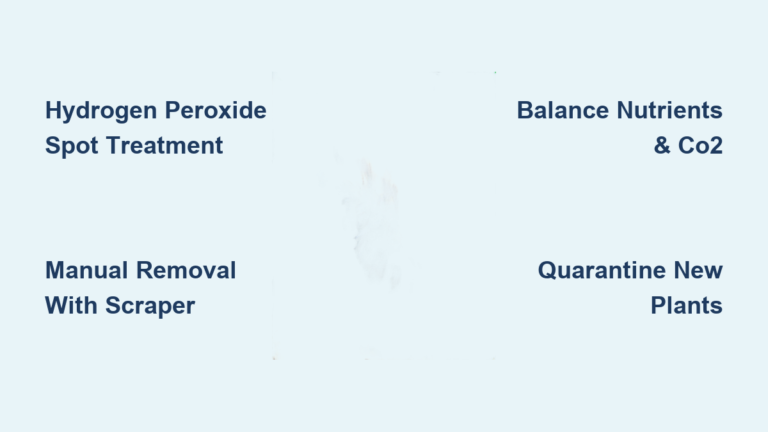
Minnows suffocate and starve in warm water. Their metabolism accelerates above 55°F, depleting oxygen 200% faster while producing toxic ammonia. Below 50°F, they enter near-dormancy—consuming minimal oxygen and generating almost no waste.
Why Your Single Bubbler Fails (And the 2-Step Fix)
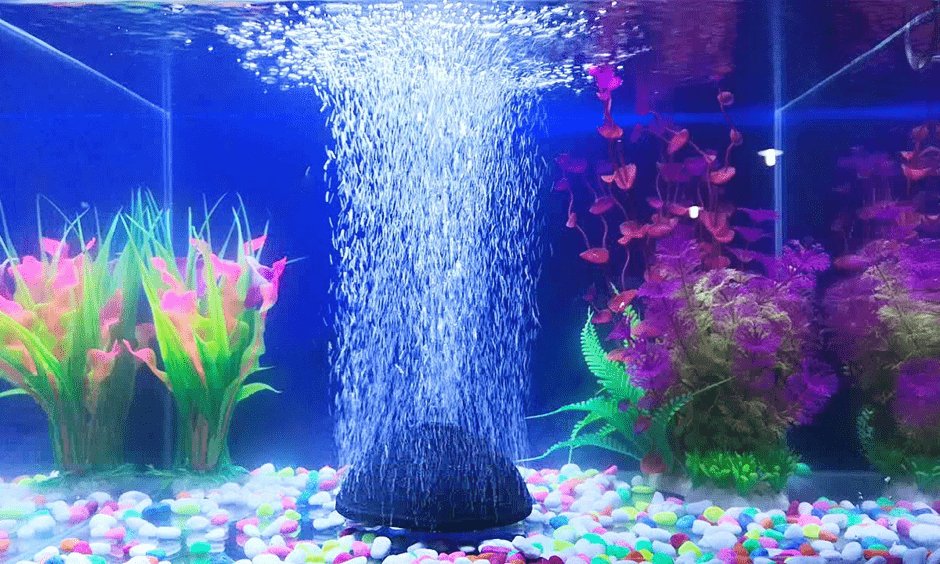
A standard 4″ airstone in a 35-gallon tank creates surface agitation but insufficient oxygen transfer. Minnows gasp at the surface when dissolved oxygen drops below 5 ppm—a common problem in warm setups. Immediately:
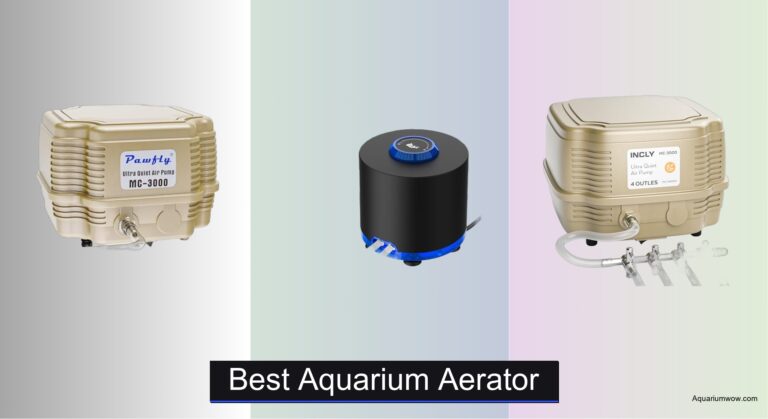
1. Double your aeration: Install a dual-output air pump (rated for 70+ gallons) with two 8″ bubble wands. One angler using James Almquist’s setup reported: “A single tube won’t cut it—I run dual 8″ stones in my 50-gallon tank.”
2. Add ice bottles: Freeze 2-liter bottles filled with 10% saltwater (prevents cracking). Float 2-3 bottles to maintain 40-50°F. Replace as they melt—never add loose ice (lowers oxygen).
Temperature Shock Kills Faster Than Disease
Dumping warm bait-bucket minnows into cold tanks causes fatal osmotic shock. One rehabilitator lost 30% of birds’ food supply this way. Instead:
– Float the sealed transport bag for 20 minutes
– Add ¼ cup tank water to the bag every 5 minutes for 30 minutes
– Net minnows out—never pour store water into your system
Build a Minnow Tank That Prevents Daily Die-Offs

Forget fancy filters. Minnows thrive in simple setups where frequent water changes replace biological filtration. Over-engineering causes more problems than it solves.
Tank Size & Location: The Cold Garage Advantage
A 10-gallon aquarium is the absolute minimum for short-term holding. For stability:
– Use oversized containers: A 35-gallon black tote (like Tlazer’s) or 100-gallon stock tank
– Place in unheated spaces: Basements, garages, or sheds where temps stay 35-55°F year-round
– Avoid sunlight: Keep tanks in complete darkness as eyeguy507 discovered: “Mine sit in the dark for days—minnows stay calmer”
The No-Fail Water Setup in 3 Steps
- Dechlorinate religiously: Treat all city water with conditioner (The SCRATCHER’s fix: “Pet store dechlorinator keeps shiners alive for weeks”). Well water users must test for iron/metals.
- Add aquarium salt: 1-2 tbsp non-iodized salt per 5 gallons reduces stress and parasites (popcorn’s solution: “Cut deaths by 90% after adding ¾ cup to my 55-gallon tank”).
- Skip complex filters: Use a sponge filter only if you change 25-40% of water every 3 days (3Rivers’ rule: “Fresh cold water beats playing aqua biologist”).
Stop Ammonia Spikes Before They Kill Your Minnows
Ammonia burns gills at levels undetectable to humans. Bait-shop minnows arrive stressed with ammonia-coated gills—making them vulnerable to “New Tank Syndrome” even in established systems.
The 50% Water Change Emergency Protocol
When minnows gasp at the surface:
1. Immediately add frozen bottles to cool water (ammonia toxicity doubles every 10°F rise)
2. Replace 50% of water with pre-chilled, dechlorinated water
3. Add 1 tbsp salt per 5 gallons to repair gill damage
Why Overstocking Causes Instant Die-Offs
The “1 inch per gallon” rule doesn’t apply to minnows. In a 10-gallon tank:
– ✅ Safe: 10-15 two-inch minnows (max 30 inches total)
– ❌ Deadly: 24+ minnows (like Tlazer’s “few dozen crappie minnows”)
Overstocking is the #1 cause of ammonia spikes—especially with disease-prone fatheads (zooks confirmed: “Fatheads die fast; shiners last months”).
Daily Routine That Prevents 95% of Problems

Minnow tanks require less work than tropical aquariums—but skipping these steps guarantees disaster.
The 3-Minute Morning Check
- Count bubbles: Minimum 2 bubbles/second per minnow (James Almquist’s standard)
- Scan for corpses: Remove dead minnows immediately—one carcass fouls a 10-gallon tank in hours
- Verify temp: Use a submersible thermometer (not guesswork)
Feeding Rules That Avoid Water Fouling
- Never feed if holding <7 days (minnows survive 2+ weeks unfed)
- For long-term: 1 pinch flake food every 3 days max (eyeguy507’s success: “I feed sparingly in my 10-gallon garage tank”)
- Stop feeding if water clouds—overfeeding causes 70% of bacterial blooms
7-Day Minnow Survival Checklist
Before adding minnows, verify every item:
– [ ] Water temp: 40-55°F (verified with thermometer)
– [ ] Aeration: Dual air pumps with bubble wands creating surface “chop”
– [ ] Dechlorinated: Conditioner added 24 hours pre-stock
– [ ] Salt dosed: 1-2 tbsp per 5 gallons (critical for bait-shop minnows)
– [ ] Dark environment: Tank covered or in shadowed area
– [ ] Stocking limit: ≤15 minnows per 10 gallons
– [ ] Water change schedule: 30% every 3 days pre-planned
Why This Works When Other Methods Fail
Minnows thrive when you mimic their natural cold-water habitat—not tropical aquarium standards. Dave Maze’s commercial setup proves it: “At Fish Lake Bait, they keep minnows at 40°F with massive bubblers.” By prioritizing cold temperatures, industrial-strength aeration, and frequent water changes, you eliminate the stressors that cause 99% of home tank failures. One wildlife rehabber using this system reported: “Live minnows get birds eating faster than frozen—no more daily die-offs.” Keep your water colder than your fridge, oxygen levels higher than a trout stream, and your minnows will outlive expectations. The secret isn’t complexity—it’s respecting what cold-water fish actually need.