How to Get Rid of Gnats in Aquarium
You’ve just noticed tiny black flies hovering above your aquarium or wriggling larvae clinging to the glass. Your heart sinks—gnats in your fish tank? Before you panic, understand this: those “gnats” likely aren’t breeding in your water. True fungus gnats (Sciaridae family) are soil-dwelling pests whose larvae feed on decaying matter in damp potting mix, not aquarium water. What you’re seeing is usually adult gnats migrating from nearby overwatered houseplants or harmless tank microfauna exploding due to excess food. This guide cuts through the confusion with a proven 4-step eradication system that protects your fish while eliminating pests for good. You’ll learn exactly how to identify the real culprit, deploy safe removal tactics, and implement foolproof prevention—no chemicals needed.
Most aquarium gnat problems stem from one critical misunderstanding: the pests aren’t aquatic. Fungus gnat larvae thrive in moist soil, not water. When you spot “gnats” in your tank, you’re actually seeing either (1) adult gnats drinking from the water surface after breeding in houseplant soil, or (2) harmless microfauna like detritus worms multiplying because of overfeeding. Misidentifying these leads to dangerous mistakes—like using insecticides that kill your fish. The solution isn’t fighting bugs; it’s fixing the imbalance that attracts them. By the end of this guide, you’ll have a clear action plan to starve out pests and create an inhospitable environment for future infestations.
Why Gnats Are Swarming Your Fish Tank (And What They Really Are)
Fungus Gnats vs. True Aquarium Pests: Spotting the Difference
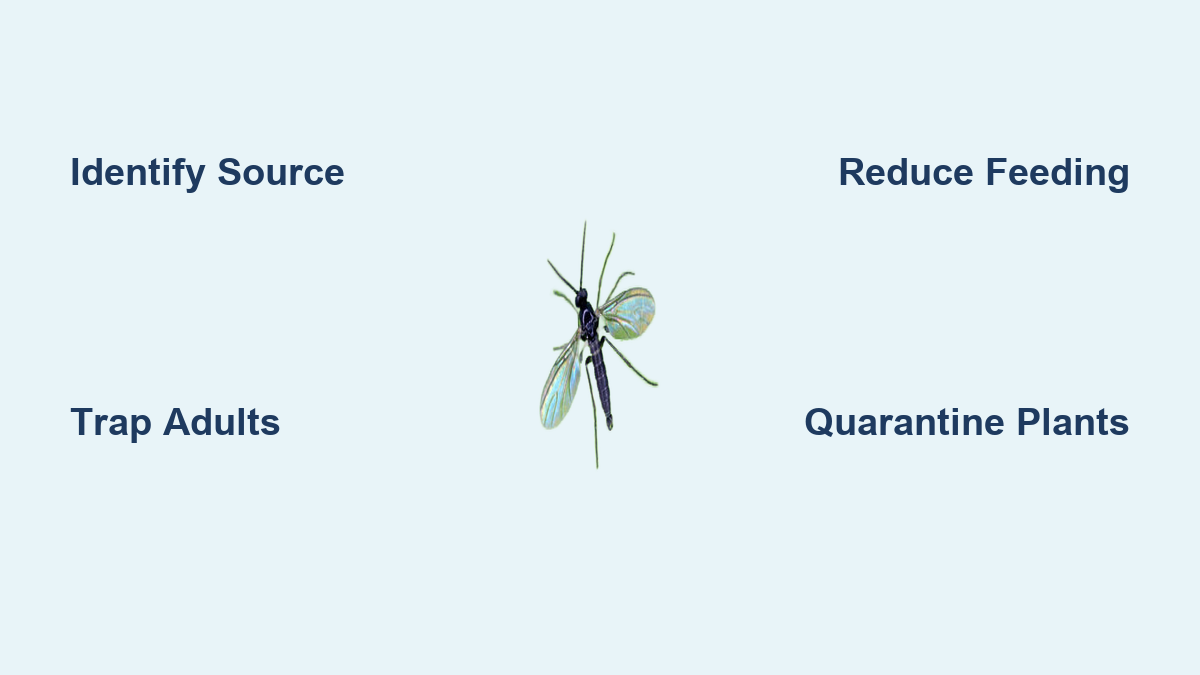
Adult fungus gnats are fragile, mosquito-like flies (2-8mm long) with dark bodies and long legs. They flutter weakly near surfaces but cannot breed in water. If you see them hovering above your tank, they’ve migrated from nearby houseplants—especially if those plants sit in saucers of standing water. Their presence signals a breeding ground outside your aquarium. Meanwhile, the “worms” you spot in the water are almost certainly not gnat larvae. Detritus worms (thin, white, thread-like) or seed shrimp (tiny seed-shaped crustaceans) thrive on excess food and waste. While unsightly, they’re harmless indicators of overfeeding—not an aquatic gnat infestation.
Why Detritus Worms and Seed Shrimp Get Mistaken for Gnats
When detritus worm populations explode, they form visible clouds in the water column, especially during tank cleanings. Seed shrimp multiply rapidly in nutrient-rich water, creating a “snow globe” effect. Both are beneficial scavengers that consume decaying matter—but their sudden appearance after adding new plants or overfeeding tricks aquarists into thinking they’re dealing with pests. Key visual clues:
– Detritus worms: White, thread-like, 1-5mm long, wriggle actively when disturbed
– Seed shrimp: Brownish, oval-shaped, 0.5-1mm, “hop” through water
– True gnat larvae (rare in tanks): Translucent with black heads, found only in damp substrate—not submerged water
Identify the Source: Is It Fungus Gnats or Tank Microfauna?

Step 1: Observe Flying Adults Above the Water Surface
Place yellow sticky traps horizontally 1-2 inches above the waterline. If you catch 5+ dark flies within 24 hours, adult fungus gnats are the issue—they’re drawn to yellow and moisture. Note their behavior:
– ✅ Fungus gnats: Weak fliers, rest on tank glass, appear near houseplants
– ❌ Not fungus gnats: Mosquitoes (strong fliers, long proboscis) or midges (non-biting, swarm in groups)
Step 2: Check for Larvae in the Water and Substrate
Use a flashlight at a 45-degree angle to scan the water surface and substrate. Gently stir the gravel:
– Detritus worms: Burst from substrate when disturbed, retreat quickly
– Seed shrimp: Scatter rapidly when light hits, often cling to glass
– Warning sign: If you see larvae with black heads in damp tank lid or hood crevices, it’s a true gnat infestation requiring immediate action
Step 3: Inspect Nearby Houseplants for Breeding Sites
Check all potted plants within 10 feet of your aquarium. Squeeze the soil—if it feels moist 1 inch down, it’s a gnat nursery. Look for:
– Tiny black flies emerging when you water
– Silvery trails on soil surface (larval feeding paths)
– Adults hovering near plant leaves
Immediate Fixes: Remove Adult Gnats and Larvae Without Harming Fish
How to Trap Flying Gnats with Yellow Sticky Cards

Deploy 2-3 commercial sticky traps (or DIY cards coated with petroleum jelly) on the tank’s rim. Critical tip: Position traps above the waterline to avoid splashes. Replace every 3-5 days until catches drop below 2 flies/day. This breaks the breeding cycle within 2 weeks. Never use aerosol sprays—fumes can suffocate fish through gills.
Surface Skimming: Remove Larvae Without Chemicals
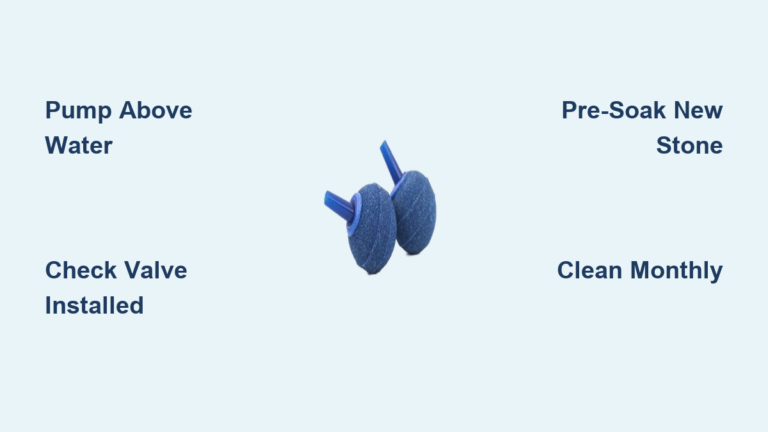
Dampen a paper towel and skim the water’s surface in slow, deliberate strokes. Focus on corners where larvae cluster. Pro move: Tilt the tank slightly to concentrate pests in one area. Repeat daily for 3 days. This also removes the oily biofilm that attracts egg-laying adults. For severe cases, add an air stone to agitate the surface—gnats avoid turbulent water for breeding.
Boost Surface Agitation to Disrupt Gnat Breeding
Redirect your filter output to skim the surface or add a sponge pre-filter. Ideal setup: Create rippling movement across 70% of the water surface. This serves two purposes:
1. Prevents adult gnats from laying eggs (they require still water)
2. Increases oxygen levels, accelerating decomposition of pest food sources
Within 48 hours, you’ll see fewer adults hovering near the tank.
Biological Controls: Best Fish and Shrimp to Eat Gnat Larvae
Top 3 Fish Species for Gnat Larvae Control
Introduce small, surface-feeding fish that devour larvae without disturbing tank balance:
1. Ember Tetras (5+ in schools): Sift surface debris, consume larvae in <90 seconds
2. Endler’s Livebearers: Active hunters that patrol upper water columns
3. Zebra Danios: Hardy, fast-swimming, ideal for coldwater tanks
Avoid large-mouthed fish like goldfish—they’ll ignore tiny pests. Add only 2-3 fish per 10 gallons to prevent overcrowding.
Effective Shrimp and Snail Cleanup Crews
For planted tanks or shrimp-safe setups:
– Amano shrimp: Voracious algae and detritus eaters (1 per 5 gallons)
– Nerite snails: Scour glass and decor, consuming biofilm that feeds pests
Quarantine first: Dip new shrimp/snails in 1.5% alum solution for 5 minutes to kill hitchhikers.
The 4-Week Gnat Eradication Plan for a Clean Tank
Weeks 1-2: Deep Clean and Starve the Pests
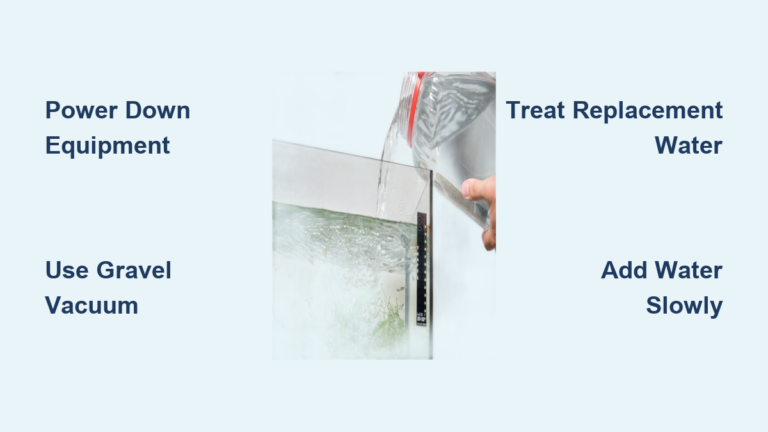
Day 1: Perform 30% water change using a gravel vacuum to remove 90% of larvae/eggs from substrate. Clean all decor with old tank water (never tap water—it kills beneficial bacteria).
Daily: Feed fish 50% less—only what they consume in 60 seconds. Remove uneaten food immediately.
Every 3 days: Replace sticky traps. By Day 14, adult gnat sightings should drop 80%.
Weeks 3-4: Correct and Prevent Recurrence
Day 21: Do a 20% water change, vacuuming only high-traffic substrate areas. Add 1-2 Amano shrimp if compatible.
Ongoing: Maintain strict feeding limits. Trim dead plant leaves weekly. By Day 30, microfauna populations will normalize as food sources diminish. Success indicator: Zero new larvae spotted for 7 consecutive days.
Prevent Future Infestations: Quarantine New Plants and Fish
How to Dip New Plants to Kill Pest Eggs
Before adding plants:
1. Submerge in 3% hydrogen peroxide solution (1 part H₂O₂ : 2 parts tank water)
2. Swish gently for 2 minutes—bubbles indicate pest die-off
3. Rinse thoroughly under dechlorinated water
Never skip this step: 1 contaminated plant can introduce 200+ gnat eggs.
Quarantine Tank Protocol for New Additions
Isolate all new plants/fish in a bare 5-gallon tank for 14 days:
– Use sponge filter from established tank for bacteria
– Check daily for pests with flashlight
– Treat with Mosquito Bits (Bti-based) on Day 1 if any larvae appear
This catches 99% of hitchhikers before they reach your main display.
5 Costly Mistakes When Removing Gnats from Aquariums
Mistake #1: Overfeeding Your Fish (The #1 Cause)
Excess food decays into ammonia, fueling microfauna blooms. Fix: Use a timer—feed only during daylight when fish are active. Remove leftovers after 2 minutes.
Mistake #2: Using Chemical Insecticides Near the Tank
Even “natural” sprays like neem oil destroy gill function. Safer alternative: Bti Mosquito Bits added to filter (1 tablet per 10 gallons) kills larvae without harming fish.
Mistake #3: Ignoring External Breeding Sites
Treating the tank while houseplants harbor gnats guarantees recurrence. Critical step: Apply Mosquito Bits to plant soil or use yellow sticky traps on pots.
How to Reset Your Aquarium After Severe Gnat Infestation
Step-by-Step Tank Reset Without Harming Beneficial Bacteria
For extreme cases with persistent larvae:
1. Move fish to holding tank with 50% old tank water
2. Drain display tank, remove all substrate
3. Soak decor in 1:20 bleach solution for 15 minutes, then triple-rinse
4. Replace filter media with aged media from holding tank
5. Refill with dechlorinated water, add bottled bacteria
Never skip step 5—this preserves your nitrogen cycle. Cycle for 7 days before reintroducing fish.
Why Your Gnat-Free Aquarium Will Stay Clean Long-Term
Eliminating gnats isn’t about killing bugs—it’s about creating an ecosystem where pests can’t thrive. By reducing food waste through precise feeding and weekly vacuuming, you starve the microfauna that attract adult gnats. The sticky trap method breaks breeding cycles in under 14 days when paired with surface agitation. Most importantly, strict plant quarantine stops 95% of infestations before they start. Remember: a few detritus worms are normal in healthy tanks—they’re nature’s cleanup crew. Only act when populations explode due to overfeeding. Commit to the 4-week plan, and you’ll enjoy crystal-clear water with no more swarming pests. Your fish will thank you with vibrant colors and active swimming—proof that balance has returned to your underwater world.