Types of Aquarium Filters Explained
Your aquarium’s filter isn’t just equipment—it’s the invisible guardian of your underwater ecosystem. Choose wrong, and you’ll battle cloudy water, algae explosions, and stressed fish that refuse to thrive. With so many different types of aquarium filters competing for your attention, the decision feels overwhelming whether you’re setting up your first 5-gallon betta bowl or a 125-gallon cichlid fortress. The right filtration system creates crystal-clear water while nurturing the invisible bacteria colonies that keep toxins at bay. This guide cuts through the confusion by breaking down every major filter type’s mechanics, ideal applications, and hidden pitfalls so you can match the perfect system to your specific tank’s personality.
Most beginners don’t realize filtration operates in three critical stages: mechanical (trapping debris), biological (converting ammonia), and chemical (removing dissolved pollutants). No single filter excels at all three equally, which is why understanding these different types of aquarium filters transforms you from a reactive troubleshooter into a proactive ecosystem architect. Stop guessing which system belongs in your setup—let’s examine each option through the lens of real-world performance.
Sponge Filters: Gentle Biological Powerhouses for Delicate Setups
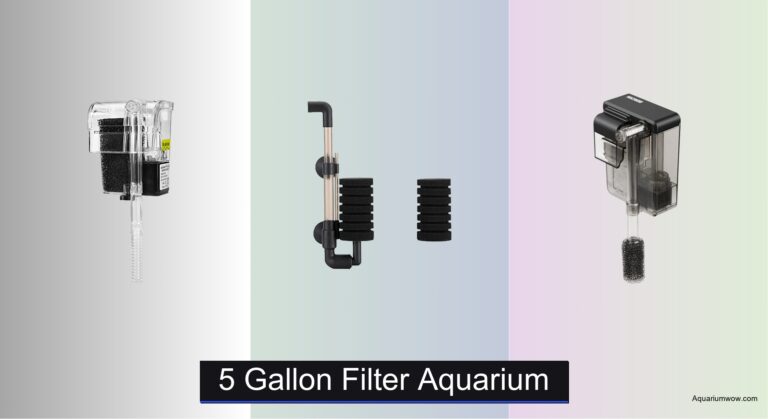
These unassuming workhorses dominate breeding tanks and shrimp colonies for one irreplaceable reason: they won’t suck up baby fish or tiny invertebrates. Unlike aggressive filters that create dangerous currents, sponge filters operate through passive water movement where air bubbles or a small pump gently pull water through porous foam.
How Sponge Filtration Creates Safe Havens
Water enters the sponge’s microscopic pores, trapping visible debris while providing massive surface area for nitrifying bacteria to colonize. The constant water flow through this living matrix converts deadly ammonia into less harmful compounds without disturbing delicate tank inhabitants. When you lift the sponge during maintenance, you’ll see its tan-to-brown coloring—a visual indicator of healthy bacterial colonization.
Critical Pros and Cons for Shrimp and Fry Keepers
✓ Must-know advantages:
– Zero risk to baby fish or shrimp due to ultra-low flow
– Self-sustaining bacterial colonies survive power outages
– Costs under $15 with near-zero energy consumption
✗ Reality checks:
– Frequent cleaning needed in messy tanks (goldfish owners beware)
– Limited mechanical filtration for larger particles like uneaten flakes
– Foam blocks visibility in planted tanks unless cleverly hidden
Pair sponge filters with undergravel plates in 5-20 gallon shrimp tanks for unmatched biological stability. They’re the secret weapon for raising sensitive species like crystal red shrimp or discus fry where water current alone can cause mortality.
Hang-On-Back Filters: The Beginner’s Reliable Workhorse

If you’ve ever walked into a pet store, you’ve seen these ubiquitous units clinging to tank rims. Hang-on-back (HOB) filters earned their popularity by delivering balanced filtration with plug-and-play simplicity—making them the top choice for 70% of starter community tanks.
Why Water Cascades Improve Oxygen Exchange
HOB filters create a self-sustaining cycle: intake tubes pull water upward into the unit where it flows through layered media trays. Mechanical sponges catch debris first, followed by chemical carbon pads and biological ceramic rings. The final cascade back into your tank isn’t just for show—it supercharges oxygen levels critical for fish health, especially in warmer waters where oxygen solubility drops.
When to Choose HOB Over Other Filters
✓ Ideal scenarios:
– 10-55 gallon community tanks with tetras, guppies, or angelfish
– New hobbyists needing foolproof maintenance (just swap cartridges monthly)
– Tanks requiring strong surface agitation for oxygen-hungry species
✗ Dealbreakers:
– Avoid in planted tanks where carbon strips essential fertilizers
– Limited media space restricts bacterial colonies in heavily stocked tanks
– Audible gurgling may disturb light-sensitive species like dwarf crayfish
For a 20-gallon community tank, an HOB filter running at 200 GPH processes the entire water volume 10 times hourly—hitting the sweet spot between gentle flow and thorough cleaning. Just remember: never rinse media under tap water (chlorine kills bacteria)—use tank water during water changes.
Canister Filters: Heavy-Duty Performance for Demanding Setups

When your 75-gallon planted tank houses messy Oscars or your reef aquarium demands surgical water clarity, canister filters become non-negotiable. These external powerhouses sit beneath your stand, silently moving water through customizable media chambers that outperform all-in-one units.
Multi-Stage Filtration You Can Customize
Water travels through flexible tubing into the sealed canister where it sequentially passes through:
1. Pre-filter sponge (mechanical)
2. Ceramic rings or bio-balls (biological)
3. Chemical media like phosphate removers (for algae control)
The pressurized return pump then shoots purified water back through directional nozzles you position for optimal flow.
Who Should Invest in Canister Systems
✓ Worth every penny if:
– You maintain tanks 55+ gallons with high bioloads (cichlids, goldfish)
– Planted tank enthusiasts needing chemical-free filtration (skip carbon)
– Noise-sensitive environments—these operate near-silently
✗ Consider alternatives when:
– Budget is under $100 (entry models start at $120)
– You dread quarterly teardowns (requires 20 minutes of hands-on cleaning)
– Stand space is extremely limited (units measure 12″+ tall)
For a 125-gallon African cichlid tank, a Fluval FX6 processes 1,000 gallons hourly—crucial when these fish produce waste 3x faster than tetras. Position intake tubes near the substrate to vacuum fish waste before it decays.
Internal Filters: Space-Saving Solutions for Compact Tanks
Don’t underestimate these submerged units when tank real estate is precious. Internal filters fit vertically against the back glass of nano tanks, delivering targeted filtration where hang-on-back units would dominate the entire rim.
How Submerged Pumps Maximize Small Spaces
A compact impeller draws water through an internal media basket containing sponges, carbon, and bio-media. Unlike external filters, everything happens inside your tank—but smart placement behind driftwood or plants hides the unit while directing flow toward dead zones.
Maximizing Limited Media Capacity
✓ Strategic advantages:
– Perfect secondary filters for hospital tanks needing chemical treatment
– Silent operation ideal for desktop betta vases under 3 gallons
– Instant flow adjustment—turn dials to match shrimp’s low-current needs
✗ Limitations to acknowledge:
– Media baskets clog in 48 hours during medication treatments
– Occupies 1-2 inches of tank width (problematic in 5-gallon cubes)
– Limited biological capacity for tanks over 20 gallons
In a 10-gallon shrimp tank, position an internal filter’s outflow toward the surface to boost oxygen without creating currents that stress neocaridina shrimp. Clean media weekly using tank water to preserve bacterial colonies.
Undergravel Filters: Low-Flow Biological Systems for Specific Setups
Though overshadowed by modern options, undergravel filters remain unmatched for certain applications. This old-school system turns your entire substrate bed into a living biological filter—ideal when surface agitation would disturb delicate species.
How Substrate Becomes Your Filter Media
A perforated plate sits beneath gravel or sand, connected to uplift tubes where air stones or powerheads create suction. Water percolates downward through the substrate, allowing anaerobic bacteria to thrive in deeper layers—converting nitrate into harmless nitrogen gas through a process impossible in oxygen-rich filters.
When This System Still Shines
✓ Optimal for:
– Coldwater tanks housing slow-moving fish like white cloud minnows
– Planted tanks using deep sand beds (0.5-2mm grain size)
– Budget setups under $30 for 20-gallon tanks
✗ Critical drawbacks:
– Vacuuming requires complete substrate breakdown during cleaning
– Clogs irreversibly if fine sand compacts (use coarse gravel)
– Creates dead spots where waste accumulates under decor
Pair undergravel filters with sponge pre-filters in 30-gallon goldfish tanks to prevent debris from clogging the plate. Never use in tanks with digging fish like Corydoras—they’ll collapse the entire system.
Wet/Dry and Sump Systems: Precision Filtration for Reef Tanks
When your $500 coral frag demands laboratory-grade water, wet/dry filters paired with sumps become essential. These industrial-grade systems overflow water into a hidden compartment where filtration occurs away from your display tank.
Why Water Exposure to Air Boosts Bacterial Efficiency
In the sump’s “trickle tower,” water rains over bio-balls exposed to oxygen—allowing bacteria colonies 3x larger than submerged media. Simultaneously, protein skimmers remove organic waste before it breaks down, while refugiums grow macroalgae that absorb nitrates. The result? Near-zero detectable ammonia in reef environments.
Who Needs This Complex Ecosystem
✓ Non-negotiable for:
– Saltwater reef tanks over 40 gallons
– Planted tanks using CO2 injection (sumps hide equipment)
– Large freshwater predators like arowanas requiring 10x turnover
✗ Barriers to entry:
– Requires custom cabinet modifications for tank stands
– Initial setup costs $300+ for quality components
– Demands weekly skimmer cup cleaning and media checks
For a 90-gallon reef tank, a 30-gallon sump provides 25% extra water volume—diluting toxins during emergencies. Always include a return pump with flow control to match your tank’s bioload.
Fluidized Bed Filters: High-Efficiency Biological Power in Tight Spaces
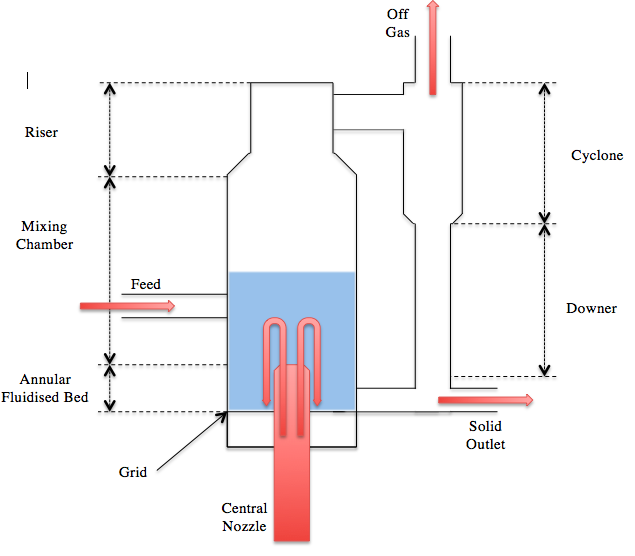
When tank space is limited but bioload is extreme, fluidized beds deliver outsized performance. These specialized units force water upward through fine sand, suspending the media in constant motion to maximize bacterial exposure.
Why Suspended Media Doubles Bacterial Efficiency
As water velocity increases, sand particles float in a “fluidized” state, constantly abrading to expose fresh surfaces. This dynamic environment supports 2x more nitrifying bacteria per cubic inch than static media—critical when housing messy fish like koi in small ponds.
Strategic Applications and Pitfalls
✓ Game-changers for:
– Quarantine tanks housing sick fish producing excess mucus
– Turtle tanks where mechanical filters clog instantly
– Supplementing canister filters in high-waste systems
✗ Operational challenges:
– Requires pre-filtering to prevent sand from clouding water
– Tunze units produce noticeable hum (not for bedrooms)
– Media channels if flow rate drops below 500 GPH
Pair fluidized beds with canister filters in 55-gallon goldfish tanks—they handle biological load while the canister manages mechanical debris. Monitor flow rates weekly; even 10% reduction causes media settling.
Matching Filter Types to Your Tank’s Unique Needs
Your fish don’t care about filter specs—they care about stable water parameters. The right choice depends entirely on three non-negotiable factors: physical space, biological demands, and your willingness to maintain the system.
Tank Size Dictates Minimum Flow Requirements
A 5-gallon betta tank needs only 50 GPH to prevent stagnant zones, while a 180-gallon cichlid tank requires 1,800 GPH. Undersized filters cause deadly ammonia spikes within 48 hours in new setups. Always choose filters rated for 1.5x your actual tank volume—so a 20-gallon tank needs a 30-gallon rated unit.
Species-Specific Flow and Filtration Demands
Delicate species like endlers or crystal shrimp need sponge filters with flow under 100 GPH. High-waste fish like Oscars demand canister filters with extra bio-media baskets. Saltwater corals require sumps with protein skimmers to maintain 0ppm phosphate. Never force a hang-on-back filter into a reef tank—it lacks the chemical filtration capacity for nutrient control.
Honest Maintenance Time Assessment
Sponge filters need weekly squeezing but take 2 minutes. Canister filters require quarterly 30-minute teardowns. Sump systems demand daily skimmer checks. Choose a system matching your actual schedule—not aspirational maintenance promises. A neglected canister filter becomes a toxic waste dump.
Your filter choice shapes your aquarium’s entire ecosystem. Prioritize biological stability over mechanical convenience—healthy bacteria colonies prevent 90% of common water issues. Start with sponge filters for breeding projects, HOBs for beginner community tanks, and canisters for anything over 30 gallons. When in doubt, oversize your filter: it’s cheaper than replacing dead fish. Now that you’ve mastered these different types of aquarium filters, watch your tank transform from a fragile bubble to a self-sustaining underwater world.