Biological Filtration in Aquariums: How It Works
Your fish are gasping at the surface, and your test kit shows dangerous ammonia levels—but the water looks crystal clear. This invisible crisis strikes 70% of new aquarium owners within the first month, all because their biological filtration aquarium system hasn’t properly established. Without billions of beneficial bacteria working 24/7 to neutralize toxins, even a pristine-looking tank becomes a death trap for fish. In this guide, you’ll discover exactly how to build, maintain, and troubleshoot the living heart of your aquarium. You’ll learn why porous media matters more than you think, how to cycle safely without harming fish, and the one cleaning mistake that crashes your entire system in minutes.
Biological filtration isn’t just another filter component—it’s the self-sustaining ecosystem that converts deadly fish waste into safe water through nature’s chemistry. When properly established, this invisible workforce handles 95% of water purification, eliminating the need for constant water changes and chemical additives. Most beginners focus solely on mechanical filtration (trapping debris), but neglect the biological layer where life-or-death transformations happen. By the end of this guide, you’ll know precisely how to cultivate and protect your bacterial colony, turning your aquarium into a stable, self-regulating environment where fish thrive for years.
How Toxic Ammonia Becomes Safe Nitrate in Your Tank
Fish waste and decaying food instantly create ammonia—the silent killer in aquariums. Even 0.5 ppm can burn gills and damage organs, yet you won’t see cloudiness or odor. Your biological filtration aquarium system tackles this through a two-stage bacterial process. First, Nitrosomonas bacteria consume ammonia, converting it into nitrite. Though less volatile, nitrite remains deadly as it blocks oxygen transport in fish blood. Within days, Nitrospira bacteria activate, transforming nitrite into nitrate—a far less toxic compound manageable through weekly water changes or live plants.
Why the Second Bacterial Stage Takes Longer to Establish
Nitrospira bacteria reproduce 10x slower than ammonia-eaters, creating a dangerous bottleneck during cycling. You’ll often see “nitrite spikes” where readings soar after ammonia drops, catching new hobbyists off guard. This phase typically lasts 7-14 days and requires vigilant testing. Never add fish during this period—wait until both ammonia and nitrite consistently read 0 ppm. Speed this process by seeding your filter with media from an established tank, which introduces ready-to-work Nitrospira colonies.
The Critical Role of Oxygen in Bacterial Conversion
Every ammonia-to-nitrate transformation demands abundant oxygen. Nitrosomonas requires 2.5-7 oxygen molecules per ammonia molecule, while Nitrospira needs additional O₂ for nitrite processing. Without surface agitation or air stones, your bacterial colony suffocates mid-cycle. Position your filter outlet to break the water’s surface, creating ripples that maximize gas exchange. In warm tanks (82°F+), double-check oxygen levels—bacterial metabolism accelerates with heat but consumes oxygen faster.
Ceramic Rings vs. Sponge: Which Media Actually Works Better
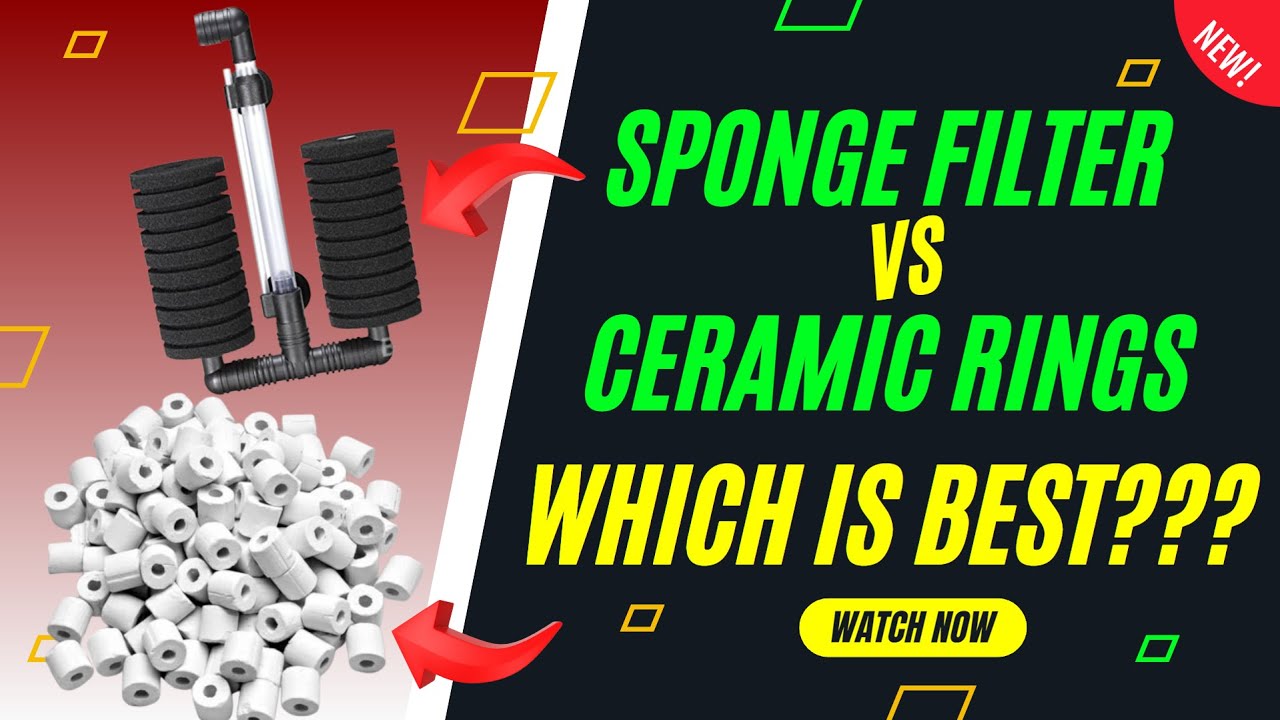
The aquarium community fiercely debates whether porous ceramics or foam sponges create superior biological filtration. Ceramic rings boast massive surface area (300-700 m²/L) through microscopic pores, theoretically housing trillions of bacteria. But critics argue water takes the “path of least resistance,” flowing around dense rings instead of through their pores—potentially wasting 90% of advertised surface area. Sponge proponents counter that fine-pore foam (20-50 PPI) forces 100% of water through its matrix, ensuring total bacterial contact while trapping debris that clogs ceramic media.
Why Sponge Media Prevents Filter Channeling
In canister filters, water naturally seeks gaps between ceramic rings, creating “flow channels” that bypass interior surfaces. Sponge eliminates this by conforming tightly to filter chambers. Cut foam to fill every inch of space—no gaps mean no shortcuts for water. This also provides dual mechanical/biological filtration: the outer layer catches debris while inner zones host bacteria. For best results, layer coarse sponge first (to trap large particles), followed by fine sponge as your primary biological media.
When Ceramic Rings Outperform Sponge
Deep sand beds or sumps benefit from ceramic rings’ anaerobic potential. In low-oxygen zones deep within the media, denitrifying bacteria can convert nitrate into harmless nitrogen gas—reducing water change frequency. This only works in mature, high-flow systems where outer layers stay oxygenated while cores remain anoxic. For standard hang-on-back filters, sponge remains the safer choice to prevent channeling. Never mix media types haphazardly; place ceramics after mechanical filtration to avoid clogging.
Water Flow Secrets to Maximize Bacterial Efficiency

Your filter’s flow rate directly determines whether bacteria feast or starve. Too slow, and toxins bypass colonies before conversion. Too fast, and bacteria get scoured off media surfaces. The sweet spot? A turnover rate of 4-6x your tank volume per hour (e.g., 240 gallons/hour for a 40-gallon tank). This ensures water contacts bacteria long enough for full conversion without damaging biofilms.
How to Test for Proper Media Saturation
Place a pinch of glitter upstream of your biological media. If particles flow through the media (not around it), contact time is sufficient. If glitter bypasses media, reduce flow rate by 20% or rearrange media to eliminate gaps. For sponge filters, compress foam slightly to increase resistance—this forces water through pores instead of gaps. In canisters, stagger media layers in a “stair-step” pattern to prevent channeling.
The Temperature-Flow Connection You’re Missing
Bacterial processing speed doubles with every 18°F (10°C) temperature increase. At 77°F, your filter handles standard bioloads. At 86°F, it processes waste twice as fast—but requires proportionally more oxygen. If you raise tank temperature, increase surface agitation immediately. Never exceed 88°F in cycled tanks, as Nitrospira bacteria begin dying above this threshold.
How to Cycle Your Tank Without Endangering Fish
Fish-in cycling causes unnecessary stress and mortality—skip it entirely with these fishless methods. Dose pure ammonia (0.5 ppm daily) or add 1 tsp fish food per 10 gallons to feed bacteria. Test water every 48 hours: ammonia should drop within days as Nitrosomonas activates, followed by nitrite spikes. When nitrate appears and both ammonia/nitrite hit 0 ppm for 72 hours straight, your biological filtration aquarium system is ready. This takes 4-8 weeks but saves lives.
Accelerate Cycling with These Proven Tactics
Seed your new filter with a ceramic ring or sponge chunk from an established tank—this cuts cycling time by 50%. Add live plants like java moss that absorb ammonia directly. Maintain pH 7.5-8.0 during cycling (use crushed coral if needed), as nitrifiers stall below pH 6.5. Never change more than 25% of water during cycling—you’d remove the ammonia bacteria need for food.
Oxygen: Why Your Filter Bacteria Can’t Breathe Without It
Nitrifying bacteria consume oxygen 24/7—without it, they die within hours. Surface agitation from your filter outlet is non-negotiable; if water looks like a “mirror,” you’re in crisis mode. Add an air stone if bubbles aren’t breaking the surface, especially in warm tanks. During power outages, manually stir water every 30 minutes to maintain oxygen levels. Medications like erythromycin also deplete oxygen—double aeration when treating sick fish.
Avoid These 3 Biological Filter Killers
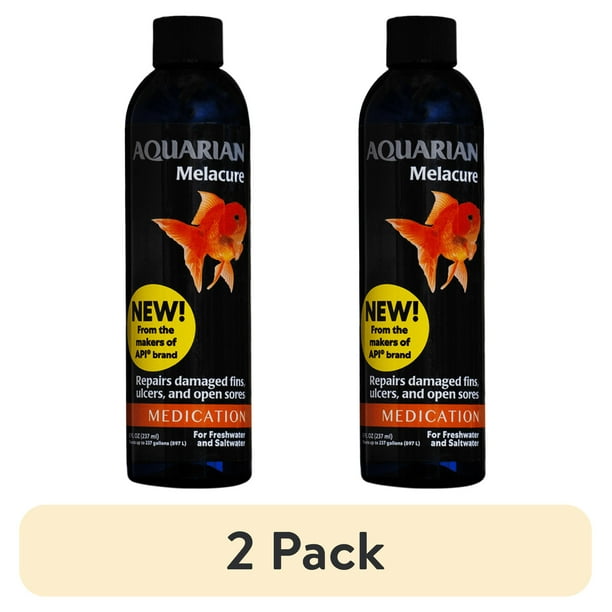
Chlorine in tap water is public enemy #1. Never rinse media under the faucet—chlorine annihilates bacteria in seconds. Always use tank water or dechlorinated water for maintenance. Copper-based medications (for ich) are equally lethal; treat sick fish in a quarantine tank. Finally, overcleaning destroys colonies: replacing all media at once crashes your cycle. Clean only 1/3 of media per month, and never sterilize it.
The Right Way to Clean Biological Media Without Crashing Your Cycle
During water changes, squeeze sponge media in a bucket of removed tank water—never tap water. Swish ceramic rings gently until debris floats away, but avoid scrubbing. If media is caked with sludge, reduce feeding and increase aeration for 48 hours before cleaning. Never replace media unless it’s disintegrating; aged media hosts the most efficient bacteria. When adding new media, place it beside old media for 2 weeks to transfer bacterial colonies.
Emergency Fixes for Ammonia Spikes
If tests show ammonia >0.5 ppm, act immediately:
1. Perform a 50% water change with dechlorinated, temperature-matched water
2. Add API Ammo Lock to neutralize ammonia for 48 hours
3. Turn off filter for 10 minutes to let bacteria recover from shock
4. Dose with Seachem Stability to boost bacterial colonies
5. Stop feeding for 3 days to reduce waste production
Do NOT clean filters during spikes—this removes your only defense.
Biological filtration aquarium systems aren’t optional add-ons—they’re the living engine that makes aquatic life possible. By optimizing media selection, flow dynamics, and maintenance routines, you transform your filter from a passive device into an active life-support system. Remember: stable pH between 7.0-8.5, consistent temperatures of 77-86°F, and oxygen-rich water are non-negotiable for bacterial health. Never underestimate the power of established media—always save a ceramic ring or sponge chunk when upgrading filters to seed future tanks. Within 8 weeks of proper cycling, your biological filtration will handle daily waste effortlessly, letting you enjoy vibrant, thriving fish instead of constant water testing. Start today by checking your filter’s flow path—ensure water moves through media, not around it—and you’ll build an ecosystem that balances itself for years.