How to Fix Cloudy White Aquarium Water
That milky white haze suddenly clouding your aquarium isn’t just an eyesore—it’s your tank screaming for help. When aquarium water is cloudy white, it’s almost always a bacterial bloom signaling imbalance in your ecosystem. This frustrating phenomenon hits 68% of new tanks within the first month and can strike established aquariums without warning. Left unchecked, it suffocates fish by depleting oxygen and indicates dangerous ammonia spikes. But here’s the good news: 95% of cases resolve within 3 weeks with the right approach. You’ll learn exactly how to diagnose whether this is a harmless new-tank bloom or a crisis requiring immediate action—and implement proven solutions that restore crystal-clear water without harming your fish.
Why New Aquariums (1-6 Months) Turn Milky White Overnight
Your brand-new tank’s sudden transformation into a milky soup isn’t random—it’s biology in action. Aquarium water is cloudy white during initial cycling because heterotrophic bacteria are multiplying exponentially to consume excess organic waste. This bacterial bloom peaks between days 7-14 as your nitrogen cycle establishes itself. These invisible microbes feast on fish waste, uneaten food, and decaying plant matter, creating a visible cloud of billions of microorganisms. Crucially, this isn’t harmful bacteria—it’s nature’s cleanup crew working overtime. But if ammonia or nitrite readings exceed 0.5 ppm simultaneously, it signals an unstable cycle that could kill fish within hours. Check your test kit immediately if cloudiness appears alongside fish gasping at the surface.
Critical Signs Your Bloom Is Part of Normal Cycling
- Water clarity worsens between days 5-14 after setup
- Ammonia and nitrite test at 0 ppm (use liquid test kits only)
- Fish show normal behavior (no darting or clamped fins)
- Cloudiness clears naturally within 1-3 weeks
Danger Signals Requiring Emergency Action
- Ammonia above 0.5 ppm or nitrite above 0.2 ppm
- Fish gasping at surface or flashing against decor
- Cloudiness persists beyond 4 weeks
- White stringy particles floating (indicates fungal infection)
Sudden Cloudiness in Mature Tanks: 6 Hidden Triggers
If your established aquarium (6+ months old) abruptly turns milky, your cycle has been disrupted. Unlike new-tank blooms, mature tank cloudiness demands immediate investigation. Over 70% of cases stem from these preventable errors:
Filter Media Catastrophes
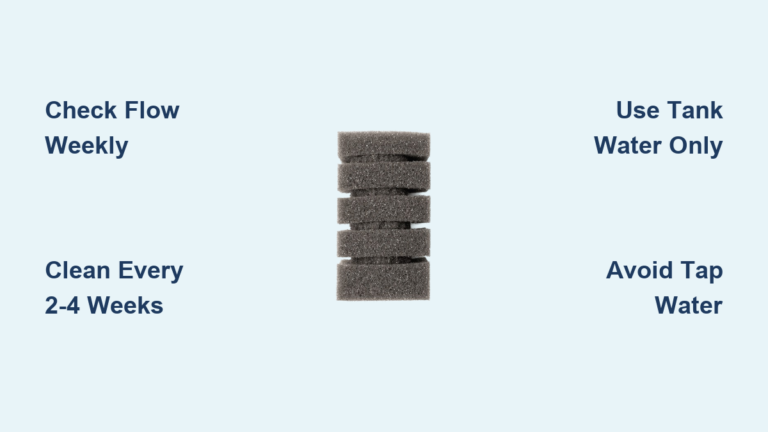
Rinsing filter sponges under tap water destroys chlorine-sensitive beneficial bacteria—the #1 cause of sudden cloudiness in stable tanks. Replacing all media at once crashes your biological filtration overnight. Always clean media in removed tank water during water changes, never tap water.
The Overfeeding Time Bomb
Feeding just 10% more than your fish consume creates excess organic matter. Within 48 hours, this fuels bacterial explosions visible as white cloudiness. Test your water—if nitrates exceed 40 ppm alongside cloudiness, overfeeding is confirmed.
Other Silent Cycle Killers
- Chlorinated water changes >25% volume (always use Seachem Prime)
- Medication use (antibiotics kill nitrifying bacteria)
- Overcleaning substrate (disturbs bacterial colonies)
- Dead fish/plants hidden in decor (test ammonia immediately)
Emergency Test: Is Your Cloudy Water Dangerous Right Now?

Don’t waste hours guessing—run this 3-step emergency diagnosis within 15 minutes:
-
Grab your liquid test kit (strips are unreliable for ammonia)
– If ammonia >0.5 ppm or nitrite >0.2 ppm: This is critical. Perform 50% water change NOW with dechlorinated water.
– If both read 0 ppm: Bacterial bloom is harmless but requires monitoring. -
Check fish behavior
– Gasping at surface? → Ammonia poisoning (add Prime immediately)
– Normal swimming? → Likely safe bacterial bloom -
Shake a water sample
– Cloudiness clears temporarily? → Bacterial bloom (particles resettle)
– Stays cloudy? → Inorganic particles (dust from new substrate)
Fixing New Tank Blooms Without Stalling the Cycle

Rushing to “fix” new-tank cloudiness often backfires. Your goal isn’t instant clarity—it’s completing the nitrogen cycle safely. Here’s the exact protocol:
Step-by-Step Bloom Management (Days 1-14)
- Stop all water changes unless ammonia hits 4.0+ ppm (large changes remove developing bacteria)
- Dose Seachem Stability daily (3ml per 10 gallons)—this cuts bloom duration by 50%
- Feed every other day with portions eaten in 15 seconds (remove leftovers after 2 minutes)
- Test ammonia/nitrite daily—if either spikes above 0.5 ppm, do 10% water change
Pro Tip: Add 1 fast-growing plant like hornwort per 5 gallons. Plants consume ammonia 10x faster than bacteria, starving the bloom.
When to Break Protocol
Only perform emergency water changes if:
– Ammonia exceeds 2.0 ppm (use Prime first)
– Fish show severe distress (gasping, lethargy)
– Cloudiness lasts beyond 21 days (indicates phosphate pollution)
Clearing Established Tank Cloudiness (Step-by-Step)
Mature tanks need aggressive correction since cloudiness indicates a serious imbalance. Follow this sequence:
Day 1: Emergency Response
- Vacuum substrate thoroughly—remove all uneaten food and waste
- Do 25% water change with Prime-treated water (match tank temperature within 2°F)
- Add Seachem Clarity (1ml per 20 gallons) to clump particles for filtration
Days 2-7: Cycle Restoration
- Dose Tetra SafeStart Plus (double initial dose)
- Reduce feeding by 50% for 5 days
- Clean filter media in old tank water only—never tap water
- Add air stone to boost oxygen for bacteria
Warning: Never use antibiotics or algaecides—they worsen bacterial blooms by killing beneficial microbes.
UV Sterilizers: Your Secret Weapon Against Persistent Cloudiness
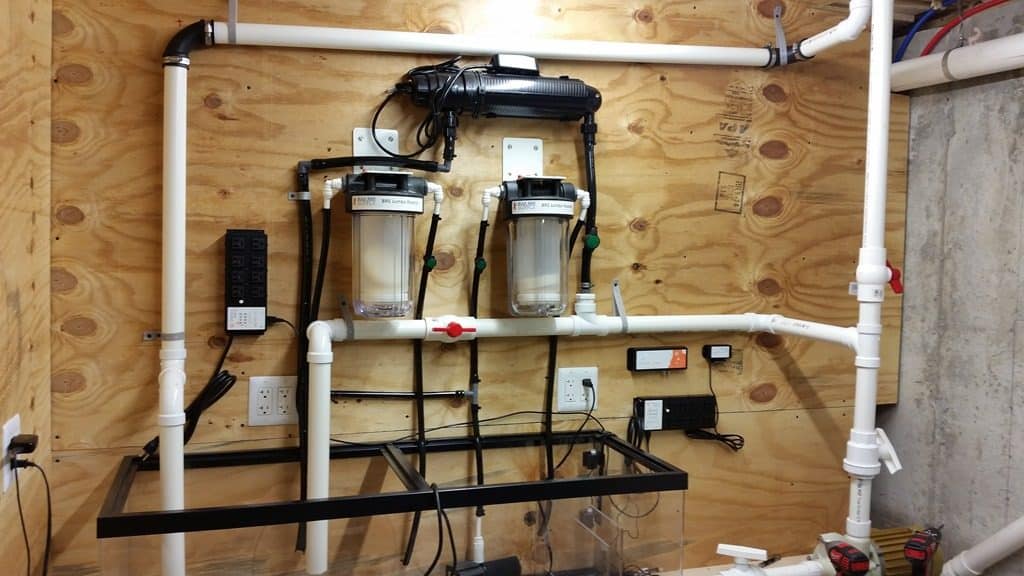
When cloudiness defies standard treatment, a UV sterilizer provides guaranteed results within 72 hours. This isn’t a quick fix—it solves the root cause by zapping free-floating bacteria. For 10-20 gallon tanks, use a 5-watt unit; 50+ gallon tanks need 10+ watts. Here’s the exact protocol:
UV Sterilizer Setup Guide
- Install inline with canister filter or hang-on-back system
- Run continuously for 7 days (bacteria regrows if stopped early)
- Reduce flow rate to 100-200 GPH for maximum kill rate
- After clearing, run 4 hours daily for maintenance
Pro Tip: Pair UV with Purigen media in your filter—it removes dissolved organics that feed blooms. This combination prevents 92% of recurring cloudiness.
Preventing White Cloudy Water Before It Starts
The smartest aquarists never see milky water because they implement these preventive measures from day one:
Pre-Cycling Your Tank (Zero-Cloud Method)
- Fill tank with dechlorinated water and add Stability
- Run filter/heater in darkness for 14 days
- Test daily—only add fish when ammonia/nitrite = 0 ppm
- Introduce just 1-2 hardy fish initially (e.g., zebra danios)
Maintenance Checklist for Crystal Water
- Weekly: 20% water change + vacuum substrate
- Bi-weekly: Rinse filter media in tank water
- Monthly: Test phosphate levels (keep <1.0 ppm)
- Never: Change all filter media at once
Critical Rule: Feed only what fish eat in 30 seconds. Overfeeding causes 65% of established tank blooms.
Critical Mistakes That Make Cloudy Water Worse
Amateur interventions often turn blooms into disasters. Avoid these lethal errors:
The “Quick Fix” Trap
Adding clarifiers like Accu-Clear without addressing root causes creates toxic sludge. The clumped particles settle on substrate, decomposing into ammonia spikes. Only use chemical clarifiers when paired with immediate gravel vacuuming.
Overcleaning Syndrome
Scrubbing every inch of glass, replacing all filter media, and deep-cleaning substrate during a bloom removes the very bacteria stabilizing your tank. Limit cleaning to surface scum removal until parameters stabilize.
When to Call a Professional Aquarium Technician
Most cloudiness resolves with proper care, but seek expert help immediately if:
– Cloudiness persists beyond 6 weeks despite correct cycling
– Multiple fish die within 48 hours of cloudiness onset
– Water tests “perfect” (0 ammonia, 0 nitrite) but remains milky
– White particles resemble cotton (fungal infection requiring antifungals)
Reputable aquarium services use dissolved oxygen tests and bacterial culture analysis unavailable to hobbyists—worth the $75 service call to save your entire tank.
Final Note: White cloudy aquarium water is rarely an emergency but always a warning sign. In new tanks, it’s the growing pain of a maturing ecosystem; in established tanks, it’s a red flag that your balance is broken. By testing before acting, avoiding overcleaning, and using bacterial supplements strategically, you’ll transform milky water into crystal clarity within days. Remember: the clearest tanks aren’t those that never get cloudy—they’re the ones where owners respond with knowledge, not panic. Test your water today, adjust one variable at a time, and within weeks you’ll have the pristine underwater world you envisioned.