Aquarium Plant Problems Chart: Quick Fix Guide
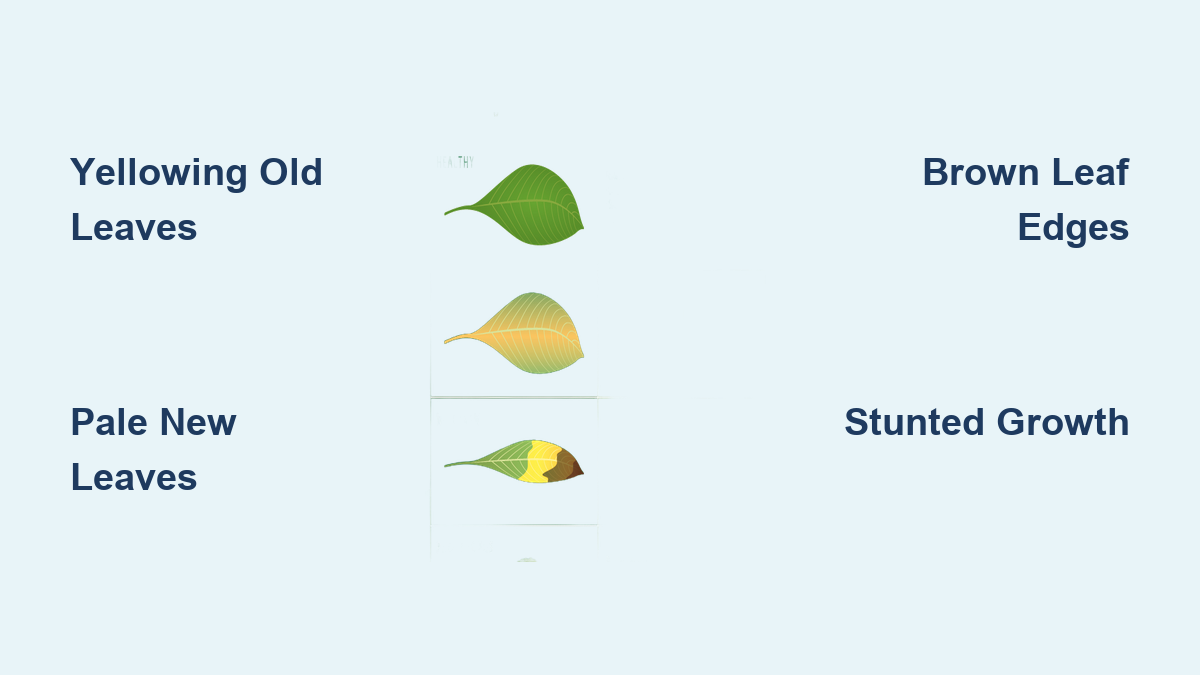
You’ve nurtured your aquatic garden for weeks, only to discover yellowing leaves, stunted growth, or mysterious spots marring your once-vibrant plants. That sinking feeling hits when you realize your carefully balanced ecosystem is signaling distress. Most aquarium plant problems stem from correctable nutrient imbalances or environmental factors—not irreversible disease. This visual aquarium plant problems chart transforms confusing symptoms into immediate solutions, helping you diagnose issues in seconds instead of days. By matching your plant’s specific visual cues to precise causes, you’ll bypass guesswork and restore lush growth within your next water change cycle.
How to Use the Aquarium Plant Problems Chart for Instant Diagnosis
Stop flipping through forums or guessing at supplements. This chart cuts through the noise by connecting visible symptoms to their most probable causes. Find your plant’s exact issue by tracing three critical clues: symptom pattern, affected leaf age, and visual characteristics. Notice whether discoloration starts on new growth or older leaves—that single detail separates mobile nutrient deficiencies (like nitrogen) from immobile ones (like iron). The chart’s “Immediate Action” column gives you the first critical step, not vague advice. For example, yellow edges on mature leaves? That’s potassium deficiency—not general “poor health.” Within 60 seconds, you’ll know whether to test nitrates, adjust CO2, or add specific supplements.
Matching Symptoms to Deficiencies: Old Leaves vs. New Growth
Mobile nutrients like nitrogen, phosphorus, and potassium move freely within plants. When deficient, older leaves sacrifice themselves to feed new growth—causing yellowing, browning, or spotting on lower foliage first. Immobile nutrients like iron, calcium, and zinc stay locked in place. Deficiencies show exclusively on brand-new leaves as pale veins, twisted growth, or interveinal chlorosis. If your plant’s youngest shoots look sickly while mature leaves stay green, rule out nitrogen/phosphorus immediately and focus on micronutrients or CO2.
Critical First Step: Rule Out Non-Nutrient Issues
Before diagnosing deficiencies, eliminate other culprits. Holes in leaves? Check for herbivorous fish like goldfish or cichlids. Translucent “melted” foliage? That’s normal adaptation in newly submerged plants—not a nutrient issue. Algae smothering leaves? This signals imbalance between light, CO2, and nutrients rather than a single deficiency. Physical damage from gravel vacuums or snail activity often mimics disease. Only proceed to nutrient diagnosis when symptoms follow the distinct patterns in the chart.
Fixing Nitrogen, Phosphorus, and Potassium Deficiencies in 3 Steps

These macronutrients drive fundamental plant processes. Deficiencies cause dramatic, rapid changes you can’t ignore. The key is recognizing which one is missing—and fixing it without triggering algae blooms.
Nitrogen Deficiency: Reviving Uniformly Yellowing Lower Leaves
When older leaves turn pale yellow from edge to vein while new growth stays green, nitrogen is the culprit. Test nitrates immediately—levels below 10 ppm confirm deficiency. Do not dump in liquid fertilizer. First, perform a 50% water change to reset parameters, then dose a comprehensive fertilizer at 50% strength. Within 7 days, new growth should green up while affected older leaves naturally shed. Overdosing causes explosive algae growth, so increase doses gradually only if no improvement occurs.
Phosphorus Deficiency: Restoring Growth from Purple-tinged Foliage
Plants screaming for phosphorus develop dark bluish-green or reddish-purple undersides on mature leaves, paired with severe stunting. Test phosphate (PO4) levels—if below 0.5 ppm, act fast. Low pH (<6.0) locks up phosphorus, so check acidity first. Critical mistake to avoid: Adding phosphorus supplements alone. Pair it with potassium to prevent imbalance. Dose potassium sulfate (K2SO4) alongside your phosphate supplement at half-strength for three days. Monitor for new leaf growth within 10 days.
Potassium Deficiency: Stopping Brown Edges on Mature Leaves
Brown or yellow “scorched” margins starting on older leaves are potassium’s distress signal. Unlike nitrogen deficiency, veins often stay green while tissue between them yellows. Test potassium levels—below 10 ppm requires intervention. Pro tip: Crush potassium sulfate crystals into powder before dosing to prevent localized spikes that burn roots. Add 1/8 teaspoon per 20 gallons daily for three days after a water change. Within a week, new leaves should develop crisp green edges without browning.
Solving Iron, Magnesium, and Calcium Deficiencies: New vs. Old Leaf Patterns
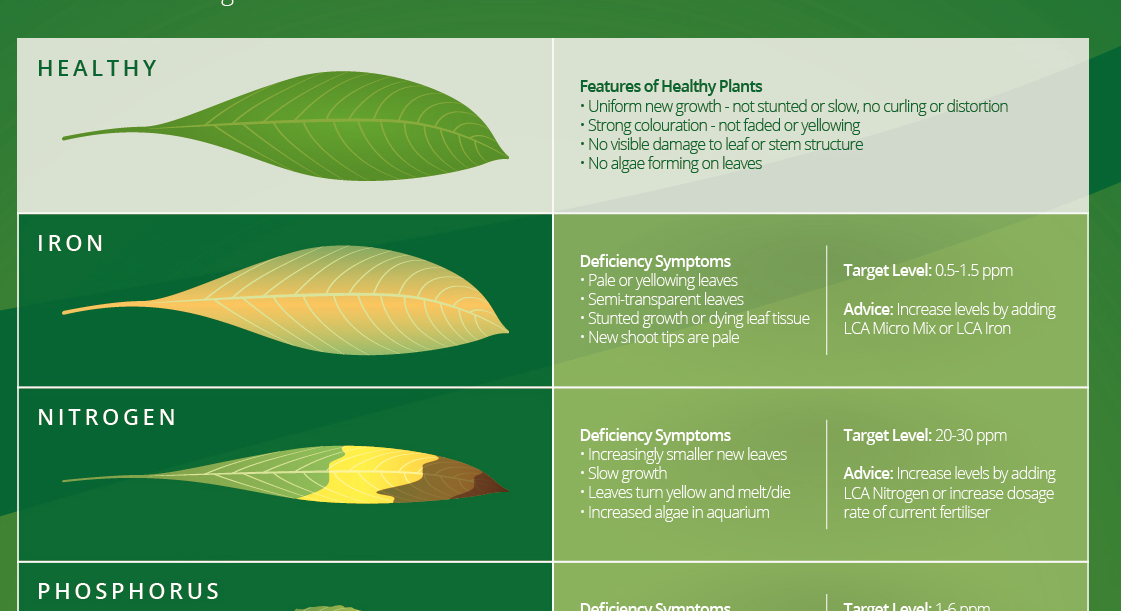
Micronutrient issues require precision—too little causes deficiency, too much triggers algae. Diagnosis hinges entirely on which leaves show symptoms first.
Iron Deficiency: Saving Pale New Leaves with Chelated Supplements
Interveinal chlorosis (green veins against yellow tissue) on brand-new growth means iron deficiency. Standard iron supplements fail in alkaline water (pH >7.0), so only use chelated iron (Fe-EDDHA) which works up to pH 9.0. Dose at 1/2 strength every other day for a week. Check results by examining emerging leaves—they should show deeper green between veins within 5 days. Never dose full strength; excess iron fuels green spot algae.
Magnesium Deficiency: Correcting Yellow Vein Patterns on Older Leaves
When mature leaves develop yellow patches between green veins, magnesium is low. This mimics iron deficiency but affects older growth. Test GH—low hardness (<4 dGH) confirms the issue. Emergency fix: Dissolve 1 teaspoon Epsom salt (magnesium sulfate) per 20 gallons in tank water, then pour slowly near filter output. Avoid direct substrate contact to prevent cloudiness. New growth should strengthen within 7 days, but damaged leaves won’t recover.
Calcium Deficiency: Fixing Twisted Growth in Soft Water Tanks
Twisted new leaves with black spots indicate calcium deficiency—common in soft water setups (GH <3 dGH). Test GH immediately; below 4 dGH requires correction. Do not add calcium carbonate (it raises pH dangerously). Instead, dose calcium chloride at 1/4 teaspoon per 20 gallons during water changes. Monitor pH closely—ideal range is 6.5-7.2 for calcium uptake. Growth should straighten within 10 days as new leaves unfurl normally.
Why CO2 and Light Imbalances Cause More Plant Problems Than Nutrients
Over 60% of “nutrient deficiency” cases actually stem from CO2 or lighting issues. Plants can’t utilize nutrients without proper carbon dioxide and light energy.
CO2 Deficiency: The Hidden Cause of Stunted Growth and Algae
If all leaves show pale color and weak stems despite good nutrients, test CO2 first. A blue drop checker means dangerous deficiency (<15 ppm). Critical insight: Adding more fertilizer worsens algae when CO2 is low. Fix CO2 before nutrients. For non-injected tanks, dose liquid carbon at 5ml per 10 gallons daily at lights-on. Within 3 days, growth should visibly accelerate and leaf color deepen. Injected systems need bubble counters—aim for 1 bubble per second per 20 gallons.
Light Issues: How Too Much or Too Little Triggers Plant Stress
Stretched, sparse growth with small leaves? Light intensity is too low for your plant species. But yellowing with algae? Light duration exceeds 10 hours. Solution: Use a lux meter—most plants need 30-50 PAR. For low-tech tanks, set timers for 6 hours on, 2 hours off, 4 hours on to prevent algae. Add floating plants like duckweed to diffuse intense light. Adjust weekly until new growth shows compact, deep-green leaves.
Step-by-Step: Diagnose Any Plant Symptom in 5 Minutes
Skip hours of research with this field-tested method. Grab your water test kit and follow these steps:
Step 1: Identify Affected Leaf Age (New or Old)
Pluck two leaves—one from the top, one from the bottom. Compare discoloration patterns. New leaf problems = iron/calcium/CO2. Old leaf issues = nitrogen/potassium/magnesium.
Step 2: Check Water Parameters (GH, pH, NO3, PO4)
Test GH first—if below 4 dGH, calcium/magnesium are likely culprits. Check pH—above 7.5 locks iron. Test nitrates (ideal 10-20 ppm) and phosphates (0.5-1.0 ppm). Record numbers; they rule out half the chart instantly.
Step 3: Verify CO2 and Light Levels
Shut off tank lights for 15 minutes. Restart and watch bubble streams—if inconsistent, CO2 is fluctuating. Measure photoperiod; over 10 hours causes stress. Match findings to the chart’s “Likely Problem” column.
Correct Fertilizer Dosing: Avoid Common Supplement Mistakes
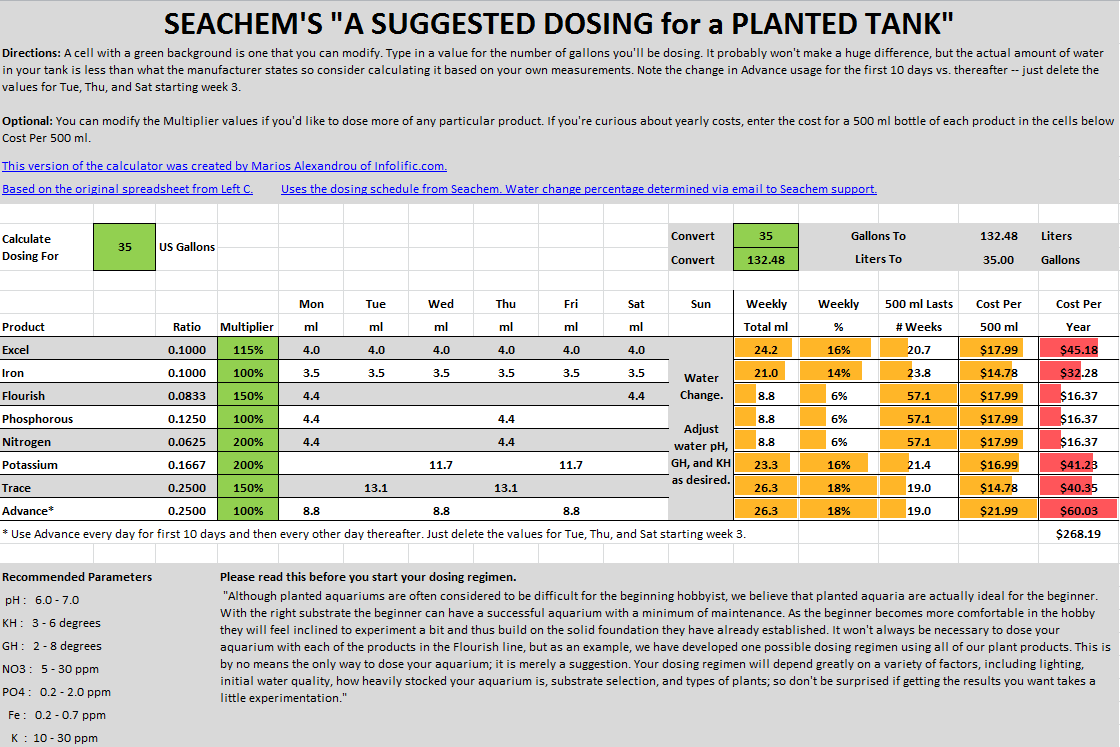
Overdosing causes more tank crashes than deficiencies. Follow these precision techniques:
Why Overdosing Iron Causes More Problems
Excess iron (above 0.1 ppm) feeds stubborn algae like black beard. Fix: Dose chelated iron only when new growth shows deficiency signs. Add during water changes after removing old water. Wait 48 hours before retesting—never dose daily. If algae appears, skip two doses and increase water changes.
The Safe Way to Add Potassium Without Spiking Nitrates
Potassium sulfate (K2SO4) is safer than potassium nitrate for low-nitrate tanks. Dissolve 1/4 teaspoon in a cup of tank water first. Pour slowly near filter output—not directly on plants. Test nitrates 24 hours later; if spiking, reduce dose by half next time.
Prevent Plant Problems: Your Weekly 15-Minute Maintenance Checklist
Avoid crises with these non-negotiable routines:
Weekly Water Change and Fertilizer Routine
Every Saturday:
1. Siphon 50% water while vacuuming substrate (2 minutes)
2. Replace with dechlorinated, temperature-matched water (3 minutes)
3. Dose comprehensive liquid fertilizer at 75% strength (1 minute)
4. Wipe algae from front glass (2 minutes)
5. Trim dead leaves from stem plants (3 minutes)
Monthly Parameter Testing Schedule
On the first Sunday monthly:
– Test GH/KH to monitor mineral stability
– Check iron levels if using supplements
– Verify pH stays between 6.5-7.5
– Inspect CO2 equipment for leaks (injected tanks)
Record results to spot trends before problems escalate.
Stop battling mysterious plant symptoms. This aquarium plant problems chart turns visual clues into actionable fixes—saving you hours of frustration and preventing costly mistakes. Remember: healthy new growth is your true success metric, not perfect old leaves. When you see vibrant shoots emerging within a week of treatment, you’ve nailed the diagnosis. Bookmark this guide for your next plant emergency, and share your recovery photos in the comments—we love seeing thriving tanks!