Aquarium Care for Beginners: Easy Tips to Start
Your first fish tank should be a calming oasis, not a graveyard for neon tetras. Thousands of beginners lose fish within days because they skip critical water preparation steps or overload their tank too soon. Proper aquarium care for beginners starts long before adding fish—it begins with understanding your water chemistry and establishing a stable ecosystem. This guide reveals exactly what to do (and avoid) during your first month to create a thriving tank where fish live for years, not days.
Most new aquarium owners make the same fatal error: adding fish immediately after setup. Without a properly cycled tank, ammonia spikes will poison your fish within hours. The good news? You can prevent this with simple water testing and patience. Follow these proven steps to avoid the most common beginner mistakes and build an aquarium that actually survives past week one.
How to Remove Chlorine from Tap Water Before Adding to Your Aquarium
Chlorine in your tap water kills beneficial bacteria and burns fish gills within minutes. Municipal water supplies contain chlorine and chloramines that are deadly to aquatic life but safe for humans. Always treat new water with a dechlorinator like Seachem Prime or API Tap Water Conditioner before adding it to your tank—never skip this step.
For every 10 gallons of new water, add 1 milliliter of quality dechlorinator before pouring it into your aquarium. Match the temperature of replacement water to your tank within 2°F to prevent shocking your fish. If you’re doing a large water change (50% or more), treat the entire tank volume as if you’re replacing all the water to ensure complete chlorine neutralization.
Why Tap Water Kills Fish in Uncycled Tanks
Untreated tap water contains more than just chlorine—it often has heavy metals like copper that accumulate in your tank over time. These toxins destroy your beneficial bacteria colonies, causing ammonia spikes that kill fish. Test your tap water first to understand what contaminants you’re dealing with, then choose a dechlorinator that addresses your specific water chemistry.
Why Your New Fish Keep Dying: Fixing the Nitrogen Cycle Problem

New tank syndrome causes 90% of beginner fish deaths. When you add fish to an uncycled tank, their waste produces ammonia that quickly reaches toxic levels. A properly cycled tank contains beneficial bacteria that convert deadly ammonia into less harmful nitrate. This process takes 4-8 weeks and must be completed before adding fish.
Your Step-by-Step Fishless Cycling Checklist
- Set up your tank with filter, heater (78-80°F), and dechlorinated water
- Add 2-4 ppm pure ammonia (Dr. Tim’s or unscented household ammonia)
- Introduce bottled bacteria like Seachem Stability or Tetra SafeStart
- Test water daily for ammonia → nitrite conversion
- Only add fish when both ammonia and nitrite consistently read 0 ppm
Never add fish during the cycling process—this old-school method kills most fish. Instead, use the fishless cycle method with bottled bacteria starters to establish your nitrogen cycle safely. Bottled bacteria can cut cycling time from 8 weeks to just 14-21 days when used correctly.
Critical Water Parameters Every Beginner Must Test Weekly
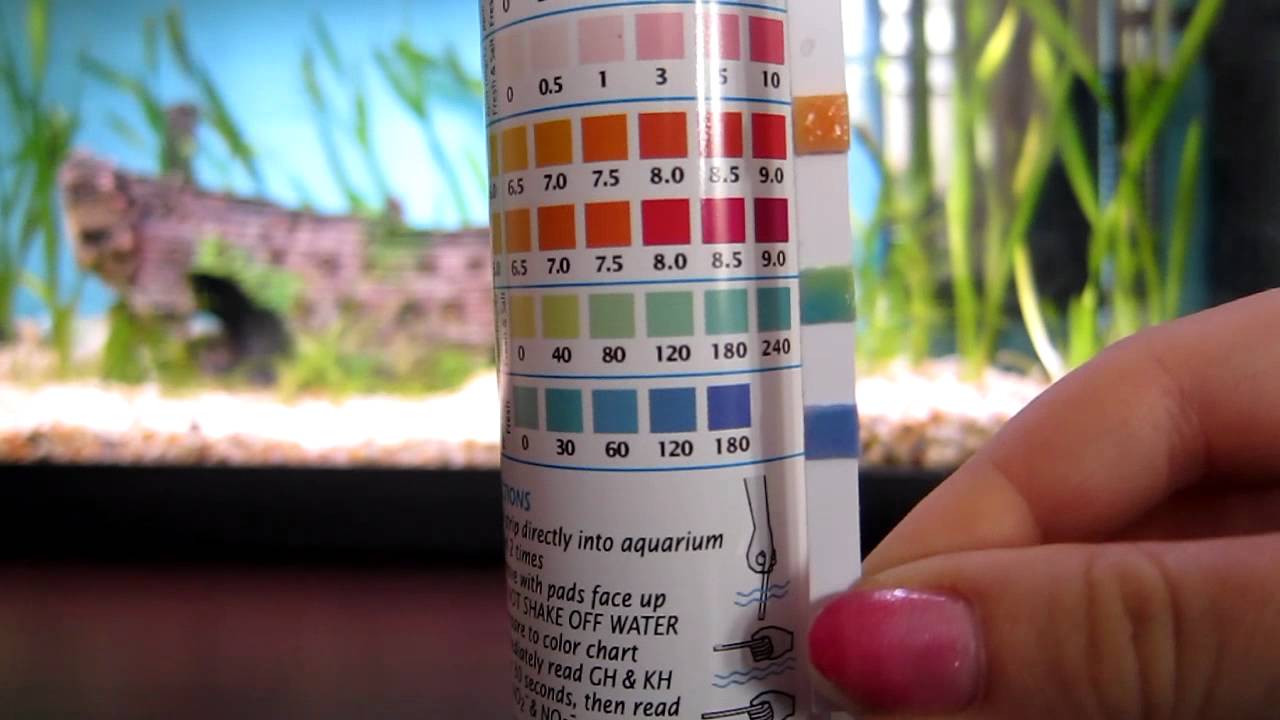
Weekly water testing prevents 80% of aquarium problems. Most beginners only check water when fish look sick, but by then, damage is already done. Use a liquid master test kit (not strips) to check these parameters weekly:
- Ammonia: Must be 0 ppm (toxic above 0.25 ppm)
- Nitrite: Must be 0 ppm (toxic above 0.5 ppm)
- Nitrate: Keep below 20 ppm (ideal), action required above 40 ppm
- pH: Most community fish need 6.5-7.5
- Temperature: 74-82°F for tropical fish
Create a testing log to track changes. Sudden parameter shifts often indicate developing problems before visible fish symptoms appear. Test first thing in the morning before feeding for most accurate readings.
Choosing the Right Filter for Your 20-Gallon Beginner Tank
Your filter is your tank’s life support system—it houses 70% of your beneficial bacteria. For a 20-gallon tank, select a filter rated for 80-100 gallons per hour (4-5x tank volume turnover). Hang-on-back filters work well for beginners, while sponge filters suit shrimp or fry tanks.
Filter Media Maintenance Mistakes to Avoid
- ❌ Never replace all media at once—this destroys your bacteria colony
- ❌ Don’t rinse media in tap water—chlorine kills beneficial bacteria
- ✅ Rinse mechanical media in tank water weekly
- ✅ Replace chemical media (like carbon) monthly
- ✅ Clean biological media (ceramic rings) only when clogged
Replace filter cartridges every 4-6 weeks, but always stagger replacements across multiple sessions to preserve bacteria. A properly maintained filter should run quietly without visible debris buildup.
Top 5 Peaceful Fish for Your First Community Tank
Overstocking causes 75% of beginner tank failures. Follow the 1-inch-per-gallon rule only for small fish—larger or messier species need significantly more space. For a 20-gallon tank, start with these hardy beginner species:
- Neon tetras: School of 8 (2″ each as adults)
- Panda corydoras: School of 6 (2.5″ each)
- Honey gourami: 1 fish (2-3″)
- Nerite snail: 1-2 for algae control
- Amano shrimp: 5 for cleanup crew
Add fish gradually—start with 2-3 small fish, wait 2 weeks, then add more. Never add all your fish at once, even if your tank is cycled. Acclimate new fish slowly by floating their bag for 30 minutes before netting them into your tank.
Perfecting Your Weekly 25% Water Change Routine
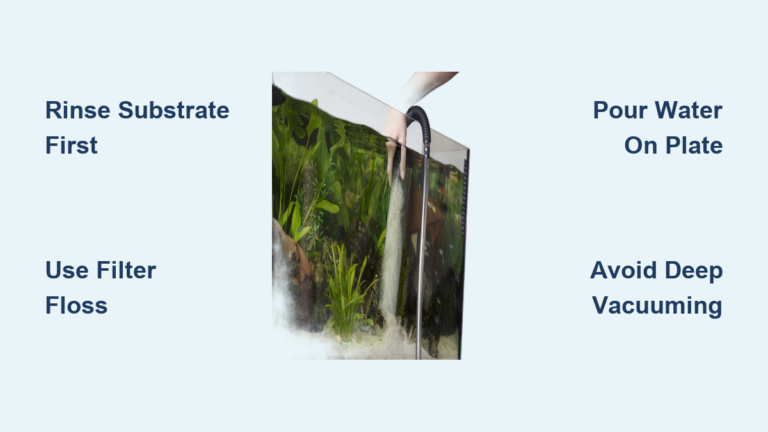
Weekly water changes remove nitrates and replenish essential minerals. Heavily stocked tanks need 25-50% weekly changes, while lightly stocked tanks require 15-25%. Use a gravel vacuum to clean the substrate while changing water—this removes waste without disturbing your beneficial bacteria.
Step-by-Step Water Change Protocol
- Prepare replacement water 24 hours in advance
- Treat with dechlorinator and match temperature (±2°F)
- Use gravel vacuum to remove 25% of water while cleaning substrate
- Add new water slowly to avoid disturbing plants and fish
- Test water parameters after completion
Never change more than 50% of your water at once—this disrupts your tank’s delicate ecosystem. Schedule water changes for the same day each week to build consistency into your routine.
How Much to Feed Your Fish: Stop Overfeeding Today
Overfeeding causes more tank problems than any other beginner mistake. Fish stomachs are only slightly larger than their eyes—they need very little food. Feed only what your fish can consume in 2-3 minutes, once or twice daily.
Remove uneaten food after 5 minutes to prevent ammonia spikes. For most community tanks, alternate between quality flake food and frozen brine shrimp. Bottom dwellers like corydoras need sinking pellets that reach them before surface feeders.
Cloudy Water and White Spots: Diagnosing Beginner Tank Issues
Cloudy water usually indicates bacterial blooms from overfeeding or dead matter. Green water means algae blooms from excess light or nutrients. White spots signal ich—a common parasite easily treated if caught early.
Quick Problem Diagnosis Guide
- Cloudy water: Reduce feeding, increase water changes
- Green water: Decrease light duration, add algae-eating fish
- White spots: Quarantine affected fish, raise temperature to 86°F
- Tattered fins: Improve water quality, treat with API Fin & Body Cure
Most fish problems resolve with better water quality—always test parameters before medicating. Many beginners treat symptoms while ignoring the underlying water quality issue.
Your Weekly Aquarium Maintenance Checklist
Consistent maintenance prevents 95% of aquarium problems. Follow this simple weekly routine to keep your tank thriving:
- Test all water parameters
- Perform 25% water change with gravel vacuuming
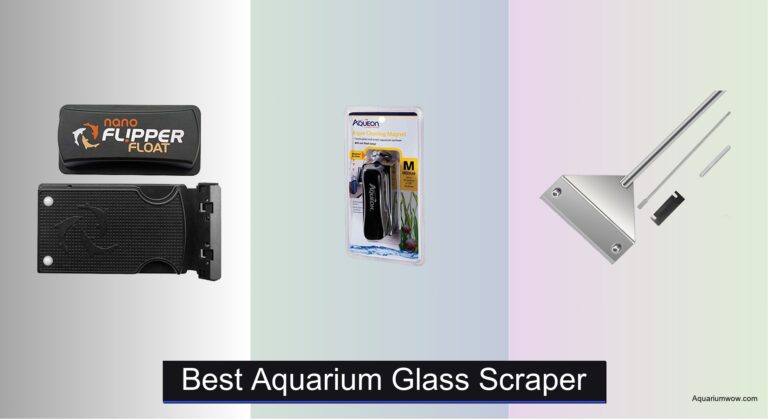
- Clean viewing panels with algae scraper
- Rinse filter media in tank water
- Remove uneaten food and dead plant matter
- Check equipment function (heater, filter, lights)
Spend just 30 minutes each week on maintenance to avoid hours of emergency troubleshooting later. Set phone reminders until the routine becomes habit.
3 Easy Plants That Thrive in Beginner Tanks
Live plants improve water quality and reduce algae competition. Start with these foolproof plants for beginner tanks:
- Java fern: Attach to driftwood—requires no substrate
- Anubias: Low light, attach to rocks or wood
- Hornwort: Floating plant that grows rapidly
Provide 8-10 hours of moderate lighting daily. Fertilize monthly with root tabs for rooted plants. Healthy plants absorb excess nutrients that would otherwise feed algae.
Simple Aquascaping Steps for Your First Tank Setup
Your tank layout affects fish behavior and water flow. Follow these aquascaping principles for success:
- Rinse substrate thoroughly before adding
- Slope substrate from front (1″) to back (3″)
- Place hardscape (rocks, driftwood) first
- Add plants from back to front by height
- Leave open swimming space for fish
Avoid overcrowding with decorations—fish need room to swim. Wait 2-3 weeks after setup before adding fish to allow plants to establish and water parameters to stabilize.
The Right Time to Add Fish After Cycling Your Tank
Adding fish too soon causes new tank syndrome. Only add fish when your water tests show 0 ppm ammonia and 0 ppm nitrite for at least 7 days straight. Start with just 2-3 hardy fish, then wait 2 weeks before adding more.
Quarantine new fish for 2-4 weeks when possible to prevent disease outbreaks. Always acclimate fish slowly by floating their bag for 30 minutes before netting them into your tank—never pour store water into your aquarium.
Final Note: Consistent water testing and weekly maintenance transform beginner aquarium care from frustrating to rewarding. Your tank will stabilize within 8-12 weeks with proper cycling and careful stocking. Remember: patience beats perfection—making small, gradual adjustments creates a thriving ecosystem where your fish live for years, not days. Start implementing these steps today, and within months, you’ll have a stunning aquatic display that impresses even experienced hobbyists.