75 Gallon Freshwater Aquarium Stocking Ideas (2026 Guide)
Your 75-gallon freshwater aquarium represents one of the most versatile setups in the hobby—large enough for impressive displays yet manageable for dedicated aquarists. Unlike smaller tanks where every inch counts, this size gives you room to create layered communities with fish occupying all water levels while maintaining stable water parameters. The right 75 gallon freshwater aquarium stocking ideas transform your tank from a simple fish container into a balanced, thriving ecosystem that showcases natural behaviors and stunning visual appeal.
Many beginners make the critical mistake of overcrowding their 75-gallon tank based on the outdated “one inch per gallon” rule, only to face water quality disasters weeks later. The reality is that fish produce waste proportional to their mass, not length, and active swimmers need more space than sedentary species. This guide delivers practical, science-backed 75 gallon freshwater aquarium stocking ideas that prevent common pitfalls while creating breathtaking underwater displays.
Whether you’re dreaming of a vibrant community tank with shimmering schools of tetras, an African cichlid showcase with dramatic rockscapes, or a peaceful planted aquarium with delicate nano fish, your 75-gallon tank provides the canvas. We’ll show you exactly how to match fish species to your water chemistry, create functional layers from surface to substrate, and avoid compatibility disasters that turn dream tanks into emergency situations.
How Many Fish Can Your 75-Gallon Tank Actually Support?
Forget the misleading “one inch per gallon” rule that leads to overcrowded, unhealthy tanks. Your 75-gallon aquarium’s true capacity depends on fish mass, activity level, and waste production. A better approach uses the “surface area rule” where fish need 12 square inches of surface area per inch of fish—your 75-gallon tank provides approximately 720 square inches, supporting 60 inches of adult fish.
Stocking by Fish Type and Waste Production
Heavy Waste Producers (Limit to 25% of total bioload):
– Cichlids (Angelfish, Rams, African species)
– Goldfish (not recommended with tropicals)
– Plecos (Bristlenose, Common)
Moderate Waste Producers (50% of bioload):
– Tetras (Cardinal, Rummy-nose)
– Rainbowfish
– Livebearers (Guppies, Platies)
Light Waste Producers (25% of bioload):
– Corydoras
– Otocinclus
– Shrimp and snails
Real-World Stocking Examples That Work
A balanced 75-gallon community might include:
– 15 Rummy-nose Tetras (22.5 inches)
– 8 Harlequin Rasboras (16 inches)
– 6 Panda Corydoras (12 inches)
– 2 German Blue Rams (5 inches)
– 1 Bristlenose Pleco (5 inches)
Total: 60.5 inches of fish—perfect for your tank’s capacity without overcrowding.
Critical Filtration Requirements for a Thriving 75-Gallon Community
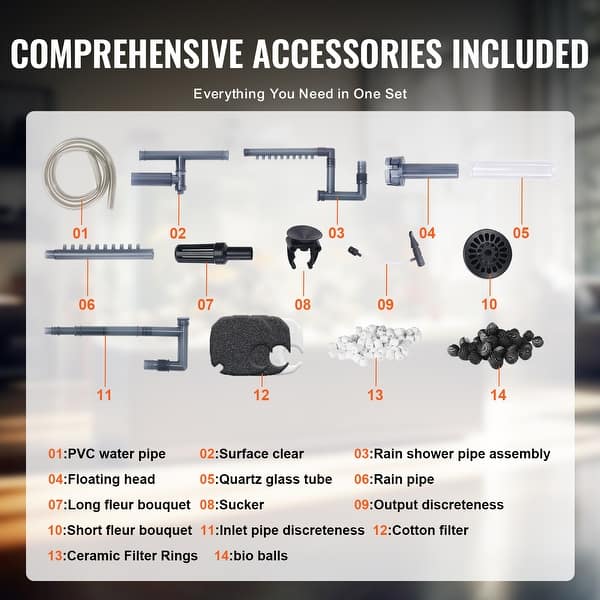
Your 75-gallon tank needs serious filtration power to handle the biological load of your carefully chosen fish. Aim for a canister filter rated at 300-450 GPH—the sweet spot where water cycles 4-6 times per hour. Anything less leaves waste accumulating; anything more creates stressful currents for most community fish.
Must-Have Filtration Components
- Biological media (ceramic rings, bio-balls): Process 90% of your tank’s ammonia
- Mechanical filtration (sponges, filter floss): Capture debris before it decomposes
- Chemical filtration (activated carbon, Purigen): Remove discoloration and odors
Pro Tip: Run two smaller filters instead of one massive unit. This creates redundancy—if one fails, you still have partial filtration while you fix the problem.
Top-Dwelling Fish Choices: Creating Activity at the Water’s Surface
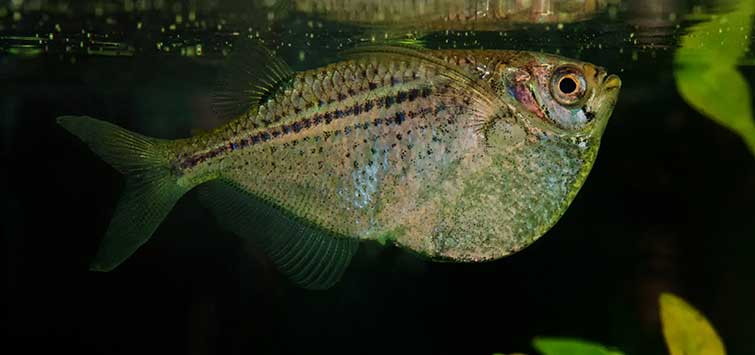
Surface dwellers add dimension to your tank while utilizing often-overlooked space. These fish naturally spend time near the top, creating visual interest and helping control surface film.
Best Surface-Dwelling Species for 75-Gallon Tanks
Hatchetfish (6-8 individuals): Their upward-angled mouths and flying-fish shape make them fascinating to watch. Critical requirement: Airtight lid—they’re expert jumpers.
Halfbeaks (3-5 individuals): Peaceful surface feeders that add graceful movement. Pair with floating plants like frogbit for security.
Pencilfish (8-12 individuals): Their slender bodies and slow movements create a calming effect. Excellent for tanks with shy mid-water species.
Warning: Avoid pairing surface dwellers with aggressive mid-water fish like Tiger Barbs—they’ll harass top-dwellers relentlessly.
Mid-Water Schooling Fish: The Heart of Your 75-Gallon Display
The mid-water zone is where your tank’s personality shines. Schooling fish create mesmerizing displays when kept in proper numbers—never settle for fewer than 8-10 of any schooling species.
Schooling Fish That Shine in 75-Gallon Tanks
Cardinal Tetras (12-15): Their electric blue and red stripes glow under proper lighting. Requires stable, soft water (pH 6.0-7.0).
Boesemani Rainbowfish (6-8): Males develop stunning blue and yellow coloration as they mature. Prefers slightly harder water (pH 7.0-7.8).
Cherry Barbs (8-12): Peaceful alternative to fin-nipping Tiger Barbs. Males show brilliant red coloration in good conditions.
Pro Tip: Arrange plants and decorations to create open swimming lanes in the center of your tank—schooling fish need space to move together in coordinated patterns.
Bottom-Dweller Strategies: Maximizing Your Tank’s Ecosystem
Bottom dwellers aren’t just “clean-up crew”—they’re essential ecosystem components that prevent dead zones and add fascinating behaviors. Skip the common pleco myth (they outgrow 75 gallons quickly) and choose appropriate species.
Effective Bottom-Dweller Combinations
Corydoras Trio (8-10 each): Mix Panda, Bronze, and Sterbai Corys for variety. They’ll constantly sift through substrate, preventing gas pockets.
Kuhli Loach & Otocinclus Combo (6 Kuhlis + 8 Ottos): Kuhlis burrow while Ottos cling to surfaces—complementary behaviors that cover all bottom areas.
Warning: Avoid mixing large, nocturnal catfish like Pictus with small shrimp—they’ll disappear overnight.
Vibrant Community Tank: A Starter Stocking Plan for Beginners
This balanced community works for most 75-gallon setups with neutral water parameters (pH 6.8-7.4). It creates visual interest at all levels while maintaining compatibility.
Step-by-Step Stocking Sequence
- Week 1: Add 6 Neon Tetras and 4 Panda Corydoras to begin cycling
- Week 4: Introduce 8 Harlequin Rasboras after confirming 0 ammonia/nitrite
- Week 8: Add 2 German Blue Rams (one male, one female)
- Week 12: Introduce 1 Bristlenose Pleco and 6 Kuhli Loaches
- Week 16: Complete with 4 Dwarf Gouramis (1 male, 3 females)
Critical Checkpoint: Test water parameters before each addition. If nitrates exceed 20 ppm, delay adding more fish.
African Cichlid Community: Hard Water Stocking Solutions

African cichlids need specialized conditions but create one of the most dramatic 75-gallon displays possible. They require hard, alkaline water (pH 7.8-8.5) with plenty of rockwork.
Mbuna Community Stocking Plan (Lake Malawi)
- 4 Electric Yellow Labs (Labidochromis caeruleus)
- 3 Zebra Cichlids (Maylandia estherae)
- 3 Rusty Cichlids (Iodotropheus sprengerae)
- 2 White Top Zebras (Maylandia greshakei)
- 1 Synodontis catfish (for cleanup)
Pro Tip: Add all cichlids simultaneously to prevent territory establishment. Rearrange rockwork before adding fish to disrupt dominance hierarchies.
Troubleshooting Common 75-Gallon Stocking Mistakes
Even experienced aquarists make stocking errors. Recognizing these problems early saves your tank from disaster.
Overcrowding Warning Signs
- Fish gasping at surface despite good oxygenation
- Consistently elevated nitrates (>40 ppm) despite water changes
- Increased aggression and fin nipping
- Algae blooms that won’t respond to standard treatments
Solution: Immediately increase water change frequency to 50% twice weekly, reduce feeding, and consider rehoming fish. Never add more fish until parameters stabilize.
Incompatible Pairings to Avoid
- African cichlids with peaceful tetras (cichlids will eat them)
- Male bettas with active swimmers like barbs
- Goldfish with tropical species (different temperature needs)
- Large plecos with delicate plants (they’ll uproot everything)
Weekly Maintenance Routines for a Healthy Stocked 75-Gallon Tank
A properly stocked 75-gallon tank requires consistent maintenance to stay balanced. This routine keeps water pristine without overwhelming your schedule.
Essential Weekly Tasks
- Wednesday: 40% water change using dechlorinated water matched to tank temperature
- Thursday: Vacuum substrate thoroughly, focusing on dead zones behind decorations
- Friday: Clean filter media by swishing in removed tank water (never tap water)
- Saturday: Test water parameters (ammonia, nitrite, nitrate, pH)
Pro Tip: Keep a maintenance log tracking water parameters—sudden changes often indicate developing problems before visible symptoms appear.
Your 75-gallon freshwater aquarium represents an incredible opportunity to create a self-sustaining underwater world. By implementing these 75 gallon freshwater aquarium stocking ideas with attention to water chemistry, tank layers, and species compatibility, you’ll build more than just a fish tank—you’ll cultivate a living ecosystem that brings daily joy and fascination. Start with a single compatible community, master the maintenance routines, and soon you’ll be confidently designing more specialized setups that showcase your growing expertise in the aquarium hobby.