29 Gallon Aquarium Dimensions (2026 Guide)
You’ve decided to set up your next aquarium and landed on the popular 29-gallon size, but where do you begin? Many hobbyists mistakenly assume all “29-gallon” tanks share identical measurements, only to discover their new stand won’t fit or their floor can’t support the weight. Understanding the precise 29 gallon aquarium measurements prevents costly mistakes before you add water, substrate, or fish. This guide delivers the exact dimensions, weight specifications, and critical setup considerations you need to confidently choose the right location and equipment for your 29-gallon tank.
Exact 29-Gallon Tank Dimensions You Must Know
.jpg?rev=2f5b6b186d1c4cf8b739eef99fd4224d)
When shopping for a 29-gallon aquarium, don’t trust the “29-gallon” label alone—verify the actual measurements. The most common external dimensions across major brands like Aqueon are 30.25 inches long, 12.5 inches wide, and 18.75 inches high. These measurements represent the outer edges of the tank including the frame, crucial for determining if it fits your space.
Why External Dimensions Matter More Than Capacity
Your stand, cabinet, or designated space must accommodate the tank’s full footprint—30.25″ × 12.5″—not just the water volume. Many hobbyists make the costly error of measuring only for the nominal 29-gallon capacity, forgetting the tank itself adds significant bulk. The frame typically extends about 7/8 inch beyond the glass, so your stand surface must be at least 31 inches long to provide proper support. Always measure twice before purchasing to avoid discovering your tank overhangs your stand by critical inches.
Critical Measurement Variations Between Brands
While Aqueon’s standard dominates the market, Marineland’s version measures slightly different at 30-9/32″ × 12-9/16″ × 18-3/4″. These seemingly minor differences (less than 1/4 inch in each dimension) can determine whether your existing stand or hood fits properly. Before committing, compare the specific model’s measurements against your space—not the generic “29-gallon” description. Even 0.5 inches can mean the difference between a perfect fit and equipment that won’t mount correctly.
Calculate Your 29-Gallon Tank’s True Weight Before Setup
:strip_icc()/SPR_1380694-aquarium-sizes-and-weights-1bf7f0fbbfd44d6caca00657f70a33d3.png)
That empty 29-gallon tank sitting in your living room weighs just 40-41 pounds—but add water, and you’re suddenly dealing with over 240 pounds of additional weight. Underestimating this total load causes catastrophic failures when stands collapse or floors buckle. Your planning must account for every pound before you fill the tank.
Full Weight Breakdown: What Most Sellers Don’t Tell You
- Empty tank weight: 40-41 lbs (Aqueon standard)
- Water weight: 242 lbs (29 gallons × 8.34 lbs/gallon)
- Substrate weight: 20-50 lbs (depending on gravel or sand depth)
- Rocks/decor: 10-50 lbs (natural stone adds significant weight)
- Total operational weight: 310-390 lbs when fully set up
Warning: This concentrated weight exceeds what many standard furniture pieces safely support. Bookshelves, entertainment centers, and flimsy stands often fail under this load, risking injury and thousands in water damage.
Stand Requirements That Prevent Catastrophic Failure
Your stand must meet three critical specifications:
1. Support surface at least 31″ × 13.5″ (providing 0.5″ overhang on all sides)
2. Weight capacity rating of 400+ lbs (not the minimum 300 lbs some manufacturers claim)
3. Perfect levelness—no more than 1/16 inch variance across the entire surface
Place your tank perpendicular to floor joists whenever possible, ideally along a load-bearing wall. If you hear creaking after setup, empty the tank immediately—this indicates dangerous stress points developing in your floor structure.
Essential Compatibility Checks Before Final Setup
Don’t assume your existing equipment works with a 29-gallon tank just because it’s “standard” size. The compatibility nuances between models can ruin your setup day if overlooked.
Lighting and Lid Compatibility Secrets
Most 29-gallon tanks require a 30-inch lid or lighting fixture, but here’s what manufacturers won’t highlight: the frame width affects compatibility. Aqueon’s black plastic frame creates a slightly smaller opening than Marineland’s aluminum frame. If using an existing LED fixture designed for a 20-gallon long, verify it doesn’t overhang the narrower width of your 29-gallon tank (12.5″ vs. the 20-long’s 12″ width). A 0.5-inch overhang might seem minor until your light fixture blocks filter access.
Stand Selection Mistakes That Damage Tanks
Over 30% of tank failures stem from improper stand selection. The perfect stand provides:
– Full bottom support (no center braces that create pressure points)
– A foam垫 (1/4 inch closed-cell foam) between stand and tank
– Absolutely level surface (use two bubble levels at right angles)
Many hobbyists repurpose dressers or cabinets only to discover the weight causes uneven settling within weeks. Dedicated aquarium stands cost more initially but prevent thousands in potential damage.
Equipment Sharing Between Tank Sizes
Here’s a pro tip: Your 29-gallon tank shares the same 30-inch length as a 20-gallon long, making hoods, lighting, and even some filter intakes interchangeable. This compatibility lets you borrow equipment during emergencies or share components between tanks. However, never assume pump flow rates match—your 29-gallon requires stronger filtration due to greater water volume.
Smart Setup Strategies for Your 29-Gallon Tank
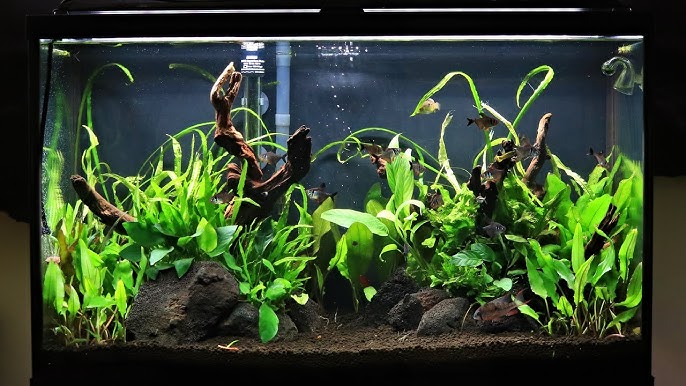
The 29-gallon size shines for specific applications where height matters more than surface area. Its 18.75-inch height creates dramatic vertical displays impossible in shorter tanks.
Best Fish Choices That Thrive in 29-Gallon Dimensions
This tank’s proportions suit species that utilize vertical space:
– Angelfish (as juveniles, with plan to upgrade)
– Dwarf gouramis and honey gouramis
– Small schooling fish like neon tetras or ember tetras
– Bottom dwellers like corydoras and otocinclus
Avoid overcrowding: Despite the 29-gallon nominal capacity, you’ll only maintain about 25 gallons of usable water after substrate and decor displacement. Follow the modified “inch-per-gallon” rule: one inch of fish per actual water gallon (not nominal capacity).
Critical Leak Testing Procedure That Saves Disasters
Before adding expensive livestock, complete this 24-hour water test:
1. Place tank on final stand in its permanent location
2. Fill completely with water (no substrate)
3. Wait 24 hours while checking for:
– Water seepage at bottom seams
– Visible bowing in glass panels
– Uneven water level indicating stand instability
This simple step catches 90% of manufacturing defects before they flood your home. If you spot even a tiny drip, contact the manufacturer immediately—don’t attempt DIY repairs on structural issues.
29-Gallon Tank FAQs: Critical Answers You Need
Why does my 29-gallon tank only hold 25 gallons of water?
The “29-gallon” designation refers to the tank’s nominal capacity based on external dimensions. After accounting for:
– Glass thickness (1/4 inch on sides)
– Recommended 1-2 inch air gap below rim
– Substrate displacement (3-5 gallons)
– Decor and equipment displacement
You’ll maintain approximately 25 gallons of actual water volume. This explains why your water changes require less replacement water than expected.
What’s the biggest mistake new 29-gallon tank owners make?
Over 60% of new owners underestimate the floor load requirements. That 350-pound tank concentrates weight on just 2.5 square feet of floor space—equivalent to 140 pounds per square foot. Most residential floors support 40 pounds per square foot in living areas. Always place your tank near load-bearing walls and perpendicular to floor joists for maximum support.
Can I use a 30-gallon breeder stand for my 29-gallon tank?
No—despite similar gallon ratings, these tanks have different footprints. A 30-gallon breeder measures 36″ × 18″ × 13″, while your 29-gallon needs a stand sized for 30.25″ × 12.5″. Using an oversized stand creates dangerous overhang and uneven weight distribution. Always match stand dimensions to your specific tank model.
How do I verify glass thickness before purchasing?
Check manufacturer specifications for:
– Front/sides/bottom: Should be 1/4 inch (6mm)
– End panels: Typically 5/32 inch (4mm)
– Tempered glass indicators: Look for “T” etching in corner
Thinner glass (3/16 inch) on budget models increases bowing risk, especially when fully filled. Higher-quality tanks like Marineland use tempered glass on critical panels for greater strength.
Final Note: Your 29-gallon aquarium’s success starts with understanding its precise measurements—not just the nominal capacity. By verifying the exact dimensions (30.25″ × 12.5″ × 18.75″), calculating the true operational weight (310-390 lbs), and ensuring proper stand compatibility, you’ll avoid the most common setup disasters. Always perform a 24-hour water test before adding livestock, and remember that your actual water volume will be closer to 25 gallons than 29. With these critical specifications in hand, you’re ready to create a thriving aquatic environment that fits perfectly in your space and supports your dream fish community for years to come.