20 Gallon Aquarium Setup Guide
Nothing compares to the satisfaction of watching your first fish explore a perfectly balanced 20-gallon aquarium. Yet too many beginners rush their 20 gallon aquarium setup only to face cloudy water, sick fish, and frustrating maintenance cycles. The secret to success lies in methodical preparation—getting your tank foundation right prevents 90% of common aquarium problems before they start. This guide cuts through the confusion with step-by-step instructions that transform your new tank from a potential disaster into a vibrant underwater ecosystem within weeks.
Most beginners underestimate how quickly a 20-gallon aquarium transforms from empty glass to a living system requiring precise conditions. Your tank isn’t just a container for fish—it’s a complex biological filter where invisible bacteria determine life or death for your aquatic pets. By following this proven setup sequence, you’ll establish stable water chemistry while avoiding the most costly beginner mistakes that lead to fish loss and expensive do-overs.
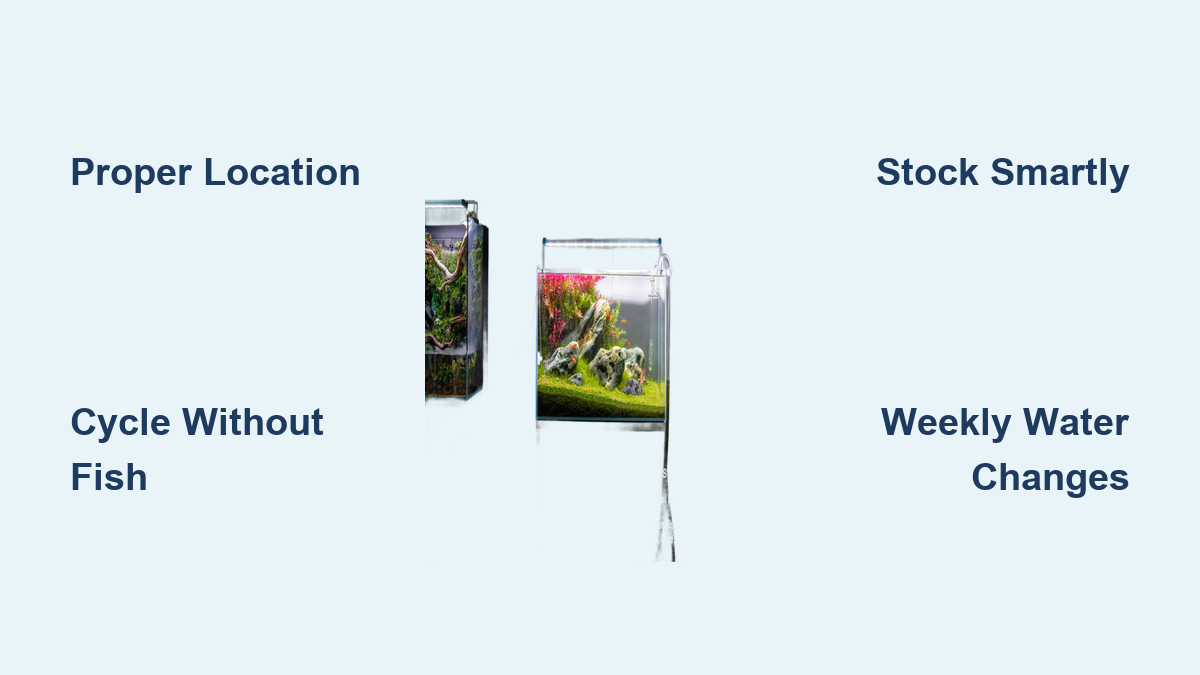
Choosing the Perfect Location for Your 20-Gallon Tank
Avoid These Critical Placement Mistakes
Your 20-gallon aquarium weighs over 220 pounds when fully set up—placing it on an unstable surface risks catastrophic failure. Position your tank on a dedicated aquarium stand rated for at least 300 pounds, never on furniture not specifically designed for aquariums. Steer clear of direct sunlight exposure, which triggers relentless algae blooms and temperature swings that stress fish. Check your floor’s levelness with a carpenter’s level before filling—just 1/8 inch of unevenness creates dangerous pressure points in the glass seams.
Essential Pre-Setup Safety Checks
Before adding water, lay a protective foam mat beneath your tank to distribute weight evenly across the stand. Confirm electrical outlets are positioned safely above the tank’s water line with GFCI protection to prevent electrocution hazards. Measure clearance space around all sides—leave at least 6 inches behind for filter access and tubing, plus enough room in front for comfortable maintenance. Never position your aquarium above valuable electronics or carpeted flooring where leaks could cause extensive damage.
Installing Critical Equipment for a Healthy 20-Gallon Ecosystem
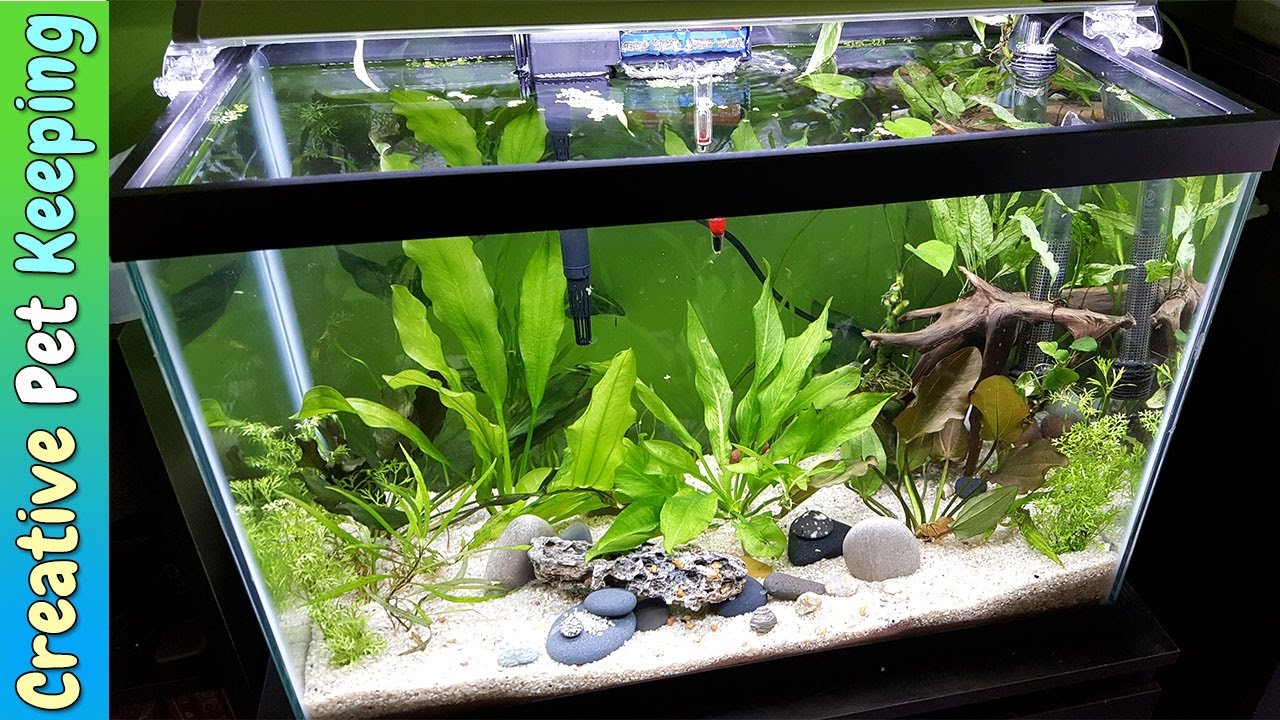
Hang-on-Back Filter Setup That Prevents Ammonia Spikes
Install a filter rated for 30+ gallons (1.5x your tank size) to handle biological load as your aquarium matures. Position the intake tube away from direct substrate contact to avoid sucking up debris during initial setup. Prime the filter by filling its chamber with tank water before plugging in—this prevents dry running that damages the impeller. During cycling, stuff the filter basket with extra biological media like ceramic rings to accelerate beneficial bacteria growth.
Precise Temperature Control for Tropical Fish Survival
Place a 100-watt submersible heater near the filter outflow for even heat distribution throughout your 20-gallon tank. Set it to 78°F—the ideal starting temperature for most beginner fish species. Install a separate digital thermometer on the opposite side of the tank to verify accuracy—relying solely on the heater’s thermostat causes dangerous temperature fluctuations. Always unplug the heater before water changes to prevent cracking from sudden temperature exposure.
Cycling Your 20-Gallon Tank Without Losing Fish
Fishless Cycling Method That Works in 30 Days
Skip the risky “fish-in cycling” method that stresses and often kills your first fish. Instead, add 3-5 drops of pure ammonia daily to maintain 2 ppm concentration while testing water twice daily. When your tests show zero ammonia and nitrites with rising nitrates (typically 25-35 days), your tank has completed the nitrogen cycle. This process establishes the essential bacteria colonies that convert deadly fish waste into harmless compounds.
Accelerate Cycling With These Proven Techniques
Boost bacteria growth by seeding your new filter with 30% used media from an established tank. Add live plants like hornwort that absorb ammonia directly through their leaves. Use bottled bacteria supplements containing Nitrosomonas and Nitrospira strains—add them after the first ammonia spike when conditions become hospitable for bacterial growth. Monitor progress with liquid test kits, not unreliable test strips, for accurate cycling data.
Stocking Your 20-Gallon Tank Without Overcrowding

Beginner Fish Combinations That Actually Work
Start with 6 neon tetras and 4 corydoras catfish—their different swimming levels maximize your tank’s vertical space. After 4 weeks, add a single betta fish as a centerpiece (never with other male bettas). Avoid the outdated “one inch per gallon” rule; instead calculate bioload based on adult size and waste production. A thriving 20-gallon community never exceeds 15 inches of adult fish length to prevent water quality crashes.
Critical Compatibility Checks Before Adding Fish
Verify each species requires similar water parameters—most beginners fail by mixing soft water fish like tetras with hard water species like livebearers. Research adult sizes thoroughly; common plecos grow to 15+ inches and will outgrow your 20-gallon tank within a year. Observe fish behavior at the store—avoid any showing signs of aggression like fin nipping or excessive hiding. Always quarantine new arrivals for 3 weeks to prevent introducing diseases.
Essential Maintenance Routine for Long-Term Success
Weekly Water Change Protocol That Prevents Algae Explosions
Perform 25% water changes every Saturday morning using a gravel vacuum to remove debris from the substrate. Match new water temperature within 1°F of tank water to avoid shocking fish. Always treat new water with dechlorinator 15 minutes before adding to neutralize chlorine and chloramines. During water changes, clean 1/3 of your filter media in old tank water to preserve beneficial bacteria—never replace all media at once.
Troubleshooting Common 20-Gallon Tank Problems
When green algae coats your glass within days, reduce lighting to 6 hours daily and add 2 nerite snails. If fish gasp at the surface, immediately test for ammonia spikes and perform a 50% water change. Cloudy water indicates bacterial bloom—check filter flow rate and avoid overcleaning media. For persistent white spot disease, gradually raise temperature to 82°F while adding aquarium salt at 1 tablespoon per 5 gallons.
Avoid These Costly Beginner Mistakes With Your 20-Gallon Setup
Overfeeding Practices That Poison Your Tank
Feed fish only what they consume within 90 seconds once daily—excess food decays into toxic ammonia. Use a timer to prevent accidental overfeeding during vacations. Fast your fish one day weekly to improve digestion and reduce waste. Start with high-quality flake food, then gradually introduce frozen bloodworms as occasional treats after your tank matures.
Filter Maintenance Errors That Crash Your Cycle
Never rinse filter media under tap water—the chlorine kills essential bacteria. Instead, swish media gently in removed tank water during water changes. Replace mechanical filter pads monthly but keep biological media (sponges, ceramic rings) for 6+ months. If flow rate decreases, clean impeller housing with a toothpick rather than replacing parts unnecessarily. Always unplug equipment before servicing to prevent electrical hazards.
Final Note: A properly set up 20-gallon aquarium becomes easier to maintain with each passing month as your biological balance strengthens. The first 8 weeks require diligent testing and patience, but soon you’ll enjoy watching your aquatic community thrive with minimal intervention. Keep a maintenance log tracking water parameters and observations—this simple habit prevents 95% of common aquarium problems before they escalate. Within six months, your initial efforts will reward you with a self-sustaining underwater world that provides daily relaxation and fascination.