Air Stone Placement in Aquarium: Best Spots for Optimal Flow
Watching your fish gasp at the surface tells you something’s wrong—your aquarium isn’t getting enough oxygen. The simple solution often lies in proper air stone placement, which affects oxygen levels, water quality, and overall tank health. Many aquarium owners make the critical mistake of just dropping an air stone anywhere without considering its strategic positioning.
Getting the placement right transforms how your entire ecosystem functions. Correct air stone positioning creates optimal water movement, prevents dead zones where waste accumulates, and ensures your fish have the oxygen they need to thrive. This guide reveals exactly where to place air stone in aquarium for maximum effectiveness, whether you’re maintaining a simple goldfish bowl or a complex planted tank.
Bottom Placement: Why Your Air Stone Belongs on the Tank Floor
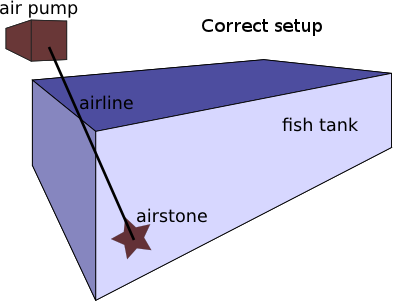
Placing your air stone directly on the aquarium bottom isn’t just convenient—it’s scientifically optimal for oxygen transfer. When bubbles begin their journey from the lowest point, they travel through the maximum water column distance before reaching the surface. This extended path allows for significantly more oxygen diffusion into the water as the bubbles rise.
How Deep Placement Boosts Oxygen Transfer Efficiency
The physics behind deep placement is straightforward: the deeper your air stone sits, the more work each bubble performs. As bubbles rise from the bottom, they create a powerful upward current that pulls surrounding water along with them. This movement not only oxygenates the water but also circulates it throughout your tank, preventing stagnant areas where harmful gases can accumulate.
For tanks deeper than 12 inches, position your air stone within an inch of the substrate. This depth ensures bubbles have sufficient time to transfer oxygen before reaching the surface. You’ll notice visible improvement in water clarity and fish activity within 24-48 hours of optimizing your placement.
Securing Your Air Stone Against Active Fish and Cleaning
Many aquarium owners lose hours trying to keep their air stone in position only to have active fish like cichlids or goldfish dislodge it. Secure your air stone with aquarium-safe suction cups or tuck it behind stable decorations that won’t shift during cleaning. For tanks with particularly boisterous inhabitants, consider embedding the air stone partially in a ceramic cave or behind a sturdy rock formation.
When cleaning your tank, temporarily reduce airflow rather than removing the air stone completely. This maintains oxygen levels while you work and prevents the stone from getting buried in substrate during maintenance.
Strategic Corner Positioning for Aesthetic and Functional Benefits
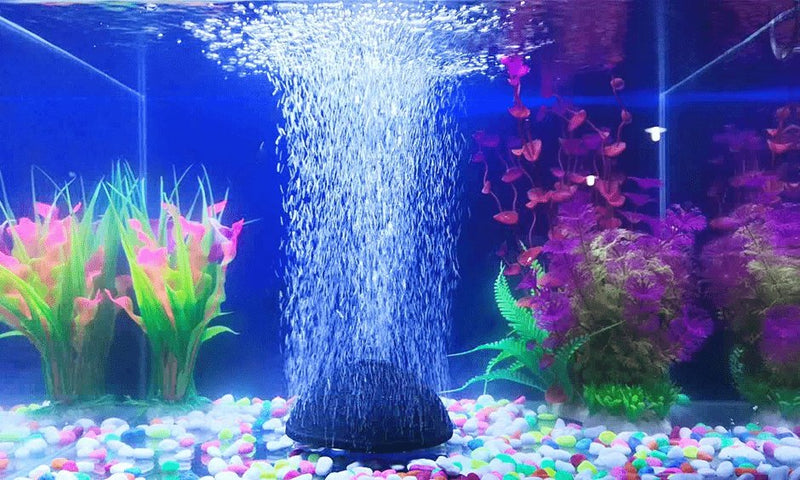
The back corner placement isn’t just about hiding equipment—it creates a natural water flow pattern that benefits your entire tank. By positioning your air stone in the rear corner, you establish a circular current that moves water from the back to the front of your aquarium, preventing dead spots where debris accumulates.
Creating a Hidden Bubble Feature in the Back Corner
Tuck your air stone behind tall plants like vallisneria or behind a strategically placed piece of driftwood to create a natural-looking bubble curtain. The bubbles will rise through the plants, creating a visually appealing effect while maintaining functionality. Java fern and anubias are particularly effective at concealing air stones without blocking bubble flow.
This placement also protects your air stone from curious fish that might otherwise investigate and potentially damage it. The corner location keeps the stone away from main swimming areas while still providing effective circulation.
Avoiding Common Corner Placement Mistakes
Many hobbyists make the error of placing air stones too close to the glass, creating an annoying glare from the bubbles. Position your stone at least two inches away from the tank wall to prevent this issue. Also, avoid corners with heavy decor that could trap bubbles and reduce effectiveness—your air stone needs space for bubbles to rise unimpeded.
Heater Proximity Placement: The Temperature Distribution Hack
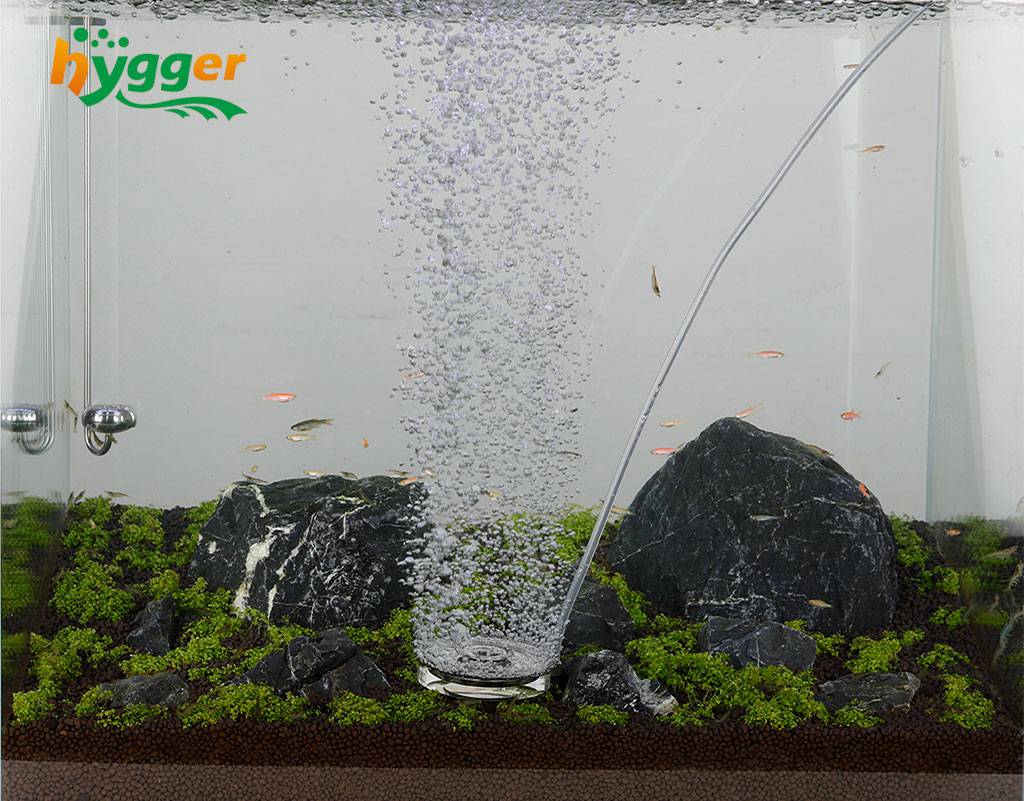
Positioning your air stone near the heater creates a natural convection current that distributes heat evenly throughout your aquarium. The rising bubble column pulls warm water from around the heater and carries it to the surface, where it spreads across the tank before cooling and sinking again.
How Bubble Currents Even Out Hot Spots in Your Aquarium
Without proper circulation, heaters create dangerous temperature gradients—your fish might experience significantly different temperatures depending on where they swim. The ideal placement is 2-3 inches from your heater, allowing the bubble stream to capture and distribute warm water without directly contacting the heating element.
This strategic positioning prevents “hot spots” that stress fish and helps maintain stable temperatures crucial for sensitive species like tropical fish and invertebrates. You’ll notice more consistent thermometer readings throughout your tank within hours of implementing this placement.
What to Avoid: Critical Air Stone Placement Mistakes That Harm Your Tank
Certain placement errors can actually damage your aquarium ecosystem rather than improve it. Recognizing these critical mistakes saves you from common problems that new aquarium owners frequently encounter.
Filter Interference: Why Air Stones and Filter Outputs Don’t Mix
Placing your air stone directly in front of your filter output creates competing currents that disrupt both systems’ effectiveness. The turbulent water flow prevents proper bubble formation and reduces the filter’s ability to pull in debris. Position your air stone at least six inches away from any filter intake or output to allow both systems to function optimally.
This separation creates complementary water movement rather than fighting currents. The air stone’s upward flow should work with your filter’s pattern to create a complete circulation loop throughout your tank.
The Substrate Trapping Hazard: When Air Stones Get Buried
Burying your air stone in gravel or sand might seem tidy, but it rapidly clogs the stone’s pores and reduces airflow. Always position your air stone on top of the substrate, not buried within it. If you must partially conceal it, place it on a flat rock or ceramic piece that elevates it slightly above the substrate level.
Check your air stone weekly for signs of clogging—reduced bubble production or uneven bubbling indicates it’s time for cleaning or repositioning. A clogged air stone works significantly harder, potentially shortening your air pump’s lifespan.
Freshwater Planted Tank Placement Strategies
Planted aquariums require careful air stone positioning to balance oxygen needs with plant requirements. Place foam air stones near the tank’s back wall where they provide gentle aeration without disturbing delicate plant roots. The bubbles should rise behind tall background plants to create visual interest while supporting plant health.
Adjust airflow to create a gentle stream rather than vigorous bubbling, which can uproot newly planted specimens. In heavily planted tanks, consider running the air stone only during daylight hours when plants produce oxygen through photosynthesis.
Saltwater Reef Tank Positioning Considerations

Reef tanks demand precise air stone placement to support corals without creating excessive surface agitation that disrupts protein skimmer function. Position fine-pore air stones near the tank’s base but away from sensitive corals that might be stressed by direct bubble contact.
For optimal results in saltwater setups, use air stones with adjustable flow to create subtle currents that mimic natural ocean movement. Monitor coral polyp extension—if they remain retracted, reduce airflow or reposition the stone further away.
Breeding and Nursery Tank Air Stone Placement
Fry tanks require specialized air stone positioning to protect delicate young fish. Use sponge-covered air stones placed low in the tank but away from breeding areas, creating gentle circulation without creating dangerous currents that could harm fry.
For egg-laying species, position the air stone to create just enough movement to prevent fungal growth on eggs without disturbing them. Adjust airflow to produce a steady stream of fine bubbles that provide oxygen without creating surface turbulence that might dry out eggs.
Creating Cross-Tank Currents with Strategic Stone Placement
For aquariums larger than 40 gallons, a single air stone won’t provide adequate circulation. Position multiple air stones at opposite corners to create a cross-tank current that moves water from one side to the other. This configuration eliminates dead zones where waste accumulates and ensures even oxygen distribution.
Start with stones positioned at opposite rear corners, then adjust based on your tank’s specific needs. Watch for areas where debris collects—that’s where you need additional aeration or repositioning of existing stones.
Directing Debris Toward Filter Intakes with Bubble Currents
Smart air stone placement works with your filtration system rather than against it. Position your air stone to create a current that flows toward your filter intake, helping to carry suspended particles toward the filtration media. This simple adjustment significantly improves your tank’s mechanical filtration efficiency.
Observe your tank after positioning—watch how debris moves. If particles collect in certain areas, adjust your air stone to redirect the current toward your filter. This technique reduces cleaning frequency and keeps your water clearer between maintenance sessions.
Targeting Problem Areas for Surface Agitation
An oily film forming on your water’s surface indicates poor gas exchange—a problem easily solved with strategic air stone placement. Position your air stone directly beneath the film buildup area to create surface agitation that breaks up the oily layer and restores proper oxygen exchange.
For persistent film issues, increase airflow temporarily until the film disappears, then return to normal settings. This targeted approach solves surface problems without creating excessive disturbance throughout your entire tank.
Pro Tip: After positioning your air stone, monitor your tank for 24 hours. If fish appear stressed or swim abnormally, reduce airflow or reposition the stone. The ideal setup creates visible bubbles but doesn’t cause excessive surface agitation that stresses your aquatic inhabitants.
Regularly check your air stone’s performance—replace it when bubbles become uneven or significantly reduced. Most air stones need replacement every 2-3 months for optimal function. By following these precise placement guidelines, you’ll create a healthier, more vibrant aquarium environment where your fish thrive rather than just survive. Proper air stone positioning is one of the simplest yet most effective ways to improve your aquarium’s overall health and stability.