What Does Snail Poop Look Like?
You’re weeding your garden at dawn and spot tiny dark specks clinging to lettuce leaves. Or you’re cleaning your aquarium and notice strange coiled strands on the glass. Your first thought: What does snail poop look like? This common mystery confounds gardeners, aquarists, and pet owners daily. Snail droppings are instantly recognizable once you know what to look for—they’re not random debris but precise biological signatures revealing the snail’s diet, health, and habits. For anyone sharing space with these slow-moving neighbors, correctly identifying their waste prevents unnecessary panic and guides smart ecosystem management. In this guide, you’ll learn to distinguish snail poop from pests, decode health clues hidden in its color, and handle it safely across gardens, tanks, and terrariums.
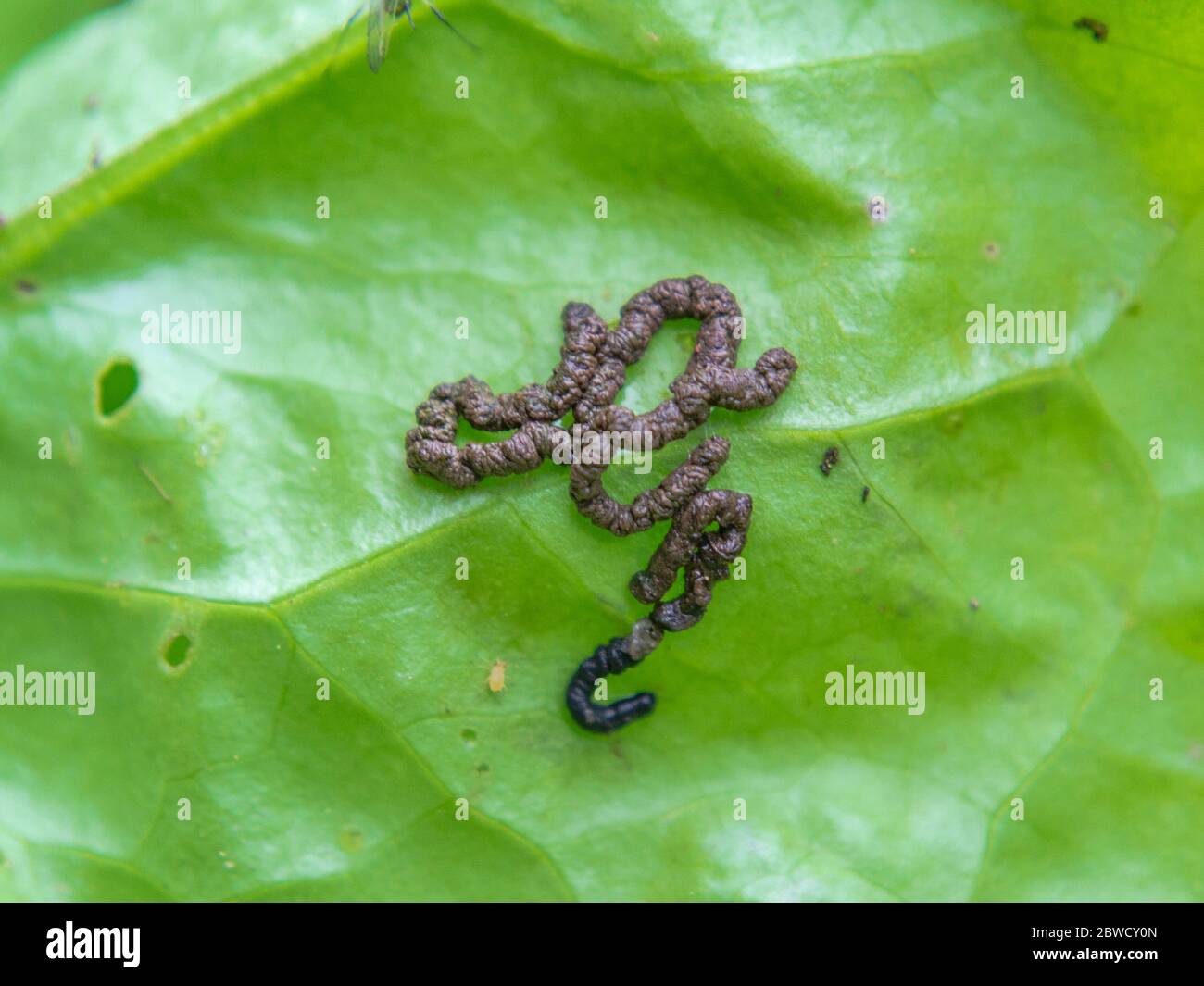
Snail feces stand out through unique physical traits directly tied to their anatomy. Unlike rodents or insects, snails excrete waste through an anus hidden within their mantle cavity—a multi-purpose chamber also housing breathing and excretory pores. This explains why their droppings appear precisely where they move: on leaves, tank walls, or soil surfaces. Forget uniform pellets; snail poop forms as moist, rope-like strands when fresh, drying into brittle, segmented coils. Its appearance isn’t random—it’s a direct window into the snail’s world.
Spot Snail Droppings Instantly: Size, Shape, and Location Clues
Identifying snail poop hinges on three unmistakable characteristics visible even to casual observers. Missing these details leads to confusion with insect frass or rodent waste, triggering unnecessary cleanup efforts.
Rope-Like Strands vs. Pellets: The Shape Telltale
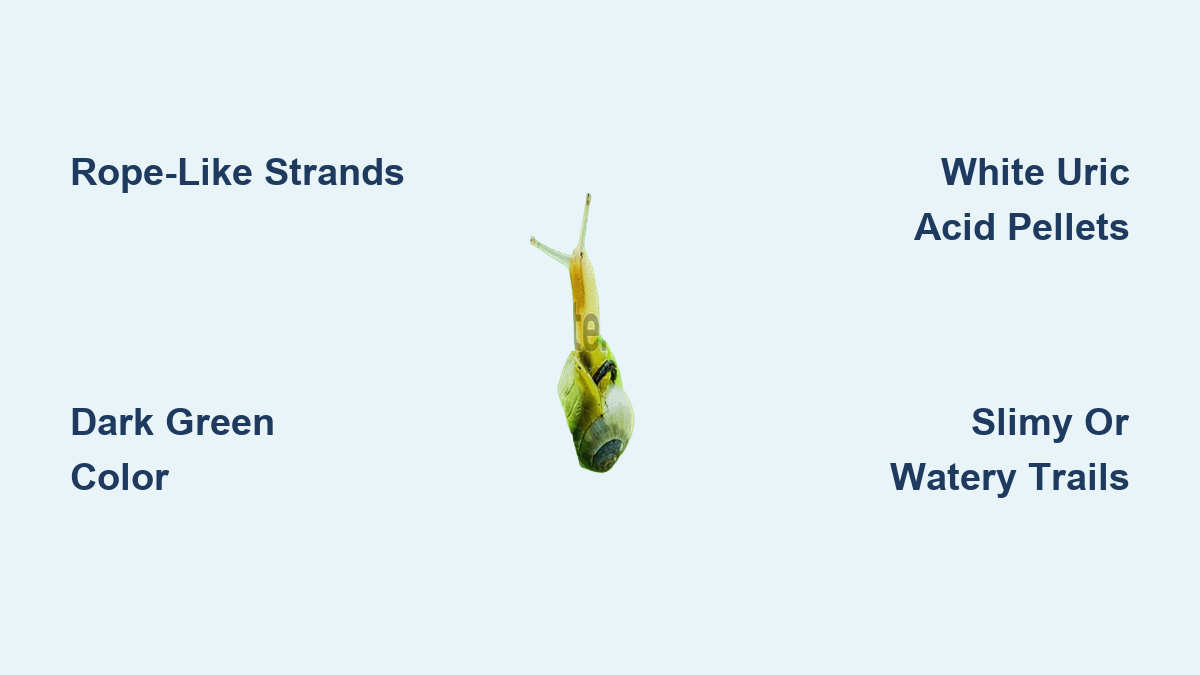
Fresh snail droppings resemble thin, dark strings—never perfectly round pellets. They’re typically 1–3mm thick and 5–15mm long, scaling with the snail’s size. A garden snail (Cornu aspersum) leaves trails like cooked brown rice strands, while tiny aquarium nerites produce near-microscopic coils. Crucially, these strands often twist slightly or segment as they dry, creating a “string of pearls” effect along mucus trails. This distinguishes them from:
– Rodent droppings: Larger (5–12mm), tapered at ends, and dry/crumbly
– Insect frass: Uniformly granular, powdery, and falling apart when touched
– Bird droppings: White uric acid caps with dark fecal matter beneath
Color Shifts That Reveal Diet Secrets
Snail poop color changes within hours based on recent meals—a real-time dietary report. Observe these patterns:
– Dark green or olive: Fresh leaf consumption (common on garden lettuce or aquarium plants)
– Reddish-purple streaks: Berry or beet feasts (frequent in outdoor gardens after fruiting season)
– Chalky white pellets: Not feces! These are solidified uric acid excretions—snails’ equivalent of urine. They’re hard, brittle, and appear alongside dark droppings.
– Jet black: Decaying matter or soil intake (indicates snails scavenging in compost or tank substrate)
Pro Tip: In aquariums, check near algae-covered glass. Greenish poop here confirms your snail is actively cleaning the tank—not just hitchhiking!
Decode Your Snail’s Health Through Poop Changes
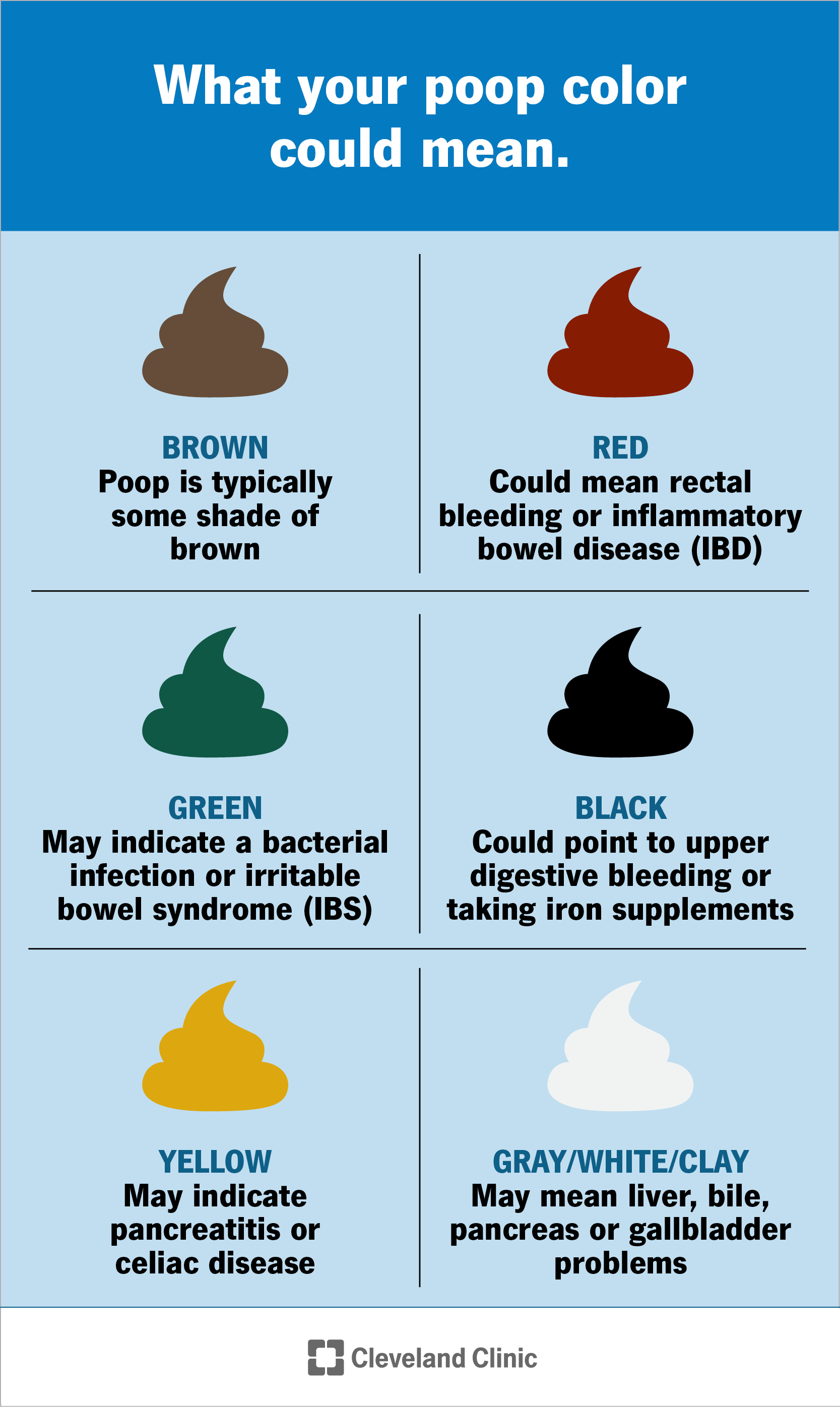
Snail droppings act as a living diagnostic tool. Sudden shifts signal distress long before visible illness appears, especially critical for pet snail owners.
Healthy Poop: The Gold Standard
Normal snail feces maintain consistent texture and color matching their diet. For example:
– A mystery snail eating algae wafers produces uniform brown ropes
– A garden snail munching kale leaves dark green, pliable strands
– Occasional white uric acid pellets appear alongside feces (perfectly healthy)
These droppings stay intact when touched—neither crumbling nor oozing liquid. In tanks, they sink slowly before settling on substrate; in gardens, they cling to leaves without disintegrating.
Danger Signs Requiring Immediate Action
Three poop anomalies demand intervention:
– Watery or slimy trails: Indicates bacterial infection or spoiled food (e.g., overripe fruit in tanks). In gardens, this often follows heavy rain saturating soil.
– Bright unnatural colors (neon yellow, electric blue): Signals toxic ingestion—like chemical-treated plants or dyed aquarium foods.
– Zero droppings for 72+ hours: Despite eating, suggests life-threatening constipation or gut blockage. Common in calcium-deficient pet snails.
Critical Note: If droppings contain visible undigested food (like whole lettuce shreds), reduce food portions by 30%. Overfeeding stresses snails’ digestive systems.
Why Snail Poop Supercharges Garden and Tank Ecosystems
Dismissing snail waste as “gross” misses its ecological superpower. In balanced environments, it’s nutrient rocket fuel.
Garden snails transform decaying leaves into nitrogen-rich fertilizer through their droppings. Each pellet releases phosphorus and organic compounds as it decomposes, feeding soil microbes within 48 hours. This natural cycle explains why plants near snail trails often show vigorous growth. In bioactive terrariums, springtails and isopods devour snail poop within hours, converting it into plant-ready nutrients—no manual cleanup needed. Even aquariums benefit: snail feces feed beneficial bacteria that convert ammonia into plant-usable nitrates, fueling lush aquatic flora. The key? Moderate snail populations. One snail per 10-gallon tank prevents waste overload while boosting plant health.
Critical Safety Steps: Handling Snail Poop Without Risk
While snail poop itself isn’t toxic, it can harbor pathogens. The real danger comes from parasites like rat lungworm (Angiostrongylus), which clings to snail slime—not feces—but transfers when poop contaminates surfaces.
Three Non-Negotiable Safety Practices
- Wear gloves when removing garden snails or cleaning tanks. Discard gloves immediately after.
- Soak garden produce in vinegar-water (1:3 ratio) for 10 minutes to dissolve potential contaminants. Rinse thoroughly.
- Never touch face while handling snails or their habitats. Wash hands with hot, soapy water for 20+ seconds after contact.
Urgent Reminder: Never eat raw garden produce if snails were active that morning. Rat lungworm symptoms (severe headaches, neck stiffness) can appear weeks post-exposure.
Effective Cleanup: Targeted Solutions for Gardens and Tanks
Managing snail poop requires environment-specific strategies—never one-size-fits-all approaches.
Stop Garden Poop Overload in 3 Steps
- Evening patrols: Hand-pick snails at dusk using a flashlight (they’re most active then). Relocate 50+ feet from your garden.
- Copper barriers: Install 2-inch-wide copper tape around raised beds. Snails receive mild electric shocks on contact, halting poop trails instantly.
- Encourage natural predators: Plant marigolds to attract ground beetles; install bird baths for songbirds. One robin eats 100+ snails daily.
Aquarium and Terrarium Poop Control
- Vacuum during water changes: Use a gravel siphon to remove tank substrate waste. Focus on filter intakes where poop accumulates.
- Add cleanup crews: Introduce 5 springtails per gallon to terrariums—they consume poop within hours.
- Adjust feeding: Reduce protein-rich foods (like fish flakes) by half. Excess protein causes explosive poop production.
Time-Saver: In tanks, wipe glass poop trails with a magnetic algae scraper during weekly maintenance—takes under 60 seconds.
Garden vs. Aquarium vs. Terrarium: Snail Poop Differences
| Environment | Poop Appearance | Primary Role | Management Priority |
|---|---|---|---|
| Garden | Dark green coils on leaf undersides | Natural slow-release fertilizer | Low—leave as compost unless snails damage plants |
| Aquarium | Brown strands on glass/substrate | Nitrogen source for plants | Medium—vacuum weekly to prevent algae blooms |
| Terrarium | Clumped near food bowls | Base of nutrient cycle | High in sterile setups; low in bioactive (springtails handle it) |
Final Thoughts
What does snail poop look like? Now you know: it’s not waste but a dynamic ecosystem signal. Those dark, rope-like strands tell stories of diet, health, and environmental balance. In gardens, they silently fertilize soil; in tanks, they feed plant life when managed correctly. Most importantly, recognizing normal vs. dangerous poop patterns prevents overreactions—like unnecessary snail removal or unsafe handling. Remember the golden rule: healthy snails in clean habitats produce healthy waste. Wear gloves, wash produce, and observe patterns. Soon, spotting snail poop becomes less about “eww” and more about appreciating nature’s intricate recycling system. Your next garden harvest or thriving aquarium will thank you for understanding this tiny but mighty biological clue.